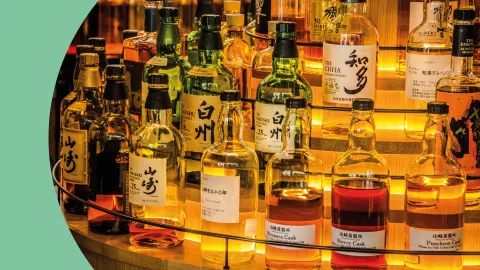
Mixers for alcohol are non-alcoholic beverages used to create cocktails and mixed drinks. They can change the flavor and color, make the drink less strong, or add new tastes. Common mixers include soda, juice, bitters, syrups & sweeteners, and water. Every bartender should have these essential mixers on hand for both classic cocktails and new creations.
Here are 7 categories of mixers for any (home)bar setup, ideal for making simple 2- or 3-ingredient drinks:
Carbonated Mixers
Juices
Syrups and Sweeteners
Dairy and Alternatives
Bitters
Liqueurs and Flavored Spirits
Water and Ice
Want to learn more? Sign up for our bartending course online, where pro bartenders teach you all about these essential ingredients!
1. Carbonated Mixers
Carbonated mixers are the best mixers to add fizz to cocktails and mixed drinks, creating a refreshing texture and diluting the strength of the alcohol.
Soda Water/Club Soda
These add fizz without changing the flavor. Used in cocktails like Mojitos, Tom Collins, and Americanos. Soda water/club soda contains zero carbs, making it an excellent choice for mixing with spirits without adding any sugars or calories.
Tonic Water
Tonic water brings a bitter flavor and carbonation, perfect for drinks such as Gin and Tonic, Vodka Tonic, or, for a non-alcoholic option, Cold Brew & Tonic.
Ginger beer is a spicier and more robust version of ginger ale, with a strong ginger flavor. It’s used in cocktails like the Moscow Mule and Dark ‘n’ Stormy.
Cola
Cola is a sweet, caramel-flavored soda that pairs well with various spirits. Key in making a Rum and Coke, Whiskey Cola, and Long Island Iced Tea (as part of the mix). Tip: use diet cola versions for a no-carb alternative that can be mixed with alcohol for a low-carb cocktail.
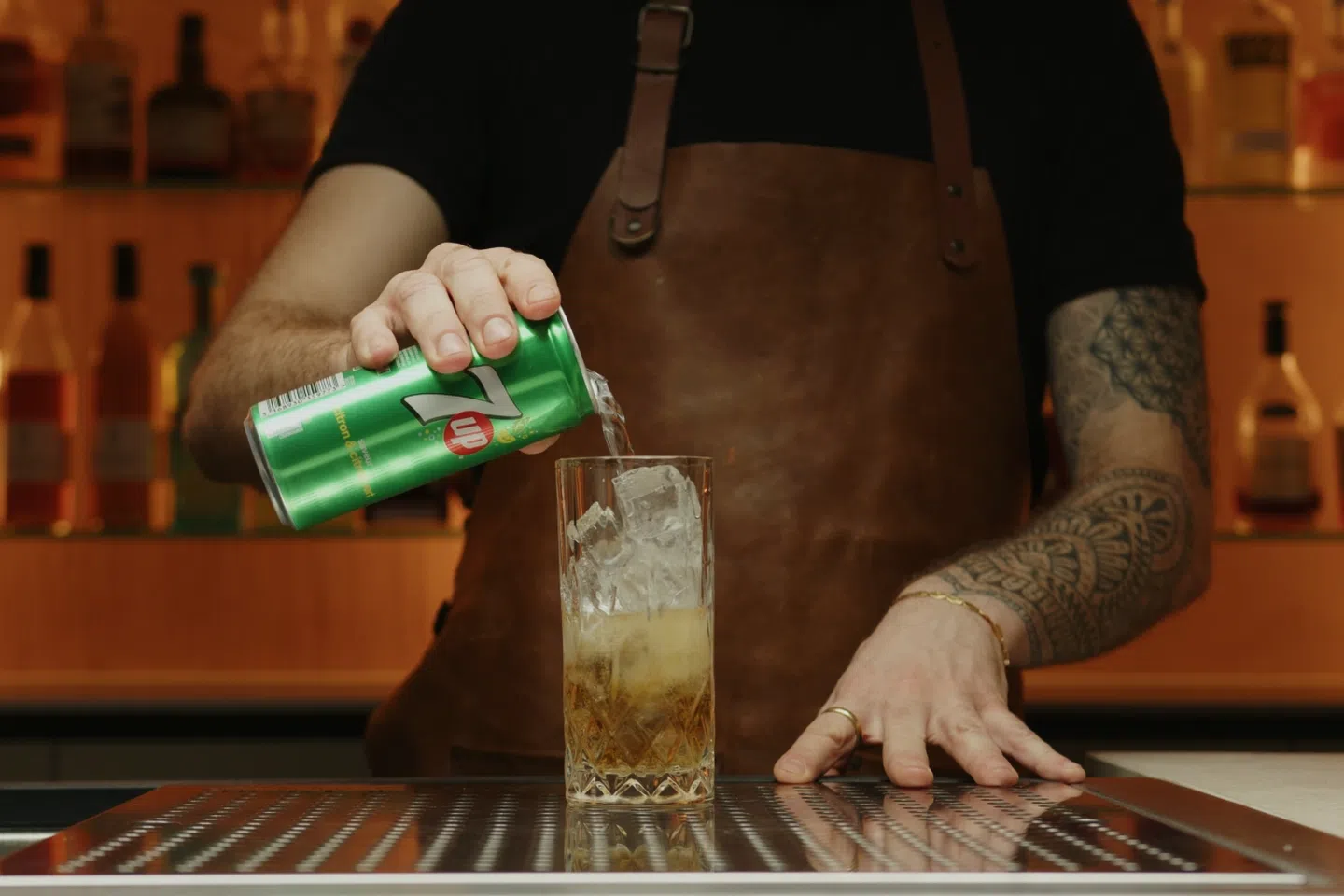
Lemon-lime soda (such as Sprite or 7Up)
This offers a sweet and citrusy flavor, adding a refreshing zest. Used in drinks like the Lynchburg Lemonade or the Vodka Sprite.
Bitter Lemon
Bitter lemon is a carbonated soft drink with a quinine bitterness and lemon flavor. It goes really well with vodka or gin for a change from the classic tonic water.
Tonic Water with Flavor (e.g., Cucumber, Elderflower)
These are variations of traditional tonic water infused with flavors like cucumber, elderflower, and many more. They add a subtle twist to Gin and Tonic, and can be used to create a smart pairing with the gin; for example, you can use a rose tonic with Hendrick’s as this gin is made with cucumber and rose petals.
Seltzer/Flavored Seltzer
Carbonated water, often flavored, without added sugar. It’s versatile for low-calorie cocktails and is used to add a subtle twist to drinks such as a Vodka Soda or a Mojito.
Root Beer
Root beer is a sweet, vanilla, and sassafras-flavored soda.
Cream Soda
Cream soda is a sweet, creamy-flavored carbonated drink. For a mixed drink, it pairs perfectly with rum and bourbon.
2. Juices
Fruit and pasteurized juices are basic mixers that add natural sweetness, acidity, and a range of flavors to cocktails. They are essential for many classic and tropical drinks.
Orange Juice
OJ adds sweetness and citrus flavor and should be freshly squeezed whenever possible. It is a key ingredient in Screwdrivers, Tequila Sunrises, and Mimosa.
Grapefruit juice offers a tart and slightly bitter flavor, ideal for refreshing and citrusy cocktails. It should be freshly squeezed whenever possible and is a key ingredient in the Brown Derby, the Salty Dog, and the Zombie.
Lemon Juice
Lemon juice provides a sharp, tangy acidity that balances sweet and strong flavors. It should be used fresh whenever possible and is a key ingredient in many classic cocktails (such as Whiskey Sour, Tom Collins, and White Lady).
Lime Juice
Lime juice adds a vibrant, tart flavor, crucial for many classic cocktails. A key ingredient in many cocktails, it should be freshly squeezed whenever possible and is used in Margaritas, Daiquiris, and Last Word cocktails.
Tomato Juice
Tomato juice delivers a savory and slightly sweet base, perfect for vegetable-based cocktails. Essential for the Bloody Mary, Michelada, and Bloody Caesar.
Pomegranate Juice
Pomegranate juice offers a sweet and tart flavor, rich in color, and adds depth. It can be used as a substitute for cranberry juice when looking to create new twists on classic cocktails.
Apple Juice
Apple juice provides a sweet and slightly tart flavor, versatile for clear and dark spirits.
Watermelon Juice
Watermelon juice adds a fresh and sweet summer flavor. Due to its high water content, watermelon can also be used fresh: simply put it in the blender, blend on high speed for a few seconds and you have yourself some fresh, delicious watermelon juice.
Peach Juice
Peach juice offers a sweet and fruity flavor, ideal for summery and Southern-inspired cocktails.
Mango Juice
Mango juice delivers a tropical sweetness and rich texture, perfect for exotic cocktails.
3. Syrups and Sweeteners
This category of products includes simple syrup, agave syrup, grenadine, and other flavored syrups like ginger or mint syrup. Syrups are great mixers as they sweeten cocktails, balance acidity, and add depth or specific flavors.
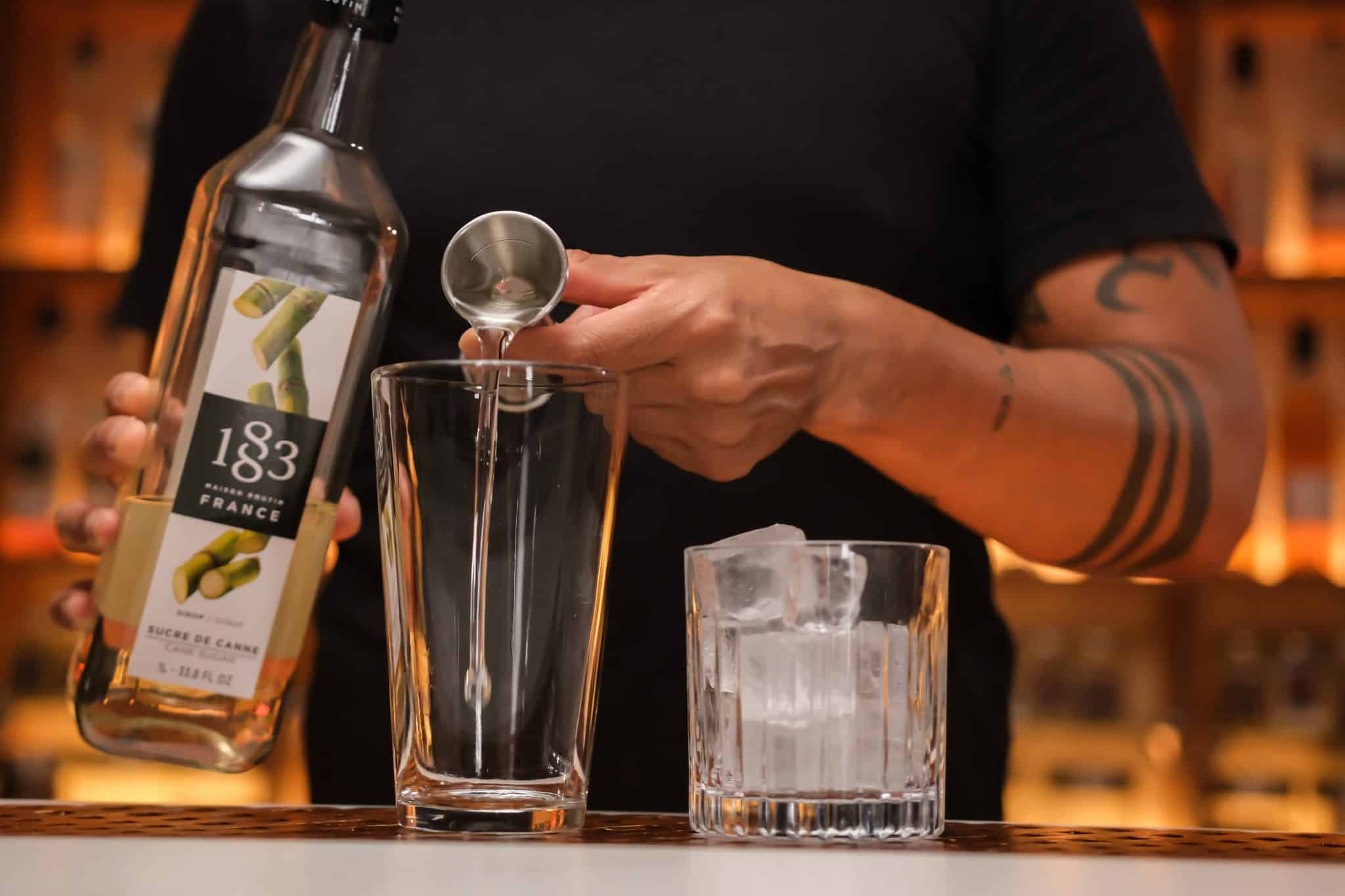
Simple Syrup
A sweetener that balances acidity in cocktails, made from equal parts water and sugar. It is the most common form of sugar used in classic cocktails.
Rich Syrup
Made of 2 parts sugar and 1 part water, this syrup sweetens cocktails and brings a thicker, smoother texture to the mix. In terms of taste and sweetness, keep in mind that 1 dose of rich syrup is not equivalent to 2 doses of simple syrup; always make sure to taste your cocktail before serving and to adjust the quantities if necessary.
Grenadine
Adds sweetness and a hint of pomegranate flavor. Found in Tequila Sunrises, Shirley Temples, and Singapore Slings.
It is made by diluting at least two parts honey with one part water, adding a rich, floral sweetness. Used in cocktails like the Bee’s Knees, Gold Rush, and Honey Badger.
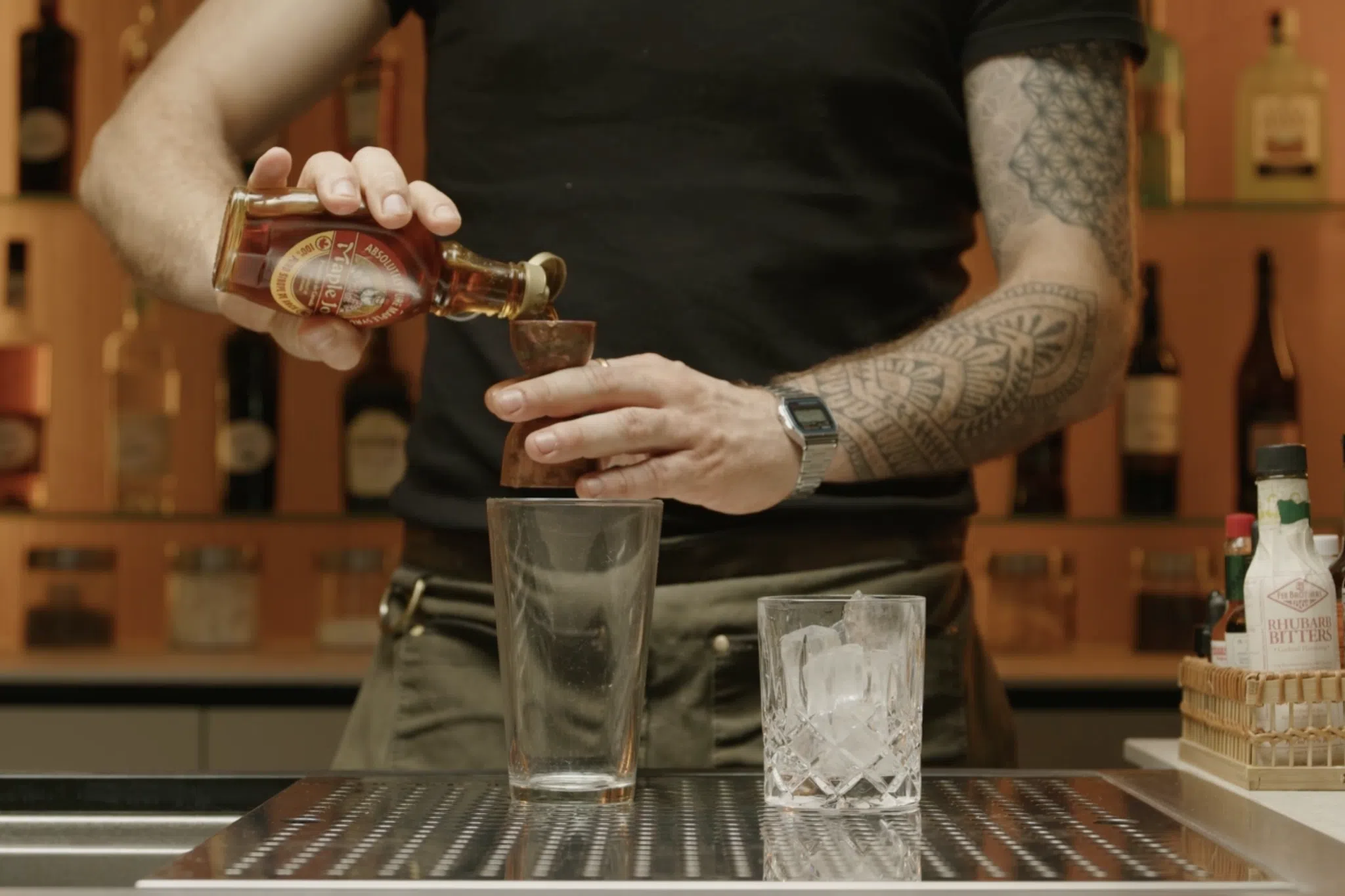
Maple Syrup
Offers a natural, woodsy sweetness with a hint of caramel. Ideal for a Benton’s Old Fashioned or a Toronto Cocktail.
Shrubs
Shrubs are a type of syrup characterized by their combination of fruit, sugar, and vinegar. It brings sweetness from the sugar and fruit, with a bright acidity from the vinegar. Shrubs are a great ingredient to keep in mind when preparing a mocktail, as the vinegar brings a nice kick of flavor and makes up for the absence of alcohol in terms of mouthfeel, aftertaste, and length.
Demerara Syrup
A syrup made from raw demerara sugar, offering a toffee-like flavor. A nice, rich alternative to classic simple or cane sugar syrup.
Orgeat Syrup
A sweet syrup made from almonds, sugar, and rose or orange flower water. It is a key ingredient in cocktails such as the Mai Tai and the Japanese Cocktail.
Falernum
A sweet syrup or liqueur with flavors of almond, ginger, lime, and sometimes cloves or allspice. Essential for Nuclear Daiquiris, Corn ‘n’ Oil, and Three Dots and a Dash cocktails.
Cinnamon Syrup
Adds a warm, spicy sweetness. Perfect to bring an easy, autumn-like twist to classic cocktails.
Vanilla Syrup
Provides a sweet, creamy flavor, perfect for enhancing a variety of cocktails. It is generally used in Pornstar Martinis and makes a great addition to Espresso Martinis as well.
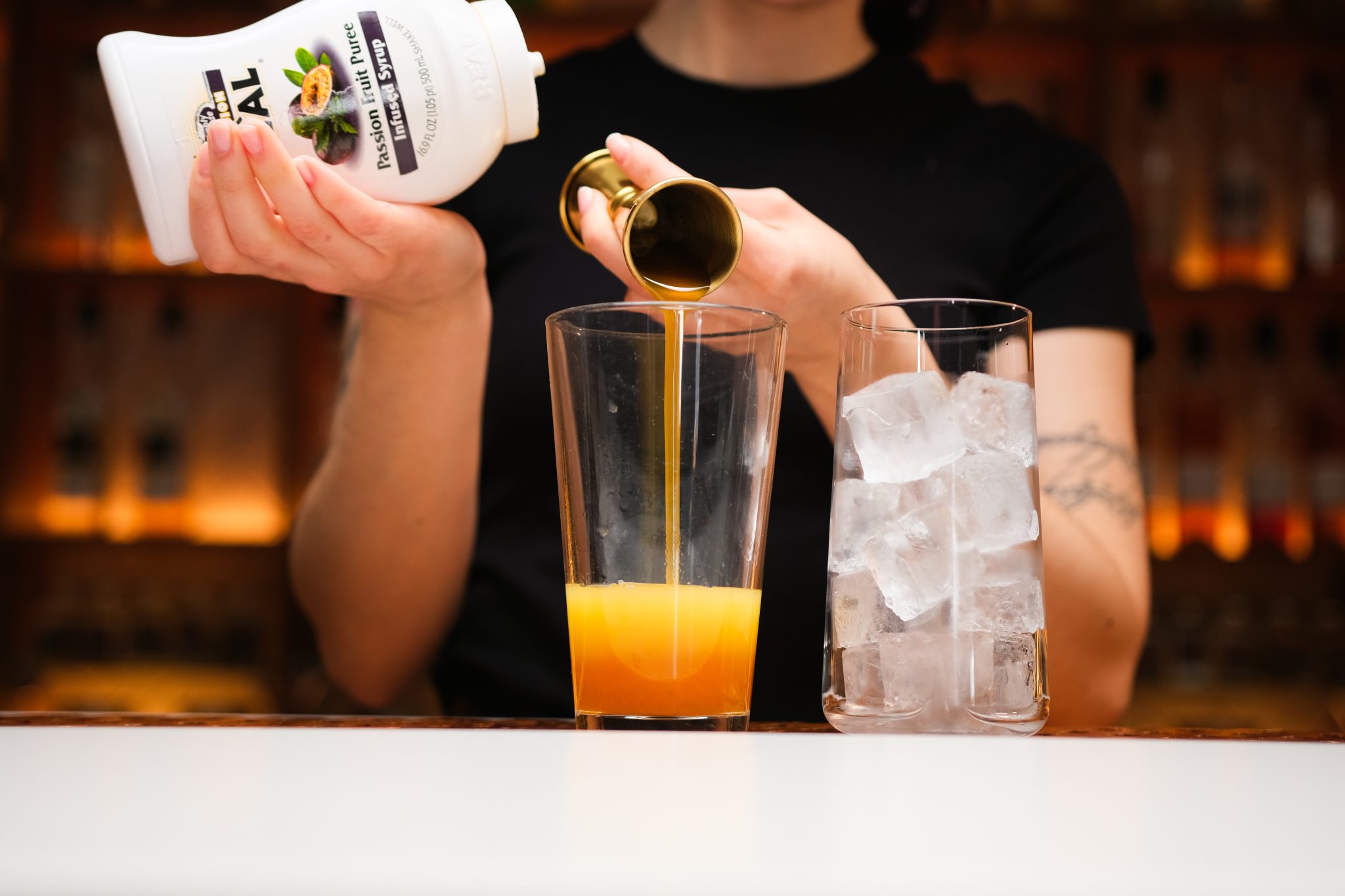
Passion Fruit Syrup
Offers a tropical, tart, and sweet flavor.
Raspberry Syrup
Delivers a fruity and tart sweetness. Used in Clover Clubs, East India nº1, and Jack Roses.
Elderflower Syrup
Adds a floral and subtly sweet flavor, perfect as an alcohol-free alternative to elderflower liqueurs such as St Germain.
4. Dairy and Alternatives
Milk, cream, and non-dairy alternatives like almond or coconut milk fall into this category. They are used in creamy cocktails and dessert drinks to add richness and texture.
Milk
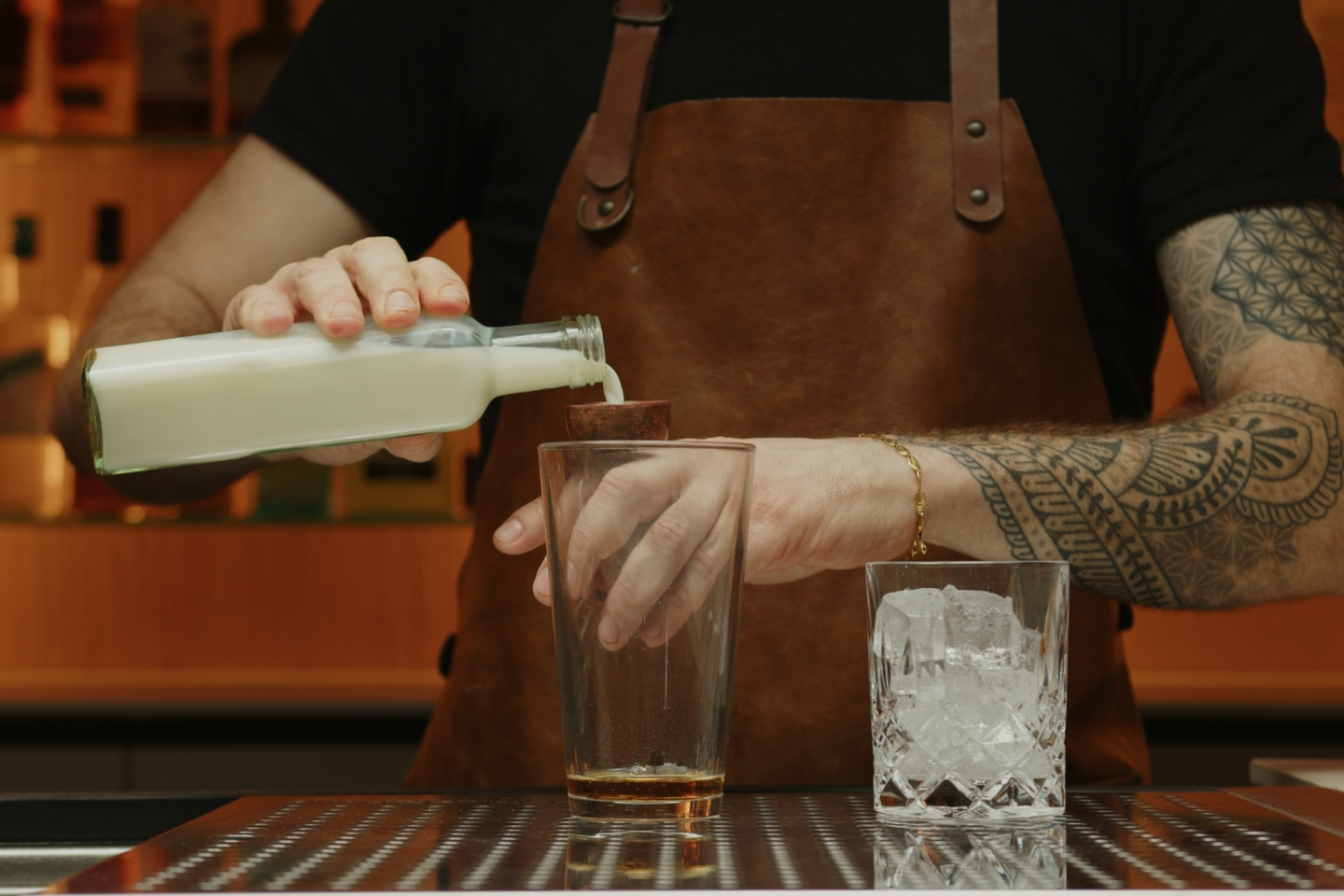
Adds creaminess to White Russians and Brandy Milk Punches. It is also used in clarified cocktails known as “milk punches”: despite the use of milk, these cocktails are perfectly translucent and have a light texture, slightly acidic texture reminiscent of the one of yogurt.
A blend of milk and cream, offering a balance of richness without being too heavy. Used in White Russians, Irish Coffees, and Brandy Alexanders.
Coconut Milk or Cream
Provides a tropical flavor and creamy texture in Piña Coladas, Coquitos, or Coconut Daiquiris. Thicker and richer than coconut milk, coconut cream adds a tropical sweetness and creaminess.
Buttermilk
Adds a tangy, slightly sour flavor and creamy texture.
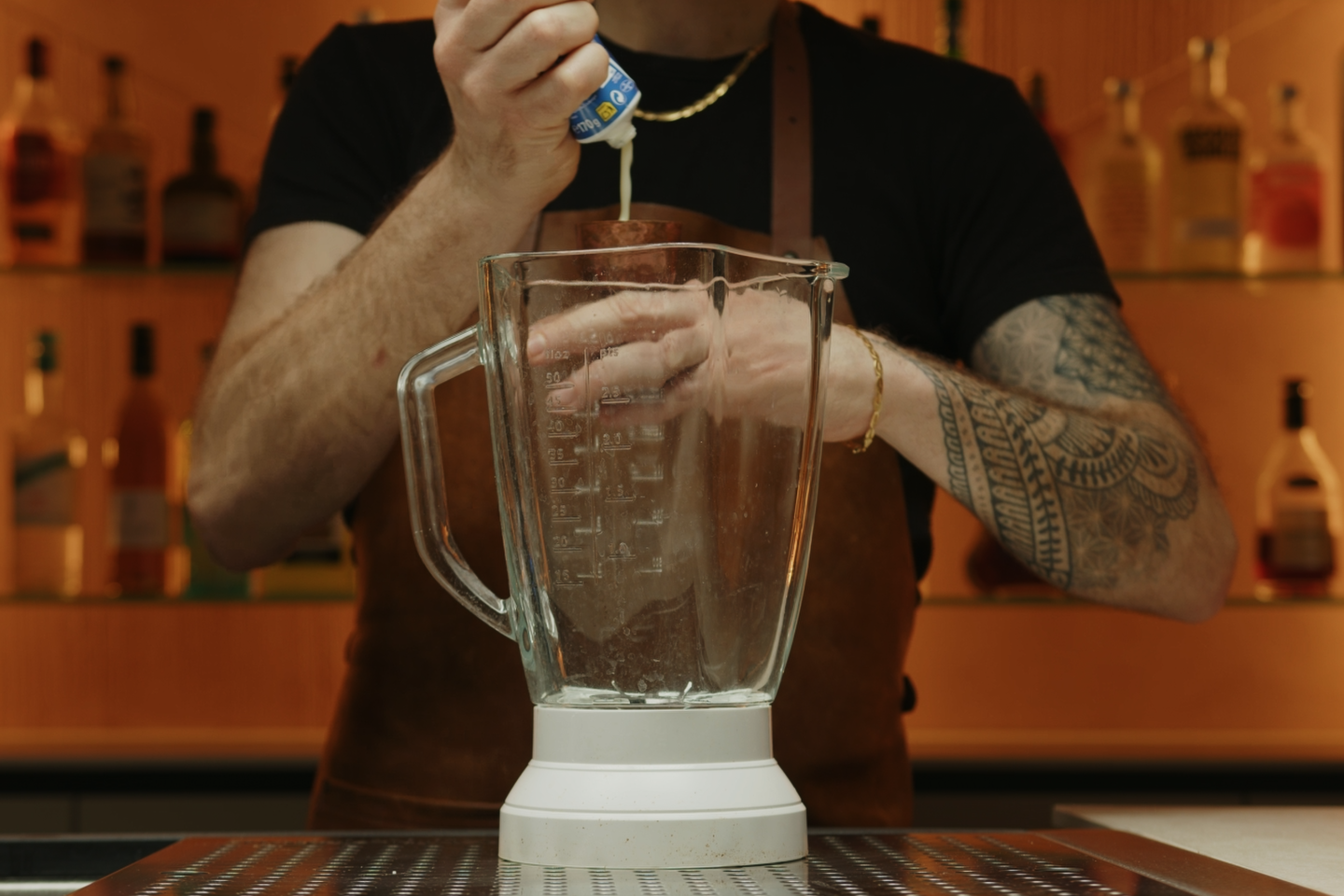
Condensed Milk
Sweet, thick, and creamy milk is used in dessert cocktails. A key ingredient for Batida cocktails.
Vegetal Milks
A non-dairy milk alternative, perfect as a substitute for milk in vegan cocktails. Popular options include:
Oat Milk
Soy Milk
Cashew Milk
Almond Milk
Rice milk
Horchata
These vegetal milks all have special characteristics in terms of taste and texture, so feel free to experiment with different types depending on the initial recipe and result you want to achieve.
Heavy Whipping Cream
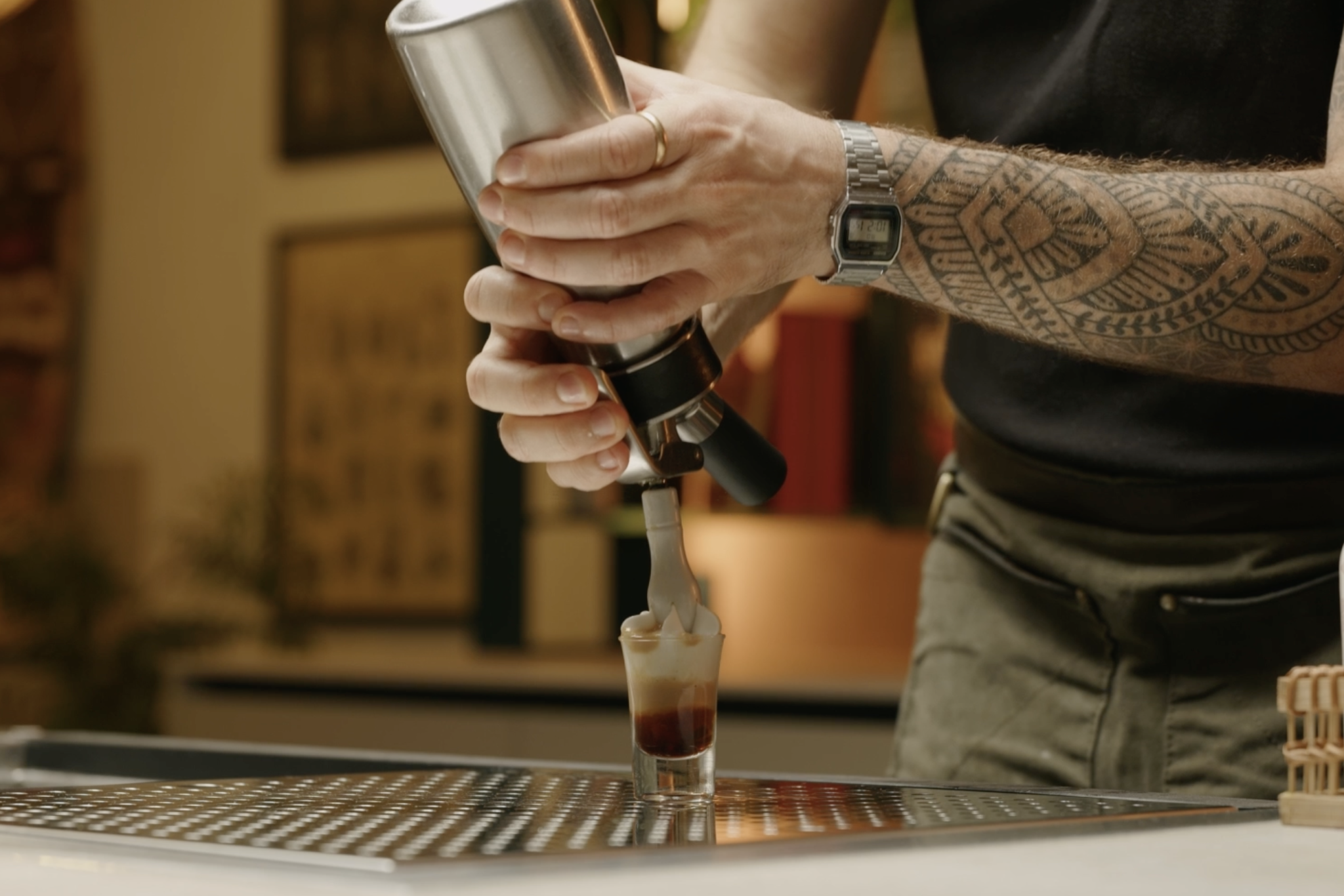
Provides a rich, velvety texture and luxurious mouthfeel. Used in classic cocktails like the Ramos Gin Fizz, and the Irish Coffee.
5. Bitters
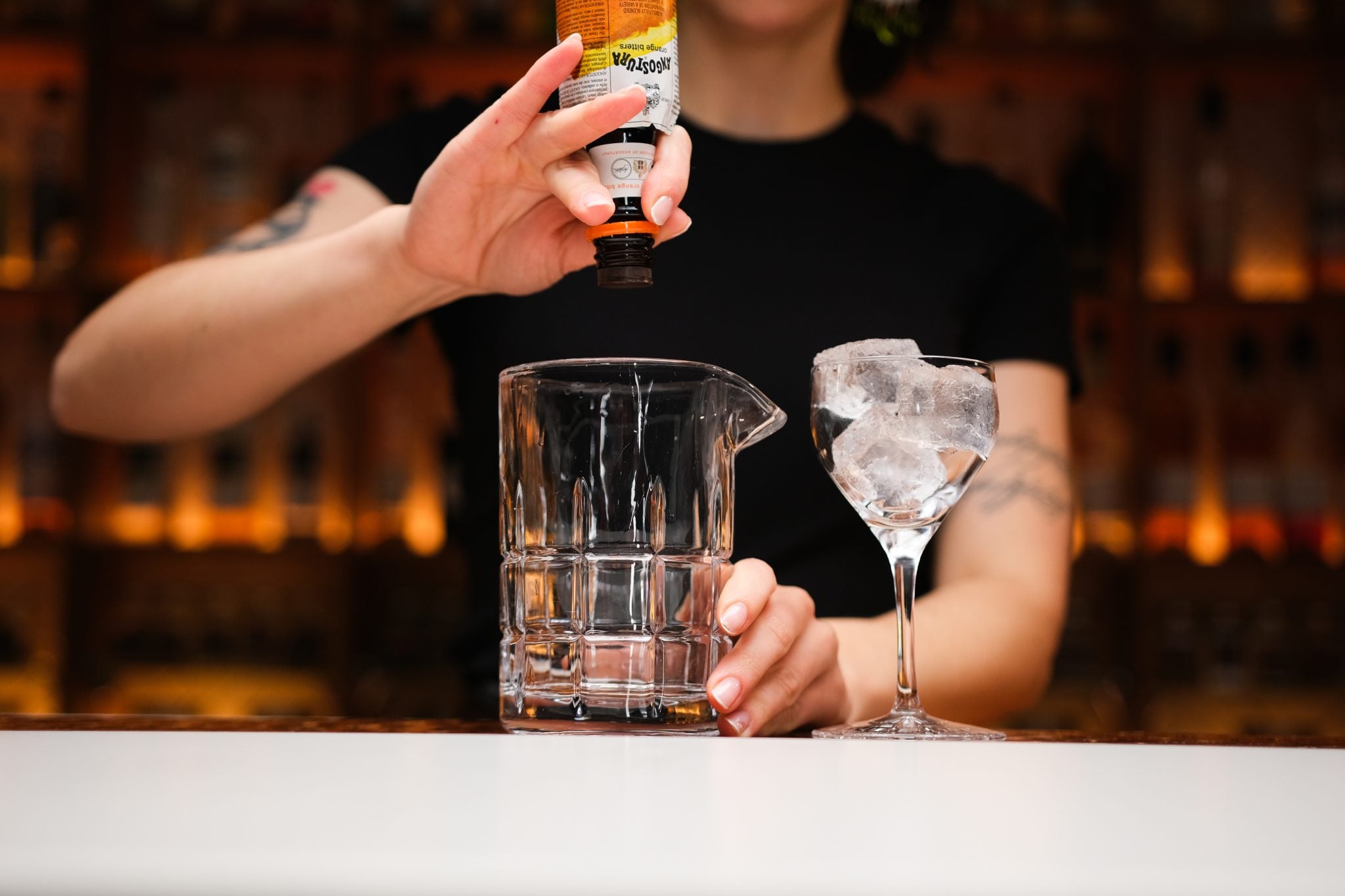
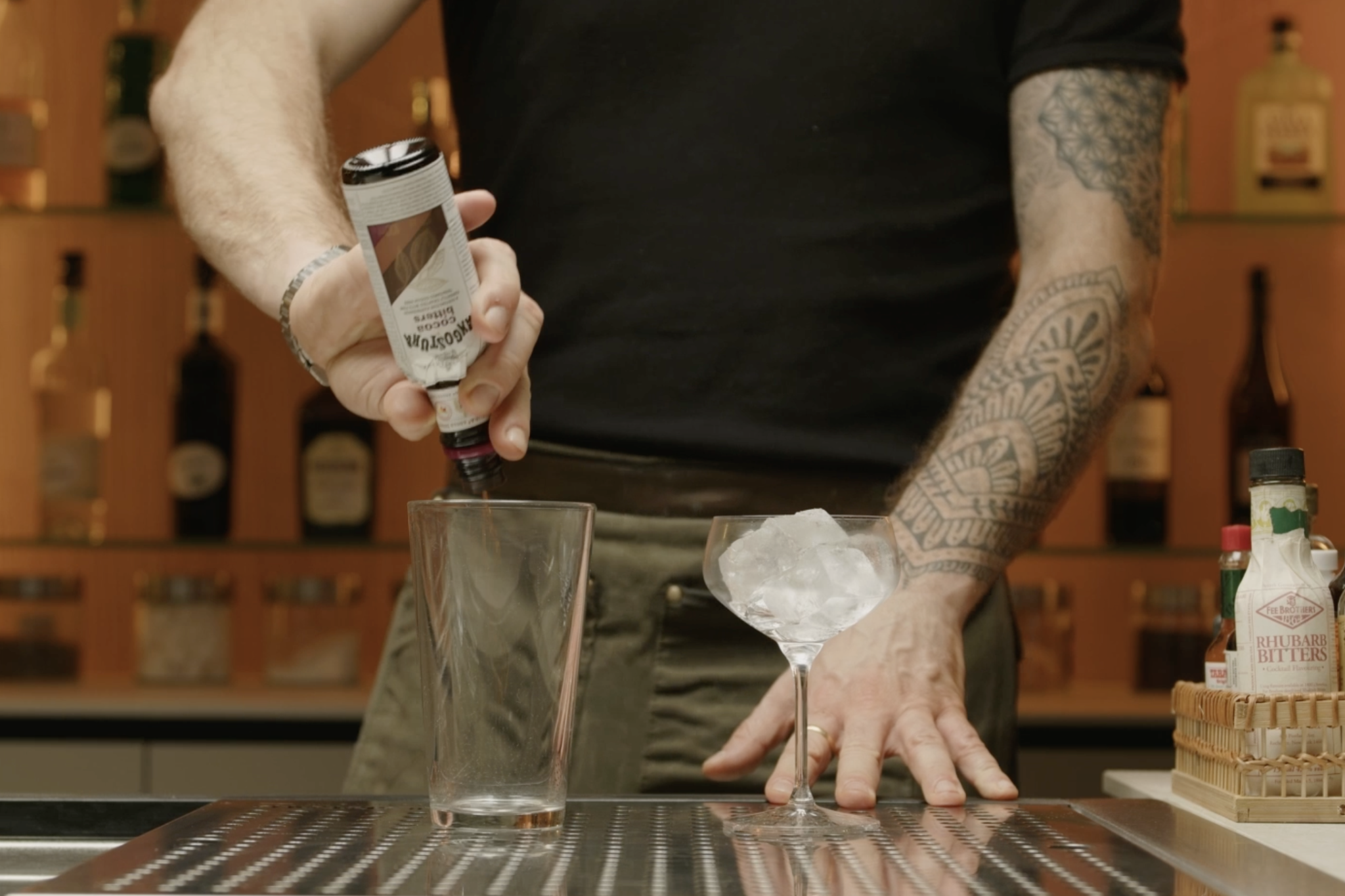
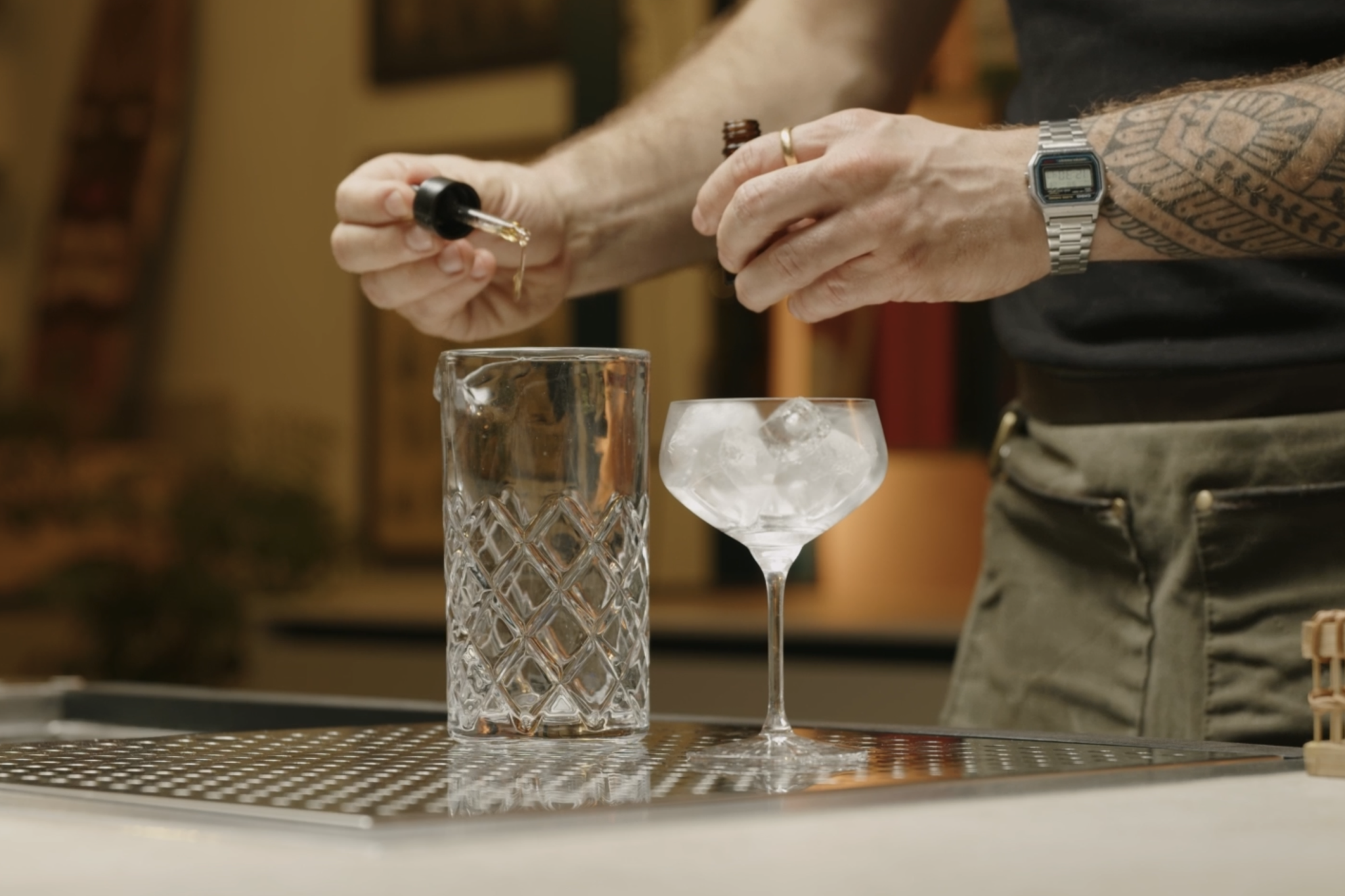
Bitters are a highly concentrated blend of herbs, fruits, spices, and roots steeped in alcohol. They’re not typically consumed on their own but are added in small amounts to cocktails to enhance flavors and add complexity. Bitters act like the seasoning in a drink.
Angostura Bitters
Angostura bitters are the most classic and well-known bitters. Made with spices like cinnamon, gentian, orange peels, cloves steeped in rum, they add spice and complexity to a lot of classic cocktails such as Old Fashioneds, Manhattans, and Pink Gins. It is also the main ingredient in a few cocktails such as the Trinidad Sour or the Trinidad Especial.
Orange Bitters
Orange bitters enhance citrus notes and bring a subtle hint of spices to drinks. Used in a lot of classic cocktails such as the Bamboo, the Francy Free, and the Martinez.
Peychaud’s Bitters
Peychaud’s Bitters, or “creole style bitters”, offer floral and light anise flavors, essential for Sazeracs, Vieux Carrés, and Seelbachs.
Chocolate Bitters
Chocolate bitters add a deep cocoa flavor with a hint of bitterness.
Celery Bitters
Celery Bitters offers a unique, savory note that pairs well with vegetable-based and savory cocktails; it is a perfect addition to a classic Bloody Mary or Red Snapper.
Cherry Bitters
Cherry Bitters provide a fruity, slightly spicy flavor, great for adding a subtle cherry note.
Lavender Bitters
Lavender bitters add a floral, slightly sweet flavor, perfect for spring and summer cocktails. A bit less common than the other kind of bitters we’ve seen so far, but it is a great addition to any bar if you happen to find some.
Grapefruit Bitters
Grapefruit bitters deliver a citrusy, bitter note with a hint of sweetness, enhancing tropical and citrus drinks.
Cucumber Bitters
Cucumber Bitters offer a fresh, vegetal flavor, ideal for adding a crisp note to light, refreshing cocktails. It is also an interesting option to explore when working on twists on a Dry or Dirty Martini.
Black Walnut Bitters
Black walnut bitters provide a rich, nutty, and slightly bitter flavor, excellent for adding depth to darker spirits.
Cardamom Bitters
Cardamom bitters add a warm, spicy, and slightly citrusy note, suitable for exotic and spiced cocktails.
Rhubarb Bitters
Rhubarb bitters deliver a tangy, slightly sweet flavor, perfect for adding a unique twist to spring and summer drinks.
Mole Bitters
Chocolate Mole bitters offer complex flavors of chocolate, cinnamon, and spices, ideal for adding a rich, savory depth.
6. Liqueurs and Flavored Spirits
While not mixers in the traditional sense, liqueurs, and flavored spirits (such as triple sec, vermouth, and amaretto) are often used in smaller quantities to add flavor, sweetness, and alcoholic strength to cocktails.
Triple Sec
Triple Sec, such as Cointreau (probably the most famous Triple Sec brand) is a sweet orange liqueur traditionally used in Margaritas, Cosmopolitans, and Long Island Iced Teas.
Vermouth
Vermouth is a fortified wine, coming in red (“sweet”) and white (“dry”) varieties. It is a key ingredient in Martinis, Manhattans, and Negronis.
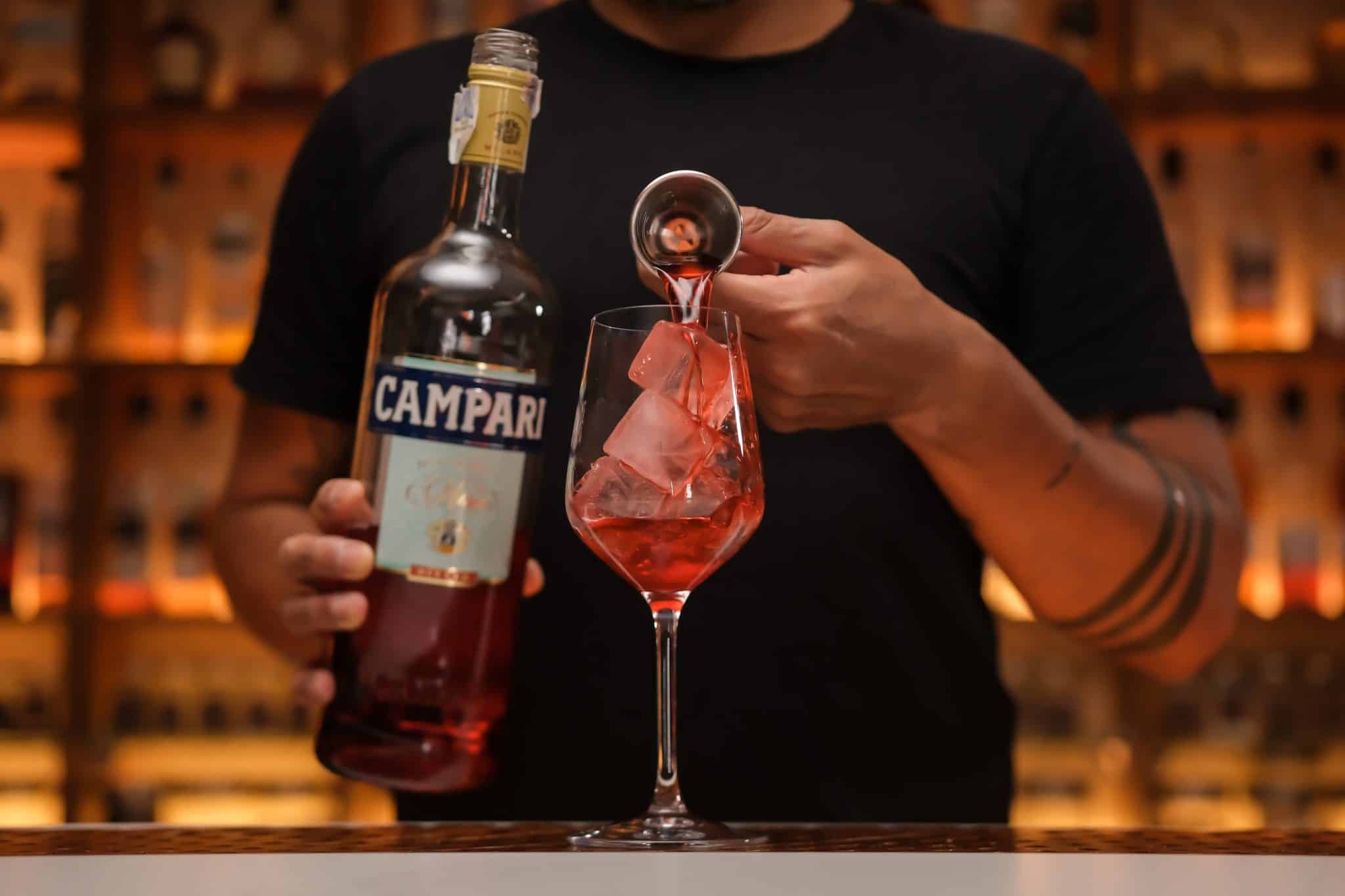
Campari is a bitter, herbal Italian apéritif known for its dark red color. Essential in Negronis, Enzoni, and Jungle Bird cocktails.
Chartreuse
Chartreuse is a French herbal liqueur with complex flavors of 130 plants. It comes in two main varieties: the yellow one (used in Naked & Famous and Monte Cassino) and the green one (used in Last Word Chartreuse Swizzle, and Bijou cocktails).
Baileys Irish Cream
Baileys Irish Cream is a creamy liqueur combining Irish whiskey with cream and chocolate. Featured in B52 and Mudslide.
Sambuca
Sambuca is an Italian anise-flavored liqueur, often served with coffee beans.
7. Water and Ice
Still Water
Sometimes used to dilute and adjust the strength of spirits in cocktails like the Japanese Mizuwari.
Sparkling Water
Sparkling water adds fizz and lightness to Spritzes, Highballs, and Collins cocktails.
Ice
Essential for chilling and diluting cocktails, used in virtually every cocktail from Margaritas to Old Fashioneds.
Dry Ice
Dry ice is used in themed or special cocktails for a dramatic, foggy effect. (Note: Handle dry ice carefully and ensure it dissipates completely before drinking. Reserve its usage to visual effects only).
Clear Ice
Clear ice provides a visually stunning element to cocktails, free of impurities and cloudiness. It is usually shaped in large cubes or spheres and presents the advantage of melting slower than regular ice cubes.
Crushed Ice
Crushed ice adds texture and cools drinks quickly, perfect for slushy and frozen cocktails. Key in Mint Juleps, Frozen Margaritas, and Tiki cocktails like the Mai Tai or Zombie.
Learn more about ice with following Drinksworld articles:
We use cookies or similar technologies for technical purposes and, with your consent, for other purposes as specified in the cookie policy. Use the “OK” button to consent or customize and deny your consent.
Functional Always active
The technical storage or access is strictly necessary for the legitimate purpose of enabling the use of a specific service explicitly requested by the subscriber or user, or for the sole purpose of carrying out the transmission of a communication over an electronic communications network.
Preferences
The technical storage or access is necessary for the legitimate purpose of storing preferences that are not requested by the subscriber or user.
Statistics
The technical storage or access that is used exclusively for statistical purposes.The technical storage or access that is used exclusively for anonymous statistical purposes. Without a subpoena, voluntary compliance on the part of your Internet Service Provider, or additional records from a third party, information stored or retrieved for this purpose alone cannot usually be used to identify you.
Marketing
The technical storage or access is required to create user profiles to send advertising, or to track the user on a website or across several websites for similar marketing purposes.