Vermouth is a key ingredient in some of the most iconic cocktails, thanks to its unique profile as a fortified wine infused with herbs and botanicals.
Vermouth has a slightly bitter taste with hints of spice, sweetness, or dryness. Popular types include sweet (red) and dry vermouth, with white (bianco) vermouth becoming increasingly popular, especially among millennials.
One reason vermouth is seeing such a boost in popularity is its role in low-alcohol cocktails. With an ABV of 15-18%, it adds depth and complexity without the high alcohol content of spirits like gin or vodka.
Beyond the classics, vermouth is great in simpler mixed drinks. Add it to soda or tonic, or just a twist of citrus for an easy sipper. It’s an ingredient that stands out on its own or blends seamlessly into cocktails, perfect for almost any cocktail mood.
28 Best Vermouth Cocktails with Easy Recipes
Take a look at our Vermouth cocktail lineup! These drinks show off how this aromatic wine can take a cocktail from ordinary to unforgettable. Simple, tasty, and full of character—there’s a Vermouth mix here for every vibe
Martini
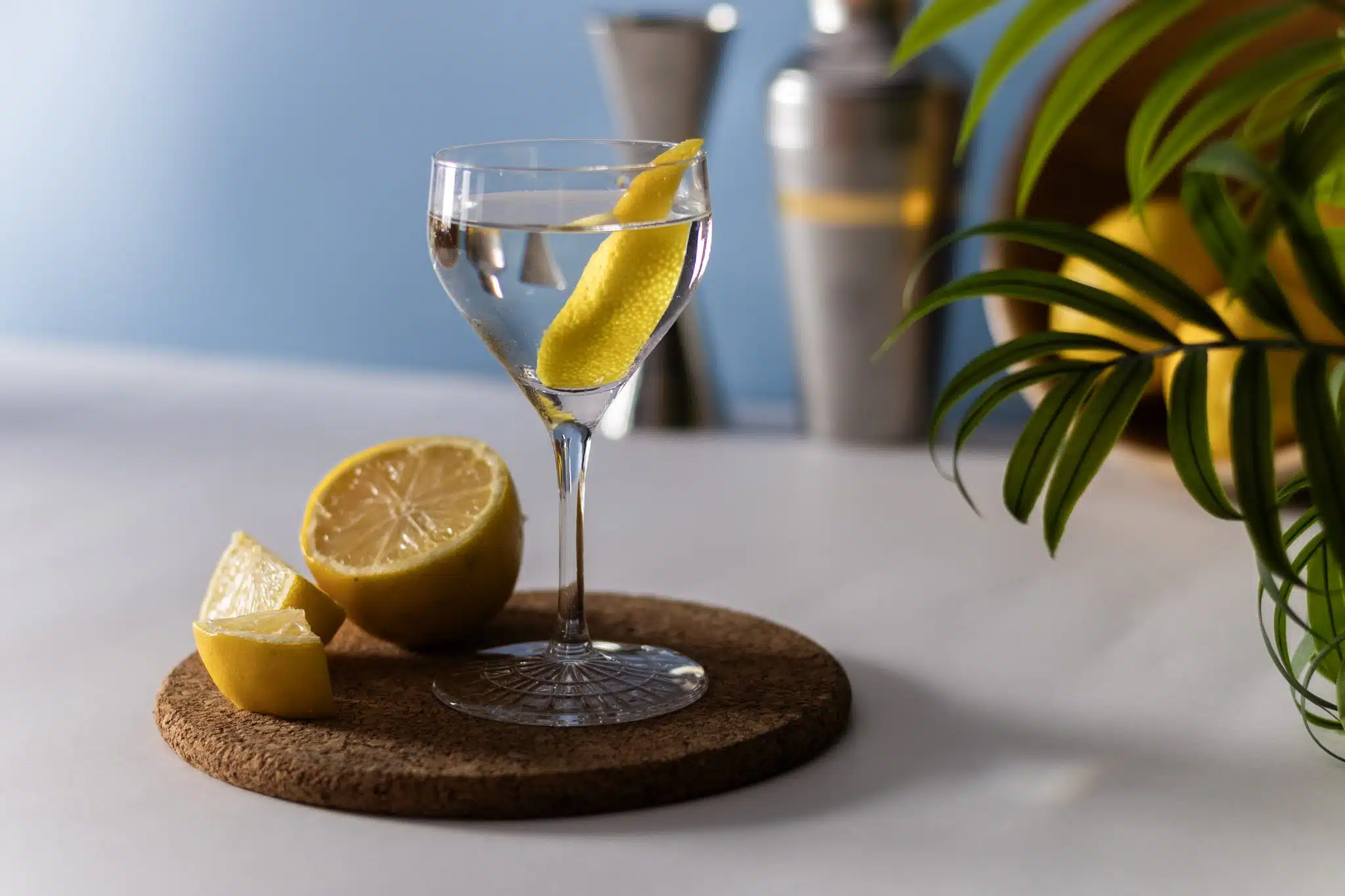
The classic Martini is a no-fuss cocktail with a stylish edge. It’s forever linked to James Bond but has popped up in countless other movies and books. While its origins are a bit hazy, one thing’s for sure—the Martini’s clean, crisp taste has kept it a favorite in bars everywhere. Going for a dry or extra dry martini means using less vermouth. A wet Martini has more vermouth than its dry counterpart, often with a ratio of 3 parts gin to 1 part vermouth. A dirty martini adds alive brine to the mix.
Learn more about Different Options to Order a Martini at a Bar and Different Types of Martinis
Manhattan
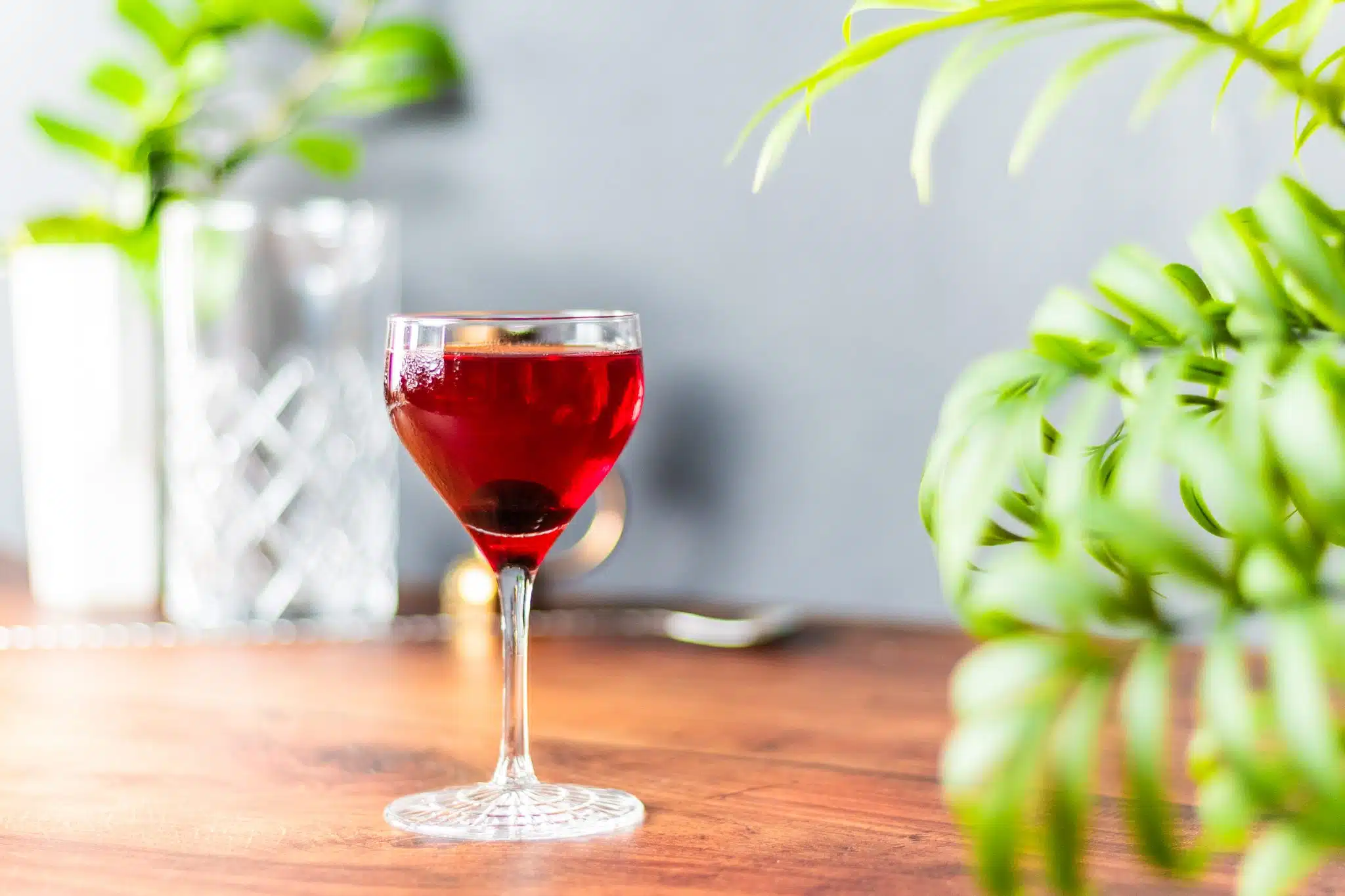
Manhattan’s origin takes us back to 19th century New York City, with a debatable story tied to a party thrown by Winston Churchill’s mother. While the authenticity of this tale is contested, Manhattan itself has persistently remained a popular cocktail choice. It masterfully combines the boldness of whiskey with the sweet and herbal notes of vermouth, creating a balanced, timeless drink.
Negroni
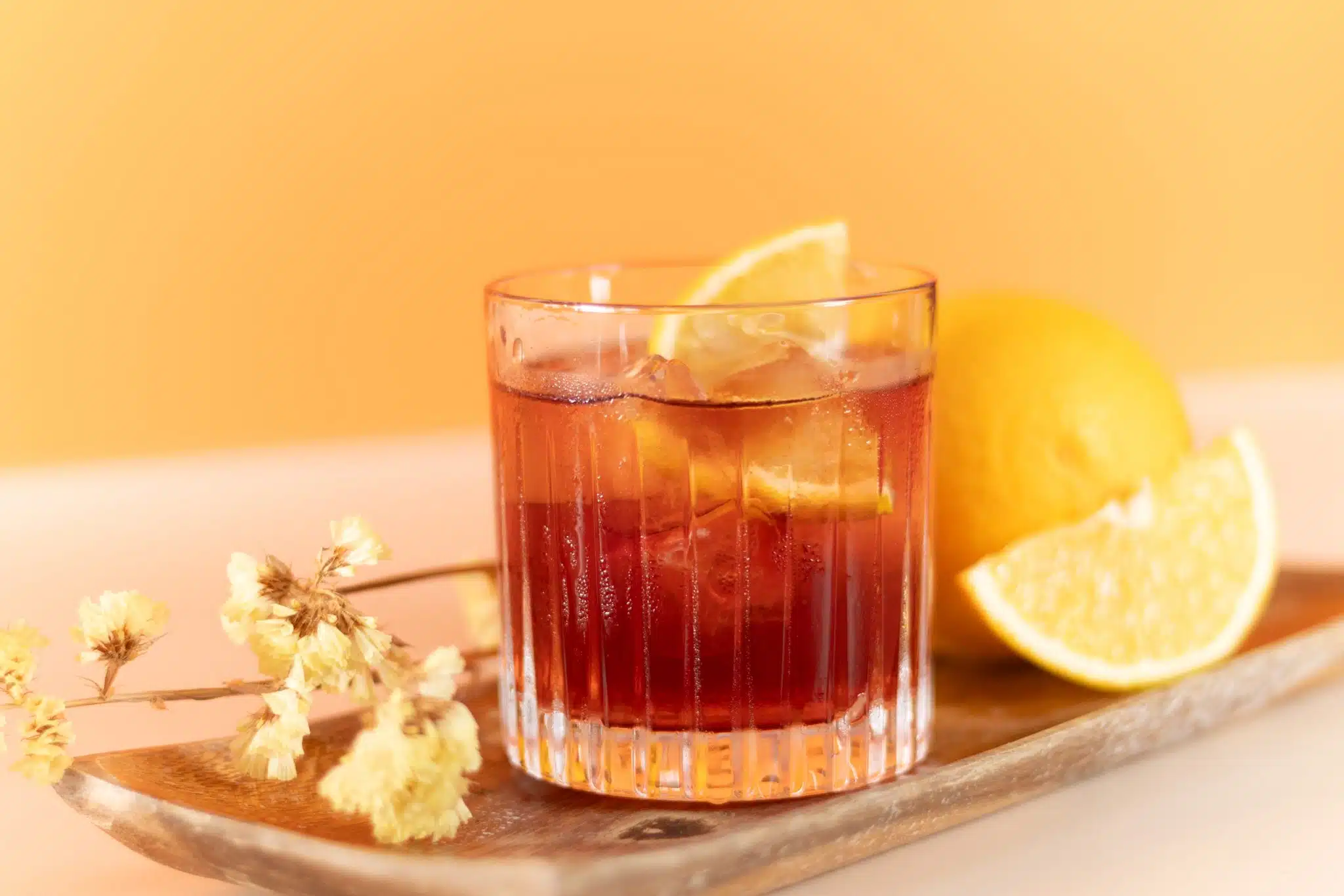
The Negroni from Italy is known for its strikingly balanced bittersweet profile. It’s said that the cocktail was invented when Count Camillo Negroni requested his Americano (a different cocktail) to be strengthened, which was achieved by replacing the soda water with gin. With its red hue and marriage of bold and bitter flavors from the Campari and the sweet, herbal notes from the vermouth, the Negroni offers a tasty sip and carries a dash of Italian history.
Dry Rob Roy
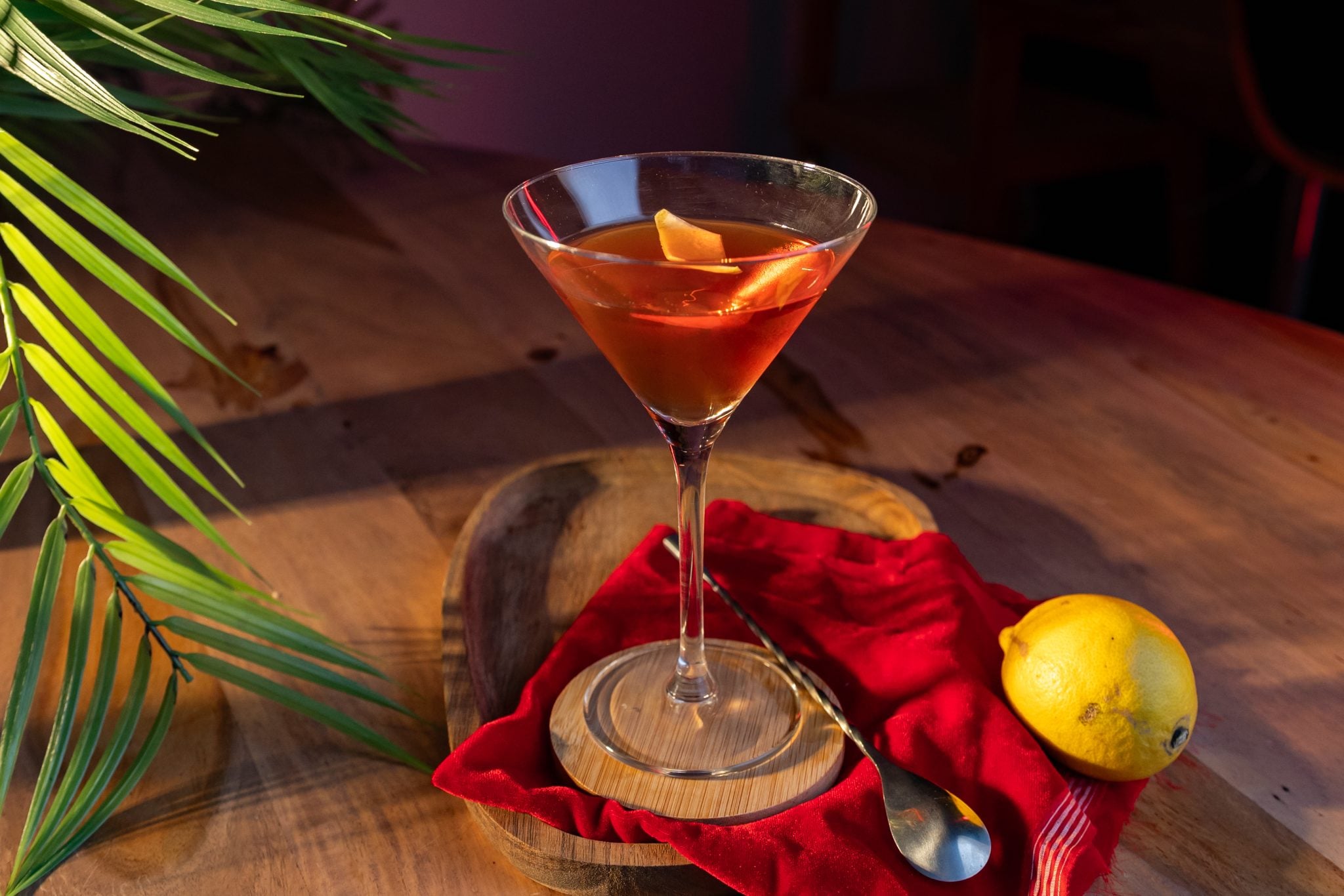
The Dry Rob Roy is often called the Scotch whisky version of the Manhattan, bringing its distinctive smoky and robust characteristics to the table. It’s named after the Scottish folk hero Robert Roy MacGregor and replaces the more commonly used rye whiskey in Manhattan with Scotch. The dry version uses dry vermouth, offering a lighter and more understated sweetness than its sweet counterpart.
Americano
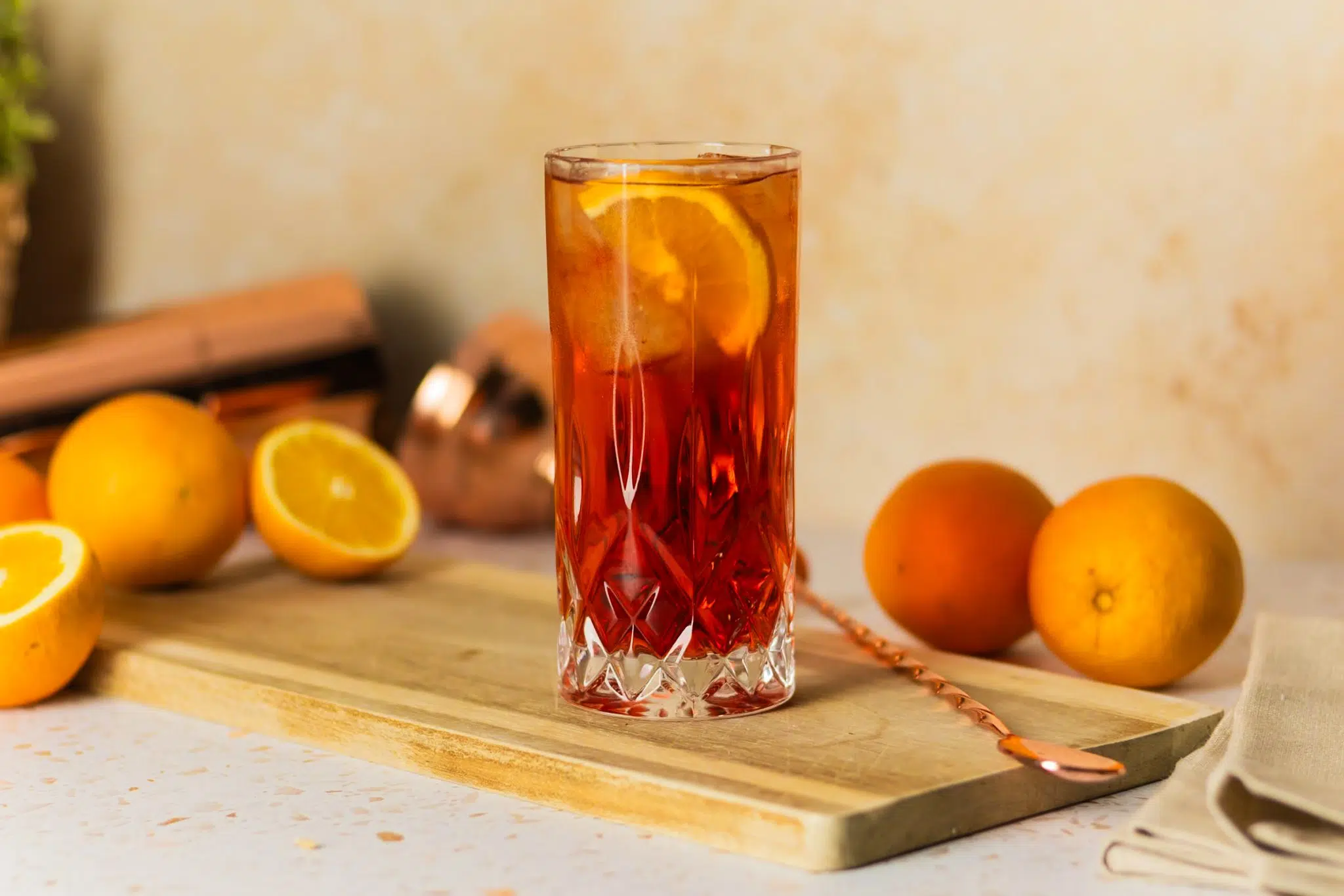
This one should not be confused with the coffee preparation method. The Americano cocktail is light and refreshing and is famous for being the precursor to the Negroni. It was invented in Italy and it is a spin-off of the “Milano-Torino” a drink called after its primary ingredients: Campari from Milan and sweet vermouth from Turin. It is called Americano because of its popularity among American tourists during prohibition. The Americano offers a balanced bittersweet taste, making it an ideal aperitif that stimulates the appetite before a meal.
El Presidente

El Presidente gives us a taste of Cuba’s rich and colorful history. Believed to have originated in the 1920s in Havana, this cocktail was reportedly named in honor of President Gerardo Machado. It gained considerable fame during Prohibition as Americans flocked to Cuba to enjoy the delights barred in their homeland. The subtle sweetness of the vermouth delicately contrasts with the rum, creating a smooth and mildly sweet cocktail with a hint of fruitiness from the orange curaçao.
Hanky Panky

In the early 20th century, Ada Coleman, the head bartender at The American Bar in The Savoy Hotel, London, crafted the Hanky Panky for a famous actor, Sir Charles Hawtrey. Upon trying the cocktail, Hawtrey reportedly exclaimed, “By Jove! That is the real hanky-panky!” The cocktail is a charming blend of gin and sweet vermouth, with a dash of Fernet Branca, a bitter, aromatic liqueur that hints at complexity and an intriguingly herbal aftertaste.
Martinez
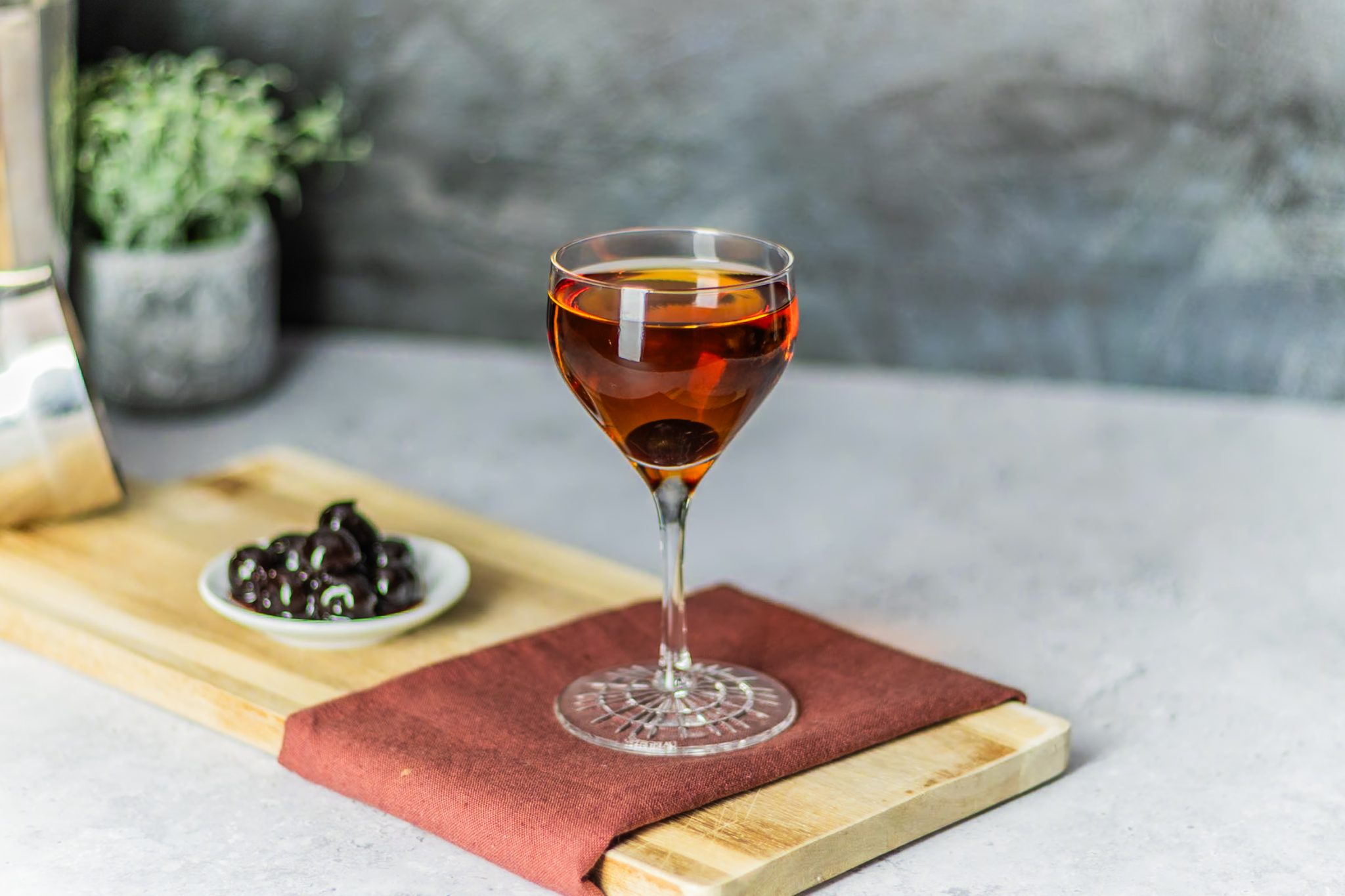
With a debatable origin story that often links back to the classic Martini and the Manhattan, the Martinez is a slightly sweeter, more robust cocktail. Some tales hint that bartender Jerry Thomas crafted it in the 19th century for a visitor bound to Martinez, California. The cocktail stands out with its use of Old Tom Gin, a slightly sweeter version of gin, combined with the rich and herbal sweet vermouth, producing a complex yet balanced flavor profile.
Bamboo

The Bamboo cocktail dates back to the late 19th century and is believed to have originated in Japan. It cleverly unites vermouth and dry sherry, creating a crisp and slightly nutty flavor profile. The Bamboo avoids strong spirits, making it an excellent choice for those who prefer their cocktails to be lower in alcohol while offering a refined and delightful experience.
Bronx

The Bronx is a gin Martini with a juicy twist originating from the early 20th century. This cocktail is named after the famous New York City borough, though why it was named so remains a mystery. It introduces orange juice into the mix, giving the dry and botanical notes of the gin and vermouth a vibrant and fresh citrusy uplift, making it a spirited and lively cocktail akin to the borough it’s named after.
Adonis
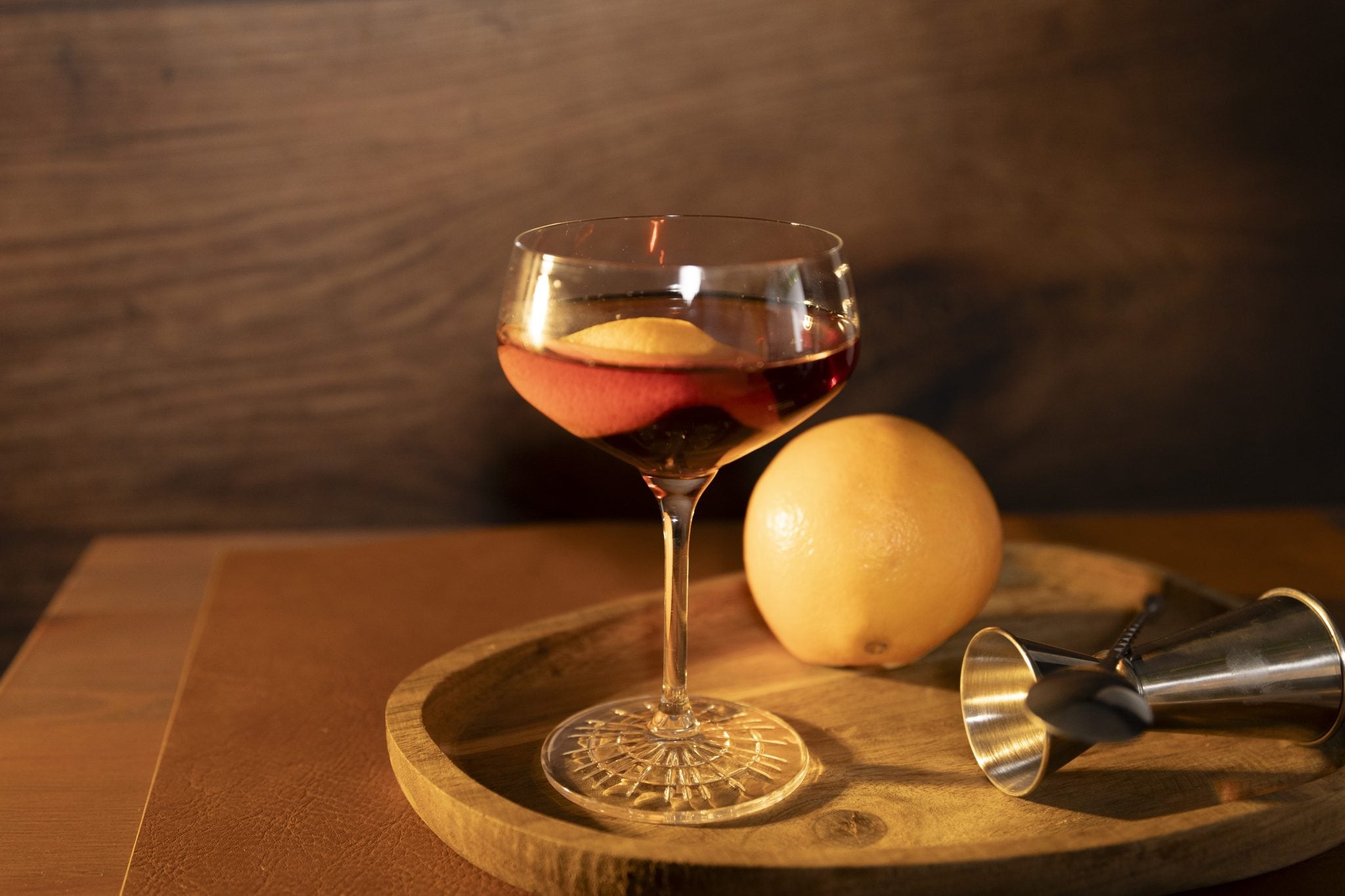
The Adonis, a cocktail named after the first Broadway show to run for more than 500 performances, emerged during the 1880s. This sherry and vermouth blend offers a lower-alcohol option with light flavors, slightly nutty from the sherry and subtly sweet and herbal due to the vermouth.
Blackthorn

The Blackthorn is a gin cocktail that blends the flavors of gin with the sweet and herbal notes of vermouth. Unlike the better-known Irish version with Irish whiskey, the English variant has gin as its primary spirit. This leads to a brighter and somewhat sweeter sipping experience.
Vieux Carré

This drink has its name from the French term for New Orleans’s French Quarter. The Vieux Carré was developed in the 1930s at the city’s famous Carousel Bar at the Monteleone Hotel. It melds the spicy-sweet essence of rye whiskey with the herbal notes of vermouth and the mellow sweetness of cognac.
Tuxedo No.2
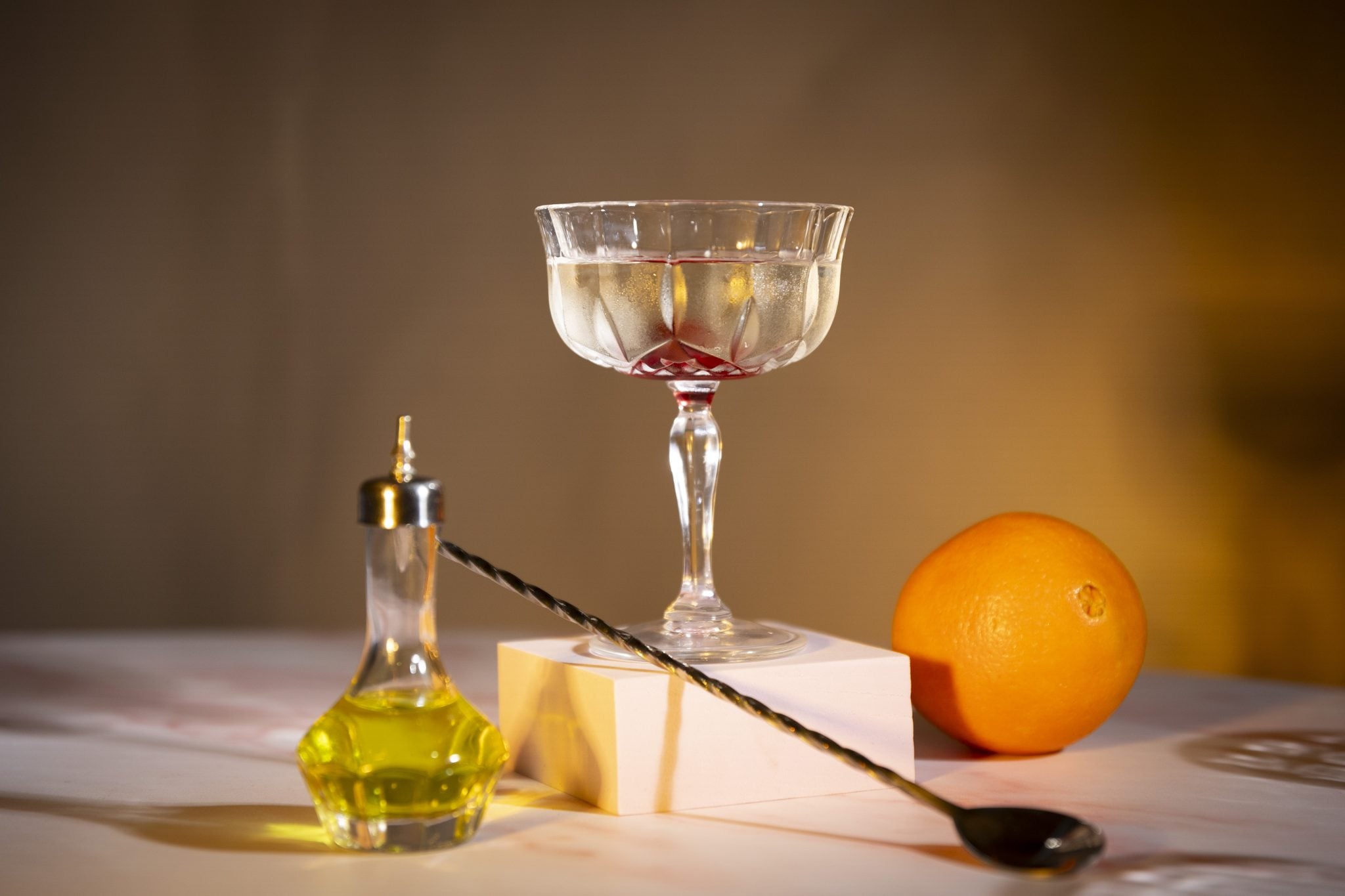
The Tuxedo No.2 is like a Martini but with a smooth twist. It’s not named after fancy clothes but after the Tuxedo Club, a private member-owned country club in the village of Tuxedo Park, New York. This drink mixes the clear taste of gin with the strong flavor of vermouth. A touch of maraschino liqueur gives it a slight cherry sweetness.
50/50 Martini
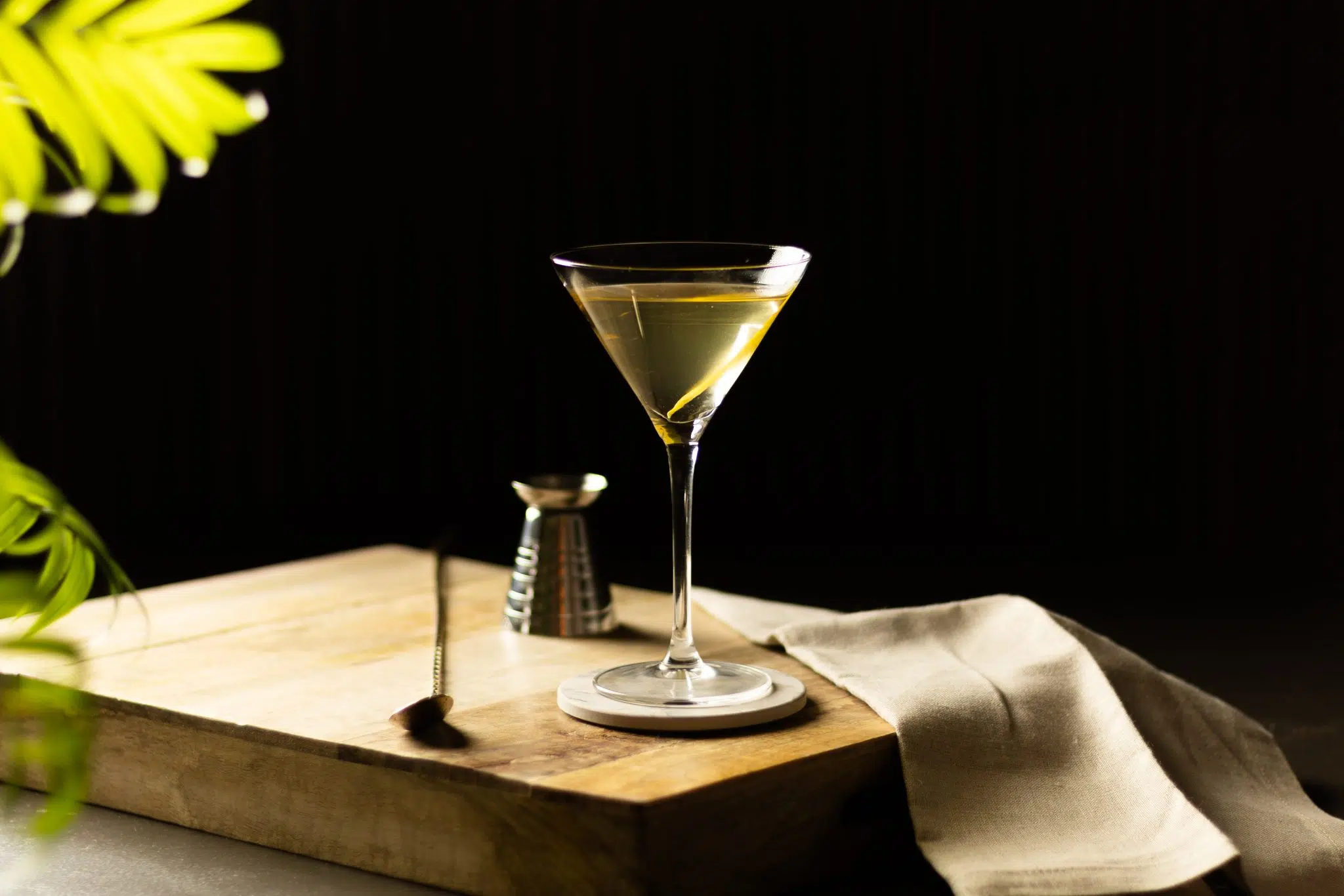
The 50/50 Martini is named because it’s made with equal parts of gin and vermouth. This combination lets the vermouth’s slightly sweet and herbal flavors come through, balancing well with the gin. It’s a different take on the classic Martini, offering a smoother and well-mixed taste.
Gibson

The Gibson stands out because of its unique garnish: a pickled onion. While it’s similar to a Martini, this twist makes it special. There’s a story about an artist named Charles Dana Gibson who once dared a bartender to make a better Martini, and the Gibson was born. It offers a mix of classic and tangy flavors.
Palmetto

The Palmetto mixes the deep taste of dark rum with the herbal hints of vermouth. Even though not many know its whole history, it’s liked for its simple mix. The vermouth makes the rum a bit lighter, giving a pleasant and sweet drink.
Chrysanthemum

The Chrysanthemum is a unique drink that’s not as well-known but stands out because of its absinthe ingredient. Made in the early 1900s, it combines the strong taste of absinthe with smooth vermouth. The result is a drink that’s a mix of herbal, floral and anise flavors.
The Tipperary

The Tipperary is named after a place in Ireland and showcases Irish whiskey. Made in the 1910s, it balances the strong taste of whiskey with sweet vermouth and the special taste of Green Chartreuse.
Sweet Martini
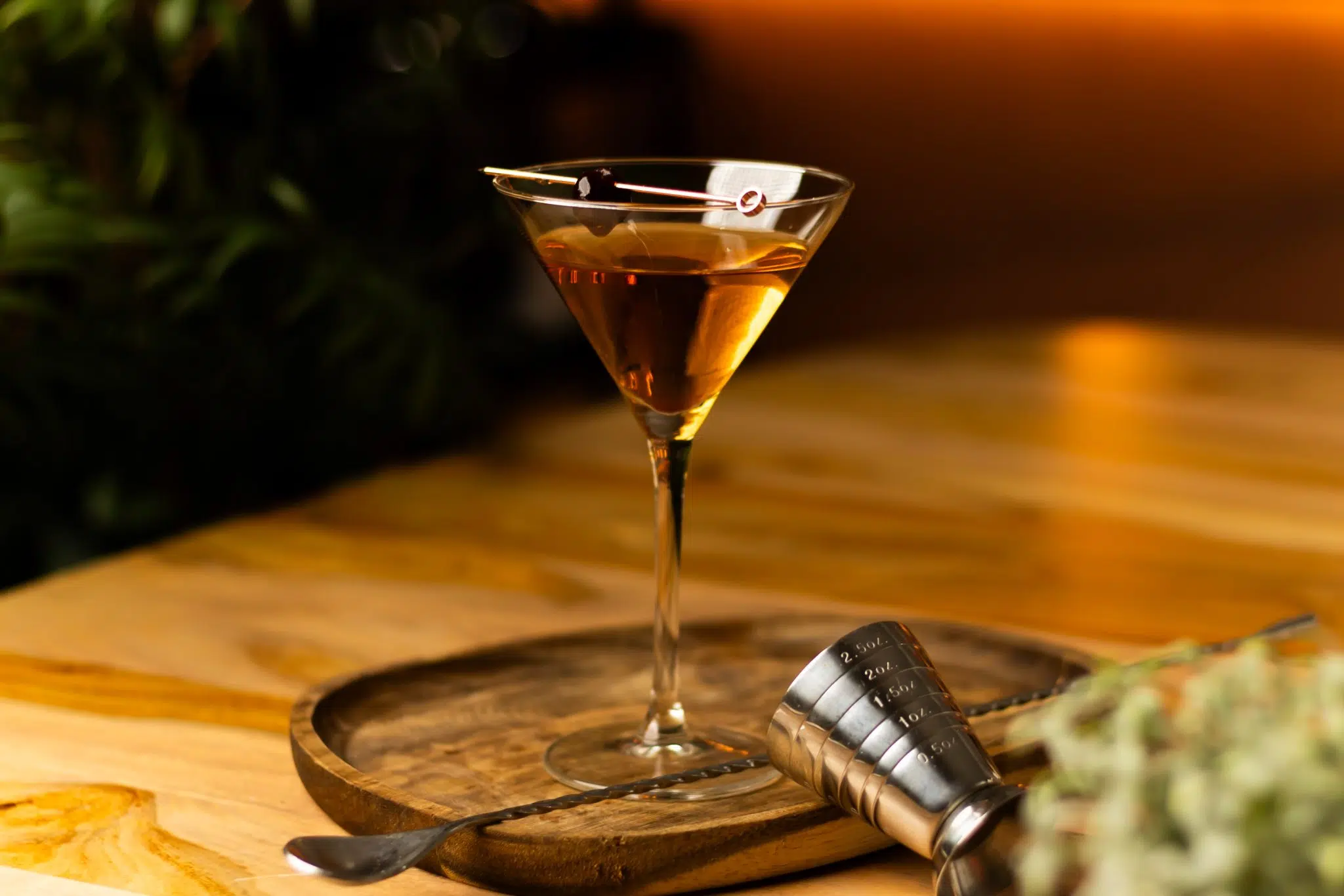
The Sweet Martini is a bit softer twist on the classic Martini. Instead of dry vermouth, it uses sweet vermouth. This change gives a calm drink, a bit herbal and, yes, sweeter. It’s a good choice for those new to Martinis, as it’s more on the sweet side.
Perfect Martini

The Perfect Martini is a twist on the classic Martini. It’s called “perfect” because it uses dry and sweet vermouth in equal parts. This mix makes it balanced, not too sweet or dry and is a great choice for those who like a smooth drink.
Dubonnet Cocktail

The Dubonnet Cocktail is about the special wine called Dubonnet, a fortified wine that mixes wine, herbs, spices, and quinine. Queen Elizabeth II liked it. The drink mixes the herbal taste of Dubonnet with gin, making it a rich and refreshing drink.
Affinity
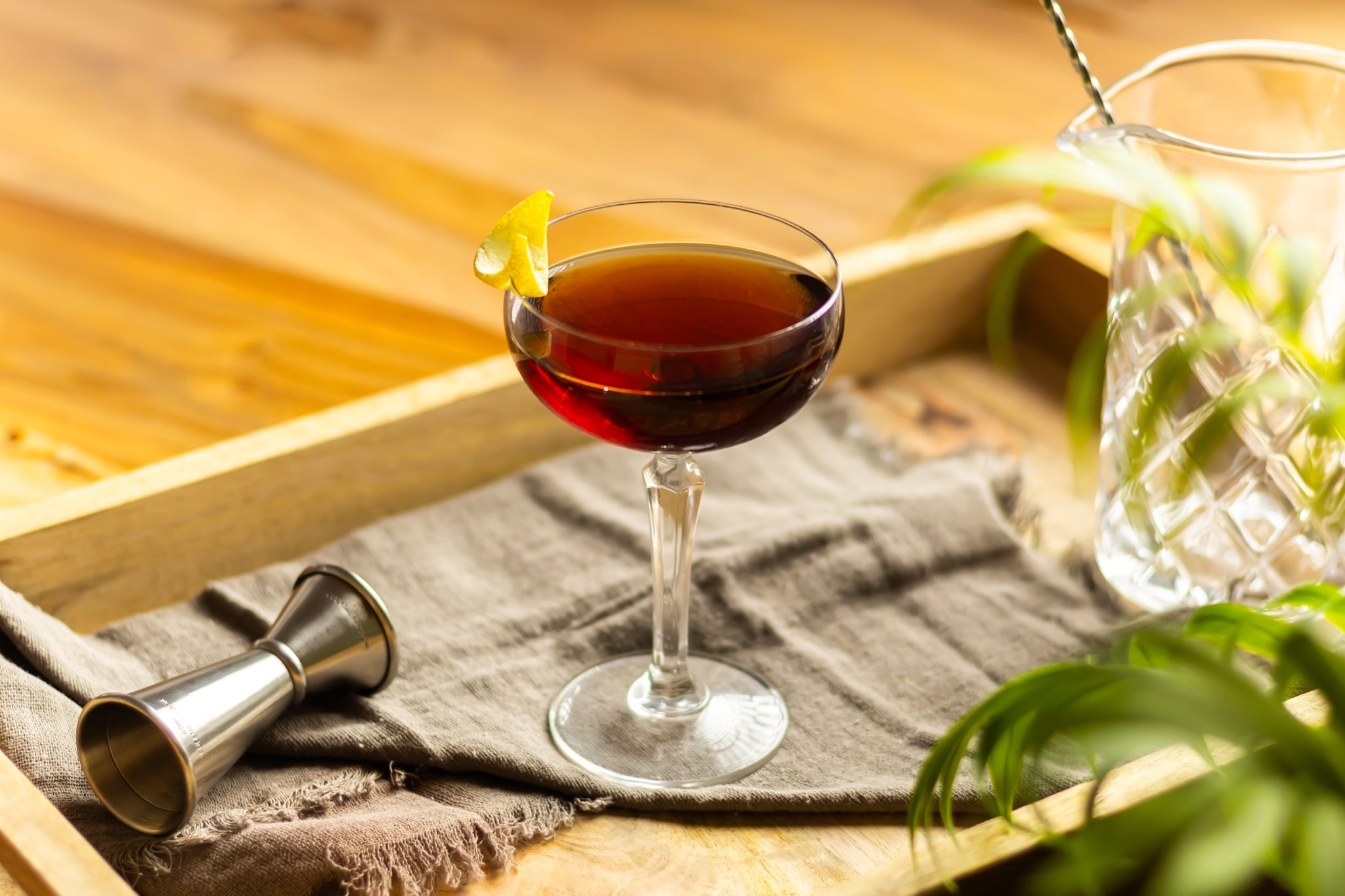
The Affinity is a drink that’s mainly about Scotch whisky. It’s a Manhattan but uses dry and sweet vermouth. Made in the early 1900s, it mixes the strong taste of Scotch with vermouth, giving a strong and smooth drink.
Satan’s Whiskers
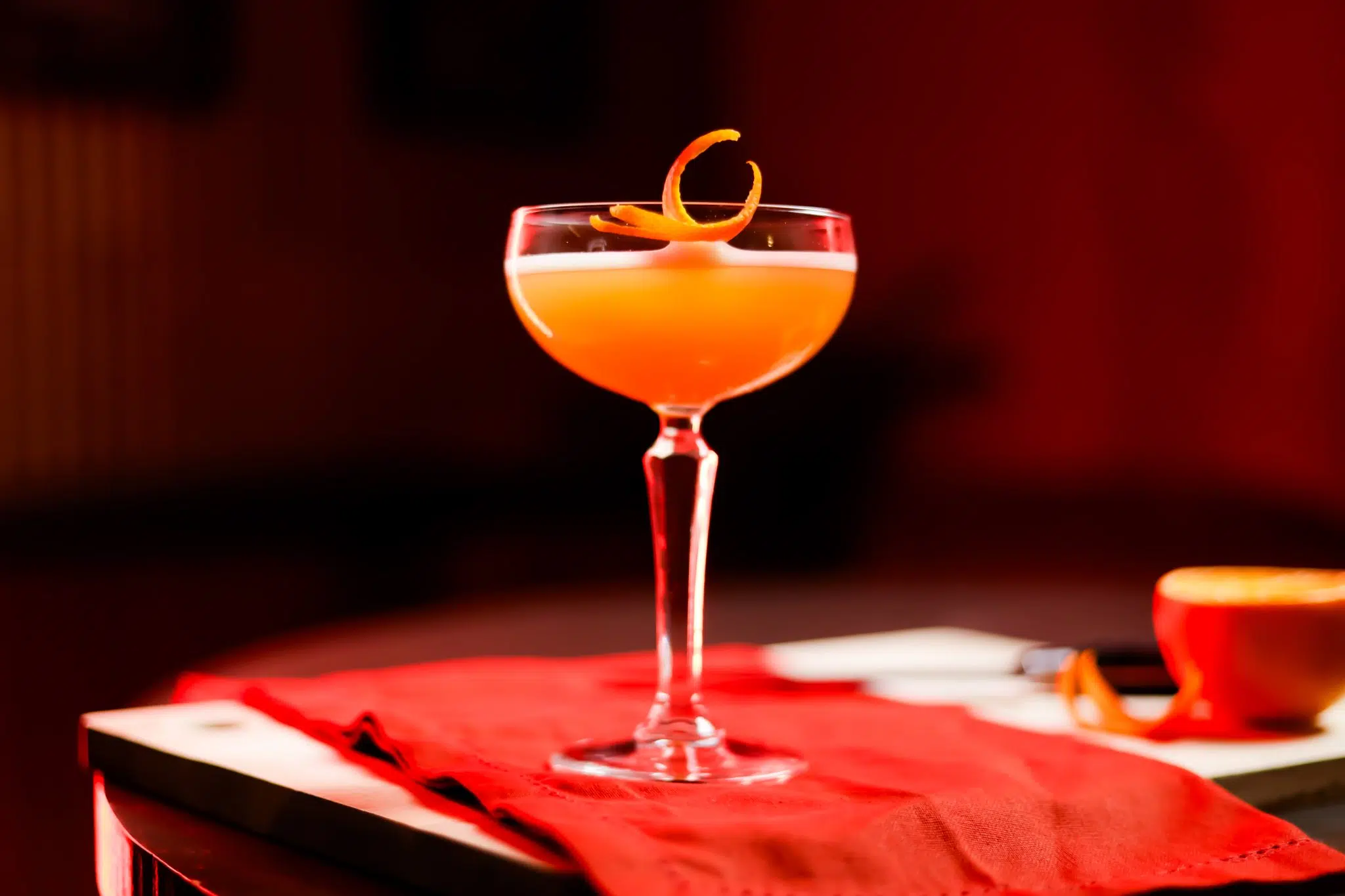
With a fun name like Satan’s Whiskers, this drink mixes gin, vermouth, and orange flavors. Where it comes from is a mystery, but it’s a mix of sweet, bitter, and a little bit of citrus. It’s a drink that’s exciting and a bit cheeky.
The Opera

The Opera is a drink that mixes gin, Dubonnet, and a cherry flavor from maraschino liqueur. It was first made in the early 1900s and is a mix of herbal, sweet, and strong flavors. It’s a smooth drink with a kick.
Vermouth Cassis
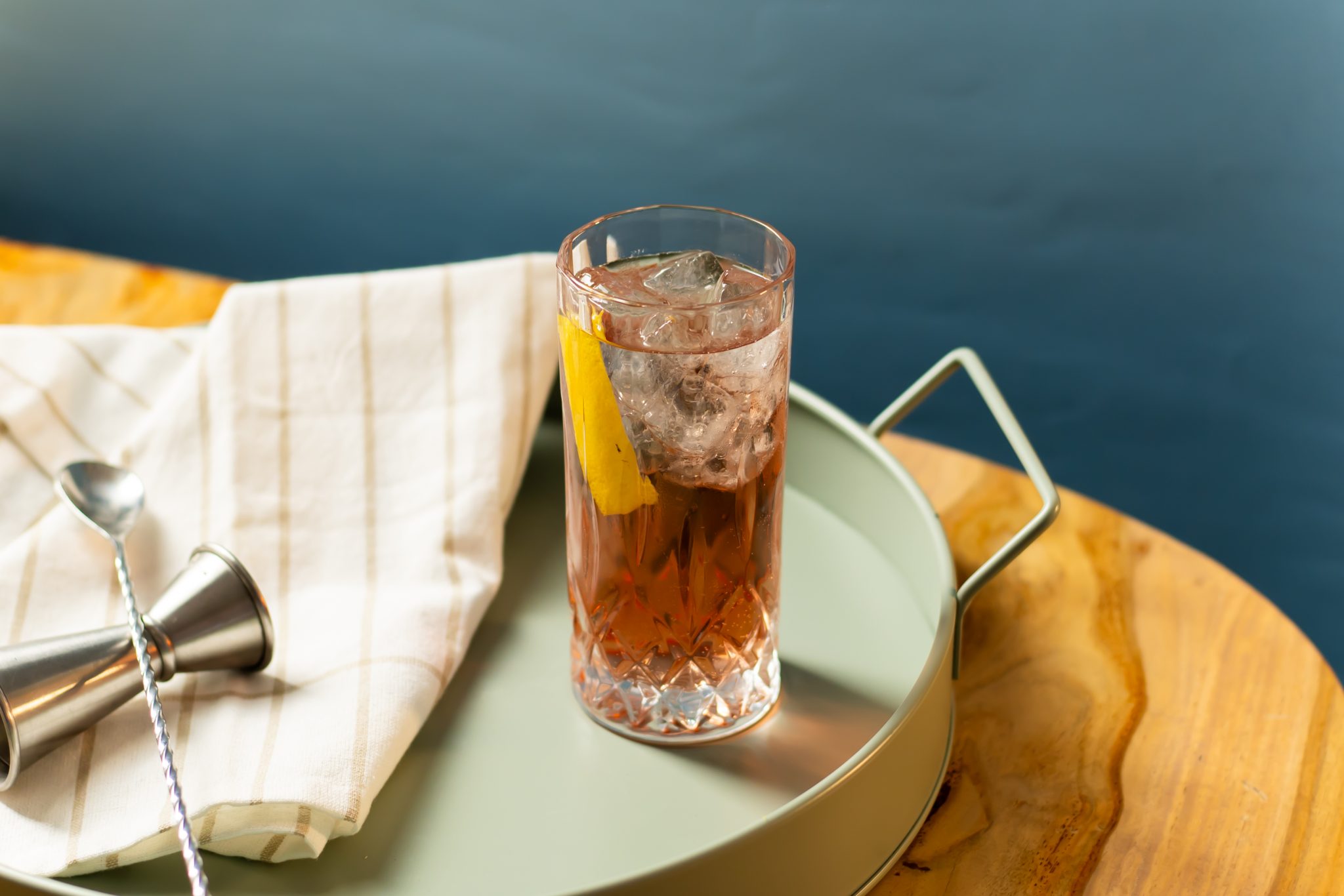
Vermouth Cassis speaks to those who appreciate their drink’s simplicity and refreshing, fruity notes. This cocktail, popular particularly in France, combines vermouth with crème de cassis (a blackcurrant liqueur), offering a splendidly light and refreshing cocktail.
Negroni Sbagliato
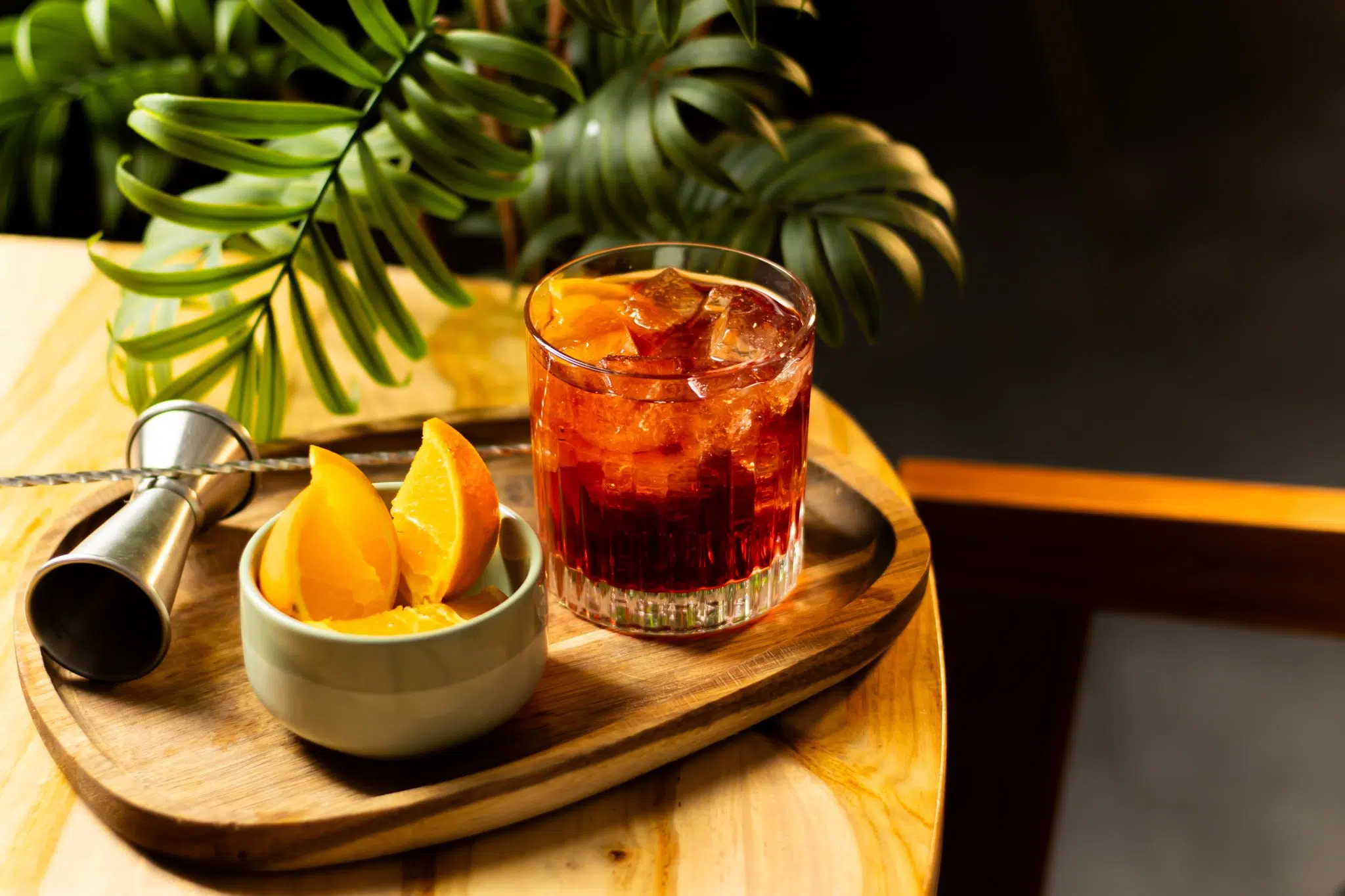
Negroni Sbagliato, translating to “Mistaken Negroni” in Italian, was reportedly created when a bartender accidentally used sparkling wine instead of gin while making a Negroni. The resulting cocktail, however, was far from a mistake, offering a lighter, bubbly version of the classic, with the vermouth contributing its signature sweet and herbaceous character.
Boulevardier

The Boulevardier is often called a whisky Negroni, substituting gin with bourbon. This cocktail melds the warm, slightly sweet character of bourbon with the bitter and sweet aspects of Campari and vermouth, respectively, offering a robust, well-rounded cocktail that’s both comforting and complex.
If you are interested in more cocktail recipes; check out our top cocktails page.
Top 5 vermouth brands to use in cocktails
We’ve picked and tried various Vermouth brands for our list, each standing out for its unique flavor and quality. These are the brands we always reach for, perfect for both classic and modern Vermouth-based cocktails.
Martini & Rossi
Martini & Rossi, often just called Martini, is a big name for vermouth. It comes from Italy and is famous for being the main ingredient for the special Martini in James Bond movies. They make different types of vermouth, from sweet to dry, which lets bartenders get creative with all kinds of drinks.
Cinzano
Cinzano is from Turin, Italy, and they’ve been making vermouth since 1757. They blend tradition and expertise into every bottle. One of their famous ones is Cinzano Rosso, which is liked for its mix of sweet and herbal tastes. Cinzano is a go-to for many classic drinks because of its rich taste.
Noilly Prat
Noilly Prat comes from the South of France and brings a slightly maritime character derived from its unique aging process near the sea. They’re famous for their Original Dry vermouth, which mixes herbs and spices. Drinking it feels like a trip to a sunny beach in France.
Carpano Antica Formula
Carpano Antica Formula is known for its strong vanilla taste and deep flavors. It’s a top sweet vermouth from Turin, Italy, and it’s assumed to be the first ever made. Its rich flavors, from dried fruits to spices, make it a top pick for fancy drinks.
Dolin
Dolin comes from the French Alps and is liked for its light and slightly sweet vermouth. They make red and dry types, and both taste soft and flowery. Dolin is great for drinks because it adds to them without taking over. It can be the main part of a drink or a small part that makes it better.
Do angostura aromatic bitters play a role in vermouth cocktails?
Yes, Angostura aromatic bitters play a key role in many vermouth cocktails. Bitters, made from tropical herbs and spices, add depth and a balancing bitterness to enhance vermouth’s herbal and sweet flavors.
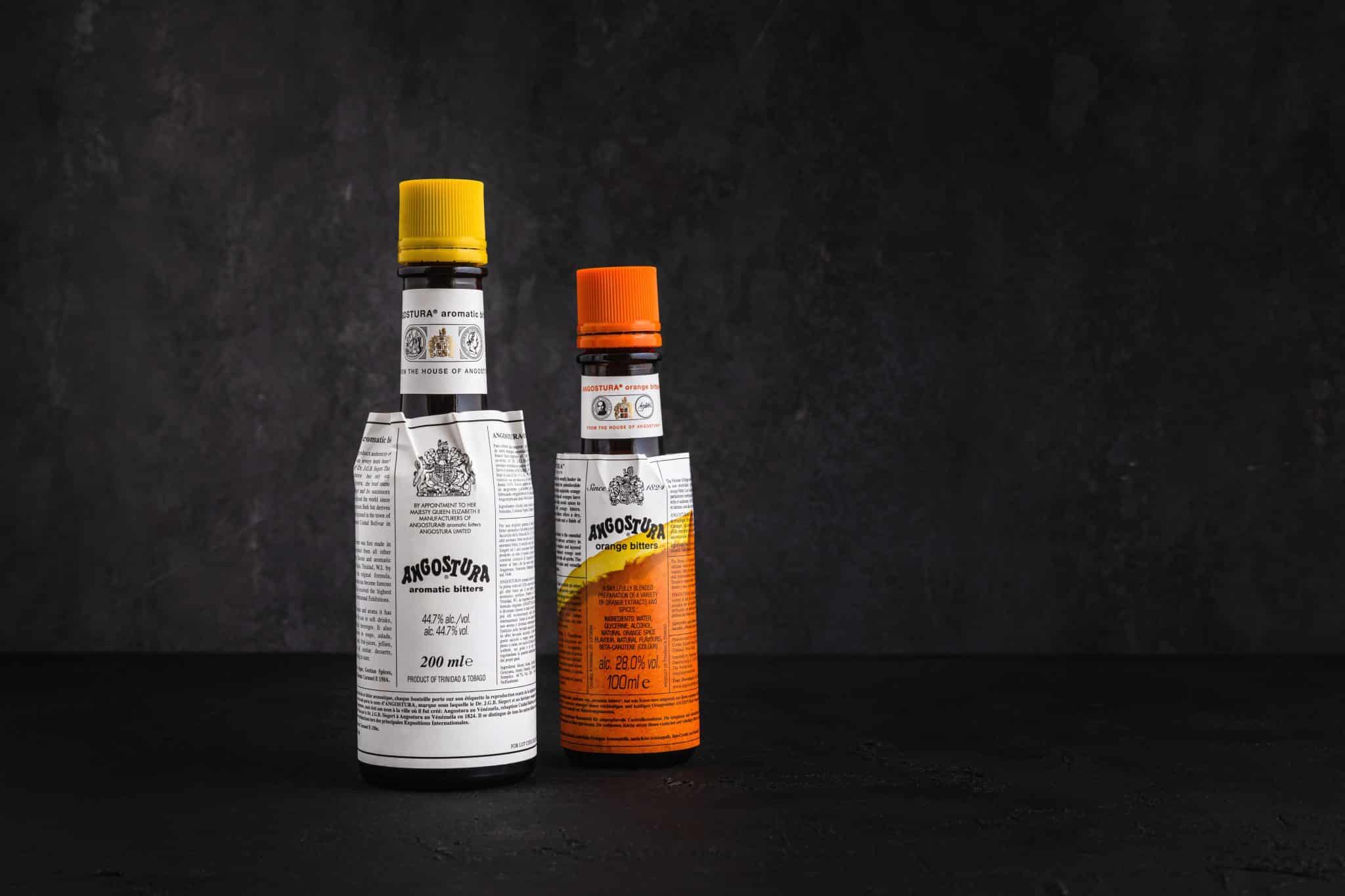
In a classic Manhattan, for example, Angostura bitters pair well with sweet vermouth and whiskey, creating a balanced, layered drink. In the Rob Roy, a dash of Angostura bitters complements the sweet vermouth and scotch. These bitters add not just bitterness but also subtle flavors, enriching the cocktail’s taste profile.
More Vermouth Cocktails
sweet vermouth cocktails
dry vermouth cocktail
gin vermouth cocktails
red vermouth cocktails
white vermouth cocktails (blanc vermouth)
FAQs
- What is vermouth? It is a fortified wine infused with various botanicals, such as herbs, spices, flowers, and bark, providing a unique flavor profile that can be either sweet or dry.
- Can vermouth be consumed on its own? Yes, vermouth can be sipped straight or on the rocks as an aperitif and is often enjoyed this way in Europe.
- Can I replace dry with sweet vermouth in cocktails? While they can technically be substituted for each other, doing so will significantly alter the cocktail’s flavor profile.
- Is there a vermouth cocktail that also contains fruit juice? Yes, the Bronx Cocktail does.
- What is a good mixer with vermouth? Tonic water is a great mixer, creating a light and refreshing drink.
Simple Vermouth Cocktails: 50/50 Martini Recipe (and 27 More!)
Try making a 50/50 Martini with this easy recipe! Use half gin and half dry vermouth to make a simple, classy drink for any event.

Ingredients
- 1½ oz Gin
- 1½ oz dry Vermouth
- Ice cubes
- Lemon twist or olive - for garnish, optional
Equipment
- Martini Glass
- Measuring Jigger
- Mixing Glass
- Stirrer or Bar Spoon
- Strainer
Instructions
- Chill the Glass: To chill, place your martini glass in the freezer for a few hours or fill it up with ice cubes before starting.
- Add Vermouth: Measure and pour 1½ oz dry Vermouth into the mixing glass.
- Add Gin: Pour 1½ oz Gin into a mixing glass.
- Add ice: Fill your mixing glass with ice cubes.
- Stir Gently: Use a bar spoon to stir the ingredients gently.
- Strain: Strain the mixture into your chilled martini glass.
- Garnish: Twist a lemon peel over the top of the drink to release its oils, then drop it in for garnish.
Notes
Substitutes:
- Gin: If you don't have Gin, vodka is a good substitute that will give you a similar alcohol by volume profile without Gin's botanicals. I've also used non-alcoholic gin substitutes, which do a decent job of mimicking the flavor.
- Dry Vermouth: If you're out of dry vermouth, you can use white wine or a fortified dry wine as a substitute. It won't be the same but'll do in a pinch.
Making a Pitcher of 50/50 Martini:
- Scale: To make a pitcher that serves 8, multiply all the ingredients by 8. That would be 12 oz of Gin and 12 oz of dry vermouth.
- Mix: In a large pitcher, combine the Gin and dry vermouth with ice. Stir well.
- Serve: Strain the mixture into chilled martini glasses, garnish with a lemon twist, and serve immediately.
Making it Non-Alcoholic:
- Gin Substitute: Use a non-alcoholic gin substitute; these are available and reasonably mimic Gin's botanicals.
- Dry Vermouth Substitute: Opt for a non-alcoholic dry vermouth substitute or make a grape syrup infused with ginger, cloves, and quinine.
- Proceed As Usual: Use these non-alcoholic substitutes instead of the regular ingredients, follow the original steps, and enjoy a non-alcoholic version.
Making it Vegan:
- Check Your Brands: Most gins and vermouths are vegan-friendly, but it's always best to check the brand you're using. Some brands may use animal products in their filtration process.
- Garnish: The lemon twist garnish is already vegan-friendly. Enjoy your vegan 50/50 Martini!