Shaken or stirred, wet or dry, Vodka or Gin? As a bartender, I see how ordering the perfect Martini can sometimes feel like cracking a secret code—and that’s precisely why I wrote this guide! More and more people at the bar are getting into this classic cocktail, and I love seeing the excitement around its comeback.
A Dry Martini is a blend of Gin (or Vodka) with dry vermouth. The ratio goes from 1:1 to 15:1, the classic ratio for a dry Martini is typically 5 parts gin to 1 part vermouth.
It can be either shaken, stirred or directly poured, optionally some orange bitters are added to the formula, and the garnish itself modifies the overall experience.
I’ve put together this guide to help you feel confident the next time you order a Martini, tailored the way you like it—be it with an olive, a twist, or something a little more adventurous. Designed for both Martini veterans and those new to gin and vermouth, this guide guarantees you get precisely the drink you desire—your way.
Straight Up
A Martini is conventionally served straight up or simply up means it is chilled with ice and then strained into a glass without ice. This is the most common way Martinis are served, often in a chilled stemmed glass.
Shaken
Popularized by James Bond, a shaken Martini is made by shaking the ingredients with ice, which chills the drink faster but also dilutes it more as ice shards break off. Shaking also adds air to the drink, resulting in a frothy texture and slightly different mouthfeel.

Stirred
A stirred Martini is the traditional way to prepare the cocktail. Stirring the ingredients with ice for 45 seconds ensures the drink is properly chilled without too much dilution. It produces a smoother, clearer drink, allowing the flavors to blend subtly.

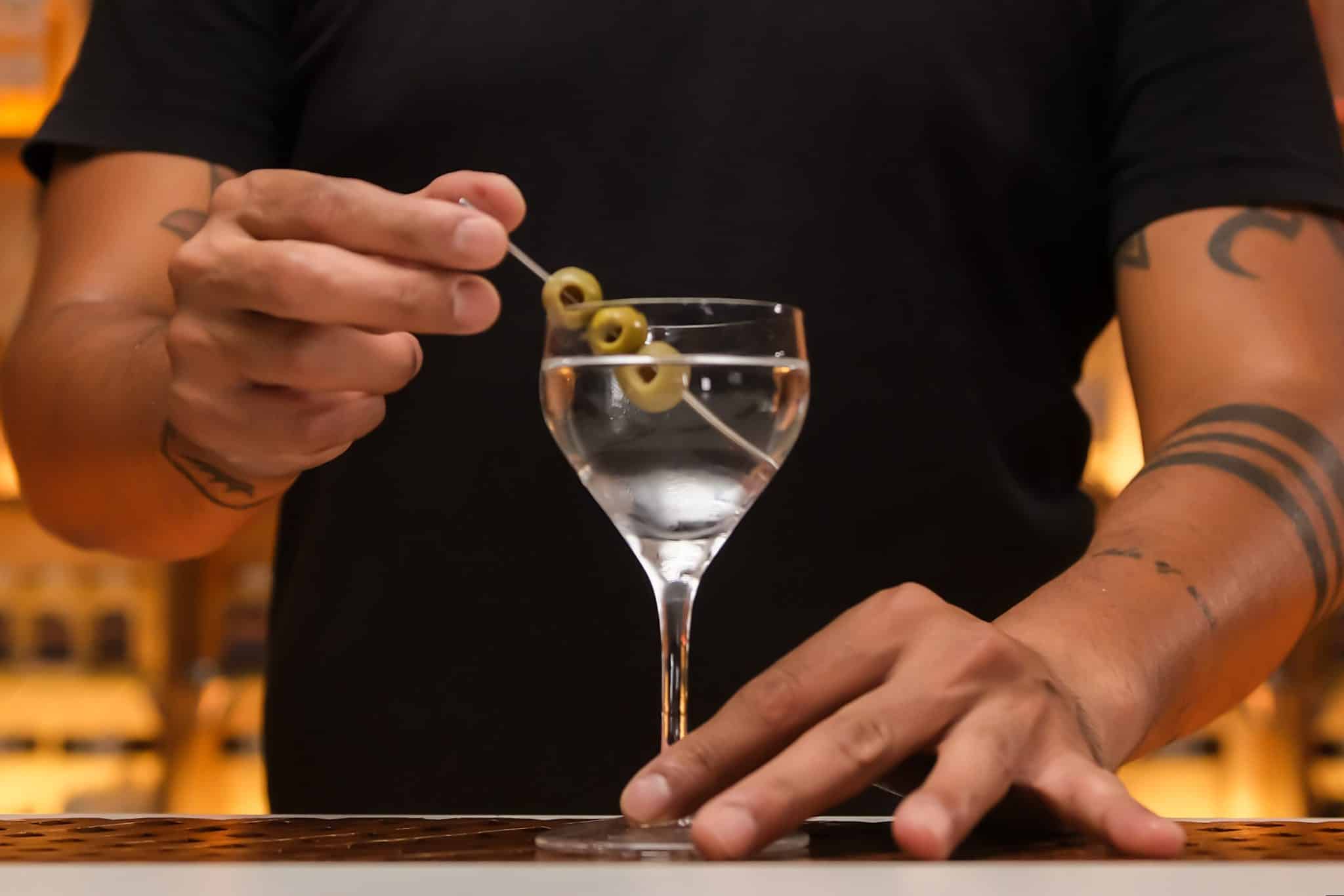
With an Olive
An olive in a martini adds a subtle briny flavor that enhances the drink’s botanicals, while also providing visual appeal and a touch of tradition. Eating the olive after or while sipping adds a different layer of taste to the experience.
With a Lemon Zest
Lemon zest in a martini adds a bright, citrusy aroma and a refreshing flavor that enhances the drink. It provides a zesty contrast to the gin or vodka, elevating the overall experience with its vibrant notes.

In-and-out Martini
An ‘in-and-out’ Martini involves rinsing the mixing glass or shaker with vermouth and then discarding it, leaving just a hint of flavor in the final drink.
Wet
A wet Martini has more vermouth than its dry counterpart, often with a ratio of 2 parts gin to 1 part vermouth. This version has fallen out of fashion but is a great choice if you enjoy a smoother, less intense flavor where the vermouth takes more of the spotlight.
Churchill Martini
A Martini that omits vermouth entirely. The legend says that Sir Winston Churchill liked his martini without any vermouth at all, it would have been enough to have a bottle of vermouth in the same room in order to quickly look at it while pouring the gin.
Dry Martini Montgomery’s
A martini with a ratio of gin and vermouth of 15:1, this version is named after British Field Marshall Bernard Montgomery who preferred the gin in his martini to outnumber the vermouth in the same way he liked to outnumber his opponents in battle.
Fifty-Fifty Martini
A 50-50 Martini is a martini cocktail with equal parts of Dry Vermouth and Gin, usually preferred stirred rather than shaken. The result is a less potent drink with enhanced flavors from the vermouth which can be the perfect choice for someone new to the world of martinis.

Direct or Naked Martini
A version where the gin and the serving glass are previously stored in the freezer. The gin is directly poured into the glass, and a very small quantity of vermouth is added to the drink. This choice is for real lovers of drier flavors.
Dirty
A dirty Martini adds olive brine to the mix, giving the drink a savory, salty flavor. It’s usually garnished with olives, and the brine adds a bold edge to the cocktail. You can also order an extra dirty or filthy Martini if you want even more olive brine.

Perfect
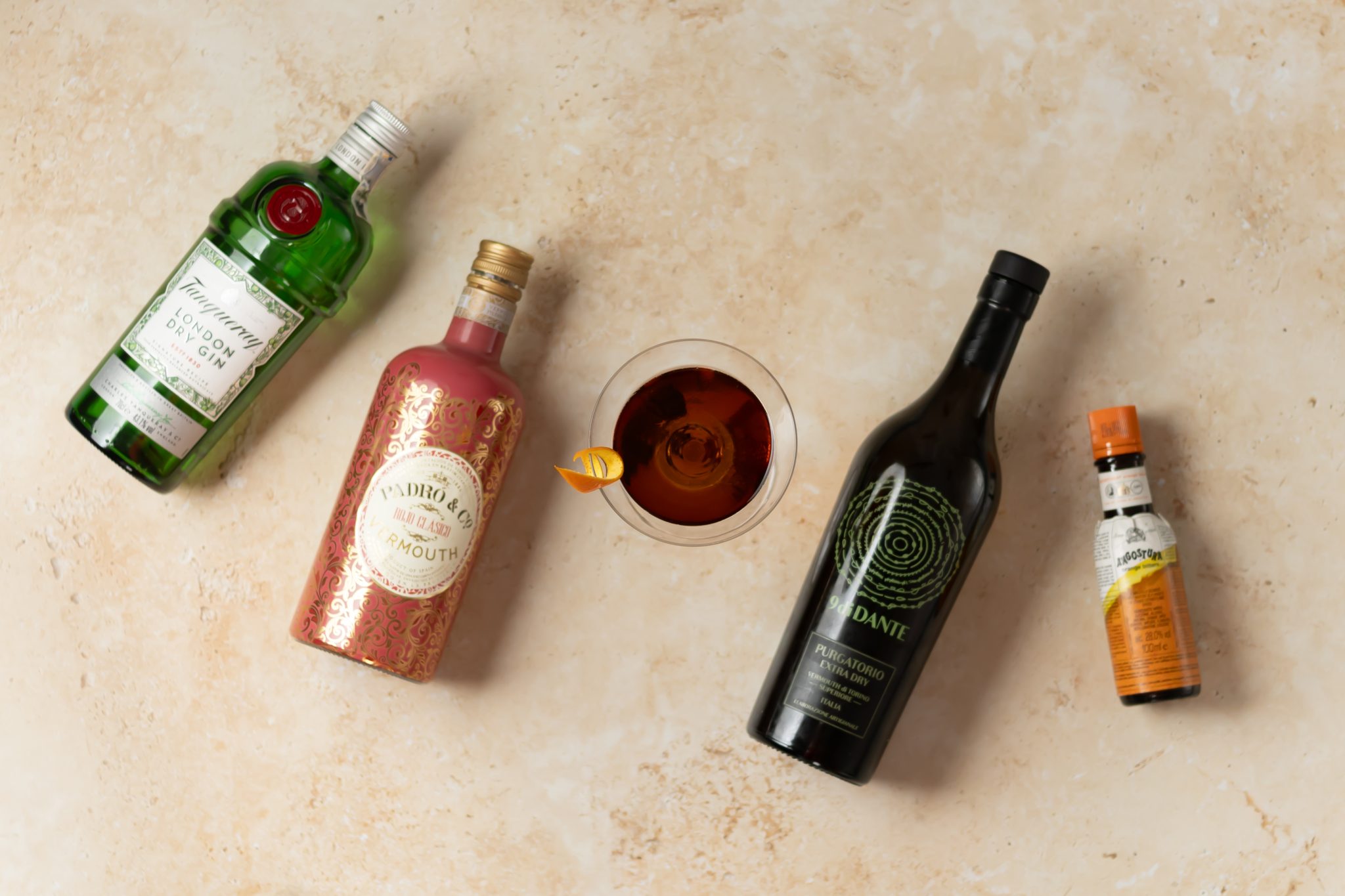
A perfect Martini uses equal parts dry vermouth and sweet vermouth, creating a balanced drink with a touch of sweetness. Despite the name, “perfect” here refers to the blend of vermouths rather than its execution.
Burnt
A less common order, a burnt Martini has a splash of smoky single malt whisky added to it. It’s for those who want an extra layer of complexity and a hint of smokiness in their drink.
Gibson
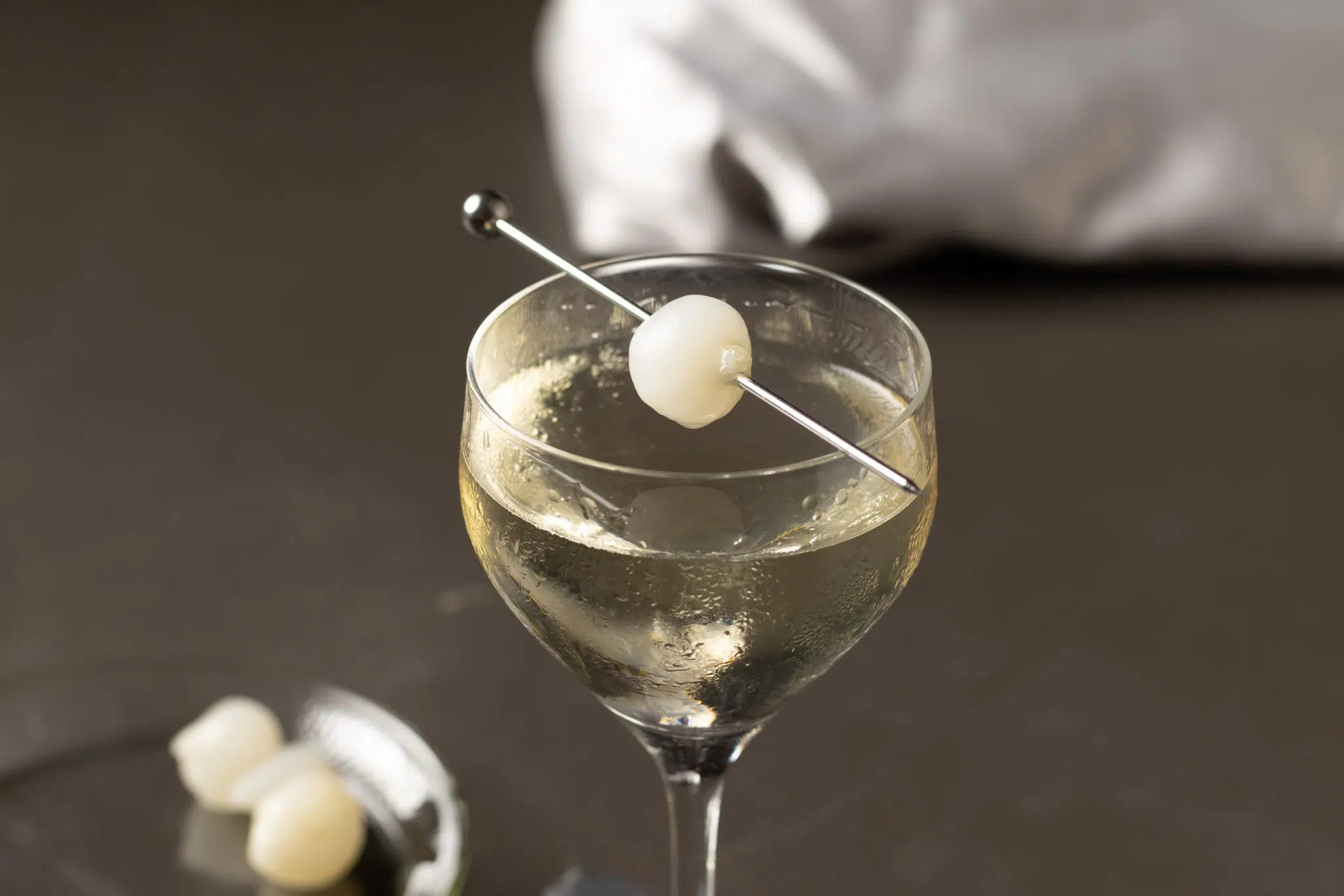
A Gibson Martini is garnished with a pickled onion instead of the typical olive or citrus twist. It’s an excellent choice if you’re after something a little tangier and more savory.
Vesper
The Vesper Martini was made famous by James Bond in Casino Royale. It’s a mix of gin, vodka, and Lillet Blan (originally made with Kina Lillet, unfortunately no longer produced), giving it a unique, bold flavor. It’s a rare order but iconic among Martini lovers who want to channel their inner 007.

Reversed
A reversed Martini flips the usual ratio, with more vermouth than gin or vodka, creating a lighter, more mellow drink. This style makes a great low-ABV option for those who want a softer, less intense martini experience.
Thrown
A thrown Martini is an old-school method of preparation where the drink is poured from a tumbler held high above the head into another glass below, creating a spectacle while also aerating the drink. It results in a silky-smooth sip and enhances the aromatics of the cocktail.
On the Rocks
Ordering a Martini on the rocks means it’s served over ice in a lowball glass. While less common, it’s a good option if you prefer your drink colder for longer, though it will dilute more as the ice melts.
Now that you know the terminology, ordering the perfect Martini is no longer a mystery.
Whether you prefer it dry, dirty, with a twist, or even with a splash of Scotch whisky, you can confidently tailor your Martini to match your exact tastes.
And if you want to take your skills to the next level, why not check out our Types of Martinis and Drinksworld bartender courses online? You’ll learn to make all kinds of expertly crafted cocktails, including the perfect Martini, right at home.