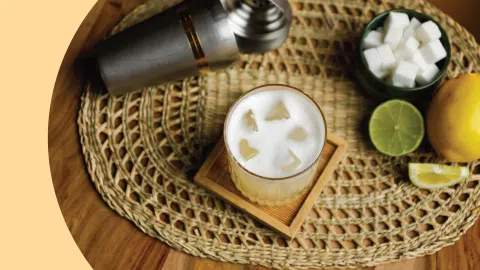
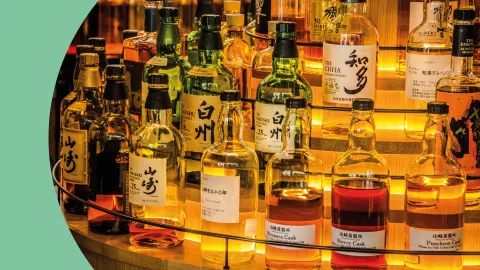
Making the perfect cocktail begins with having the right ingredients. Whether you’re experienced in mixing drinks or just starting out, the essentials you choose can make all the difference. Each ingredient plays an important role, from spirits that create the base of classic cocktails to mixers that balance the flavors and garnishes that add a final touch.
This guide lists the must-have cocktail ingredients every (home) bartender should have. We’ll cover everything from the core spirits and mixers to garnishes and a few specialty ingredients to take your drinks to the next level.
Want to level up your skills? Sign up for our online bartending classes, where pro bartenders teach you all about essential cocktail ingredients!
1. Essential Spirits for Your Bar
First things first: the spirits. These are the building blocks of almost every cocktail. A well-rounded home bar starts with a solid selection of spirits that can serve as the base for classic drinks or inspire you to create something new. You don’t need dozens of bottles, but having these essentials will open up many possibilities.
1.1. Vodka

If you’re new to building a bar, vodka should be at the top of your list. Why? Because of its versatility. Vodka has a neutral flavor that pairs well with almost anything. It doesn’t overpower the other ingredients, which is why it’s used in so many cocktails.
- Why it’s essential: Vodka can be mixed with just about any fruit juice, soda, or flavored liqueur, making it a go-to for classic cocktails or new creations.
- Popular cocktails: Vodka Martini, Moscow Mule, Bloody Mary, Cosmopolitan.
1.2. Gin

Next up is gin, the spirit known for its herbal and botanical profile. Each gin has flavors ranging from juniper-forward to more citrusy or floral varieties. Gin brings complexity to a cocktail and is the base for some of the most iconic drinks out there.
- Why it’s essential: Gin’s flavor makes it the star of the show in many mixed drinks, whether you’re going for something crisp and refreshing or something a bit more refined.
- Popular cocktails: Gin and Tonic, Negroni, Gimlet, Martini.
1.3. Whiskey (Bourbon, Rye, or Scotch)

Whiskey is a must for those who enjoy spirit-forward cocktails. Whether you prefer the sweetness of bourbon, the spice of rye, or the smokiness of Scotch, there’s a whiskey for everyone. Start with bourbon or rye for a versatile base, then branch out from there.
- Why it’s essential: Whiskey adds depth and complexity, perfect for cocktails that highlight the spirit’s rich flavors.
- Popular cocktails: Old Fashioned, Manhattan, Whiskey Sour, Boulevardier.
1.4. Rum (Light, Dark, and Spiced)
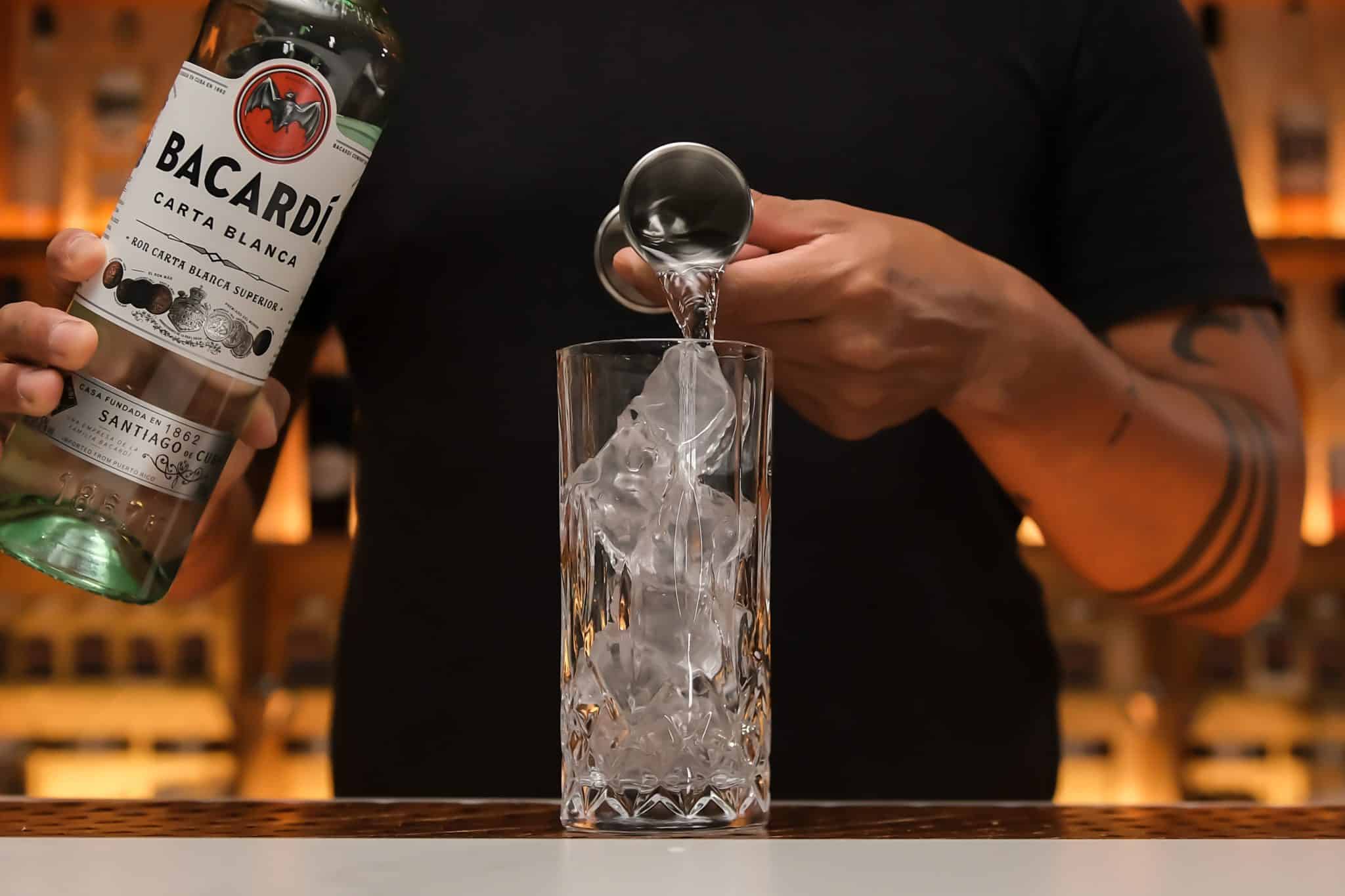
Rum comes in several styles. Light rum is perfect for refreshing cocktails, while dark rum adds richness to more complex drinks. Spiced rum offers even more flavor, with notes of vanilla, cinnamon, and other spices.
- Why it’s essential: Rum’s versatility allows it to work in everything from tropical drinks to spirit-forward sippers.
- Popular cocktails: Mojito, Daiquiri, Mai Tai, Piña Colada.
1.5. Tequila (Blanco and Reposado)

Tequila is a key player in any home bar. Whether you’re mixing up Margaritas or something more adventurous, tequila’s earthy, agave-forward flavor is unmistakable. Blanco tequila is clean and crisp, while reposado has been aged slightly, giving it a rounder, smoother flavor.
- Why it’s essential: Tequila is great for citrusy, vibrant cocktails but also works in spirit-forward drinks for tequila lovers.
- Popular cocktails: Margarita, Paloma, Tequila Sunrise, Ranch Water.
1.6. Brandy

Brandy often flies under the radar, but it’s a crucial addition to a well-stocked bar. Made from distilled wine, brandy is smooth, slightly sweet, and rich, making it a great base for after-dinner drinks or classic cocktails.
- Why it’s essential: Brandy’s warmth and depth make it perfect for sipping or mixing into sophisticated cocktails.
- Popular cocktails: Sidecar, Brandy Alexander, Vieux Carré.
1.7. Liqueurs

Liqueurs are the flavor boosters in your bar. They add sweetness, complexity, and balance to cocktails. There are countless liqueurs to choose from, but we recommend starting with these:
- Triple Sec/Cointreau: For Margaritas, Cosmos, and Sidecars.
- Vermouth (Sweet and Dry): Essential for Martinis, Negronis, and Manhattans.
- Amaretto: Adds a nutty sweetness to cocktails like the Amaretto Sour.
- Aperol or Campari: For spritzers and bitter cocktails like the Negroni or Aperol Spritz.
2. Essential Mixers for Cocktails
Now that you’ve got the spirits, let’s talk mixers. These ingredients balance the flavors, add texture, and round out cocktails. Stocking up on these will ensure you’re ready to whip up various drinks for any occasion.
2.1. Soda Water/Club Soda

Club soda is one of the simplest but most important mixers in your bar. It adds fizz without altering the flavor of your cocktail, making it perfect for light, refreshing drinks.
- Why it’s essential: Great for adding a bubbly texture to cocktails without overpowering the main flavors.
- Popular cocktails: Gin Fizz, Vodka Soda, Tom Collins.
2.2. Tonic Water

Tonic water is slightly bitter and adds a distinct flavor to cocktails, making it a perfect pairing for spirits like gin or vodka. Always keep a few bottles on hand, especially if you love Gin and Tonics.
- Why it’s essential: Tonic water’s bitterness and fizz greatly contrast strong, botanical spirits like gin.
- Popular cocktails: Gin and Tonic, Vodka Tonic.
2.3. Cola

A good cola is essential for simple highball cocktails. Its sweetness and effervescence pair well with spirits like rum and whiskey, making it a must-have mixer for easy-to-make drinks.
- Why it’s essential: Cola adds sweetness and bubbles, perfect for balancing out the stronger flavors of rum or whiskey.
- Popular cocktails: Rum and Coke, Whiskey and Cola, Cuba Libre.
2.4. Ginger Beer and Ginger Ale

Ginger beer is spicy and bold, while ginger ale is milder and sweeter. Both are must-haves for cocktails that need a little kick. Ginger beer works wonders in drinks like the Moscow Mule, while ginger ale is great for light, easy-drinking highballs.
- Why they’re essential: Ginger beer adds spice and depth, while ginger ale adds sweetness and effervescence.
- Popular cocktails: Moscow Mule (ginger beer), Dark and Stormy (ginger beer), Whiskey Ginger (ginger ale).
2.5. Fruit Juices

Fresh fruit juice adds brightness, sweetness, and acidity to cocktails. Keep the essentials stocked for a variety of drinks.
- Orange Juice: For Mimosas, Screwdrivers, or Tequila Sunrises.
- Pineapple Juice: For Piña Coladas, Singapore Sling, or any tropical cocktail.
- Cranberry Juice: For Cosmopolitans or Sea Breezes.
- Lemon and Lime Juice: For Margaritas, Whiskey Sours, and pretty much everything else.
2.6. Simple Syrup

Simple syrup is just sugar dissolved in water, but it’s a game-changer in cocktails. It sweetens your drinks without the grainy texture of regular sugar. You can also infuse it with flavors like vanilla, herbs, or spices for extra complexity.
- Why it’s essential: It’s the easiest way to add sweetness to any drink, and it mixes smoothly without the grittiness of granulated sugar.
- Popular cocktails: Mojito, Daiquiri, Whiskey Sour.
2.7. Bitters (Angostura, Orange Bitters)

Bitters are like the seasoning for your cocktails. A few dashes can transform the flavor of a drink by adding a layer of depth and balance. Angostura is the classic choice, but orange bitters are also a great addition for bright, citrusy cocktails.
- Why they’re essential: Bitters add complexity and help balance out the sweetness in cocktails.
- Popular cocktails: Old Fashioned, Manhattan, Martinez.
3. Fresh Garnishes and Herbs
Garnishes are the final touch that can elevate a cocktail from good to great. They add freshness, aroma, and visual appeal, and they can also enhance the drink’s flavor. Here are the must-have garnishes and herbs for any home bar:
3.1. Citrus (Lemons, Limes, Oranges, Grapefruits)

Citrus fruits are some of the most versatile garnishes. Use them to add a bright, tangy flavor or a fresh aroma to your cocktails. You can cut wedges, slices, or twists to garnish everything from Margaritas to Old Fashioneds.
- Why they’re essential: Fresh citrus adds acidity, brightness, and visual appeal to your cocktails.
- Popular cocktails: Margaritas, Whiskey Sours, Gin and Tonics.
3.2. Mint

Mint is an essential garnish for cocktails that need a fresh, herbaceous flavor. It adds a cool, aromatic note, especially in tropical or refreshing drinks. Be sure to muddle it gently for maximum flavor.
- Why it’s essential: Mint brings a burst of freshness to cocktails, making it perfect for summer drinks.
- Popular cocktails: Mojito, Mint Julep, Southside.
3.3. Cherries (Preferably Luxardo)

Cherries are a classic garnish for spirit-forward cocktails, adding a pop of color and a sweet note to the drink. Luxardo cherries are the gold standard—they’re richer and less syrupy than the bright red maraschino cherries you find in most grocery stores.
- Why they’re essential: Cherries add sweetness and a visual flourish to classic cocktails.
- Popular cocktails: Old Fashioned, Manhattan.
3.4. Olives and Cocktail Onions

For your Martini lovers, olives and cocktail onions are must-have garnishes. They add a salty, briny flavor that complements the strong, botanical notes of gin or vodka.
- Why they’re essential: Perfect for adding a savory touch to briny cocktails like Martinis and Gibsons.
- Popular cocktails: Martini, Gibson.
3.5. Salt and Sugar

Don’t forget the importance of salt and sugar for rimming glasses. Salt can enhance the flavors in a drink, while sugar adds sweetness and a touch of texture. They’re essential for drinks like Margaritas and Daiquiris.
- Why they’re essential: Salt and sugar rims enhance the overall flavor of cocktails and add a professional touch.
- Popular cocktails: Margaritas (salt rim), Daiquiris (sugar rim).
4. Specialty Ingredients and Enhancements
Once you’ve covered the basics, it’s time to start experimenting with specialty ingredients. These extras can transform your cocktails from good to mind-blowing.
4.1. Infused Syrups

Flavored syrups are a fantastic way to add complexity to cocktails without overwhelming them. Try making your own syrups infused with flavors like lavender, cinnamon, honey, or ginger. They can give classic cocktails a unique twist.
- Why they’re essential: Infused syrups add layers of flavor and can help you create signature cocktails.
- Popular cocktails: Lavender Collins, Honey Old Fashioned, Spiced Daiquiri.
4.2. Aquafaba or Egg Whites

Egg whites (or their vegan alternative, aquafaba) add a rich, frothy texture to cocktails without altering the flavor. They’re essential for classic cocktails like the Whiskey Sour or the Ramos Gin Fizz.
- Why they’re essential: They add a creamy texture and a beautiful foam top to cocktails.
- Popular cocktails: Whiskey Sour, Ramos Gin Fizz, Clover Club.
4.3. Flavored Bitters (Chocolate, Lavender, etc.)

Flavored bitters are a fantastic way to add complexity to your cocktails. Chocolate, lavender, and other specialty bitters can turn a classic cocktail into something extraordinary.
- Why they’re essential: They elevate classic cocktails or add new layers of flavor to innovative drinks.
- Popular cocktails: Chocolate Old Fashioned, Lavender Martini.
4.4. Fresh Berries and Seasonal Fruits
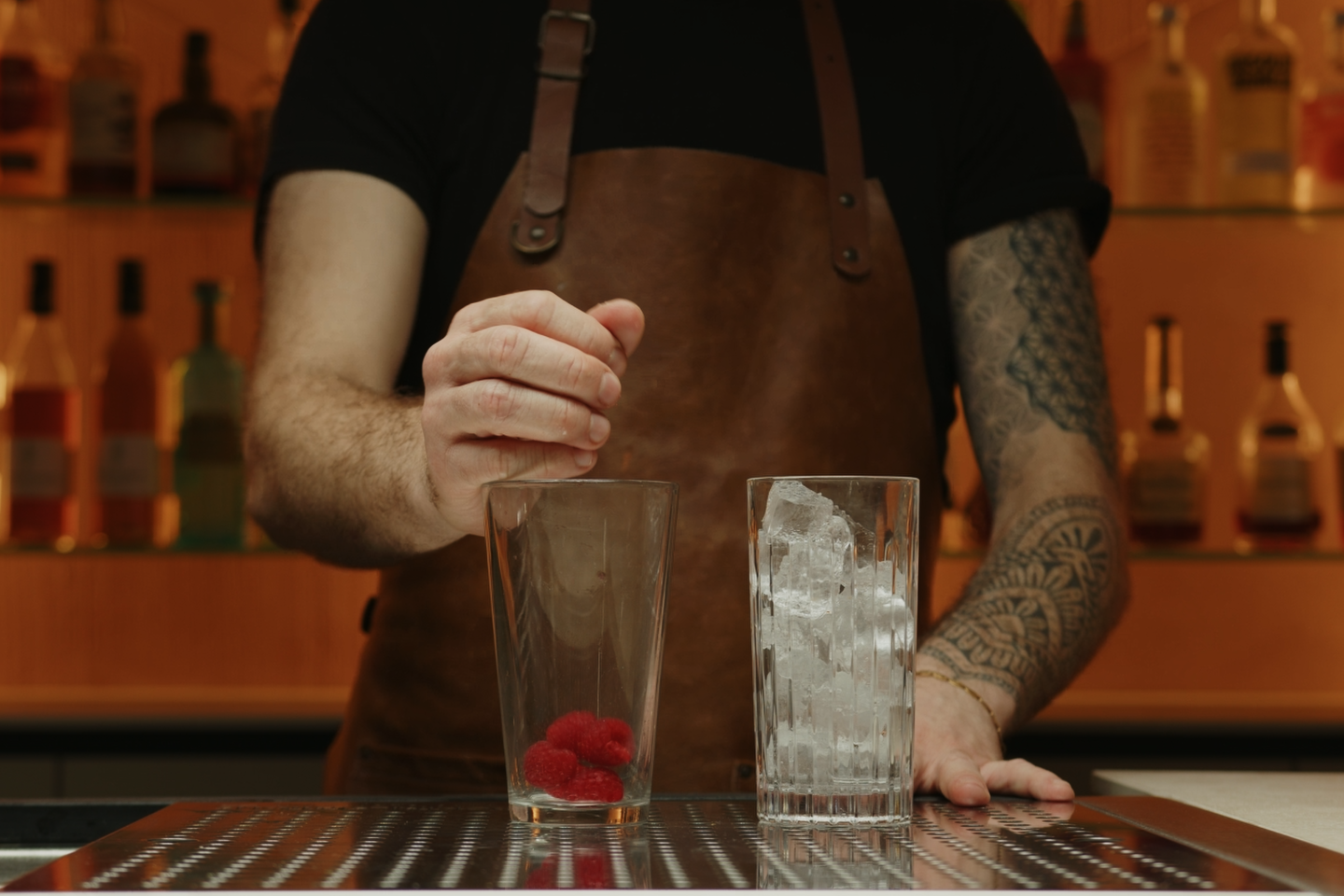
Fresh fruits are not only beautiful as garnishes, but they also bring extra flavor when muddled or added to cocktails. Keep a variety of seasonal fruits on hand to get creative with your drinks.
- Why they’re essential: They add freshness, sweetness, and visual appeal to any cocktail.
- Popular cocktails: Berry Mojito, Raspberry Martini, Sangria.
5. Non-Alcoholic Essentials
Not every drink has to be boozy. Non-alcoholic spirits and mixers are essential for creating refreshing mocktails or for pacing yourself in between stronger drinks.
5.1. Non-Alcoholic Spirits
With the rise of non-alcoholic spirits like Seedlip and Ritual, you can craft mocktails that taste just as complex as the real thing. These alcohol-free spirits offer botanical flavors without the buzz.
- Why they’re essential: Perfect for mocktails and non-alcoholic versions of your favorite cocktails.
- Popular mocktails: Non-alcoholic Gin and Tonic, Seedlip Sour.
5.2. Club Soda and Sparkling Water

For those who want a lighter option, club soda, and sparkling water can add fizz and texture to mocktails without overwhelming the flavors.
- Why they’re essential: They add bubbles and balance to mocktails, making them feel just as special as their alcoholic counterparts.
- Popular mocktails: Virgin Mojito, Lemon and Soda.
5.3. Fresh Herbs and Citrus

Just like in alcoholic cocktails, fresh herbs, and citrus bring life to mocktails. They add brightness and complexity and make your drink pop with flavor.
- Why they’re essential: Fresh ingredients ensure that your mocktails are vibrant and full of flavor.
6. How to Store Your Cocktail Ingredients
Now that you’ve got all these ingredients, how do you store them properly? Here’s a quick guide to keeping everything fresh and ready to go:
- Spirits: Store in a cool, dark place, away from direct sunlight. Most spirits have a long shelf life but try to consume liqueurs and vermouth within six months of opening.
- Fresh Citrus and Herbs: Keep them refrigerated. Citrus lasts for about a week, and herbs should be used within a few days.
- Syrups and Bitters: Store simple syrups in airtight containers in the fridge for up to a month. Bitters can be stored at room temperature since they have a long shelf life.
7. Building Your Cocktail Ingredient Collection on a Budget
Starting a home bar doesn’t have to break the bank. Here are some tips for building your collection without going overboard:
- Start with the basics: Focus on versatile spirits and mixers that can be used in a variety of cocktails.
- DIY your syrups: It’s easy to make your own simple syrup, and you can infuse it with flavors to save money on specialty ingredients.
- Expand slowly: You don’t need every bottle on day one. Gradually build your collection by adding new ingredients as you try new recipes.
Conclusion
A well-stocked home bar is the key to creating delicious cocktails for any occasion. Whether you’re just starting or looking to expand your collection, this guide will help you cover all the essentials. From spirits and mixers to garnishes and specialty ingredients, each component plays an important role in crafting drinks that impress.

Remember, the right ingredients can make a huge difference, but don’t be afraid to get creative and experiment with new flavors. With these must-have cocktail ingredients, you’ll be ready to mix up anything from a classic Old Fashioned to a refreshing Mojito—or invent something entirely your own. Cheers to your next great cocktail!