The “6 basic cocktails” are essential for any aspiring bartender. It was David A. Embury introduced these foundational drinks in his 1948 book, The Fine Art of Mixing Drinks, with each one representing a unique style. These six core cocktails are:
- The Daiquiri (Rum, lime, sugar)
- The Jack Rose (Applejack, lemon, grenadine)
- The Manhattan (Rye whiskey, vermouth, bitters)
- The Martini (Gin, vermouth)
- The Old Fashioned (Whiskey, sugar, bitters, water)
- The Sidecar (Cognac, Cointreau, lemon)
Embury argued that these classic cocktails represented the building blocks of most modern mixed drinks and that variations of these six could cover almost all cocktail categories.
These six are the Holy Grail of bartending—once you understand them, you can create almost any cocktail. They’re the building blocks, like chapters in a codex, grounding your creativity in a solid structure.
Each cocktail represents a ‘family,’ a foundational template that guides you when crafting drinks and understanding their components. These cocktail families revolve around key ingredients—like rum in a Daiquiri, whiskey in a Manhattan, or gin in a Martini. The balance comes from the additional elements, such as sugar, citrus, or bitters, which bring harmony to the drink. Then there are the seasonings—garnishes, syrups, or more bitters—that add layers of complexity. Change the base spirit, adjust the proportions, or switch up a garnish, and suddenly, you’ve crafted an entirely different cocktail.
Daiquiri – The Essence of Simplicity
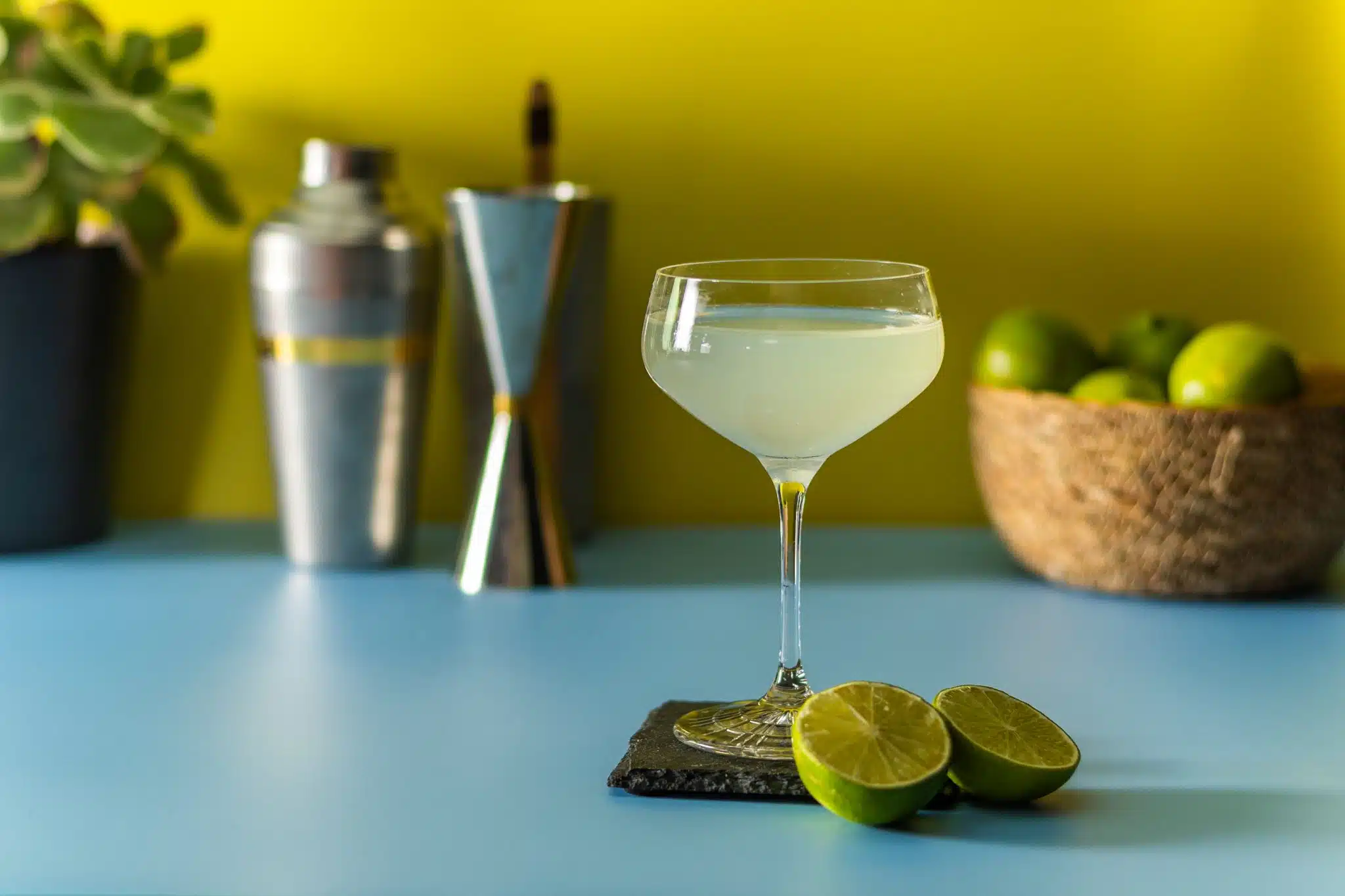
- Ingredients: White rum, lime juice, simple syrup
- Style: Shaken
- Glassware: Cocktail glass
- Garnish: Lime wheel
The Daiquiri was created on Cuban beaches in the early 1900s and popularized in the U.S. after World War II. It remains a classic with just three ingredients—rum, lime, and sugar. Its balanced, sweet-tart flavor makes it perfect for any occasion.
When it comes to making a Daiquiri, it’s all in the shake. You’ve got that citrus in there, so don’t be afraid to give it a good, hard shake. It chills the drink and adds just enough air to lighten it up, giving you that bright, refreshing finish we all crave. And the flavor? A perfect hit of tangy lime meets smooth, sweet rum—it’s like summer in a glass.
Serve it ice-cold in a chilled cocktail glass, and you’re golden. Trust us, fresh lime juice is non-negotiable here—it’s what makes the difference between a ‘meh’ Daiquiri and one that blows your mind. And if you want to mix it up? Swap the rum for gin, and you’ve got a Gimlet. Blend it together with some strawberries and ice, and now you’re sipping on a Frozen Daiquiri. The simplicity of the sour makes this cocktail endlessly adaptable.
Jack Rose – The Forgotten Gem
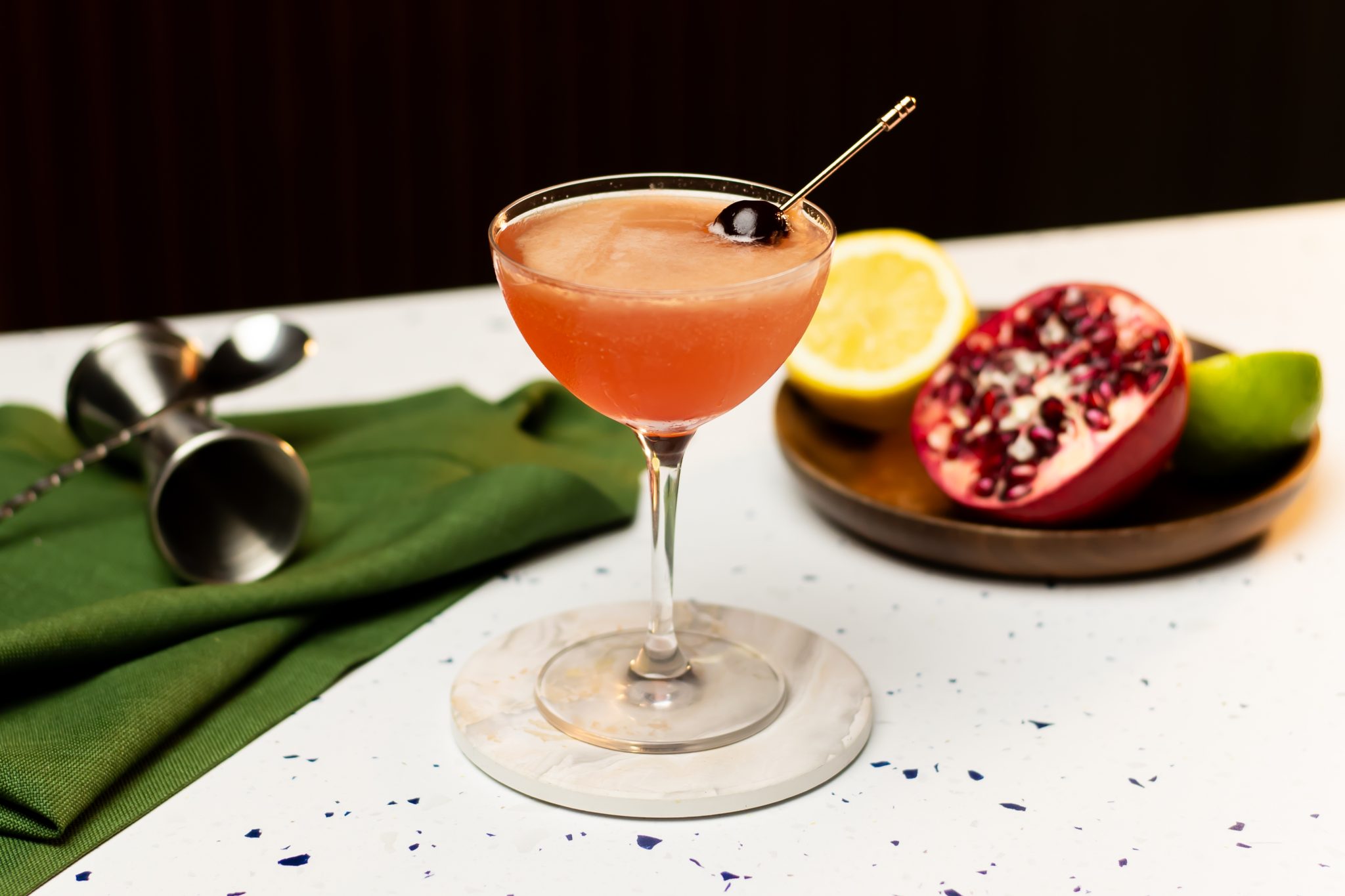
- Ingredients: Applejack, grenadine, lemon juice
- Style: Shaken
- Glassware: Coupe or cocktail glass
- Garnish: Lemon wheel or twist
Not many people talk about this Prohibition-era beauty anymore, but it’s one of those cocktails that surprises you every time. Made with Applejack, grenadine, and lemon, it’s got that perfect balance of sweetness and tartness, with the apple flavor giving it a unique edge.
Shaking is your best friend here. You need to bring those ingredients together, blending the sweetness of grenadine with the tangy kick of lemon juice. What you get is a cocktail that’s rich, fruity, and refreshingly crisp. It’s an unexpected treat in every sip.
Pour it into a chilled coupe glass, garnish it with a lemon twist, and you’ve got yourself a drink that’s ready to impress. And if you’re feeling creative? Swap the grenadine for raspberry syrup, or use Calvados instead of Applejack for a French twist. The Jack Rose is more versatile than it looks.
Manhattan – The Foundation of Whiskey Cocktails

- Ingredients: Rye or bourbon whiskey, sweet vermouth, Angostura bitters
- Style: Stirred
- Glassware: Coupe or cocktail glass
- Garnish: Cherry
The Manhattan isn’t just a cocktail—it’s an institution. Born in the Manhattan Club in New York during the 1870s, this drink became the blueprint for all whiskey cocktails that followed. With whiskey, vermouth, and bitters, it’s boozy, bold, and the perfect mix of strong and sweet.
Now, here’s the secret to a great Manhattan: stir it. Slowly. You want that smooth, silky texture, and stirring helps keep everything balanced without over-diluting. The result? A rich, slightly sweet drink with the whiskey’s spice and vermouth’s subtle sweetness dancing in harmony.
Serve it in a coupe glass, garnished with a cherry, and you’ve got elegance in a glass. Want to shake things up? Sub in Scotch for a Rob Roy, or add a splash of absinthe for a bit more complexity. The Manhattan is a gateway to endless whiskey variations, so feel free to explore.
Martini – The Ultimate Expression of Elegance

- Ingredients: Gin (or vodka), dry vermouth
- Style: Stirred or shaken
- Glassware: Martini glass
- Garnish: Lemon twist or olive
There’s no cocktail more iconic than the Martini. It’s been around since the late 19th century, but it’s stayed at the top for a reason: simplicity, elegance, and balance. Just gin (or vodka) and vermouth, stirred or shaken to chilly perfection, and you’ve got a drink that’s all about subtlety.
Martinis are where you really need to focus on technique. Stirring gives you that crystal-clear, smooth finish, but shaking—well, it makes it a bit cloudy, more diluted, and slightly less refined. It’s all about what you prefer.
This drink is all about that crisp, clean flavor. The botanicals in the gin take center stage, with the vermouth adding a dry, balanced complexity. Serve it ice-cold in a chilled Martini glass with either a lemon twist or an olive for garnish, and you’re set. And don’t be afraid to experiment—a Dirty Martini with olive brine, a Gibson with an onion, or the Vesper, James Bond’s favorite, are all fantastic variations.
Sidecar – The Perfect Sour Blueprint

- Ingredients: Cognac, Cointreau, lemon juice
- Style: Shaken
- Glassware: Coupe or cocktail glass
- Garnish: Sugar rim, lemon twist
The Sidecar is said to have been born in either Paris or London during World War I, and it’s stuck around because of how flawlessly it blends cognac, Cointreau, and lemon juice.
Shaking is key here—you need to blend those bold flavors together, softening the punch of cognac with the sweetness of Cointreau and the sharp citrus bite of lemon. What you get is a cocktail that feels both rich and refreshing at the same time.
Serve it in a sugar-rimmed coupe glass to add a little sweetness with every sip, and garnish with a lemon twist for that extra pop of brightness. Want to explore? Swap cognac for tequila, and you’ve got the basics of a Margarita. Use Gin, and now it’s a White Lady. This drink is a sour blueprint, and once you understand it, you can create endless variations.
Whiskey Sour – The Crowd-Pleaser
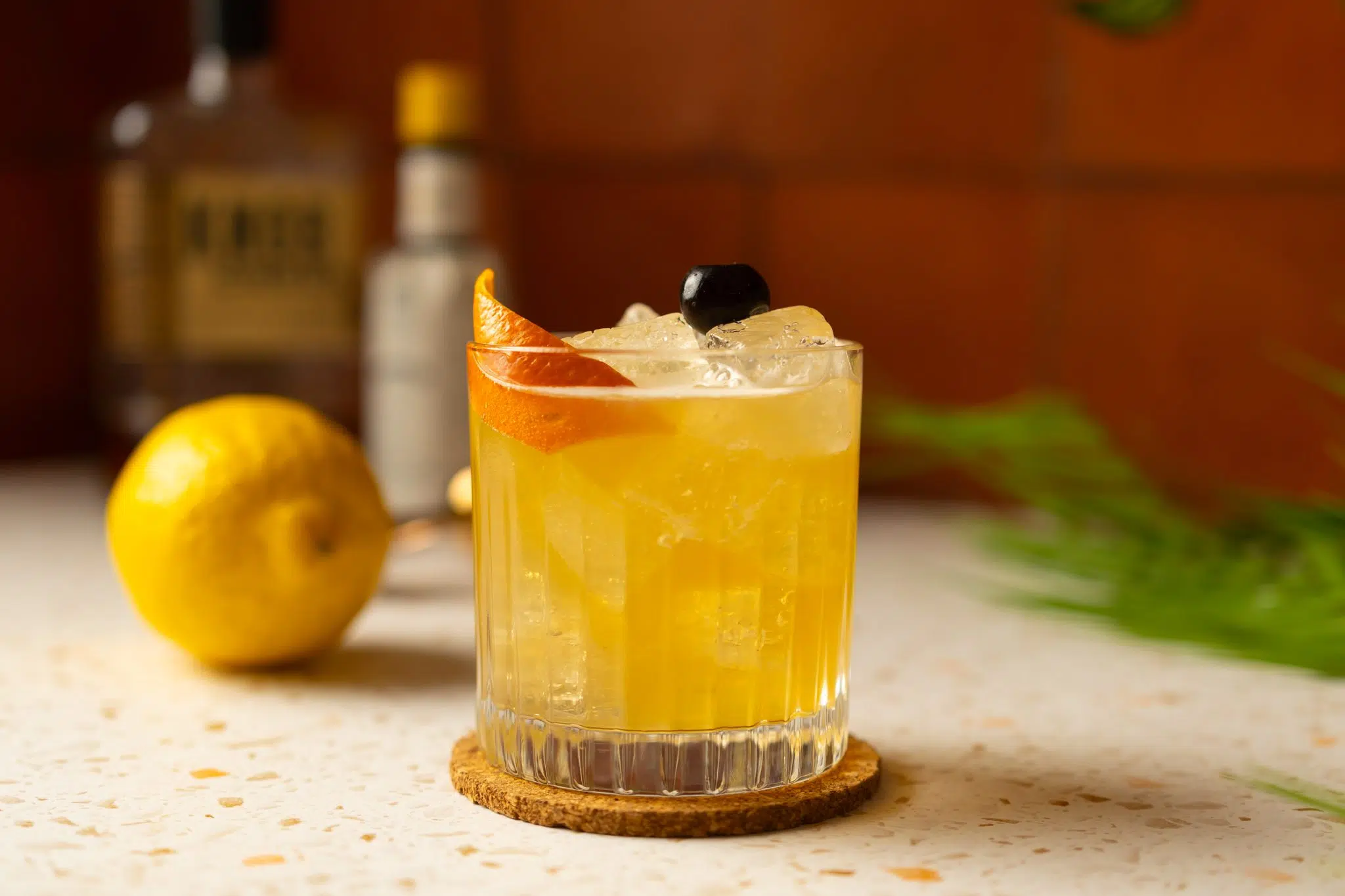
- Ingredients: Bourbon, lemon juice, simple syrup
- Style: Shaken
- Glassware: Old-fashioned glass
- Garnish: Lemon wheel, cherry
The Whiskey Sour is the all-around player that hits every note just right. Bourbon, lemon juice, and simple syrup—it’s a straightforward combo that never fails to deliver. But add an egg white? You’ve got a more velvety texture. Top it with a red wine float? Now you’ve got a New York Sour. The Whiskey Sour teaches us how to balance a punchy spirit with acidity and sweetness, which is at the heart of so many cocktails we know and love today.
This mid-1800s drink is a classic for a reason: it’s got the perfect balance of bourbon, lemon, and sugar, making it smooth, tangy, and satisfying every time.
The trick to nailing a Whiskey Sour is in the shake—hard and fast. You want to really mix those ingredients and get everything well-chilled. If you’re feeling adventurous, toss in an egg white for that velvety, smooth texture that elevates the whole experience.
Serve it in an Old-Fashioned glass with a lemon peel and cherry, and watch it disappear in no time. For a fun twist, float some red wine on top, and suddenly you’ve got a New York Sour. Or, switch out the bourbon for rye if you’re in the mood for a bit more spice. The possibilities are endless, but the core remains—a perfectly balanced sour that pleases every crowd.
These six cocktails are the cornerstone of any bartender’s knowledge, but mastering cocktails doesn’t stop here. If you’re new to bartending, explore our Easy Cocktails and Beginner Cocktails sections to discover more straightforward recipes as you practice these foundational drinks.
If you’re eager to learn more, our courses cover both essential and advanced techniques, from shaking and stirring to creating complex layers of flavor. As you learn and practice, these core recipes will become the springboard for crafting your own signature cocktails.
More basics and essentials: Essential Bar Tools For a Bartender – Cocktail Mixers To Have On Hand – Essential Types of Cocktail Syrups – Common Cocktail Ingredients – Home Bar Essentiels