At drinksworld.com, we know that crafting a great cocktail is about more than just throwing ingredients together. It’s about technique, balance, and a little bit of flair. If you’ve ever felt like shaking or stirring just wasn’t giving your cocktail the perfect blend, it’s time to introduce yourself to an underrated but incredibly effective method: rolling.
Rolling a cocktail sits between shaking and stirring, giving you the best of both worlds. It’s gentle enough to preserve the clarity of the drink but vigorous enough to blend everything seamlessly. Plus, rolling looks pretty cool—and we’re all about making cocktail-making as fun as the final result.
This article is all about rolling cocktails, why it’s so effective, and how you can master it to impress your friends (or just yourself) at your next cocktail session.
What is Cocktail Rolling?
So, what exactly is rolling a cocktail? If you’ve ever shaken a cocktail, you know that it’s all about rapid movement—chilling the drink, mixing the ingredients, and aerating it. Stirring, on the other hand, is slow and controlled, meant for spirit-heavy drinks where you want minimal dilution and no aeration.
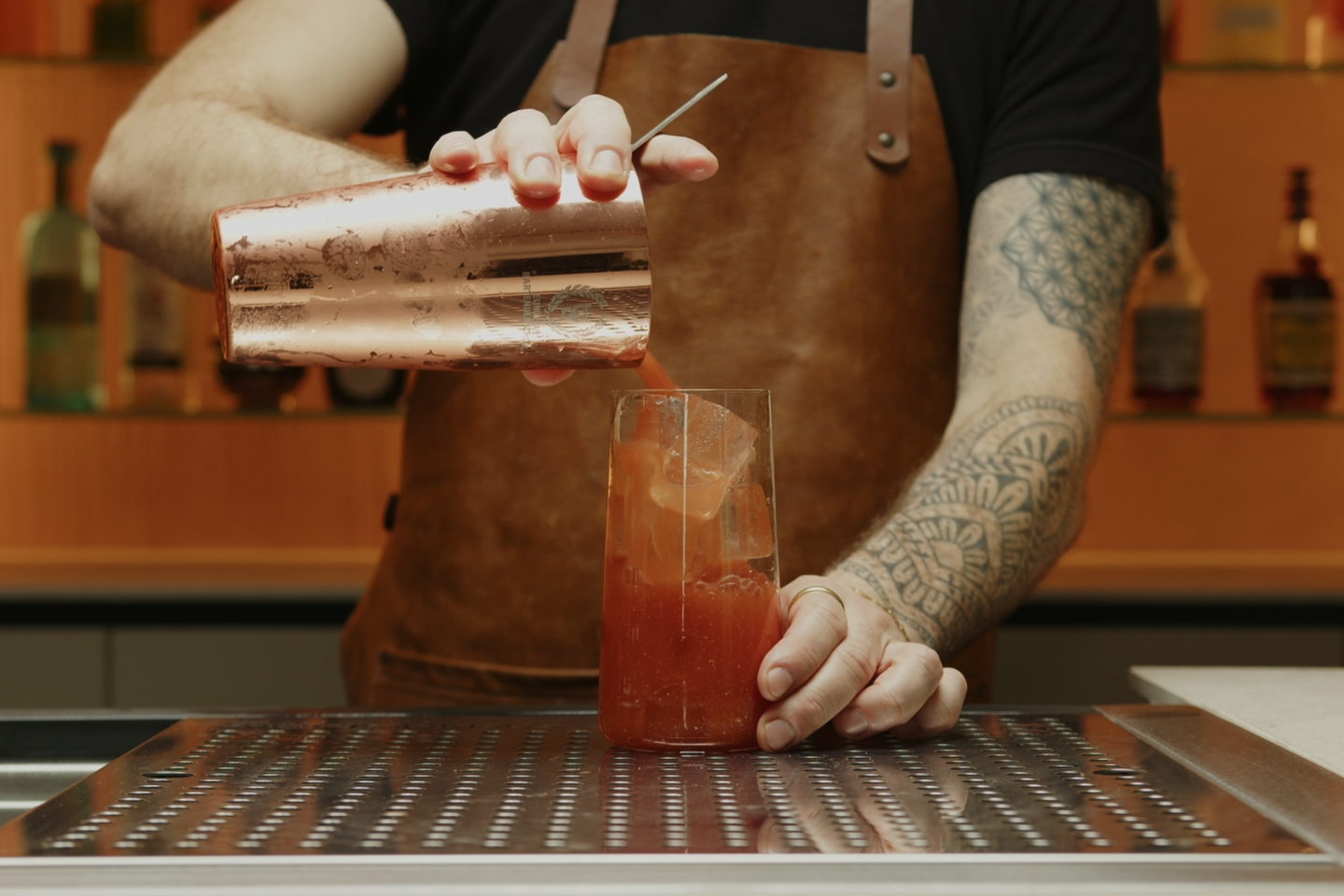
Rolling is the sweet spot between these two. It involves gently pouring the cocktail back and forth between two mixing tins or glasses, creating a smooth, well-mixed drink with a balanced texture. It’s a technique that’s often used for drinks with thicker ingredients, like fruit juices, or cocktails with multiple layers of flavors that need to be combined without being over-agitated. It’s also perfect for cocktails with wine or fortified wine, which benefit greatly from the aeration brought by this technique.

Why Roll a Cocktail?
Now that you know what rolling is, let’s talk about why it’s such a useful technique. Here are three big reasons why you should consider rolling your next cocktail:
1. Texture
Rolling creates a silky smooth texture that you just can’t get with stirring or shaking. When you shake a cocktail, you’re incorporating a lot of air, which is great for some drinks but can make others feel too foamy or even watery. Stirring doesn’t aerate the drink at all, which works for spirit-forward cocktails, but for juice-based drinks, you need a bit more mixing.
Rolling gives you that perfect balance. It combines all the ingredients smoothly while aerating just enough to give your drink a slight lift, but without the froth.
2. Balance
Some cocktails have layers of flavors that need to be carefully mixed. Rolling allows you to blend these layers without shaking the drink to death or stirring forever. It’s particularly useful for drinks with juice, syrups, or fortified wines (such as Port and Sherry), where you need a more even, consistent mixture. This ensures you get a balanced flavor in every sip.
3. Presentation
Let’s be real—sometimes, cocktail-making is just as much about the presentation as it is about the taste. Rolling a cocktail looks cool. The slow pour from one tin to another adds a touch of elegance and precision to your routine. It shows your guests (or again, just yourself) that you know what you’re doing behind the bar. Jerry Thomas, often regarded as one of the founding fathers of modern mixology, understood that very well when he developed the recipe for its famous Blue Blazer cocktail. The Blue Blazer is a simple cocktail (basically just bourbon and sugar), served with a dramatic presentation to say the least: the whiskey is set on fire and rolled (yes, while still on fire), creating a blue flaming cascade between the two tins.
When to Roll a Cocktail
Rolling isn’t a technique you’ll use for every cocktail, but when it’s called for, it works like magic. Here are a few instances where rolling is the go-to technique:
1. Thick Ingredients
If your cocktail includes something like tomato juice, fruit puree, or other thicker ingredients, rolling is ideal. It blends everything smoothly without adding the extra froth you’d get from shaking.
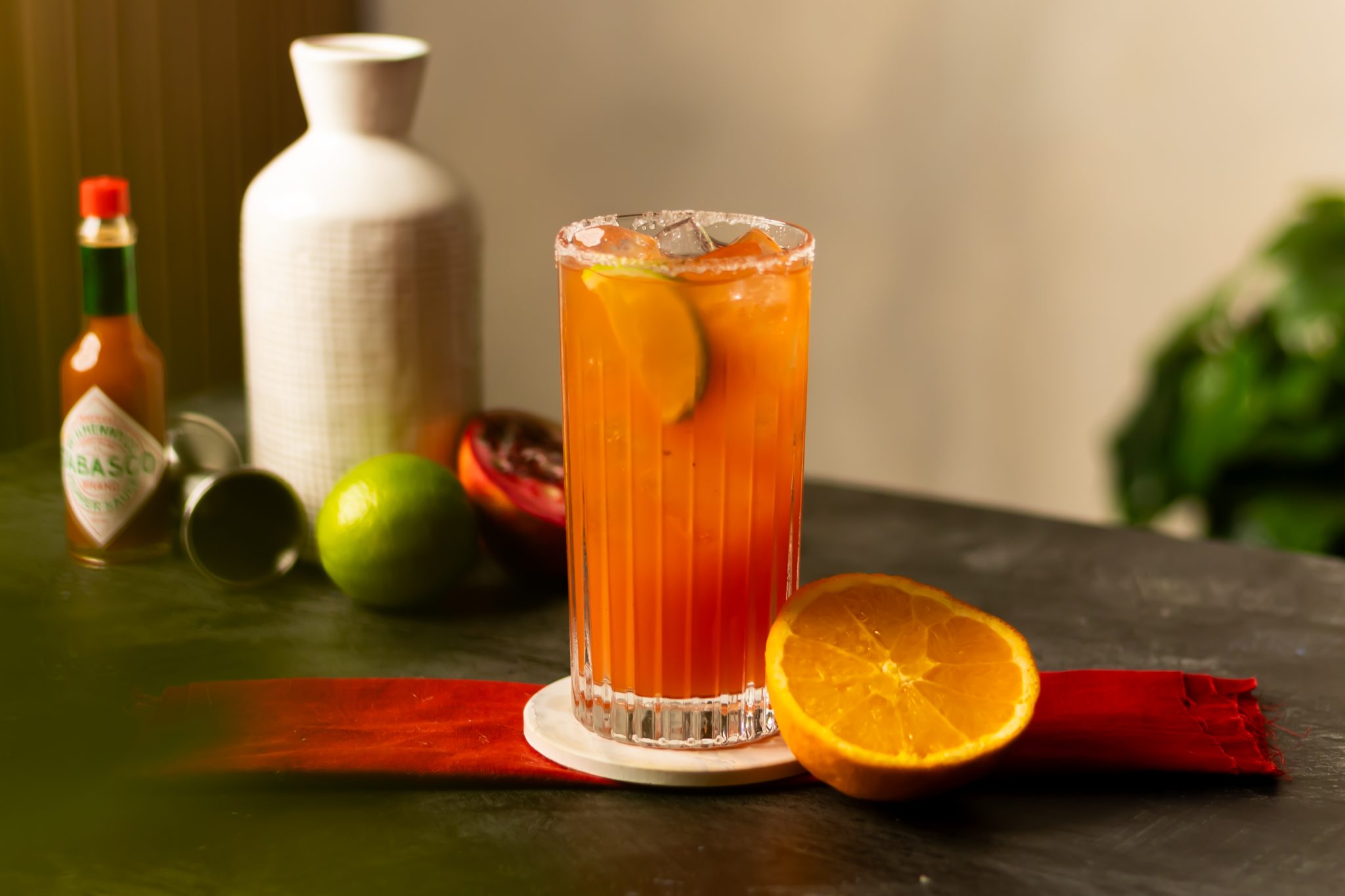
- Example: The Bloody Mary and its cousins (the Bloody Cesar, Bloody María, Red Snapper). The thick texture of the tomato juice benefits from rolling, which combines the juice with the vodka and spices evenly without creating an undesirable foam. It also prevents the tomato juice from getting too watery and helps preserve its rich, silky texture.
2. Wine or Fortified Wines
If your cocktail includes fortified wine (such as vermouth, Port, or Sherry wine), you may want to consider rolling your drink: just as red wine, these wines benefit from aeration as it allows their flavors to fully develop.
- Example: A Bamboo cocktail, made out of vermouth and Sherry wine, really shines when rolled. Also, it may not be the conventional way of doing it but try rolling your Negroni the next time you make one! It will allow the flavors to open and fully develop, and it’s definitely worth a try.
3. When you want a little bit more dilution
Just as we mentioned with the Negroni, sometimes rolling is a good option when you want a spirit-forward drink with a little bit more of dilution: while shaking will probably be too much and will impair the texture of your Negroni, Martini or Manhattan (nobody really wants a bubbly Manhattan), rolling can be a good alternative for these days when you want to enjoy the classics slightly on the lighter side.
Tools Needed for Rolling a Cocktail
Before you start rolling, make sure you’ve got the right tools. Here’s what you’ll need:
1. Mixing Tins or Glasses
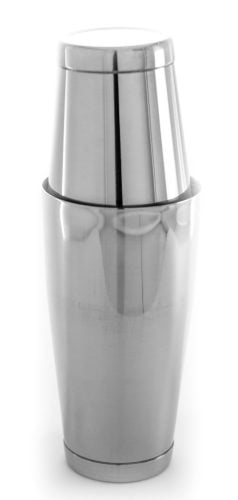
You need two containers for rolling a cocktail—one to pour from, and one to catch the liquid. Boston shakers are the perfect choice because of their open-ended design and wide opening, but any two mixing glasses or tins will do the job.
2. Strainer
Use a cocktail strainer, either Julep or Hawthorne style, to keep the ice cubes inside the tin when rolling.

How to Roll a Cocktail: Step-by-Step
Now for the fun part—let’s roll a cocktail. Here’s a step-by-step guide to help you master the technique.
1. Prep Your Ingredients
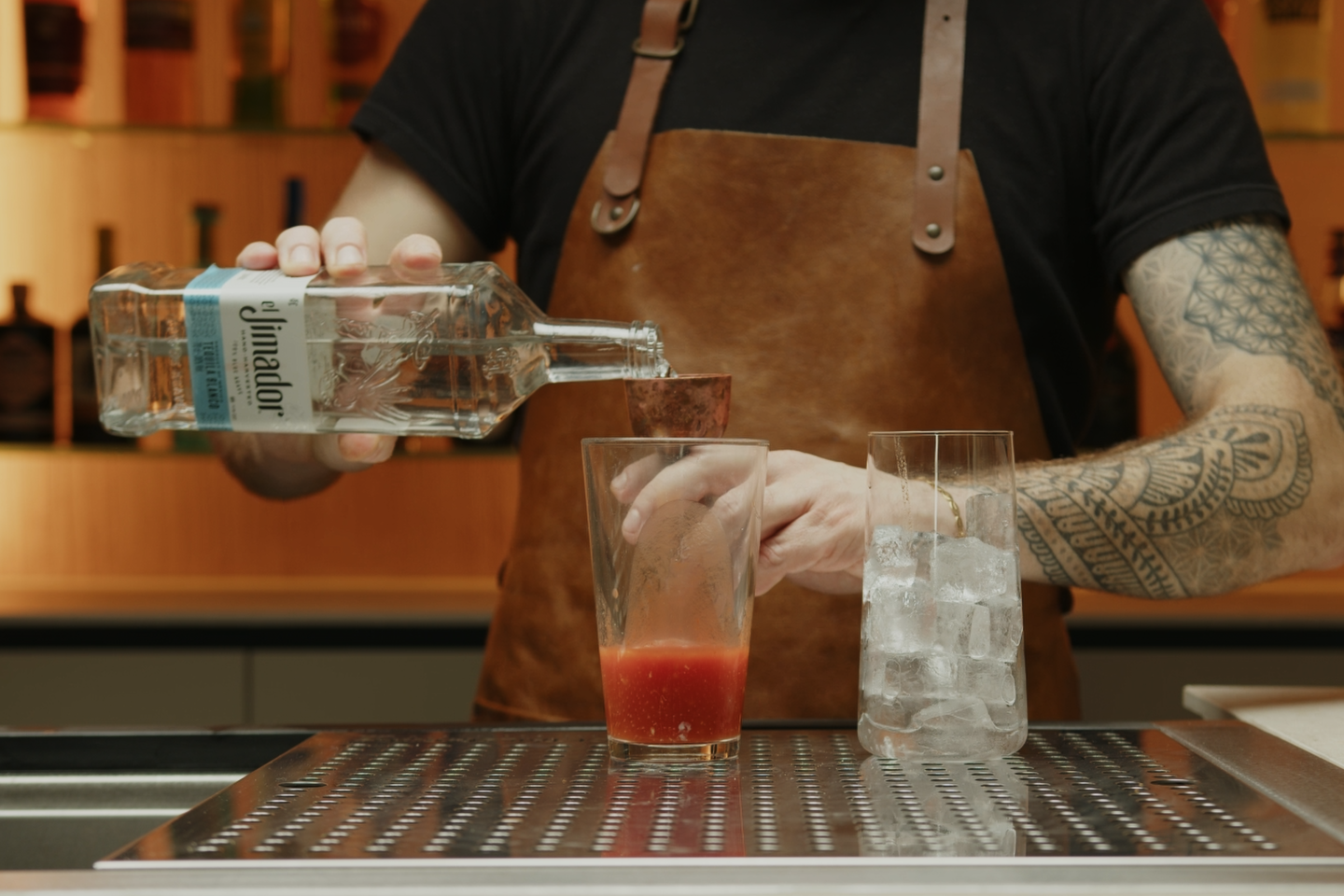
Start by preparing your cocktail ingredients as you normally would. Measure out all the ingredients and place them into one of your mixing tins or glasses.
2. Add Ice
Fill the tin containing the ingredients with ice cubes, as you would if you were going to shake the drink. The ice will chill the cocktail and dilute it slightly as you roll. Place the cocktail strainer on top of the tin to prevent the ice from falling when rolling.

3. Start Pouring
Hold one tin in each hand. It is generally advised to hold the tin with the ice cubes and strainer in your dominant hand. Tilt them at a slight angle, and pour the cocktail from one tin into the other. Pour slowly and smoothly—this isn’t about speed, it’s about control. You want the liquid to move gently from one tin to the next without spilling or splashing.

4. Repeat
Pour the liquid back into the tin filled with ice, and repeat the process of pouring the cocktail from one tin to the other about 3–5 times. This allows the ingredients to mix evenly and the drink to chill, but without too much dilution.
5. Strain and Serve
Once the cocktail is well-mixed and chilled, pour the cocktail into your serving glass. Garnish as desired, and serve immediately.
Key Differences Between Rolling, Shaking, and Stirring
Rolling, shaking, and stirring all have their places in the cocktail-making world. So how do they differ, and why would you choose rolling over the other methods?
Rolling vs. Shaking
- Shaking is aggressive—it aerates the drink and breaks down the ice quickly to chill the drink fast. It’s perfect for cocktails like a Daiquiri or a Margarita that need to be well-mixed and quickly chilled.
- Rolling, on the other hand, is gentler. It combines ingredients without introducing too much air, which means the drink will be smoother and less foamy. It’s ideal for drinks that need a more refined texture, the Bloody Mary being the best and most famous example.

Rolling vs. Stirring
- Stirring is for cocktails that are already balanced and just need to be chilled, like a Martini or an Old Fashioned. Stirring keeps the drink crystal clear and minimally aerated.
- Rolling adds a bit more aeration and mixing than stirring but without the cloudiness that shaking can introduce. It’s best for drinks with heavier ingredients that need a bit more than just a stir, but it can also do wonders on boozy drinks such as a Negroni or a Boulevardier.

Common Mistakes When Rolling Cocktails
Even though rolling is a relatively simple technique, there are a few common mistakes to watch out for:
1. Spilling
Rolling involves pouring liquid from one container to another, so spills can happen if you’re not careful. Keep the tins or glasses close together and tilt them at an angle to maintain control over the flow. Also, rolling is not and has never been an easy technique: just remember that practice makes perfect (and you can train with water before!).
2. Not Aerating the drink
It can be tempting to roll a cocktail by keeping the two tins really close to each other. Although it is true that you’re assured of not making a mess, rolling this way kind of defies the point of rolling as it won’t bring any motion or aeration to the drink.
You can control how much air you introduce into the drink by adjusting the height of your pour. A higher pour will add more air, creating a lighter, more aerated drink, while a lower pour will keep the drink denser and smoother. Just keep in mind that, even when going for a lower pour, you want the two tins to be separated by at least 30 cm.
3. Not Enough Mixing
If you don’t roll the drink enough, it might not be fully blended. If the cocktail feels like it’s separating or tastes uneven, give it a couple more rolls.
Conclusion: Master the Roll and Elevate Your Cocktails
Rolling is a subtle but powerful technique that can make a big difference in the texture and balance of your cocktails. Although mostly used for Bloody Marys, rolling is a classic technique that’s both efficient and impressive (and also very satisfying) that we encourage any bartender or future bartender to practice and master.
At drinksworld.com, we love exploring the little details that make a cocktail truly great, and rolling is one of those techniques that every home bartender should have in their toolkit.
So, grab your mixing tins, get rolling, and elevate your cocktail game with this classic technique. Cheers!