If you’re hosting a party, running a busy bar, or just want to impress your friends at your next gathering, nothing says “pro bartender” like serving a perfectly balanced cocktail straight from a keg.
Kegging cocktails isn’t just for beer anymore—it’s one of the coolest ways to make large-batch drinks with perfect consistency, and it’s a game-changer for anyone who loves the idea of quick, flawless pours. If you’ve ever wondered how bars manage to pour that Negroni or Moscow Mule on draft with no fuss, we’ve got you covered. We’re taking a closer look at the art of kegging cocktails, why it’s awesome, and how you can master it.
Why Keg Cocktails?
Convenience
Think about how much time you’d save if, instead of making individual cocktails every time someone orders one, you could just pull a lever and pour a perfectly mixed drink. That’s the beauty of kegging. You can prepare everything in advance, keg it, and let the system do the work. Whether you’re hosting a big event or running a busy bar, kegging cocktails means less time shaking drinks and more time enjoying them.
Consistency
Ever made a cocktail that tasted incredible one time and “meh” the next? Kegging eliminates the guesswork. By batching your cocktails and kegging them, you ensure that every pour is consistent in flavor, strength, and balance. That’s key for cocktails like Negronis, Margaritas, or Old Fashioneds, where ratios are crucial.
Speed
The worst thing at a party or bar is waiting forever for a drink. With kegged cocktails, the wait time is slashed because your drinks are pre-made. Just pour and serve. It’s an absolute win for anyone dealing with high-volume service or impatient guests.
Longer Shelf Life
Kegging not only helps maintain the freshness of the cocktail but also, if done right, keeps the flavors bright and stable for days or even weeks. Carbonated cocktails stay fizzy, and non-carbonated ones remain balanced because they’re stored under pressure.
Types of Cocktails Ideal for Kegging
Before you start kegging, let’s talk about which cocktails work best for this method. Some drinks thrive in a keg, while others don’t quite make the cut.
Carbonated Cocktails
Cocktails that traditionally have some fizz—think Aperol Spritzes, Gin and Tonics, or Moscow Mules—are perfect candidates for kegging. The CO₂ not only carbonates the drink but also keeps it pressurized, meaning every pour is fresh and fizzy. Plus, you get that satisfying sound of bubbles when the cocktail hits the glass.

Spirit-Forward Cocktails
Non-carbonated, spirit-forward cocktails like Old Fashioneds, Negronis, and Manhattans are also great for kegging. They don’t need carbonation, but kegging ensures a perfect balance between the spirits and any other ingredients (like bitters or syrups). You’ll get the same robust flavor every time, without the fuss of mixing each drink individually.

Mixed Cocktails with Syrups or Infusions
If you’re into experimenting with house-made syrups or infusions, kegging is a great way to showcase them. Drinks like Margaritas, Palomas, or even Mai Tais can benefit from being kegged, ensuring that every element—whether it’s a syrup or citrus juice—is evenly distributed and perfectly mixed.

What You’ll Need to Keg Cocktails
Now that we’ve covered the why and the what, let’s talk about the how. Kegging cocktails requires a few key pieces of equipment, but don’t worry—we’ll break it all down so you know exactly what you need to get started.
Kegs
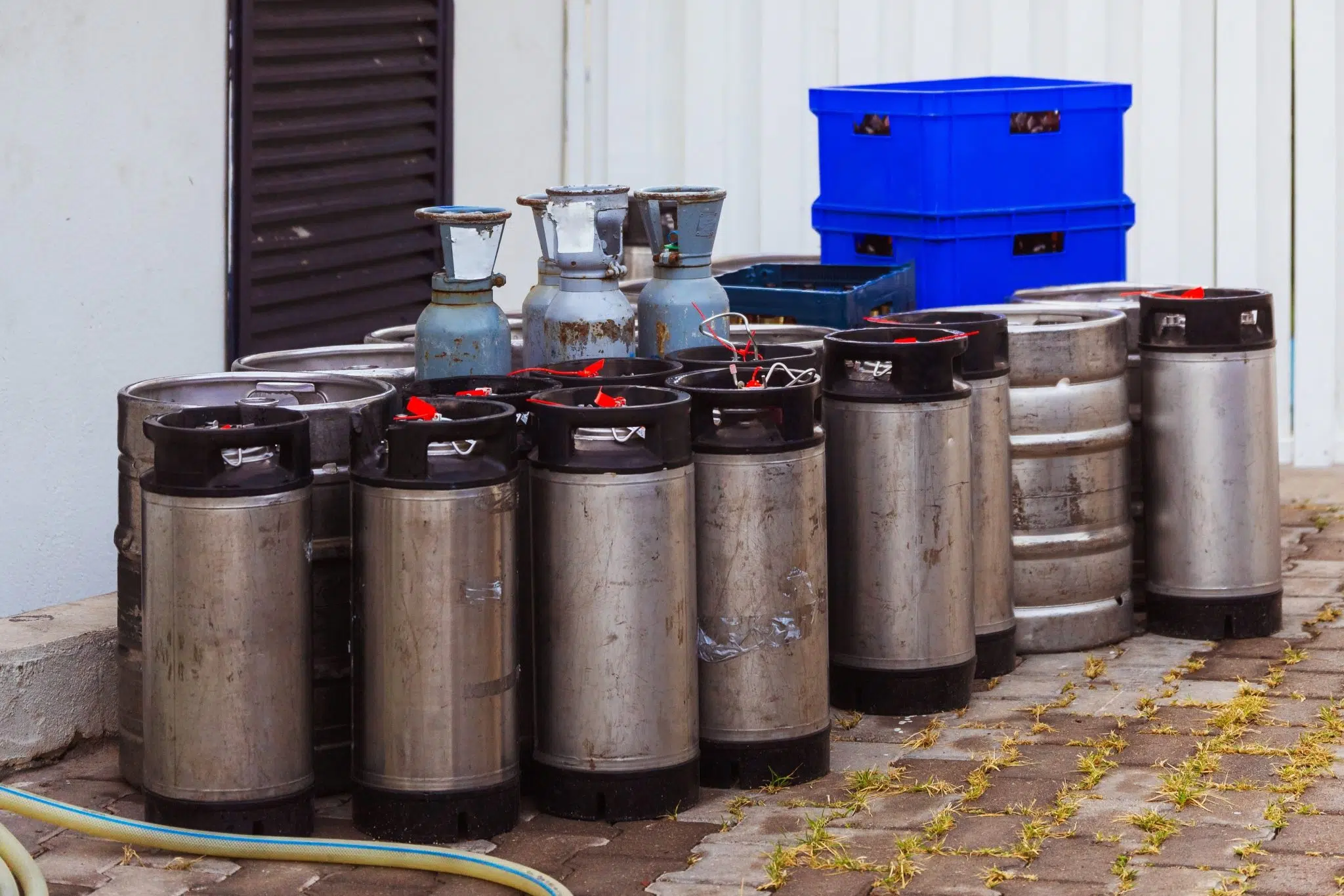
The star of the show. For cocktails, you’ll most likely use Cornelius kegs (aka Corny kegs), which are widely available in sizes ranging from 5 liters to 20 liters. They’re easy to clean and built to handle both carbonated and non-carbonated drinks. Choose the size based on your batch needs—5 liters for smaller gatherings and up to 20 liters for larger events.
Pro Tip: Make sure your keg is stainless steel to avoid off-flavors from plastic or aluminum.
CO₂ Tank
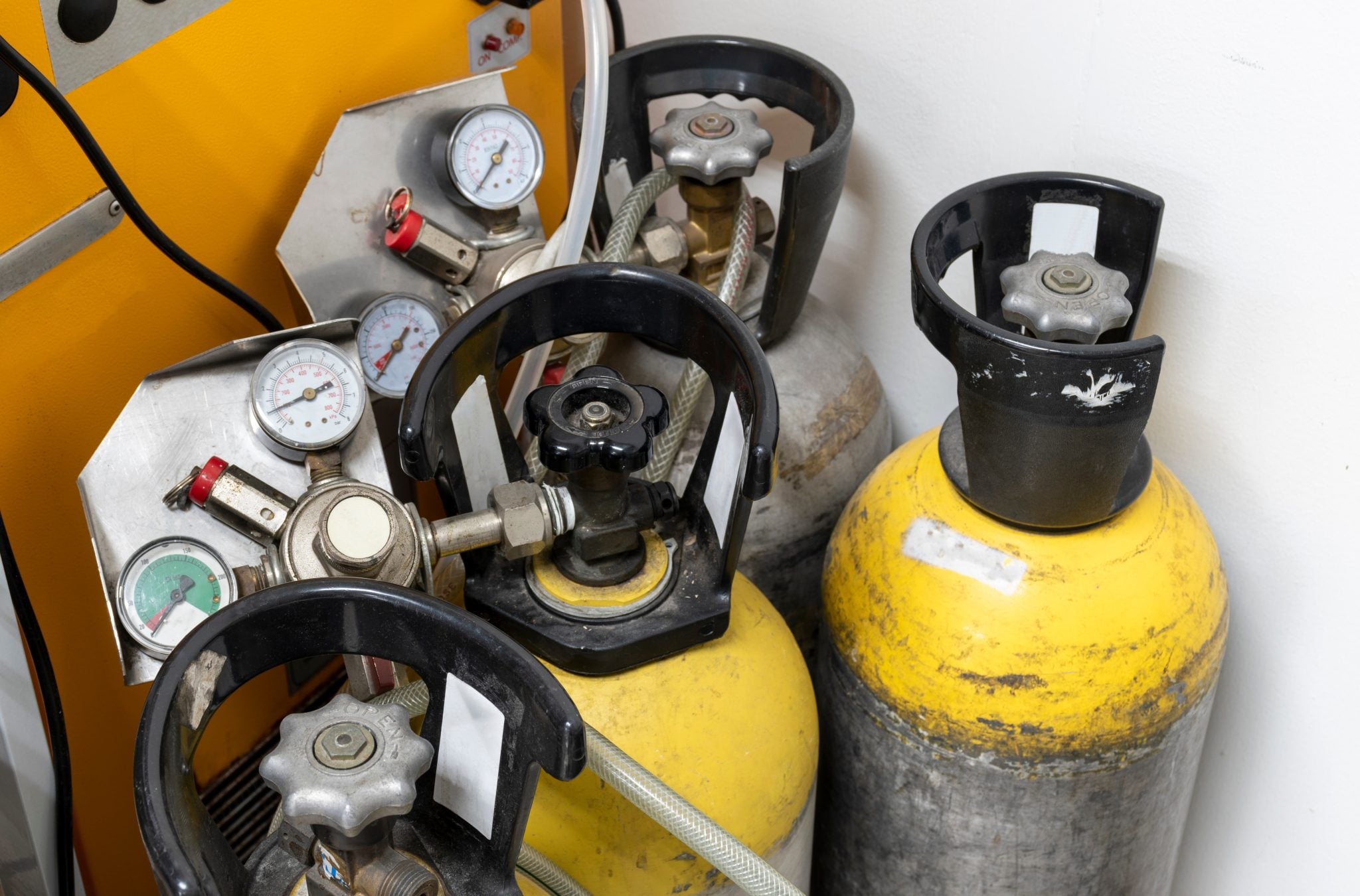
For carbonating cocktails, you’ll need a CO₂ tank. This tank provides the pressure to push the liquid from the keg to the tap and keeps carbonated cocktails, well, carbonated. You can get CO₂ tanks in different sizes, but for home or smaller-scale use, a 5-pound tank is usually more than enough.
CO₂ Regulator: This device attaches to the CO₂ tank and allows you to control how much pressure is applied to the keg. For most cocktails, you’ll want to set the regulator between 10 and 15 PSI (pounds per square inch).
Cocktail Lines and Tap System
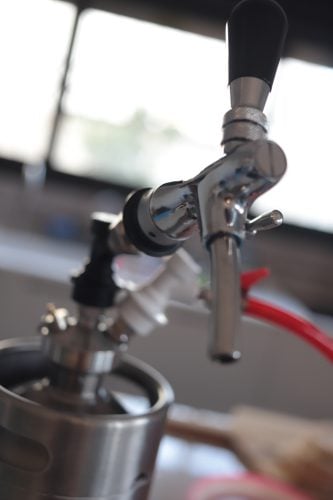
You’ll need cocktail lines to connect your keg to a tap for dispensing. These lines transport the liquid from the keg to the tap, and you can choose either a portable tap system or an integrated bar tap, depending on your setup.
For smaller events or home use, a portable draft system is perfect. It’s easy to set up and doesn’t require any permanent installation.
Nitrogen (Optional)
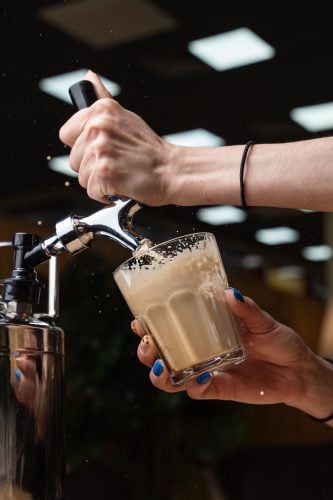
If you want to get fancy with creamy cocktails, like an Espresso Martini or a White Russian, you can swap out the CO₂ for nitrogen (N₂). Nitrogen creates a creamy, silky texture without the bubbles that come from carbonation, giving your drinks a smooth, draft-like finish.
Step-by-Step Guide to Kegging a Cocktail
Ready to keg your first cocktail? Follow these steps to get it right every time.
Prepare the Cocktail
Start by batching your cocktail in the correct proportions. Whether you’re making a large batch of Negronis or a fizzy gin and tonic, make sure to scale up your recipe to match the size of your keg.
Tips for Batching:
- Scale up: Take your standard cocktail recipe and multiply it by the number of servings you want. If your keg is 5 liters, that’s about 169 oz. So, for example, if your cocktail recipe serves 1 person at 4 oz, multiply that by 42.25 to fill a 5-liter keg.
- Pre-mix non-alcoholic ingredients separately: If your cocktail includes citrus or syrups, mix them separately from the alcohol and combine them just before kegging. This prevents the acids or sugars from causing off-flavors.
Clean and Sanitize the Keg
Before filling your keg, clean and sanitize it thoroughly. You don’t want any leftover residue or bacteria messing with the flavors of your cocktail.
Steps to Clean:
- Rinse the keg with hot water.
- Use a specialized cleaner (like PBW or Star San) to scrub the inside of the keg.
- Rinse again with cold water and make sure to sanitize the lines and tap system.
Pro Tip: Always clean your keg immediately after use to prevent any cocktail residue from sticking and ruining your next batch.
Fill the Keg
Once your keg is clean, fill it with the cocktail mixture. Be sure to leave some headspace at the top of the keg—about 2 inches. This space allows for carbonation if you’re carbonating the cocktail, or just makes room for pressure if you’re kegging a non-carbonated drink.
Carbonate the Cocktail (if needed)
If you’re carbonating the cocktail, this is where the CO₂ tank comes into play. Attach your CO₂ tank to the keg, set your regulator to the correct PSI (usually between 10 and 15), and let the CO₂ infuse into the liquid. This can take anywhere from a few hours to overnight, depending on the cocktail and desired level of fizz.
Fast Carbonation Method:
To speed up carbonation, you can roll the keg back and forth on the floor while it’s connected to the CO₂. This helps the gas dissolve more quickly.
Pressurize Non-Carbonated Cocktails
For non-carbonated drinks like Negronis or Margaritas, you still need to pressurize the keg to push the liquid out of the tap. Set the PSI lower (around 5-10), and you’re good to go. The pressure will keep the cocktail fresh and make serving a breeze.
Set Up the Dispensing System
Now it’s time to serve! Set up your tap system, connect the lines, and adjust the CO₂ regulator to maintain a steady pour. Test a small sample to make sure the cocktail is flowing correctly and tastes balanced.
Serving Cocktails from a Keg
Once you’ve got your kegged cocktail ready to go, serving is the fun part. Here’s what to keep in mind:
Temperature Control
Serve your kegged cocktails at the right temperature. Cocktails like Gin and Tonics or Margaritas should be served cold, so keep the keg refrigerated or use an ice bucket to chill the keg. If it’s a spirit-forward cocktail like a Negroni, serving slightly chilled but not ice-cold works best.
Pouring Techniques
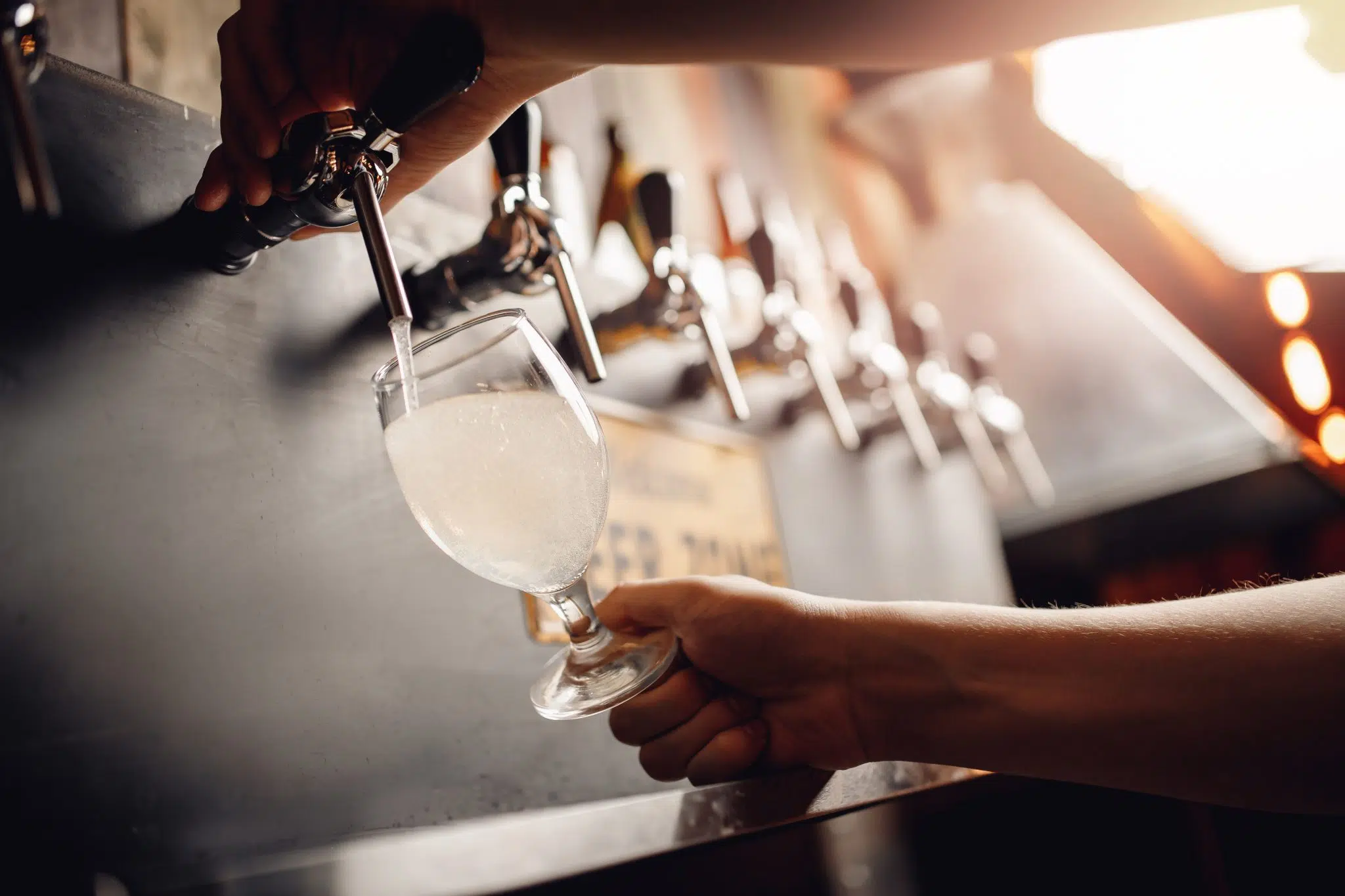
When serving, make sure to pour at a consistent speed to avoid foaming (especially with carbonated drinks). If you notice excessive foam, check the PSI setting and adjust accordingly.
Adjusting Recipes for Kegging
When kegging a cocktail, sometimes you’ll need to tweak your recipe to suit the format. Here’s how to adjust for kegging:
Adjusting for Dilution
When you batch cocktails, you’ll want to account for dilution (especially with spirit-heavy cocktails). If the cocktail is usually shaken or stirred with ice, add a small amount of water to mimic the dilution that would naturally occur.
Balancing Sweetness and Acidity
Batching a cocktail can sometimes amplify sweetness or acidity, so taste as you go. You may need to reduce the sugar or increase the acidity slightly when scaling up recipes.
Carbonation Considerations
For carbonated cocktails, be mindful that carbonation can affect the perceived sweetness and acidity. Taste the cocktail after it’s carbonated and adjust accordingly if needed.
Maintaining Freshness and Quality
Once your cocktail is kegged, you want to keep it fresh for as long as possible. Here’s how:
Storage
Store the keg in a cool, dry place, ideally refrigerated. Carbonated cocktails should always be kept cold to maintain fizz.
Shelf Life
Most kegged cocktails will last 1-2 weeks, though some (like Negronis or Old Fashioneds) can last up to a month if stored properly. Just be sure to keep them pressurized to maintain freshness.
Cleaning and Maintaining Your Kegging System
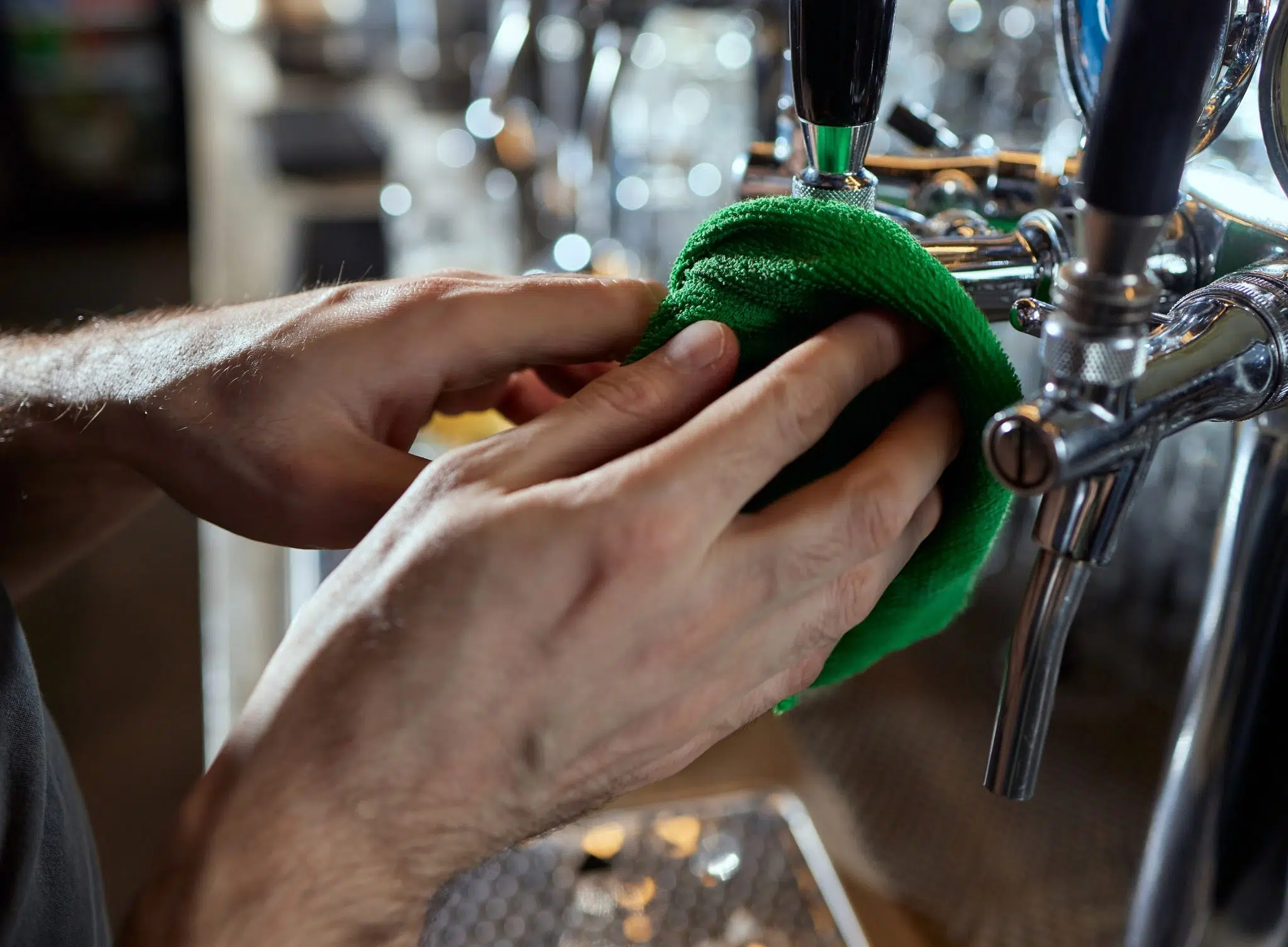
Cleaning is key to keeping your kegging system in good working order. After each use, clean the keg, lines, and tap system thoroughly.
Steps:
- Disassemble the system and rinse all parts with hot water.
- Clean the keg and lines with a specialized cleaner.
- Rinse everything well and let it air dry before storing.
Conclusion: Elevate Your Cocktail Game with Kegging
Kegging cocktails is more than just a time-saver—it’s a way to bring consistency, efficiency, and a touch of showmanship to your cocktail service. Kegging cocktails for a party, a bar, or even just for fun at home can elevate your drinks to a whole new level when you master the craft. At drinksworld.com, we’re all about helping you craft cocktails that impress; kegging is one of the best ways to do that.
So, get your gear ready, mix up a batch, and start pouring perfectly balanced, delicious, and oh-so-easy drinks to serve.