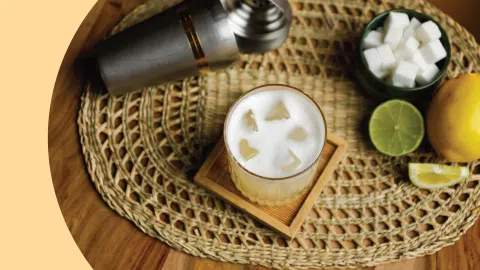
“Scotch whisky” gets its name from its Scottish origin. “Scotch” is short for “Scottish,” and “whisky” comes from the Gaelic “uisge beatha,” meaning “water of life.” Over time, “uisge” became “whisky.” The term “Scotch” distinguishes whisky made and aged in Scotland, following strict regulations.
According to the official Scotch Whisky Regulations of 2009, there are 5 types of Scotch whisky:
- Single Malt Scotch Whisky is produced at a single distillery using only malted barley and distilled in copper pot stills. This type is known for its rich, complex flavors, often reflecting the unique characteristics of the distillery where it’s made. Popular brands include The Glenlivet, Macallan, Glenfiddich, and Lagavulin.
- Single Grain Scotch Whisky is also made at a single distillery but can use other grains besides barley, such as wheat or corn. It’s distilled using a column still, allowing for a lighter, smoother spirit than the pot stills used for single malts. Popular brands include Haig Club, and Cameronbridge.
- Blended Scotch Whisky is the most common type of Scotch worldwide, accounting for about 90% of the market. It’s a mix of single malt whiskies with one or more single grain whiskies, resulting in a balanced and consistent flavor. Popular brands include Johnnie Walker, Chivas Regal, and Dewar’s.
- Blended Malt Scotch Whisky is a blend of two or more single malt whiskies from different distilleries. It combines the distinct characteristics of each malt, creating a unique flavor profile. Popular brands include Monkey Shoulder and Johnnie Walker Green Label.
- Blended Grain Scotch Whisky is made by blending two or more single-grain whiskies from different distilleries. It’s less common than blended malt but offers a lighter, smoother taste. Popular brands include The Famous Grouse Snow Grouse and Compass Box Hedonism.
While these are the official categories, regional styles of Scotch, age statements and cask influence add further diversity to the world of Scotch whisky, significantly impacting the flavor profile.
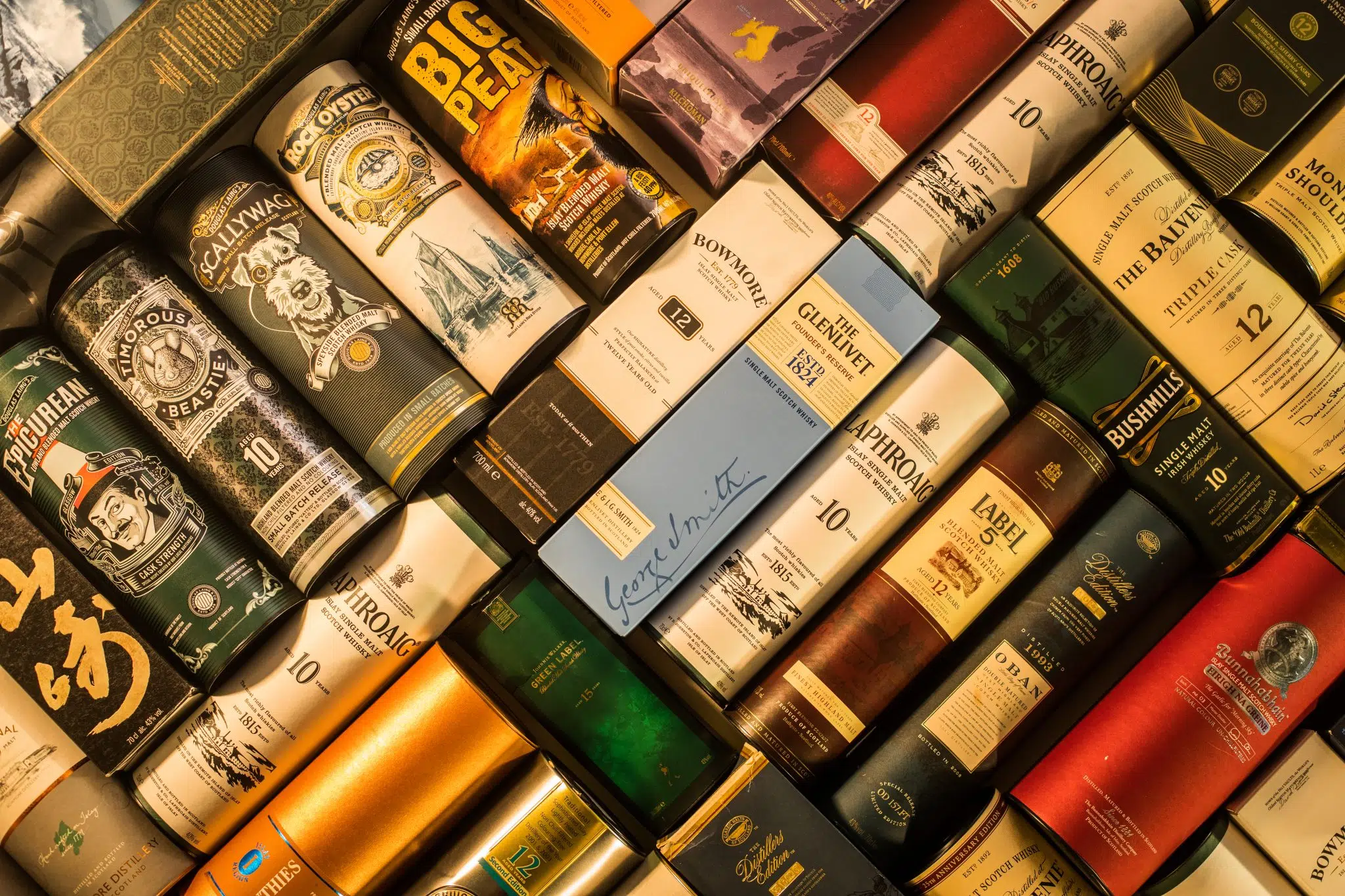
Regional Styles of Scotch Whiskey
Scotch whisky’s flavor profile can be heavily influenced by its region of origin, leading to distinct styles. Although not officially categorized by regulations, these 5 region of Scotch are well-recognized:
- Highlands is known for diverse flavors, from peaty and smoky to sweet and floral. Highland malts are usually full-bodied. Popular distilleries include Glenmorangie and Highland Park.
- Speyside region is renowned for its lighter, sweeter whiskies, often with notes of fruit, honey, and vanilla. It produces the most Scotch of any region. Top brands are The Glenlivet, Macallan, and Glenfiddich.
- Islay is famous for its heavily peated, smoky whiskies with briny, medicinal flavors. Islay whiskies are bold and often divisive. Notable distilleries include Laphroaig, Ardbeg, and Lagavulin.
- Lowland is generally lighter and more delicate, with floral, grassy, and slightly citrusy notes. Lowland whiskies are good for those preferring a subtler flavor. Examples include Auchentoshan and Glenkinchie.
- Campbeltown stands for complex, rich, and slightly maritime whiskies. It was once a major whisky hub but now has only a few distilleries remaining. Key distilleries include Springbank and Glen Scotia.
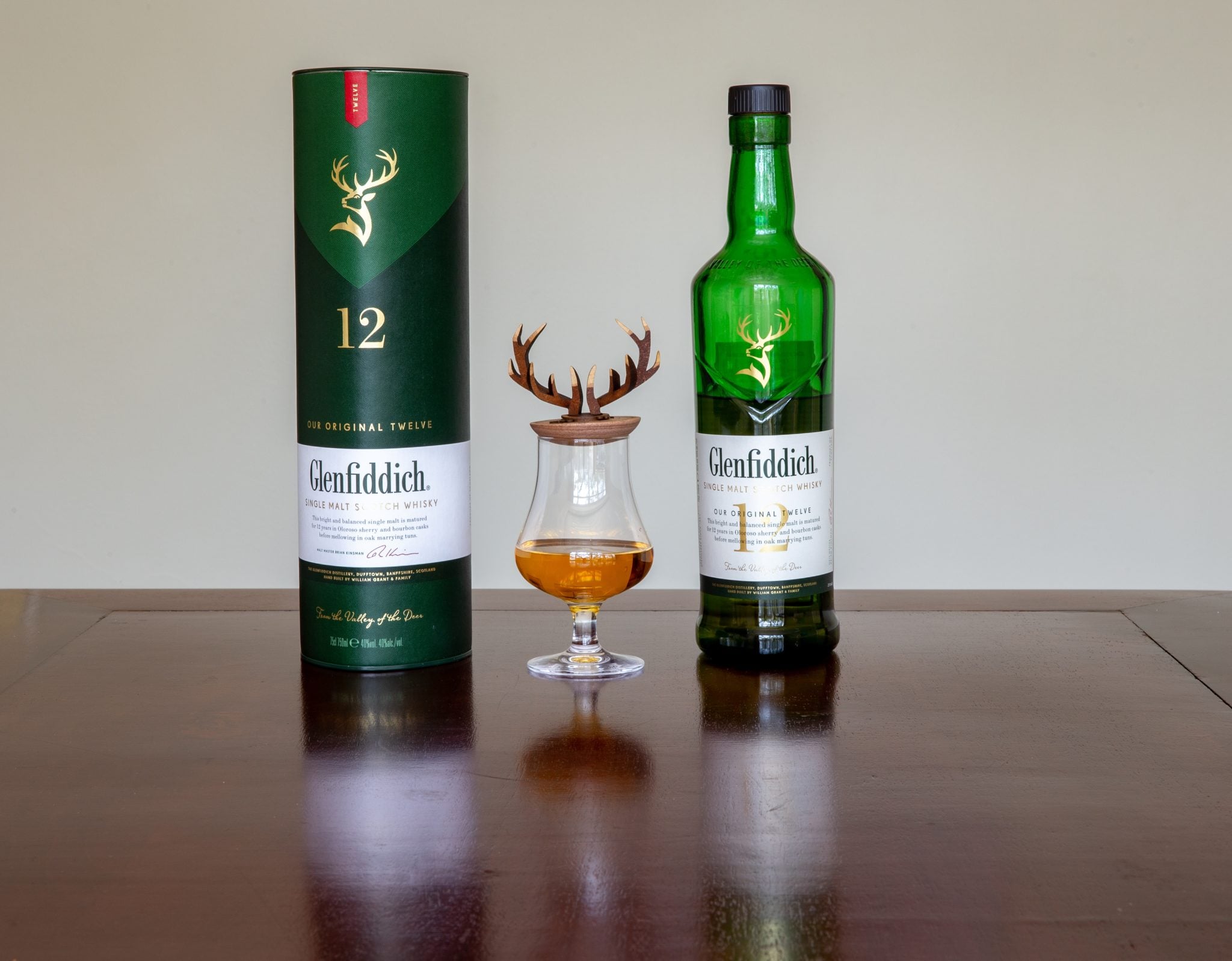
Age Statements
Scotch whiskies often have age statements on the bottle, indicating how long the whisky has been aged in oak barrels. The aging process can greatly influence the flavor, and legally, Scotch must be aged for at least three years. Common age statements include:
- Young (3-8 years) – Often more robust and straightforward flavors.
- Mature (10-18 years) – More balanced, with a mix of youthful vigor and complex aged characteristics.
- Aged (20+ years) – Rich, deep flavors, often more mellow but layered, with strong oak and tertiary notes.
Cask Influence
Another way to categorize is by the type of cask used for aging:
- Ex-Bourbon Casks – Imparts vanilla, caramel, and coconut notes.
- Sherry Casks – Adds richer, fruitier flavors with hints of spice, dried fruit, and nuts.
- Port, Rum, or Wine Casks – These casks add sweetness, spice, or fruity notes.

Scotch Whisky Price Range Insights
The price of Scotch whisky can vary significantly depending on factors like age, rarity, and production methods.
Single Malt Scotch Whisky is the most expensive due to its quality and craftsmanship, with younger bottles starting around $40 and well-aged, premium malts easily exceeding $200. Rare or limited editions can even reach thousands. Single Grain Scotch Whisky is generally more affordable, starting at about $30, though older or special expressions may cost more. Blended Scotch Whisky is the most accessible, with standard blends priced from $20 to $60, while premium options like Johnnie Walker Blue Label can go over $200. Blended Malt Scotch Whisky falls between single malts and blended in price, ranging from $40 to $100 or more, depending on age and exclusivity. Finally, Blended Grain Scotch Whisky shares a similar affordability with single grain, starting at $30.
More Types of Liquor include Types of Liqueur – Types of Vodka – Types of Brandy – Types of Tequila
FAQs
Is Scotch considered a type of whisky?
Yes, Scotch is a specific type of whisky. It refers to whisky made exclusively in Scotland, following strict guidelines set by Scottish law. To be classified as Scotch, the whisky must be distilled from malted barley (and sometimes other grains), aged for at least three years in oak barrels, and produced according to traditional methods.
Is it spelled “Scotch Whisky” or “Scotch Whiskey”?
The correct spelling for Scotch is whisky (without the “e”). This follows the Scottish tradition of spelling it “whisky,” which is also used by Canadian and Japanese producers. In contrast, “whiskey” with an “e” is used for spirits from Ireland and the United States.
So, when referring to Scotch, it’s always whisky!
Which is the smoothest type of Scotch?
The smoothest type of Scotch whisky is the Single Grain Scotch Whisky. This is because it’s often distilled using column stills, creating a lighter, smoother spirit than the pot stills used for Single Malt. Additionally, single-grain whiskies can incorporate other grains like wheat or corn, which contribute to a softer, milder flavor.
Which is the most popular Scotch?
Blended Scotch whisky is the most popular type globally, accounting for about 90% of the Scotch market! This popularity is largely due to its accessibility and consistent flavor, which comes from blending different single malts and single grains. Brands like Johnnie Walker, Chivas Regal, and Ballantine’s dominate this category. The blending process allows for a balanced, smooth taste, which appeals to a broad audience. It’s also the most commonly used type in scotch cocktails like the Rusty Nail, Scotch & Soda, and the Rob Roy. Single malts, on the other hand, are generally enjoyed neat.
Why do some sources list 4 categories of Scotch instead of 5?
Some sources simplify it into four categories by combining “Blended Malt” and “Blended Grain” under the broader category of Blended Scotch Whisky. This approach groups all blends (malt, grain, or mixed) as “blended” whiskies without separating them further. This simplification can lead to the listing of 4 main types:
- Single Malt
- Single Grain
- Blended Scotch (encompassing all blends)
- Blended Malt (sometimes omitted or grouped with Blended Scotch)
The 2009 regulations, however, make a clear distinction, which is why the official categorization remains at five types.