We’ve all heard it before— “Is it spelled whiskey or whisky?” It’s one of those questions that pops up almost every time the conversation shifts to everyone’s favorite brown spirit. The debate sparks up, and suddenly, everyone’s got an opinion. But let’s be real: while people love to get into the nitty-gritty of it, the difference between whiskey and whisky is much simpler than most think:
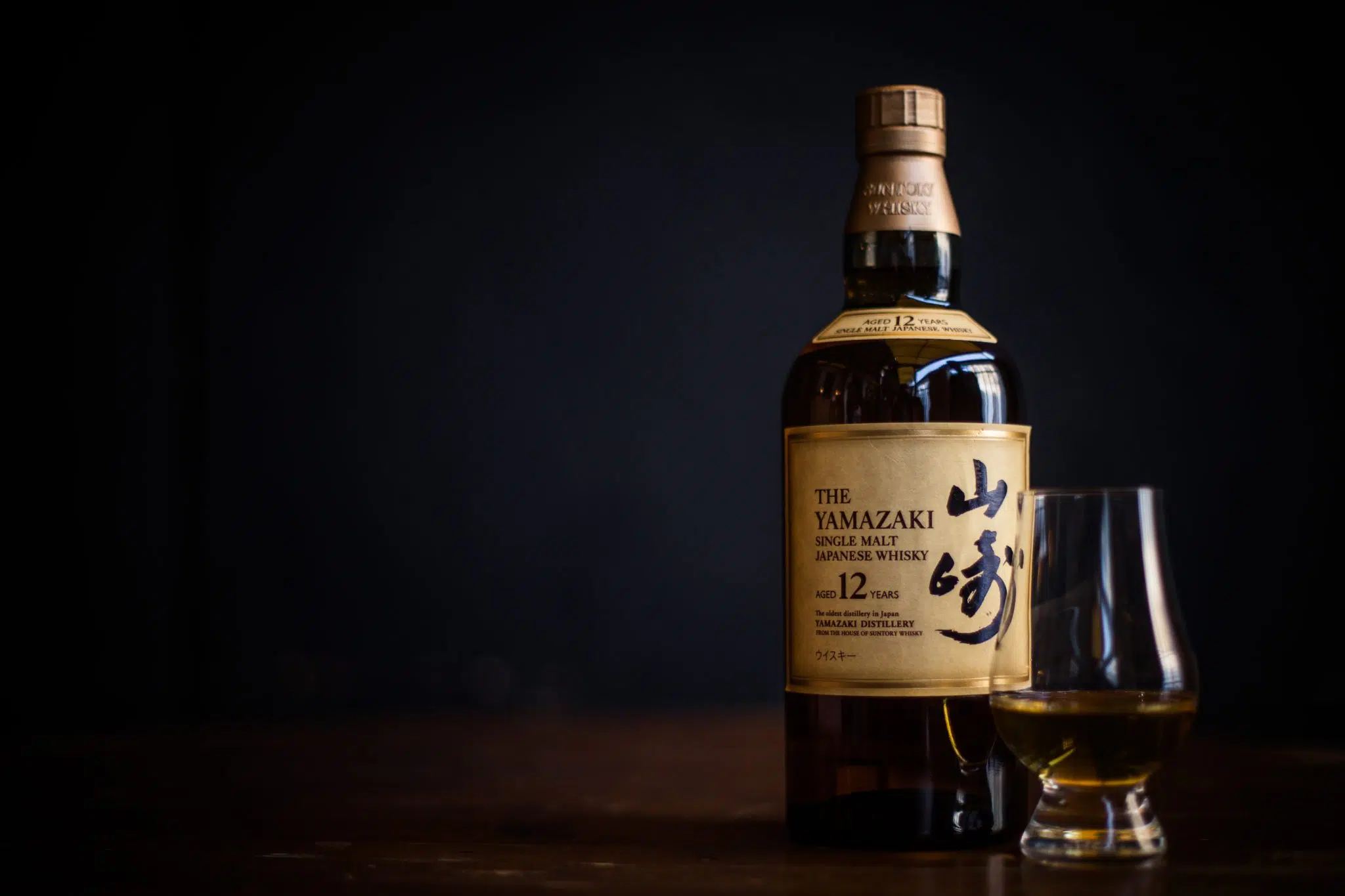
The difference between “whiskey” and “whisky” is based on location. “Whiskey” (with an “e”) refers to spirits from Ireland and the United States, while “whisky” (without the “e”) is used for those from Scotland, Canada, and Japan. The variation in spelling reflects regional traditions.
That’s it! The spelling clue tells you the origin of the bottle in your hand. So, next time you’re shopping for a bottle, take a look at the label—if it’s American or Irish, you’ll see “whiskey.” If it’s Scottish, Canadian, or Japanese, “whisky” is the way to go.
Why the Spelling Difference?
You might be wondering why we even have this difference in the first place. As with most things, it’s a mix of history and tradition.
The Irish added the “e” to their “whiskey” in the late 19th century to set themselves apart from Scotch whisky, which they believed was inferior at the time. The U.S. followed suit, adopting the Irish spelling when whiskey-making took off in America. Meanwhile, the Scots stuck to their traditional spelling, and it became standard for other whisky-producing nations like Canada and Japan.
In the end, it’s less about taste and more about pride in where the spirit comes from. Both spellings represent the rich histories of their respective countries.
Related: 7 Different Types of Whiskey and Brands Explained
Is There a Difference in Taste?
Now, this is where things get interesting. While the spelling is tied to location, the production methods and aging processes influence taste, not the letters on the label.
- Scotch whisky is typically distilled twice and has a distinctive smoky flavor due to the use of peat in the malting process.
- Irish whiskey is often triple distilled, giving it a smoother, lighter profile, making it easier to sip neat.
- American whiskey, especially bourbon, is sweeter and richer, thanks to the corn-heavy mash used in production.
- Canadian whisky tends to be lighter and smoother, and it often blends rye, corn, barley, and wheat.
- Japanese whisky is often compared to Scotch for its similar production methods but has its own nuanced, elegant flavor profile.
Learn to mix up these spirits: whiskey cocktails – japanese whisky cocktails – rey whiskey drinks – scotch drinks
Is Bourbon a Whisky or Whiskey?
Bourbon is a whiskey (with an “e”) because it is made in the United States, which follows the Irish tradition of using that spelling.

The Final Word
At the end of the day, whether you’re pouring “whiskey” or “whisky” into your glass, what matters most is the experience. Sure, we can debate the spelling all we want, but let’s be honest—both versions have their own distinct charms.
So, the next time someone sparks up the “whiskey vs. whisky” debate, you’ll know the real story behind it. And hey, if you want to impress, pour them a dram and share a bit of this history. After all, the best way to settle the debate is over a glass of the good stuff, no matter how you spell it.