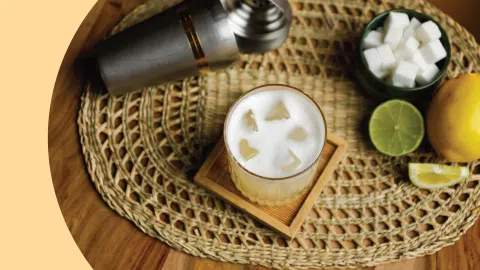
Enjoy it neat, on ice, in a Martini, or as the star of a Cosmopolitan at the bar—vodka varieties fit any taste. It’s no wonder it’s one of the world’s favorite spirits, with famous brands like Smirnoff, Absolut, and Grey Goose leading the charge. In the U.S., Smirnoff holds the spot as the top-selling brand.
While there’s no official classification, vodka is usually grouped into three main types: plain , flavored, and infused vodka.
Keep reading to learn all about the differences.
What is Vodka?
Vodka is a clear distilled alcoholic beverage originating from Poland and Russia. Traditionally, it’s produced by distilling liquid from fermented grains like wheat or rye, though some vodkas are still made from potatoes, a practice that has become less common over time. Distilled spirits were introduced in Russia in the mid-15th century and were initially used and consumed for their supposed medicinal properties. The word ‘vodka’ actually comes from the Russian expression ‘Zhiznennia voda,’ meaning ‘Water of Life.’ Over time, this was shortened to ‘vodka,’ meaning ‘little water,’ and under this name, the clear spirit began spreading worldwide.
Types of Vodka
One of the great things about vodka is its versatility: there’s a type for every palate. You don’t even need to prefer your spirits neat to appreciate the crisp cleanliness of a chilled vodka tonic or an ice-cold vodka Martini with its twist of lemon.
The 3 types of vodka include:
- Plain vodka
- Flavored Vodka
- Infused Vodka
1. Plain Vodka
Plain vodka, or unflavored, is the most fundamental type. It is characterized by its clean, neutral taste and aroma. Plain vodka is considered the best type as it’s versatile and widely used as a base for cocktails.
The primary goal in producing this type of vodka is to achieve high purity and smoothness, accomplished through multiple distillations and filtration processes. The distillation removes the most distinctive flavors and impurities from the base ingredients, such as grains (wheat or rye) or potatoes. The filtration process, often through charcoal or other filtering materials such as cellulose, further purifies the spirit.
Brands and bottles we recommend:
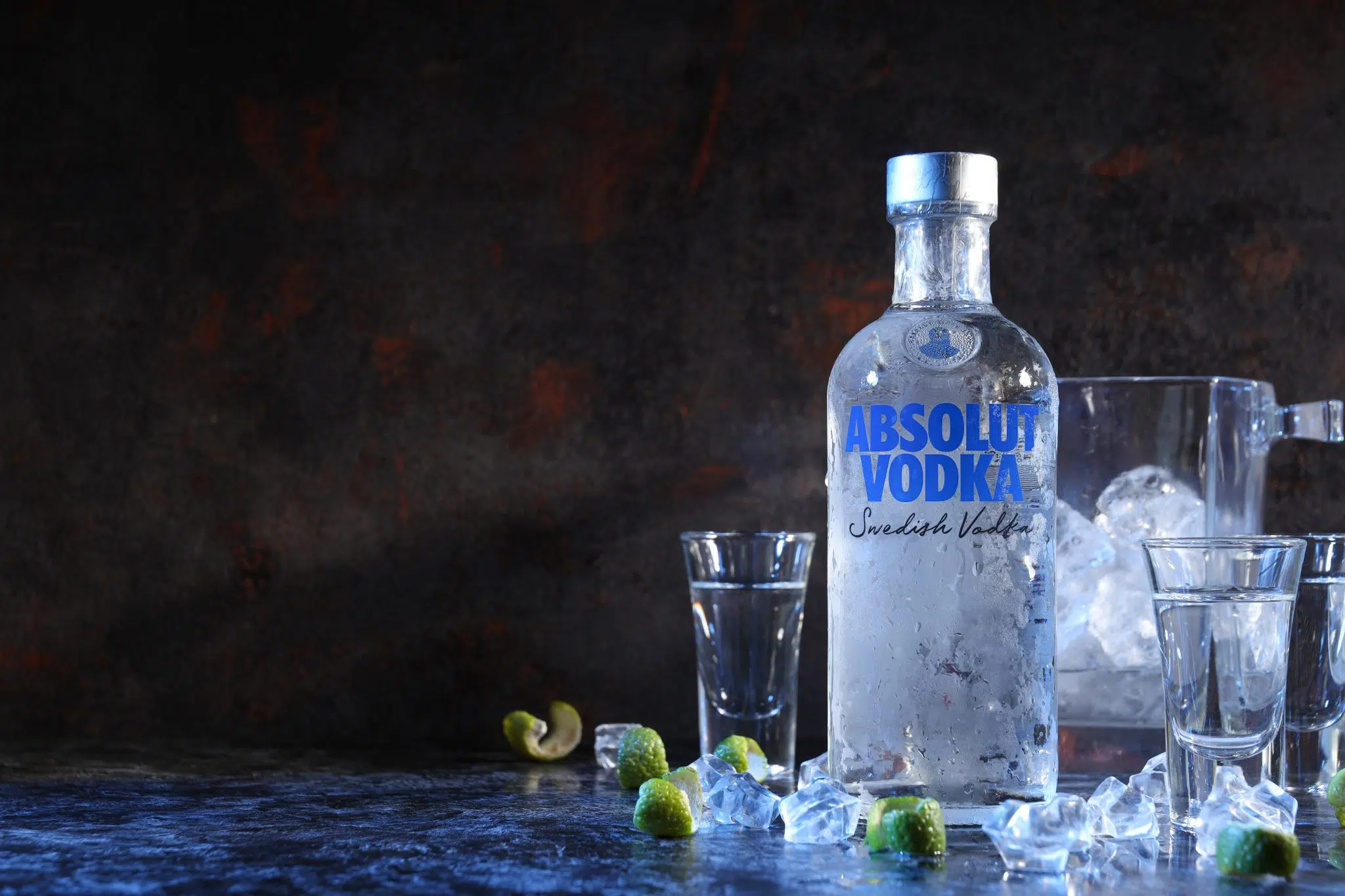
- Absolut—Absolut Original: originally labeled as “brännvin,” the Scandinavian equivalent of vodka, it was relabeled as vodka in 1979 and quickly became one of the most popular brands of vodka worldwide.
- Grey Goose—Grey Goose Original: this high-quality, top-shelf vodka is distilled from wheat in France.
- Smirnoff No.21—Smirnoff Red Label: Created in 1864 by P.A. Smirnov, Smirnoff was the first brand to reach global commercial success outside of Russia, particularly in the United States. It remains the world’s best-selling vodka to this day.
2. Infused Vodka
Infused vodka pulls natural flavors into the spirit through infusion. This means soaking ingredients like fruits, herbs, spices, or flowers in vodka for 2-4 weeks. This way, the liquor picks up flavors and smells from these ingredients.

Both companies and home enthusiasts can do this to make unique flavors. Unlike flavored types, which often taste from added flavorings, infused vodka tastes directly from real ingredients. This gives it a subtler and more complex flavor. The time and way you infuse (either by maceration at room temperature or by infusion, in which case the blend of alcohol and flavoring ingredients is heated up) can change how strong the flavor is. This type can be enjoyed neat, on ice, or as a cocktail base.
Brands and bottles we recommend:
- Stolichnaya (Stoli) – Stoli Razberi: Stolichnaya signature vodka infused with fresh raspberries.
- Zubrówka vodka: this famous Polish vodka is infused with bison grass, which gives it its distinctive herbal and grassy taste with hints of citrus and vanilla.
- SKYY – SKYY Infusions Blood Orange: American vodka infused with blood orange peel and juice.
3. Flavored Vodka
Manufacturers make flavored vodka by mixing plain vodka with natural or artificial flavors. This gives us a huge variety of tastes, from classic ones like lemon and pepper to new and unique ones like whipped cream, green tea, and even bacon!
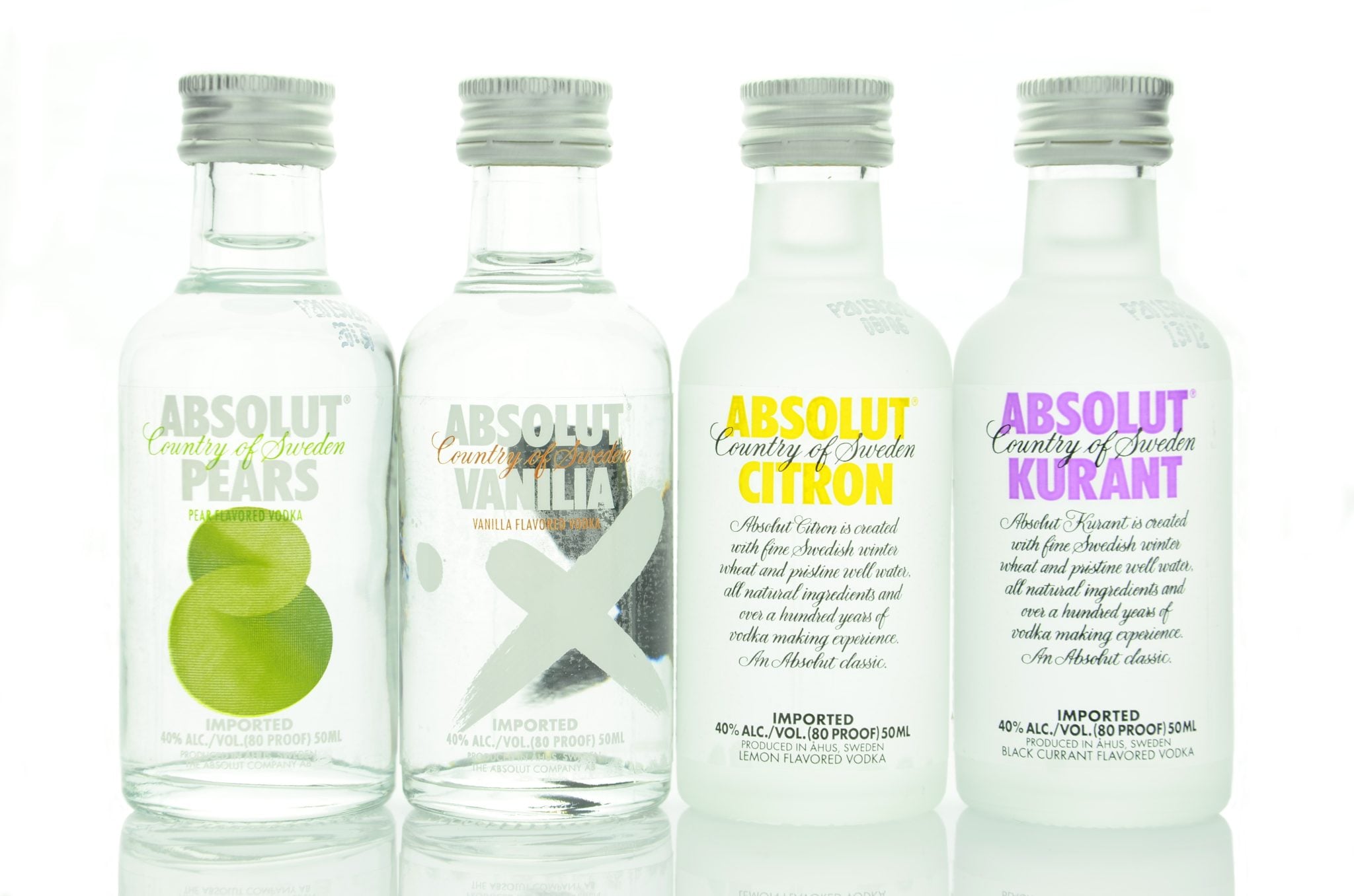
After distilling, they usually add these flavors using flavor extracts, essences, or concentrates. Flavored vodkas pack a strong taste and are very popular for making cocktails. They add a special flavor that goes well with the drink’s other parts. Some flavored variations also have extra sweeteners, making them great for mixing drinks or just enjoying by themselves.
- Absolut Vodka – Absolut Vanilla: this vanilla flavored vodka, perfect for everyone with a sweet tooth, is the perfect to craft a delicious Pornstar Martini.
- Svedka – Svedka Strawberry Lemonade: while most vodka have an alcohol content of 40% (80 proof), this type of vodka only contains 35% of alcohol (70 proof). It is meant to be fresh and easy to drink.
More Vodka Varieties
More factors like ingredients, flavor, and region of production can classify vodka. Here’s a further breakdown:
By Ingredients:
- Grain-Based: Grains like wheat, rye, corn, or barley give these spirits their smooth and subtle taste. The type of grain shapes the flavor, with wheat making it soft and gentle, rye adding spice, corn making it sweet, and barley giving it a rich fullness.
Example brands: Grey Goose (wheat), Belvedere (rye), Tito’s Handmade Vodka (Corn) and Finlandia (Barley)
- Potato-Based: Potatoes make these spirits rich, creamy, and earthy. The potato starch makes the drink smooth and thick.
Example brands: Chopin Vodka (from Poland), Karlsson’s Gold Vodka (from Sweden)
- Grape-Based: Grapes are the main ingredient here, making these spirits rare and giving them a slightly fruity flavor. Like making wine, fermenting grapes gives the spirit a subtle sweetness and a vineyard’s whisper.
Example brand: Cîroc (from France)

By Region:
- Russian Style: This style stands out for its pure and classic taste. Makers often use wheat or rye, leading to a clean, crisp finish with a bit of natural sweetness or spice from the grain. The focus is on traditional distillation methods to keep the classic feel. Some brands, like Stolichnaya, still use distillation by freezing to further purify their product (see Stoli Elit).
- Polish Style: Distillers usually choose rye for this style, creating a slightly sweet and complex taste. The rye adds a unique warmth and spice, showcasing Poland’s deep traditions and history of spirit-making.
- Swedish Style: This style prefers wheat, producing a clean, light flavor. It’s all about keeping the spirit pure, smooth, and easy to drink, whether straight or in cocktails. This minimalistic approach to making spirits highlights the importance of quality and simplicity.
- American Style: American distillers experiment with many bases like grains, potatoes, and grapes, creating various flavors. They mix traditional and new methods, from clean, neutral spirits to special, flavored ones. They focus on being creative and versatile, aiming to make spirits that shine in cocktails and taste great neat.
- Netherlands Style: Dutch variations often use wheat as their base, creating a smooth and neutral liquor. Brands like Ketel One are known for their meticulous distillation process, producing a crisp vodka with a slight hint of sweetness.
- Scottish Style: Although more famous for its whisky, Scotland also produces exceptional vodka. Brands like Arbikie are notable for using local ingredients like potatoes and grains, resulting in a creamy and rich liquor.
- French Style: French brands, such as Grey Goose, use high-quality wheat, emphasizing purity and a smooth finish. The distillation process in France aims to create an elegant, refined luxury spirit with a soft, rounded taste.
- Italian Style: Brands such as Roberto Cavalli are crafted from grains and sometimes grapes. These spirits often have artistic bottles and smooth, palatable flavors.
- Japanese Style: Japan has entered the market with offerings like Haku Vodka, made from rice. This results in a uniquely smooth and silky texture with a subtle sweetness that reflects Japanese craftsmanship.
By Purity:
- Standard: Distillers make these spirits by distilling and filtering them to eliminate impurities. This process gives them a clean taste. They are the ‘everyday choice’, suitable for various cocktails and serving methods.
- Premium: These liquors stand at the top in quality. Distillers put them through extra rounds of distillation and filtration to make them purer and smoother. They pay close attention to every step of making these spirits, which brings out the best in their natural flavors. This results in a taste that’s better than the rest. Premium spirits are perfect for anyone wanting to enjoy a drink that’s a cut above or use a high-quality ingredient in their fancy cocktails.
Price Ranges
Here are some general price indications and examples of brands at different price points. Remember that prices can vary by location due to taxes and other factors.
- Cheap Vodka (Budget-friendly): Prices for these start as low as $10 to $20 for a 750ml bottle. Examples include Smirnoff and Svedka. These brands are accessible and are often used for cocktails and mixed drinks where the flavor is not the primary focus.
- Mid-Range: In this category, prices range from $20 to $40 for a 750ml bottle. Brands like Absolut, Stolichnaya, and Tito’s Handmade Vodka fall into this range. These balance quality and price, making them suitable for mixing and enjoying straight.
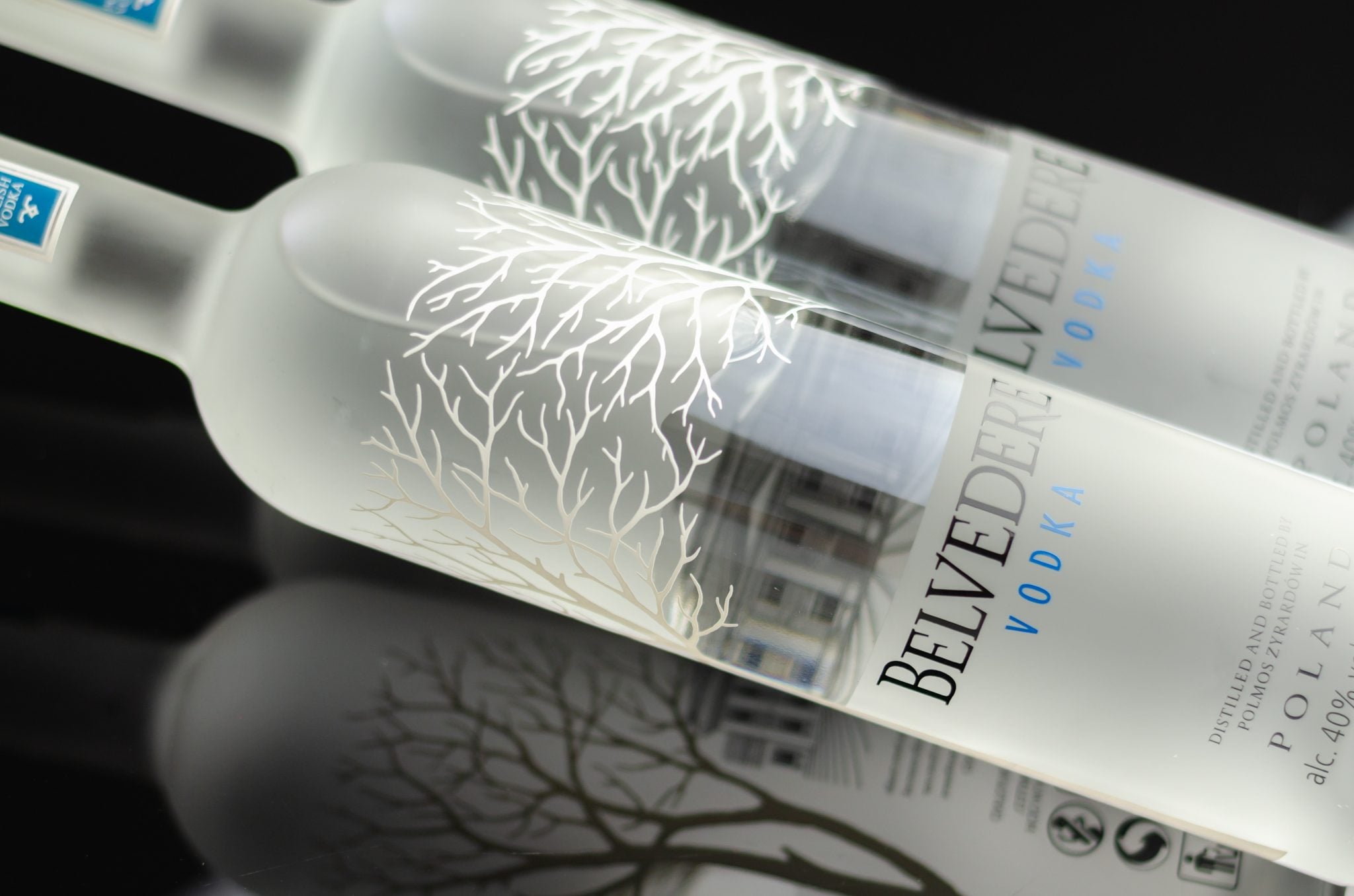
- Premium: Premiums can cost anywhere from $40 to $100 for a 750ml bottle. Examples include Grey Goose, Belvedere, and Ketel One. These vodkas are often marketed based on superior ingredients, distillation processes, and exclusivity. They are typically enjoyed neat or in high-quality cocktails.
- Ultra-Premium and Luxury: These vodkas start at $100 and can go much higher, sometimes several hundred dollars for a 750ml bottle, depending on the brand and special editions. Brands like Crystal Head or limited editions from Beluga are considered in this category.
RELATED: Types of Whiskey – Types of Tequila – Types of Brandy – Types of Rum – Types of Liqueur
If you’re interested in mixing drinks with vodka, check out our collection of spring vodka cocktails for seasonal inspiration!
FAQs
What’s the best vodka for a Martini?
Top choices for a vodka Martini include Grey Goose for its smooth, crisp flavor, Belvedere for a subtle hint of spice, Ketel One for its clean, silky texture, and Tito’s Handmade Vodka for a smooth, slightly sweet finish.
What’s the best vodka for shots?
Tito’s Handmade or Absolut provides a smooth experience with minimal burn when taking shots. They are known for their purity and smooth finish, making them great for drinking straight. A little tip: if you’re planning to drink it in shots, store your vodka in the freezer. The low temperature gives it a nice, smooth texture and reduces the “burn” sensation that you get from ethanol.
What are vodka seltzers?
These alcoholic beverages combine vodka with carbonated water and often include fruit flavoring. People like them because they are simple, tasty, and often have fewer calories and sugar than other drinks or cocktails.