Enjoy it as a shot, savor it straight, chilled, or as the highlight of a classic margarita; tequila varieties cater to every palate. Unsurprisingly, it’s one of the world’s most beloved spirits, with renowned brands like Patron, Don Julio, 1800, and Jose Cuervo at the forefront.

Unlike whiskey types, which has no regulated categorization, tequila has specific classifications. The Consejo Regulador del Tequila (CRT), the Mexican regulatory body, officially recognizes five types of tequila.
The 5 types of tequila names include:
- Blanco
- Joven
- Reposado
- Añejo
- Extra Añejo
Continue reading to discover all about the different types of tequila and what makes them unique.
What is Tequila?
Tequila is a distilled alcoholic beverage made primarily from the blue agave plant. Its origins trace back to the 16th century near the city of Tequila. The drink is named after the city.

Tequila is most often made at a 38–40% alcohol content (76–80 proof) but can be produced between 35 and 55% alcohol content (70 and 110 proof). Per Mexican law, to label a spirit tequila, the source of sugar used in production must be at least 51% from blue agave plants, with many high-quality brands opting to use 100%.
Tequila vs Mezcal
Both are Mexican spirits derived from agave but differ in production and origin. Tequila uses blue agave and is mainly made in Jalisco, while Mezcal can use various agave types and is primarily produced in Oaxaca.
Types of Tequila
Blanco (White) or Plata (Silver)
Blanco, also known as White or Plata (Silver), is the purest form of tequila. It’s typically clear and unaged, meaning it’s bottled after distillation or aged less than two months in stainless steel or neutral oak barrels. The flavor is often described as bold and raw, offering a true taste of the blue agave plant. Blanco is commonly used in classic tequila cocktails due to its strong agave flavor, but it can also be enjoyed neat or on the rocks.
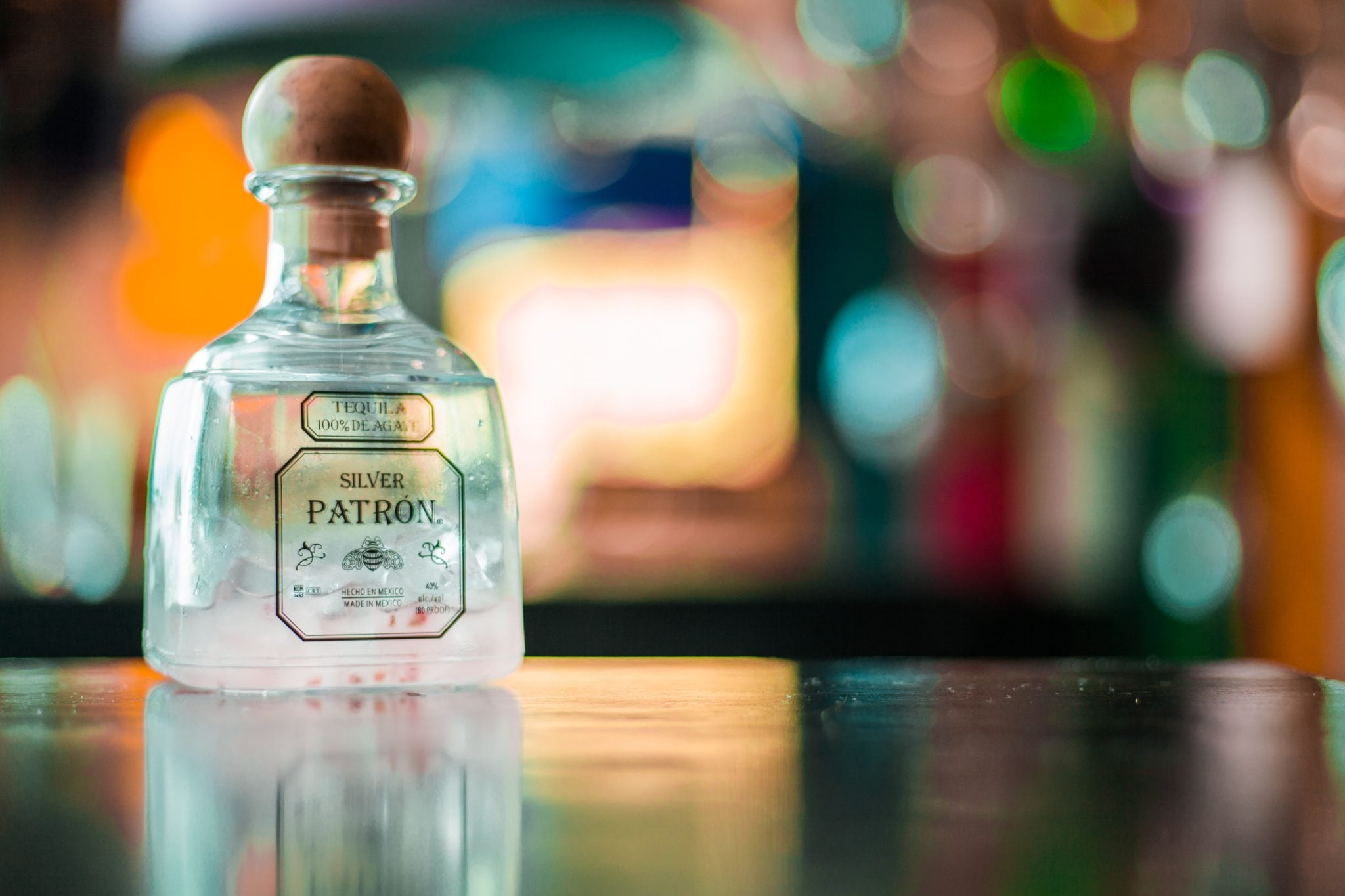
Brands and bottles we recommend:
- Patron – Silver
- Don Julio – Blanco
- Casa Dragones – Blanco
Joven (Young) or Oro (Gold)
Joven, also known as Young or Oro (Gold), is originally a blend of unaged tequilas and aged tequilas. But it could also be only a silver tequila with a golden color for the addition of coloring and additives. A good quality tequila joven is typically smoother than Blanco due to its blending process but retains a strong agave flavor. It’s versatile and can be used in cocktails, but it’s also smooth enough to be enjoyed neat or on the rocks.
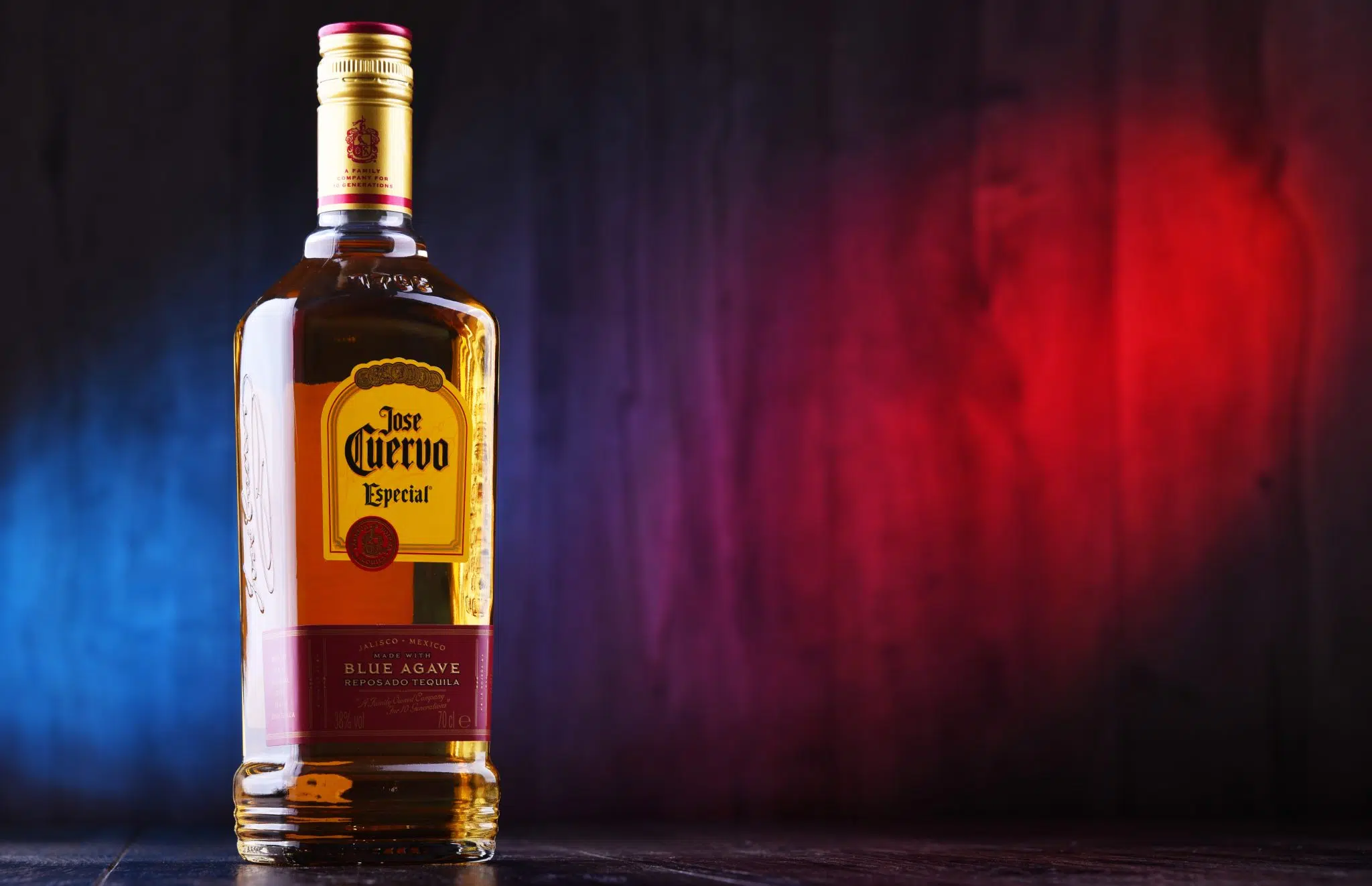
Brands and bottles we recommend:
- Jose Cuervo – Especial Gold
- El Jimador – Gold
Reposado (Rested)
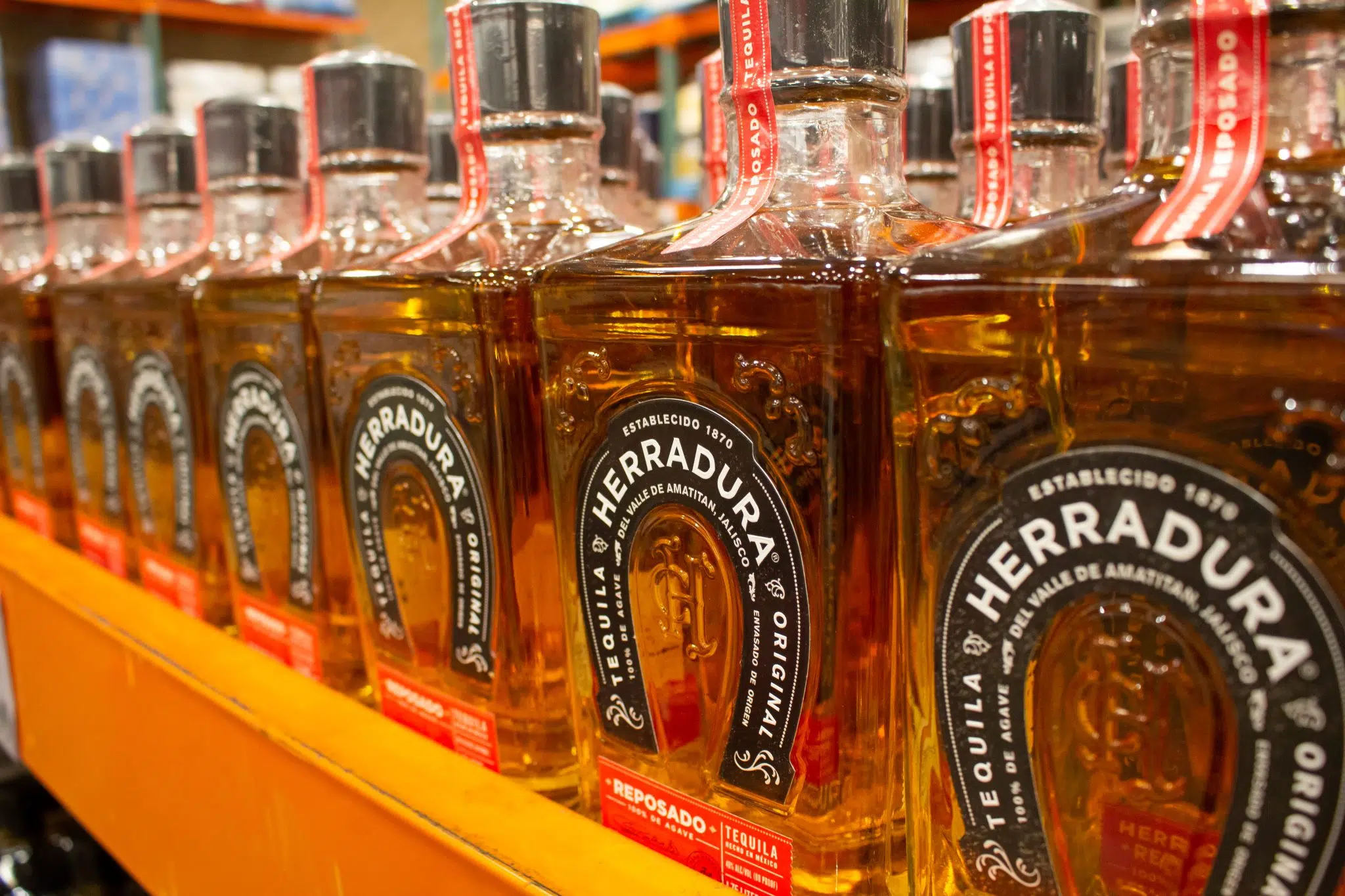
Reposado, or Rested tequila, is aged for at least two months but less than a year in oak barrels. This aging process allows the tequila to mellow and take on subtle wood flavors from the barrel, resulting in a smoother and more complex taste than Blanco. The color of Reposado can range from a light straw hue to a deep gold, depending on how long it’s been aged. Reposado is versatile and can be enjoyed neat, on the rocks, or in cocktails where its nuanced flavors can shine through.
Brands and bottles we recommend:
- Herradura – Reposado
- Cazadores – Reposado
- Espolon – Reposado
Añejo (Aged)
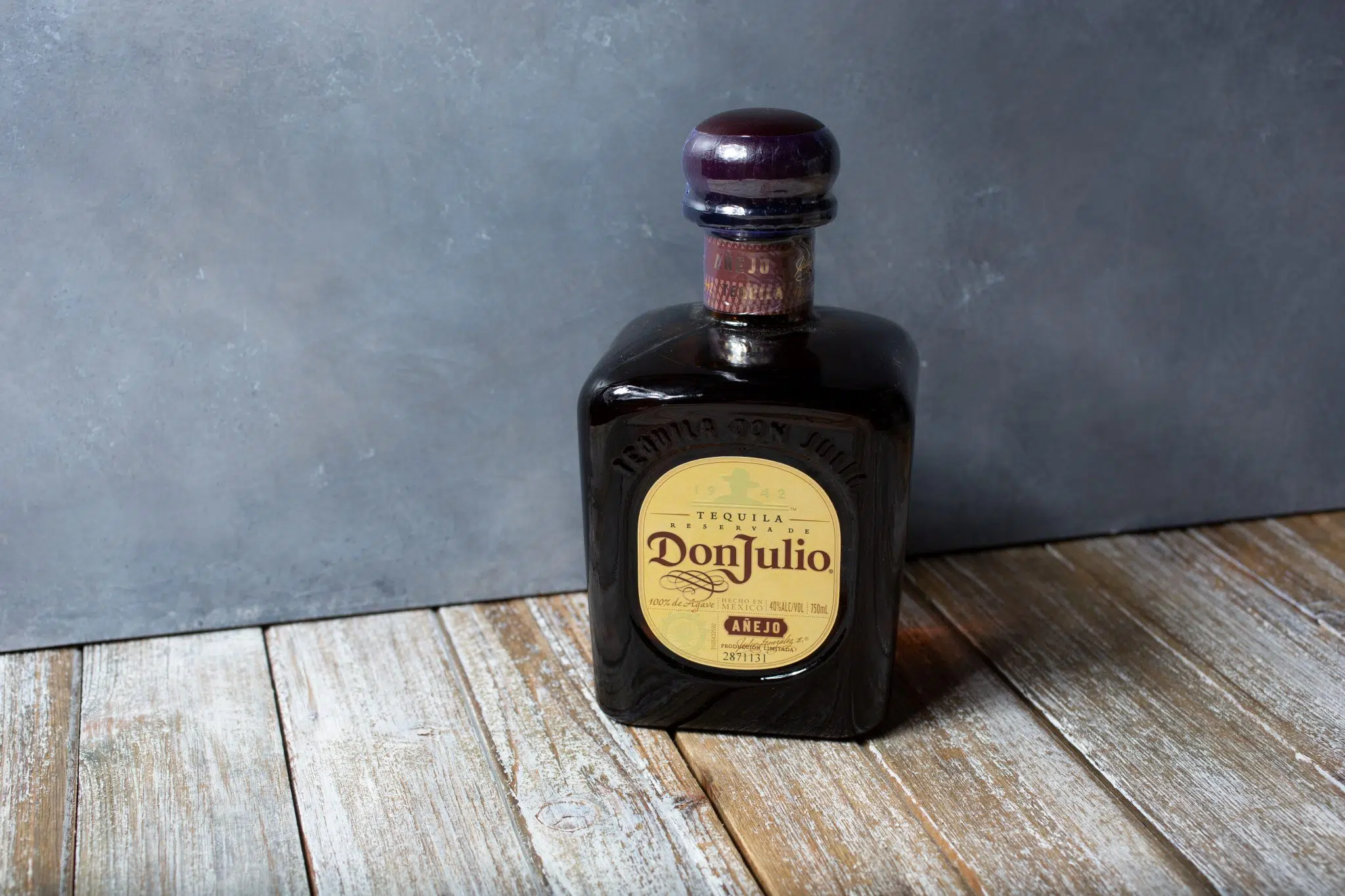
Añejo, or Aged tequila, is a premium variety aged for at least one year but less than three years in small oak barrels. This extended aging process imparts a darker color and more complex flavors than younger tequilas. Añejo tequila often has vanilla, chocolate, and tobacco notes due to its interaction with the oak. It’s typically sipped neat like a fine whiskey or cognac to fully appreciate its depth and complexity.
Brands and bottles we recommend:
- Don Julio – Añejo
- Patron – Añejo
- Casamigos – Añejo
Extra Añejo (Extra Aged)
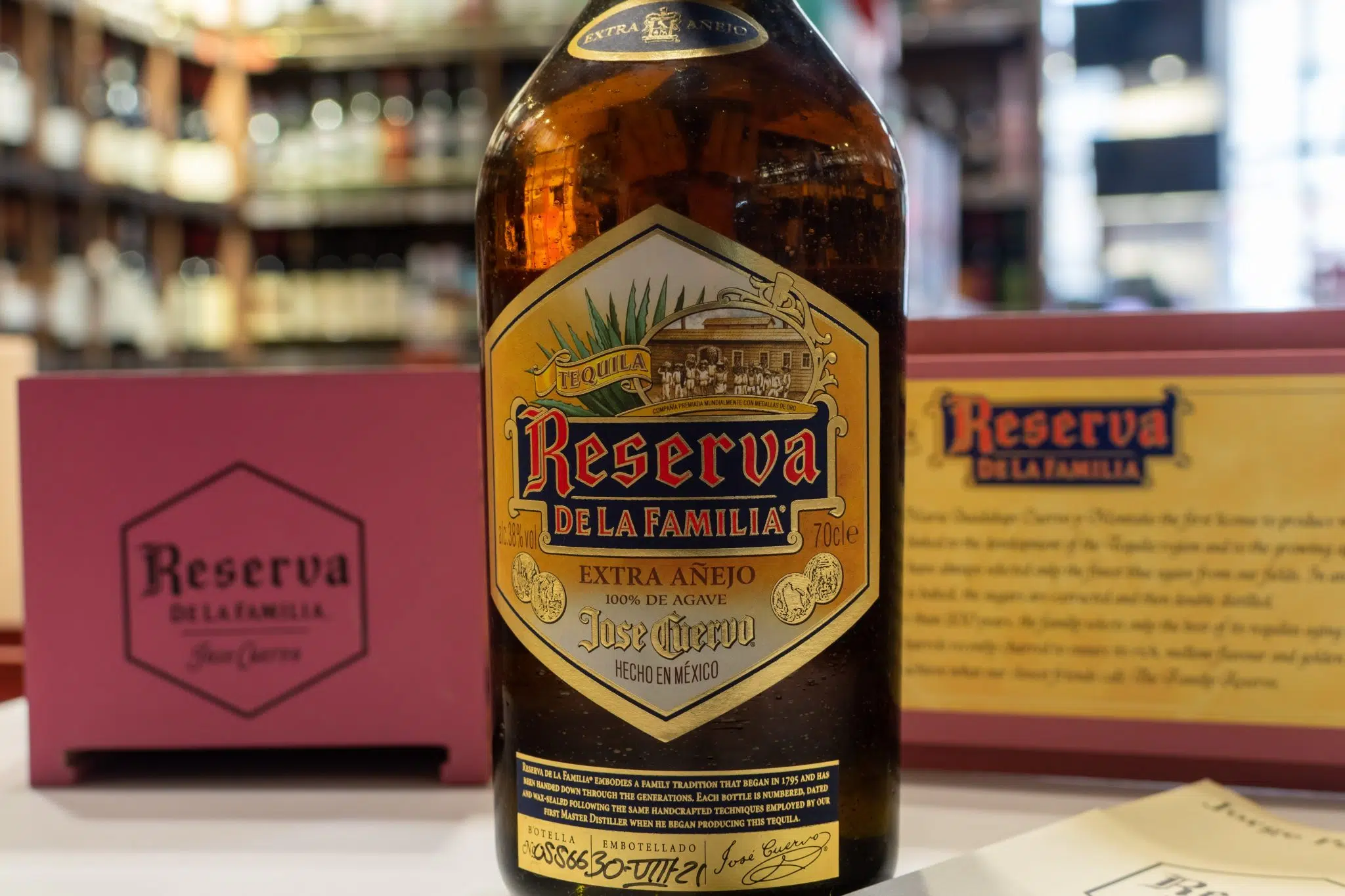
Extra Añejo, or Extra Aged tequila, is the most premium category. It has been aged in oak barrels for at least three years, giving it a darker color and richer, more complex flavors than other tequila types. The extended aging process often imparts flavors of dried fruits, spices, and even hints of coffee or chocolate. Due to its complexity and smoothness, Extra Añejo is typically enjoyed neat or with a bit of water to allow the intricate flavors to unfold fully.
Brands and bottles we recommend:
- Jose Cuervo – Reserva de la Familia Extra Añejo
- Gran Patron – Burdeos
Other Types of Liquor on Drinksworld: Types of Vodka – Types of Brandy – Types of Cognac – Types of Scotch
FAQ
What tequila is the smoothest?
The smoothest type of tequila is typically Añejo or Extra Añejo tequila. The extended aging process mellows out the tequila’s harsher edges, resulting in a smoother, more refined taste compared to unaged or lightly aged varieties like Blanco or Reposado.
Which one is the most popular?
Blanco tequila is the most popular type of tequila in terms of sales due to its pure agave flavor and versatility in cocktails. Jose Cuervo has been the top-selling tequila worldwide for five consecutive years.
What is Cristalino?
Cristalino is a type of tequila that’s filtered or redistilled to remove color gained from oak barrel aging. Despite its clear appearance, it retains the complex flavors of aged tequilas like añejo or extra añejo. Cristalino is not officially recognized as a separate category by the Mexican government’s Norma Oficial Mexicana (NOM)
What is Curados?
Curados, also known as flavored tequilas, are infused with flavors such as fruits (like strawberry or mango), spices, or other natural flavorings. The result is a spirit that maintains the characteristic agave taste of tequila but with an added layer of flavor. Curados can be enjoyed neat, on the rocks, or used to add a unique twist to cocktails.
What does the term ‘Mixto’ mean?
‘Mixto’ refers to tequila made from a minimum of 51% blue agave sugars, with the rest being other sugars, typically cane sugar. It contrasts with 100% agave tequila, which uses only blue agave sugars. Mixtos are simply labeled as ‘tequila’. So, if the label doesn’t specify ‘100% agave’, it’s a mixto.