If you’re like me and love crafting cocktails at home, learning how to make your own bitters is a game-changer. Bitters are that secret ingredient that adds depth and complexity to any drink, balancing flavors with just a few drops.
I used to think bitters were some mysterious elixir hidden in fancy bottles on high shelves. But it turns out, making bitters at home is surprisingly easy! With a few ingredients and a bit of patience, you can create custom blends that add new layers of flavor to your cocktails. Plus, they last for months, so you can keep experimenting long after your first batch.

In this article, I’ll walk you through the entire process, sharing tips and tricks I’ve picked up along the way. By the end, you’ll feel confident creating your own bitters right in your kitchen.
Essential Ingredients for Bitters
Before we roll up our sleeves and start crafting, let’s talk ingredients. Bitters are a simple combination of just a few key components. But, like any great recipe, it’s about quality and balance.
Alcohol Base
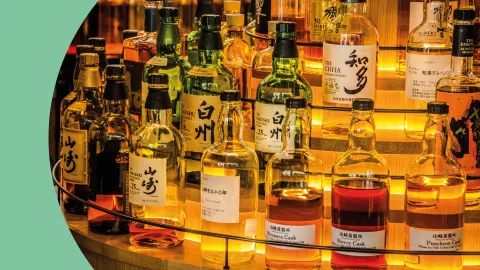
You’ll need alcohol as the backbone of your bitters, since it extracts flavors from botanicals, roots, and spices. The higher the proof, the faster it works. We recommend using grain alcohol (like Everclear) or high-proof vodka. For a twist, try whiskey or rum for a more nuanced flavor.
Bittering Agents
These give bitters their characteristic bite. Start with classic options like gentian root, wormwood, or quassia bark, which are easily found at herbal shops. These form the foundation of your bitters, providing balance to the flavors. Think of these as the foundation of your bitters. Without them, we’re just making flavored alcohol, and that’s not what we’re after.
Aromatics & Flavoring Agents
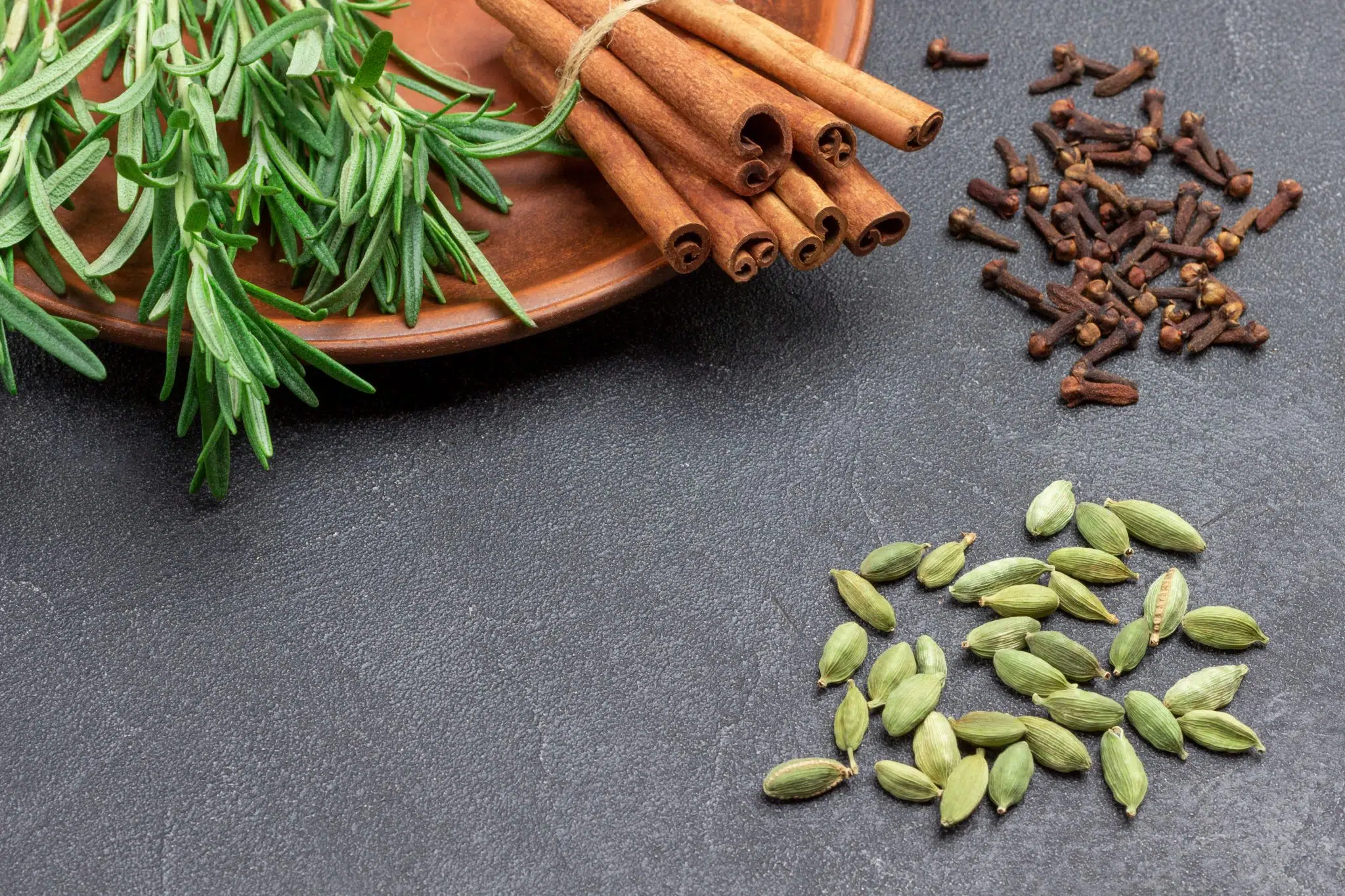
Here’s where creativity comes in. Want a citrusy blend? Add orange or lemon peel. Prefer spice? Try cloves, cinnamon, or cardamom. Experiment with vanilla, lavender, or cacao nibs to craft your own flavor profile. Aromatics will determine the overall personality of your bitters, so go bold or keep it subtle; it’s all up to us.
Sweeteners (Optional)
A touch of sugar, honey, or molasses can soften the bitterness. It’s optional but helpful if the flavors are too sharp. Add sweeteners to taste once the infusion is ready.
Water (Optional)
Sometimes, bitters can be intense. Adding a little water can mellow the flavors, but it’s optional and best done after infusion.
Tools and Equipment
Now that we’ve got the ingredients sorted, let’s talk tools. No fancy gear is needed—most can be found in your kitchen.
Basic Tools
- Jars for infusion: You’ll want something with a tight seal, like mason jars. The size depends on how much bitters you want to make, but a pint or quart jar should be just right for your first batch.
- Cheesecloth or fine mesh strainer: Once your infusion is ready, you’ll need to strain out all those solid ingredients. Cheesecloth is great for catching even the smallest particles.
- Measuring tools: A good jigger or small kitchen scale will help ensure you get the right ratios. For bitters, precision can be the difference between perfectly balanced and… well, not-so-drinkable.
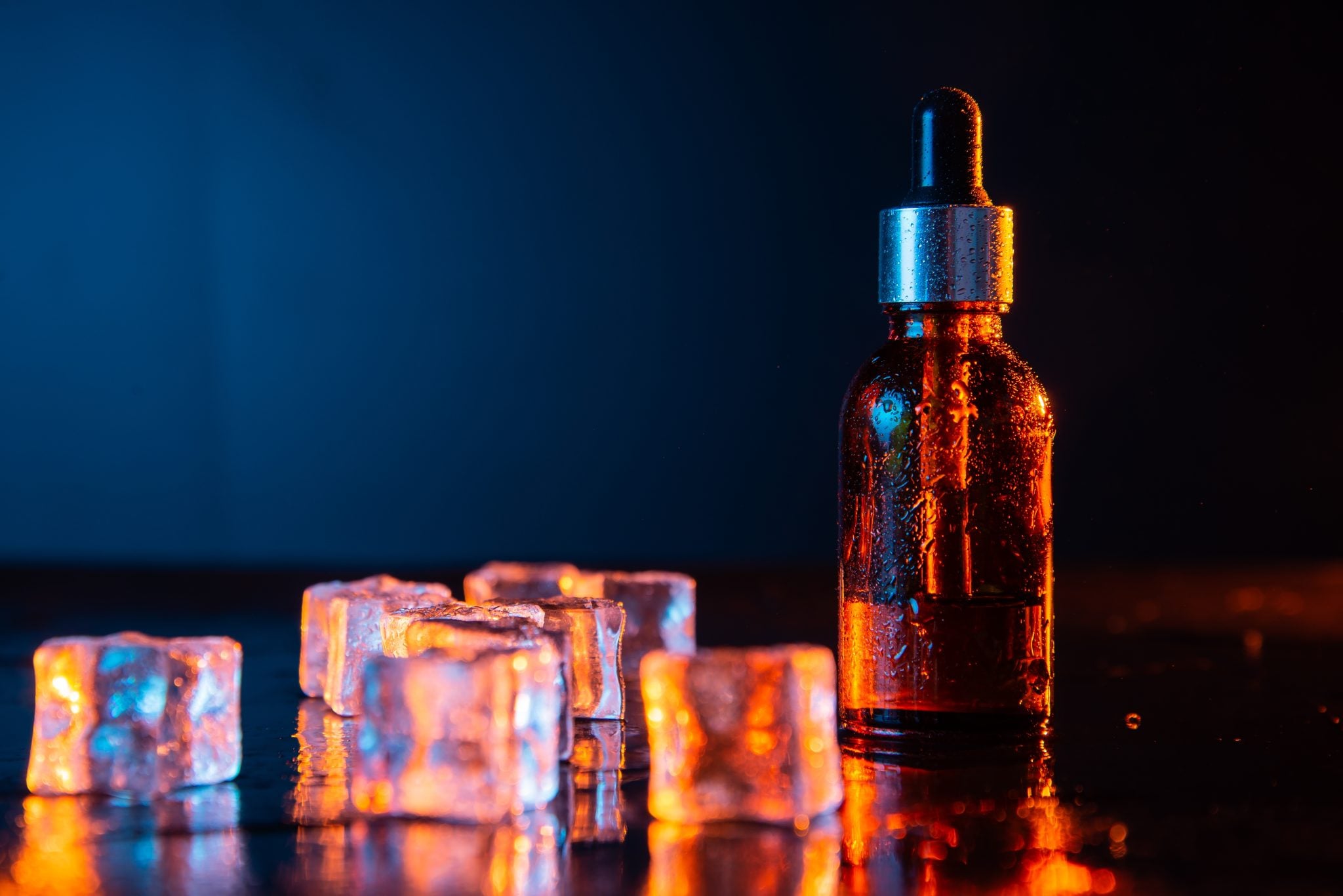
- Dropper bottles: Once your bitters are ready, you’ll want to bottle them in something convenient. We love using small glass dropper bottles—they make it easy to add just a dash or two to cocktails.
Optional Tools
- Mortar and pestle: If you’re working with whole spices like cloves, peppercorns, or cardamom, a mortar and pestle is great for crushing them and releasing more flavor.
- Funnel: This is a simple tool, but a funnel makes transferring your bitters from jar to bottle a spill-free operation.
- Labels and markers: Trust us, once you start making bitters, you’ll want to keep track of the different flavors and the dates they were made. A good label goes a long way!
How to Make Bitters – Step-by-Step Process
Now comes the fun part: making bitters! It’s a simple process, but it does take some patience. Good things take time, after all!
Step 1: Prepare Your Ingredients
First things first—get all your ingredients ready. Measure out your alcohol base, bittering agents, and flavoring agents. It’s best to keep your ratios consistent, so try for about 25% bittering agents and 75% aromatics.
If you’re working with dried herbs or roots, you don’t need to do much prep. But if you’re using fresh ingredients, like citrus peels, give them a quick chop to help release more flavor.
Step 2: Infusion
This is where the magic happens. Add all your ingredients into your jar, and pour the alcohol over them, making sure everything is fully submerged. Seal the jar tightly and give it a good shake.
Now, here’s the hard part: patience. You’ll need to let your bitters sit and infuse for at least two weeks—three or four if you want deeper flavors. During this time, you’ll want to give the jar a shake every day to keep things mixing properly. Store the jar in a cool, dark place like a cabinet or pantry, and let those flavors meld.
Step 3: Straining the Mixture
After a couple of weeks, your bitters are ready to strain. Open the jar and give it a sniff. If it smells bitter, aromatic, and complex, you’re on the right track.
Take your cheesecloth or fine mesh strainer and carefully pour the contents of your jar through it, into a clean container. You may need to do this a couple of times to catch all the small particles. Once the liquid is clear, discard the solid bits. You’re left with pure, flavorful bitters.
Step 4: Optional Dilution and Sweetening
Now’s the time to fine-tune your bitters. Take a small taste (we recommend mixing it into a little bit of water first), and decide if the flavor is where you want it. If it’s too strong, you can add a bit of water to dilute it slightly. Just go slow—a few teaspoons of water can make a big difference.
If you want to add some sweetness, now’s the time to mix in a bit of honey or sugar. Start small and adjust to taste.
Popular Bitter Flavor Profiles
The great thing about making your own bitters is the freedom to experiment with flavors and create something completely unique. There’s no one right way to approach it—bitters can be as simple or as intricate as you like. If you’re looking for inspiration, here are a few classic flavor profiles:
- Aromatic Bitters: This is the classic, go-to bitters flavor used in cocktails like the Old Fashioned or Manhattan. It typically includes spices like cinnamon, cloves, and cardamom, combined with gentian root as the bittering agent. This profile is warm, spicy, and slightly sweet—perfect for whiskey-based cocktails.
- Citrus Bitters: These are bright and zesty, great for lighter drinks like gin or vodka cocktails. You can use orange, lemon, lime, or grapefruit peel as the base, combined with gentian root or wormwood for bitterness. Adding a touch of spice like coriander or fennel gives it extra depth.
- Spiced Bitters: Think of these like the pumpkin spice latte of the bitters world. Use warm spices like cinnamon, nutmeg, allspice, and ginger. These bitters pair perfectly with rum or bourbon cocktails, especially during the fall and winter months.
- Herbal Bitters: If you want to go earthy and botanical, try using herbs like rosemary, thyme, and lavender. Combine these with citrus peel for brightness and add gentian root to balance the flavors. These bitters work well with gin-based drinks or even in non-alcoholic cocktails.

Experimenting with Ingredients
Once you’ve tried your hand at a basic recipe, don’t be afraid to experiment. This is where you get to flex your creative muscles and make something that’s truly yours. Here are a few tips for crafting your own custom bitters:
- Balance Is Key: The goal of bitters is to add complexity to a drink without overpowering it. Aim for a balance between bitter, aromatic, and sweet flavors. Too much bitterness can make your bitters unpalatable, while too much sweetness defeats the purpose.
- Think in Layers: Bitters are all about depth. Try layering flavors by using different spices, herbs, and peels. For example, you could start with a base of orange peel and gentian root, then add a second layer of complexity with cinnamon and cloves, and finally, a third layer with something unexpected like cacao nibs or vanilla.
- Start Small: When experimenting with new flavors, start with small batches. That way, if something doesn’t turn out the way you hoped, you haven’t wasted too much time or ingredients. You can always scale up once you’ve nailed the flavor profile.
Adjusting Infusion Time and Ratios
Not all ingredients infuse at the same rate. Some flavors, like citrus peel, come through quickly, while others, like spices or roots, take longer. Here’s where tasting throughout the infusion process is crucial. If something is too intense, strain it out early. If a flavor is too weak, leave it in a little longer.
Ratios also play a big role in the final product. A good rule of thumb is to use about 25% bittering agents and 75% flavoring agents, but feel free to adjust this based on your taste preferences. More bittering agents will give you a stronger, more assertive flavor, while more aromatics will create a softer, more nuanced bitter.
Uses for Homemade Bitters
Now that you’ve mastered the art of making bitters, let’s talk about how to put them to use. Bitters aren’t just for cocktails—though that’s where they truly shine. These potent little drops have multiple uses, and once you’ve got a few bottles in your collection, you’ll find yourself reaching for them more often than you think.
Cocktails
Bitters are an essential component of many classic cocktails, but they’re also great for experimenting with new drinks. Just a few dashes can transform a simple cocktail into something complex and sophisticated. Here are a few ways we love to use bitters:
- Old Fashioned: The ultimate bitters cocktail. A few dashes of aromatic bitters are a must for balancing out the sweetness of sugar and the strength of the whiskey.
- Manhattan: Another classic where bitters play a starring role. They add depth and spice to the richness of bourbon or rye.
- Negroni: Orange bitters are perfect in this gin-based cocktail, enhancing the citrus notes and adding a bitter bite.
- Martini: A dash of orange or citrus bitters can elevate a basic gin martini, bringing out the botanical flavors of the gin.
- Creative Cocktails: Use your homemade bitters to experiment with new combinations. Try them in a margarita for a spicy kick, or in a vodka tonic for added complexity. The possibilities are endless.

Culinary Uses
Bitters aren’t just for cocktails—they’re also fantastic in the kitchen. Think of them as a secret ingredient that can add complexity to sauces, marinades, and even desserts. Here are a few culinary uses for bitters:
- Marinades and Dressings: A few dashes of bitters can enhance the flavor of a marinade or vinaigrette, adding depth and complexity without overwhelming the other ingredients.
- Desserts: Bitters can balance out sweetness in desserts, particularly in chocolate-based recipes. Try adding a few dashes to your next batch of brownies or chocolate sauce for a sophisticated edge.
Medicinal and Digestive Uses
Historically, bitters were used for medicinal purposes, particularly for aiding digestion. Many traditional bitters recipes were created as digestive tonics, and they’re still used this way today. The bitter compounds in herbs like gentian root and wormwood stimulate the production of digestive enzymes, making bitters a great natural remedy for indigestion.
- Digestive Tonic: After a big meal, a few drops of bitters in a glass of water can help ease bloating and indigestion. It’s a natural and time-tested way to support digestion.
- Mocktails with a Twist: If you’re cutting back on alcohol or just looking for a non-alcoholic option, bitters are a great way to add complexity to mocktails. A splash of bitters in sparkling water or ginger ale makes for a tasty, alcohol-free drink with a grown-up flavor profile (Technically the drink itself contains alcohol, but bitters are normally added in dashes or drops and the overall volume of alcohol from this small addition is often negligible when mixed).

Troubleshooting and Common Mistakes
Making bitters is straightforward, but things can occasionally go wrong. Don’t worry! Most issues are easy to fix. Let’s go over some common problems and how to troubleshoot them
Overly Bitter Results
If your bitters are too bitter, it’s easy to fix by diluting them with a bit of water. Start small and taste as you go. If that doesn’t help, adding a touch of honey or sugar can balance the flavors.
Weak or Flat Flavor
If your bitters lack flavor, let them infuse longer, especially for roots and spices. You can also add more ingredients and let the mixture sit for another week to boost intensity.
Cloudy Bitters
Cloudiness isn’t a major issue, but for clearer bitters, strain them again with a finer strainer or multiple layers of cheesecloth. For an ultra-clear result, use a coffee filter.
Unpleasant Flavors or Aromas
If certain ingredients don’t work well together or overpower the batch, you can blend your bitters with a milder batch for balance. If a batch is too far gone and no amount of doctoring seems to fix it, don’t hesitate to toss it and start over. After all, practice makes perfect, and you’ll likely make even better bitters the second time around
Too Much Sediment
Similar to the cloudiness issue, you can use a coffee filter or a double layer of cheesecloth to filter out the smallest bits. Patience is key here—fine filters take longer, but the result will be a smooth, particle-free liquid.
FAQs
What are bitters?
Bitters are concentrated flavor extracts made from a mix of botanicals like herbs, roots, spices, and fruits, typically infused in alcohol.
Why should I make my own bitters?
Making your own bitters allows you to customize flavors, control ingredients, and create unique blends tailored to your personal taste or specific cocktails.
What alcohol should I use to make bitters?
You’ll want to use a high-proof, neutral alcohol like vodka or grain alcohol, though whiskey or rum can also be used for added flavor.
How long do bitters take to make?
The infusion process generally takes 2 to 4 weeks, depending on the ingredients and flavor strength you desire.
Can I speed up the infusion process?
Bitters require time to fully extract the flavors from the ingredients, so rushing the process may result in weaker or unbalanced flavors.
What are some popular flavor profiles for bitters?
Popular types include aromatic bitters (cinnamon, cloves), citrus bitters (orange, lemon peel), herbal bitters (rosemary, thyme), and spiced bitters (ginger, nutmeg).
How do I make Angostura-style bitters at home?
To make a version of Angostura bitters, you’ll need a mix of aromatic herbs and spices like gentian root, cinnamon, cloves, cardamom, and quinine.
Can I make bitters without alcohol?
Yes, you can make alcohol-free bitters using glycerin or vinegar, but the flavor extraction may be less effective than with alcohol.
How long do homemade bitters last?
If stored properly in a sealed container, homemade bitters can last for years due to the preservative properties of alcohol.
How should I store bitters?
Bitters should be stored in an airtight container, like a dropper bottle, in a cool, dark place.
How many dashes of bitters should I use in a cocktail?
Typically, 1-3 dashes of bitters are used in a cocktail, depending on the recipe and personal preference.
Can I use fresh or dried ingredients to make bitters?
Both fresh and dried ingredients can be used, though dried herbs and roots tend to have a more concentrated flavor.