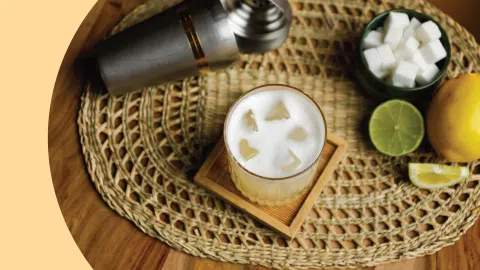
If you love making cocktails at home, learning how to make simple syrup is an absolute must. This go-to liquid sweetener blends perfectly into drinks, bringing balance without gritty sugar at the bottom of your glass. While it may sound fancy, making simple syrup is incredibly easy—just a few ingredients and a couple of minutes, and you’ve got yourself a batch ready to sweeten up your cocktails. Plus, it lasts for weeks, so you’ll always have it on hand for your next creation.
In this article, we’ll guide you through the process step by step, so you can start whipping up your own simple syrup like a pro!
The Basic Simple Syrup Recipe (only 2 ingredients!)
Alright, before we get into the fun stuff like flavored syrups and fancy techniques, let’s cover the basics. Simple syrup is, as the name suggests, simple—it’s just sugar dissolved in water. The classic ratio is 1:1, meaning equal parts sugar and water. This creates a syrup that’s easy to work with and perfectly balanced for most cocktails.
Standard Simple Syrup Recipe (1:1 Ratio)

- Ingredients:
- 1 cup granulated sugar
- 1 cup water
That’s it—just two ingredients. The simplicity is part of its genius. You can scale this recipe up or down depending on how much syrup you want to make, but the 1:1 ratio is always key.
Step-by-Step Instructions
- Heat the Water: Pour 1 cup of water into a saucepan and set it over medium heat. You don’t need to bring it to a boil—just warm enough to dissolve the sugar.
- Add the Sugar: Stir in 1 cup of granulated sugar, continuing to stir until it’s completely dissolved. You’ll know it’s ready when the liquid turns clear and there are no grains of sugar left at the bottom of the pan.
- Cool and Store: Once the sugar is fully dissolved, remove the pan from the heat and let it cool down to room temperature. Pour the syrup into a clean, airtight bottle or jar and store it in the fridge.
Boom. You’ve just made simple syrup. It’ll keep in the fridge for up to a month, though we doubt it’ll last that long if you’re mixing up drinks regularly.
Alternative Sweeteners
If you’re feeling adventurous or want to tweak your cocktails, you can substitute the standard white sugar with different sweeteners to alter the flavor profile of your syrup.
- Cane Sugar: Slightly more natural than white sugar, it has a deeper, more complex flavor that works great in rum cocktails.
- Demerara Sugar: This one’s richer and a bit molasses-like. It adds a warm, caramel touch, perfect for whiskey drinks like an Old Fashioned or a Rum Punch (see section below, “Honey Syrup and other Alternatives”).
- Honey: Honey syrup is a fantastic alternative if you’re looking for a more natural sweetener. It’s commonly used in drinks like the Gold Rush or Bee’s Knees. However, as honey is not as sweet as sugar, the ratio changes a bit for this one. Instead of 1:1, use a 3:1 ratio (3 parts of honey for 1 part water) and follow the regular recipe (see section below, “Honey Syrup and other Alternatives”)
Each sweetener will bring a new dimension to your cocktails, so don’t be afraid to experiment. Just remember to keep that 1:1 ratio (3:1 in the case of honey), and you’ll be golden.
Types of Simple Syrup
Now that we’ve covered the basic 1:1 syrup, let’s get into the different variations you can make. Simple syrup can be adjusted to suit specific cocktails, and there’s a world of options beyond just dissolving sugar in water.
Rich Simple Syrup (2:1 Ratio)

Rich simple syrup is exactly what it sounds like—a more concentrated version of the classic. Instead of equal parts sugar and water, you’ll use twice as much sugar as water. This makes the syrup thicker and sweeter, which can be perfect for certain cocktails where you want the sweetness to stand out. Rich simple syrup is often used in classic & boozy cocktails to bring a smooth texture and to round the edge of the drink.
- Ingredients:
- 2 cups granulated sugar
- 1 cup water
- Instructions: Follow the same method as standard simple syrup, but with the 2:1 ratio. The thicker texture works well in spirit-forward drinks like Old Fashioneds and Sazeracs, where the sweetness helps balance the strong flavors of the alcohol and the richer texture brings a great mouthfeel and helps the flavor to last longer on the tongue.
Rich simple syrup is a great option if you want to cut back on the amount of liquid you’re adding to a drink while still achieving the desired sweetness.
Flavored Simple Syrups – Herbs, Fruits and Spices
Here’s where things get really fun. Once you’ve mastered the basic syrup, you can start infusing it with all kinds of flavors—herbs, spices, fruits, you name it. Flavored syrups can add complexity to your cocktails and give them that extra special touch. Let’s break down a few popular variations:
- Herb-Infused Syrups: Rosemary, mint, basil, thyme, lavender—you can infuse almost any herb into your syrup. Just add a handful of fresh herbs to your water and sugar mixture as it heats, and let it steep for about 10-15 minutes (more for dried herbs, give it a taste and adjust the time accordingly) after you’ve dissolved the sugar. Strain out the herbs, and voilà, you’ve got an herb-infused syrup perfect for gin-based cocktails or even iced teas.
- Fruit-Infused Syrups: Want to add a fruity twist? Toss in some berries, citrus zest, or even pineapple chunks as your syrup simmers. For best results, chop or slightly muddle your fruits before adding them to the syrup. You can also get creative and make your own mixes, like a coconut & pineapple syrup or anything else that comes to your mind! These syrups are excellent for summer cocktails like a Strawberry Daiquiri or a tropical Rum Punch.
- Spiced Syrups: For a cozy, wintery vibe, try adding warm spices like cinnamon sticks, cloves, or star anise to your simple syrup. These syrups work great in hot toddies or spiced rum cocktails. For these syrups, follow the same technique but allow it to infuse for longer. In the case of ground spices, give it a taste after 30 minutes; the flavor should infuse rather quickly. On the other hand, for whole spices (cloves, star anise, cinnamon sticks, etc), you may want to leave it to infuse overnight to get the best possible flavor out of it.
Honey Syrup and Other Alternatives

Honey syrup deserves a mention of its own. Honey doesn’t dissolve as easily in cold drinks, but by mixing it with water to create a syrup, you get all the flavor of honey in a form that’s easy to work with.
- Ingredients:
- 3 cup honey
- 1 cup water
Just heat the water and stir in the honey until it dissolves. Honey syrup is a favorite in cocktails that benefit from its natural floral sweetness, like a Bee’s Knees or Penicillin.
Demerara Syrup
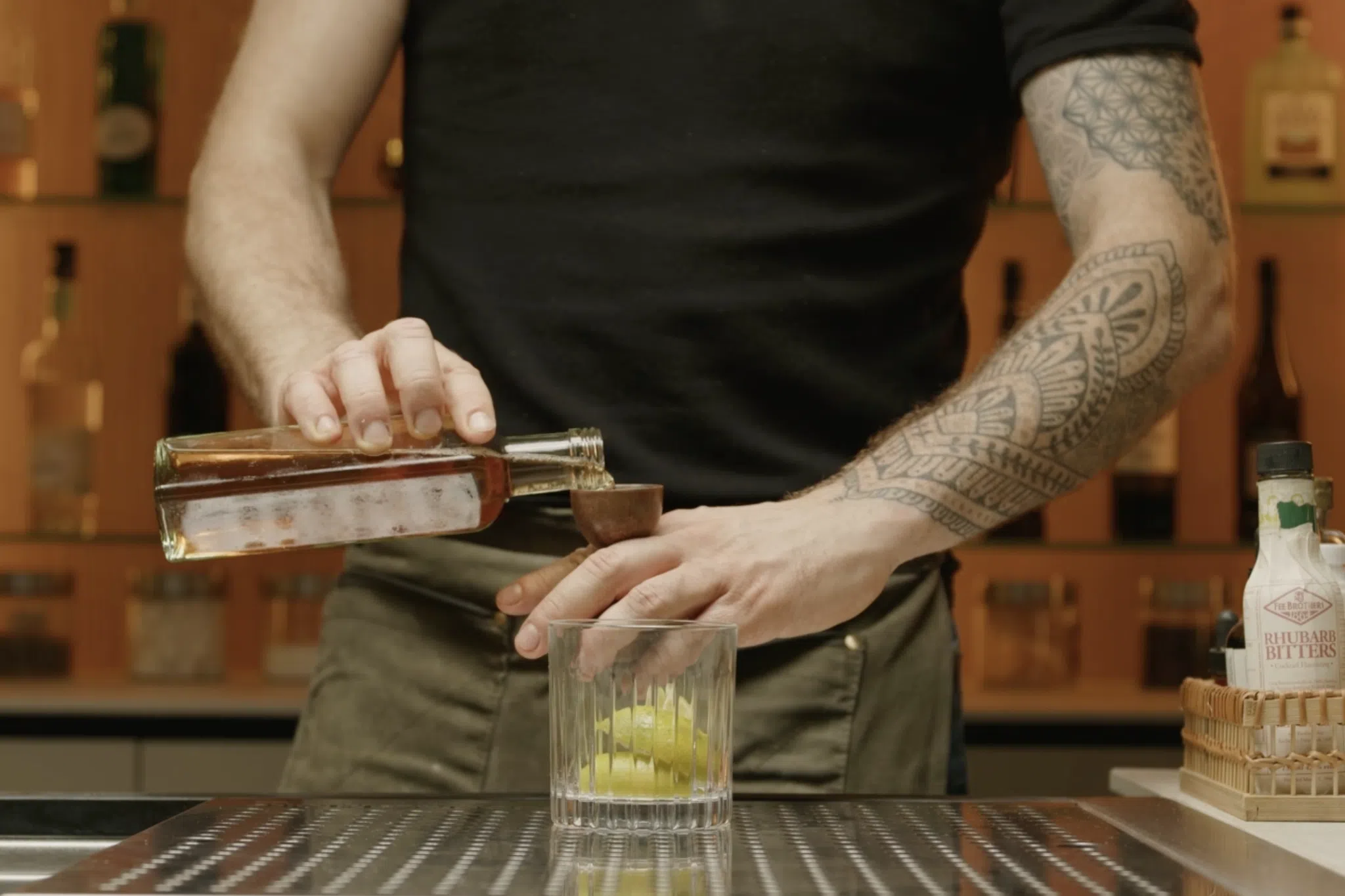
If you want to give your cocktails a deeper, richer flavor, demerara syrup is the way to go. Demerara sugar, with its molasses content, gives a dark, caramel-like flavor that pairs wonderfully with rum or bourbon.
- Ingredients:
- 1 cup granulated demerara sugar
- 1 cup water
Make it the same way as standard simple syrup, but expect a darker color and richer taste. Demerara syrup is fantastic in drinks like Mai Tais or Dark and Stormies, where you want a little extra depth to the sweetness.
Techniques for Making Simple Syrup
Now that we’ve covered the types of simple syrup, let’s talk about how to actually make it. The process is straightforward, but there are a few techniques that can make a big difference depending on what you’re going for. Here’s a breakdown of the main methods:
Stovetop Method
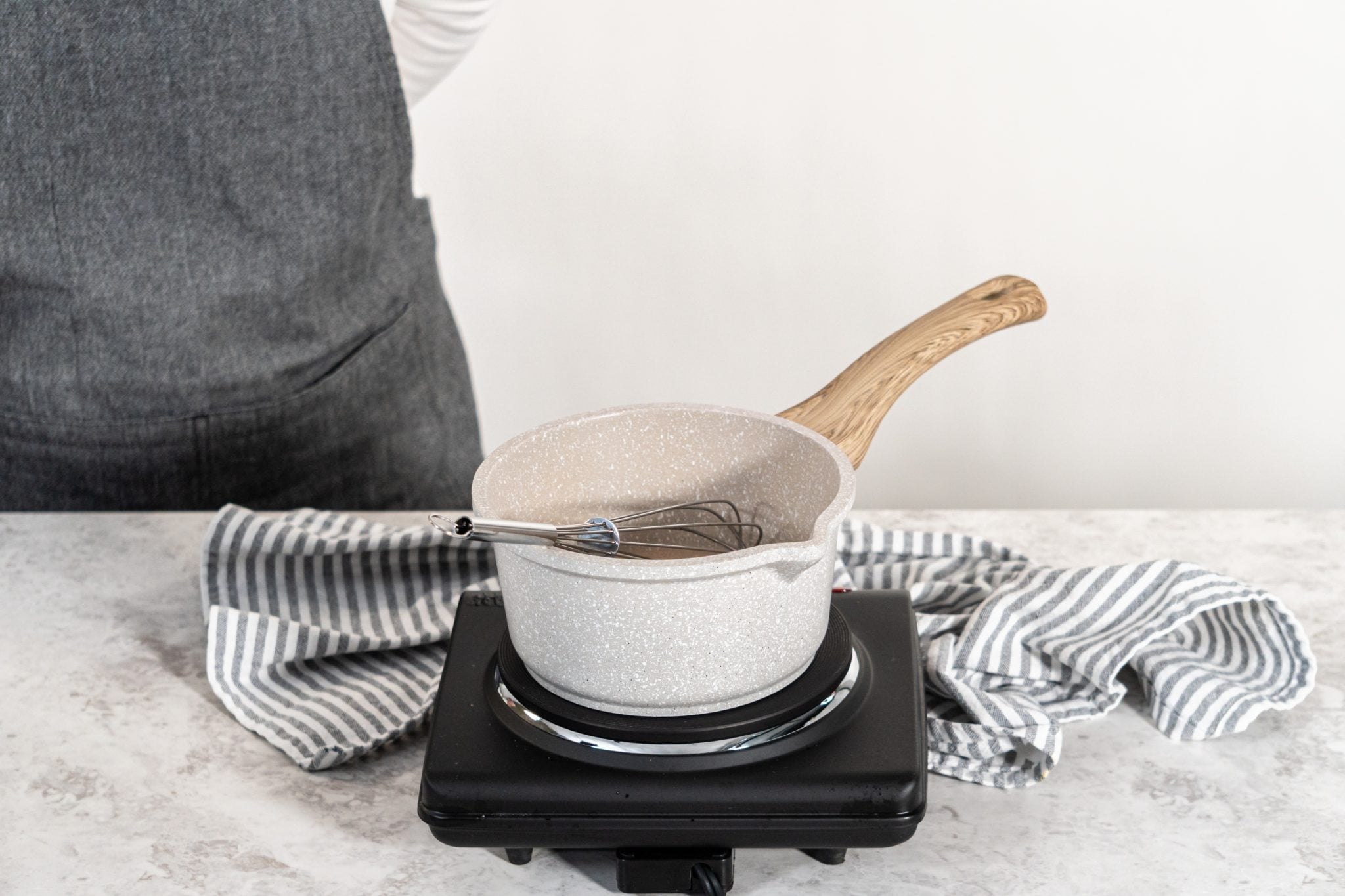
The stovetop method is the classic way to make simple syrup, and it’s what most people use. The heat helps dissolve the sugar faster and more thoroughly, so it’s ideal when you want your syrup ready to go in just a few minutes.
- Step-by-Step Instructions:
- Combine equal parts sugar and water (or adjust for rich syrup & honey syrup) in a saucepan.
- Set the pan over medium heat and stir occasionally to help the sugar dissolve.
- Once the sugar is fully dissolved, remove the pan from heat. No need to let it boil; once the mixture is clear, you’re done.
- Let it cool, pour it into a container, and store it in the fridge.
The stovetop method is quick, reliable, and gives you a smooth, ready-to-use syrup. It’s perfect for the impatient among us who want to get right to the cocktail-making!
No-Heat Method (Cold Process)
If you’re not in a rush, the no-heat method, or cold process, is another way to make simple syrup. It takes a little longer, but some purists believe this method preserves the flavors of the sugar and any added ingredients better than heating.
- Step-by-Step Instructions:
- Combine equal parts sugar and water in a jar or bottle.
- Stir or shake the mixture thoroughly, then let it sit.
- Continue stirring or shaking every few minutes until the sugar completely dissolves. This can take anywhere from 10-15 minutes.
- Once dissolved, it’s ready to use or store.
The no-heat method is especially useful if you’re using delicate sweeteners like honey or if you’re adding fresh herbs or fruit, which might lose some of their nuances when heated.
Preventing Crystallization
One common problem people encounter with simple syrup is crystallization. This happens when the sugar in the syrup starts to solidify again, leaving you with a grainy texture. It’s not the end of the world, but it’s not ideal either.
- How to Avoid It:
- Stir Properly: Make sure you’re stirring the syrup thoroughly as it cools, and don’t rush the process.
- Add a Dash of Acid: A small amount of lemon juice or cream of tartar can help prevent crystallization by breaking down the sugar molecules. Just a few drops will do.
- Store in an Airtight Container: This prevents air from interacting with the syrup and causing crystals to form.
By following these steps, you’ll get a smooth, crystal-free syrup every time.
Storing Simple Syrup
Now that you’ve made your simple syrup, the next step is to store it properly so it stays fresh and ready to use whenever cocktail hour strikes.
Shelf Life of Homemade Simple Syrup
How long your simple syrup lasts depends on a few factors, including how it’s made and stored. Typically, basic simple syrup (1:1 ratio) will last about 1 month when stored properly in the fridge. Rich simple syrup (2:1 ratio) can last a bit longer, up to 6 months, thanks to the higher sugar content, which acts as a natural preservative.
How to Prevent Mold and Spoilage
If you don’t store your simple syrup correctly, it can spoil or grow mold. But don’t worry—it’s easy to prevent this.
- Refrigeration: Always store simple syrup in the fridge. The cool temperature helps slow down bacteria growth.
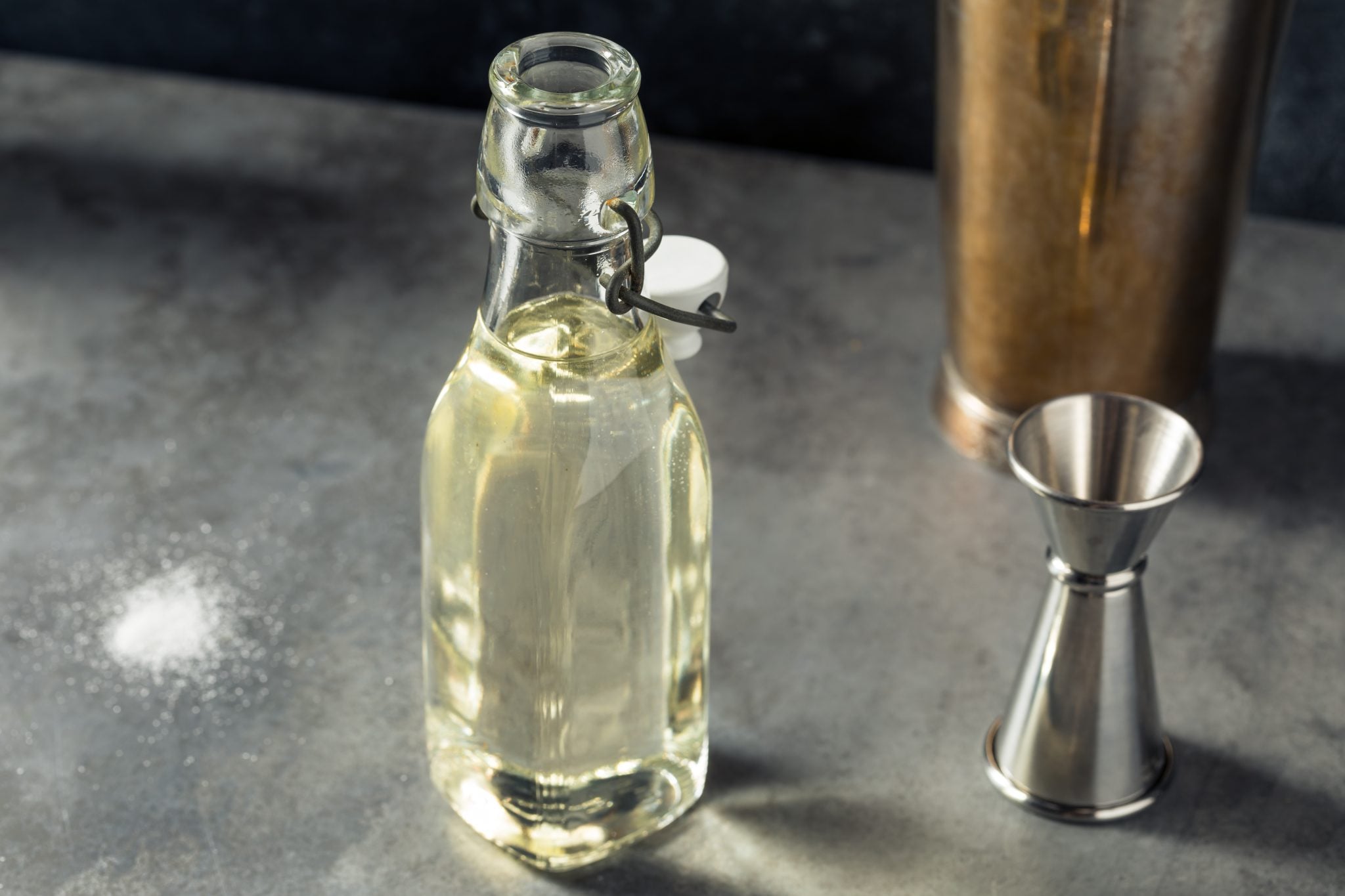
- Clean Containers: Make sure you’re using clean, airtight bottles or jars to store your syrup. Glass is ideal since it doesn’t absorb odors or flavors.
- Sterilize if Necessary: For longer shelf life, you can sterilize your storage bottles by boiling them for a few minutes before adding the syrup.
Best Containers for Storing Simple Syrup
When it comes to storing simple syrup, glass containers are your best bet. Not only do they look sleek, but they also won’t react with the syrup or absorb odors like plastic sometimes does. Here are a few container options:
- Glass Bottles: Great for pouring, especially if they come with a spout.
- Mason Jars: A classic choice. Airtight and easy to store in the fridge.
- Swing-Top Bottles: Perfect for a vintage look and super airtight.
Using Simple Syrup in Cocktails
So, now you’ve got your simple syrup, and it’s time to put it to good use. Simple syrup is a bartender’s best friend for a reason—it’s incredibly versatile and works in just about any drink that needs a touch of sweetness.
Why Simple Syrup is Better Than Granulated Sugar
You might be wondering, why not just use sugar? Well, granulated sugar doesn’t dissolve as easily in cold drinks, and you’ll often end up with gritty, uneven sweetness. Simple syrup, on the other hand, is already dissolved and blends seamlessly into cocktails. No mess, no fuss.
Plus, simple syrup lets you control the sweetness of a drink more precisely, so you can adjust it to your liking without the risk of sugar clumps ruining the experience.
Classic Cocktails That Rely on Simple Syrup
Simple syrup is a key ingredient in many iconic cocktails. Here are a few classics where it plays a starring role:
- Old Fashioned: Whiskey, bitters, and simple syrup—this cocktail is proof that sometimes simple is best.
- Mojito: Mint, rum, lime, and simple syrup combine for a refreshing summer drink.
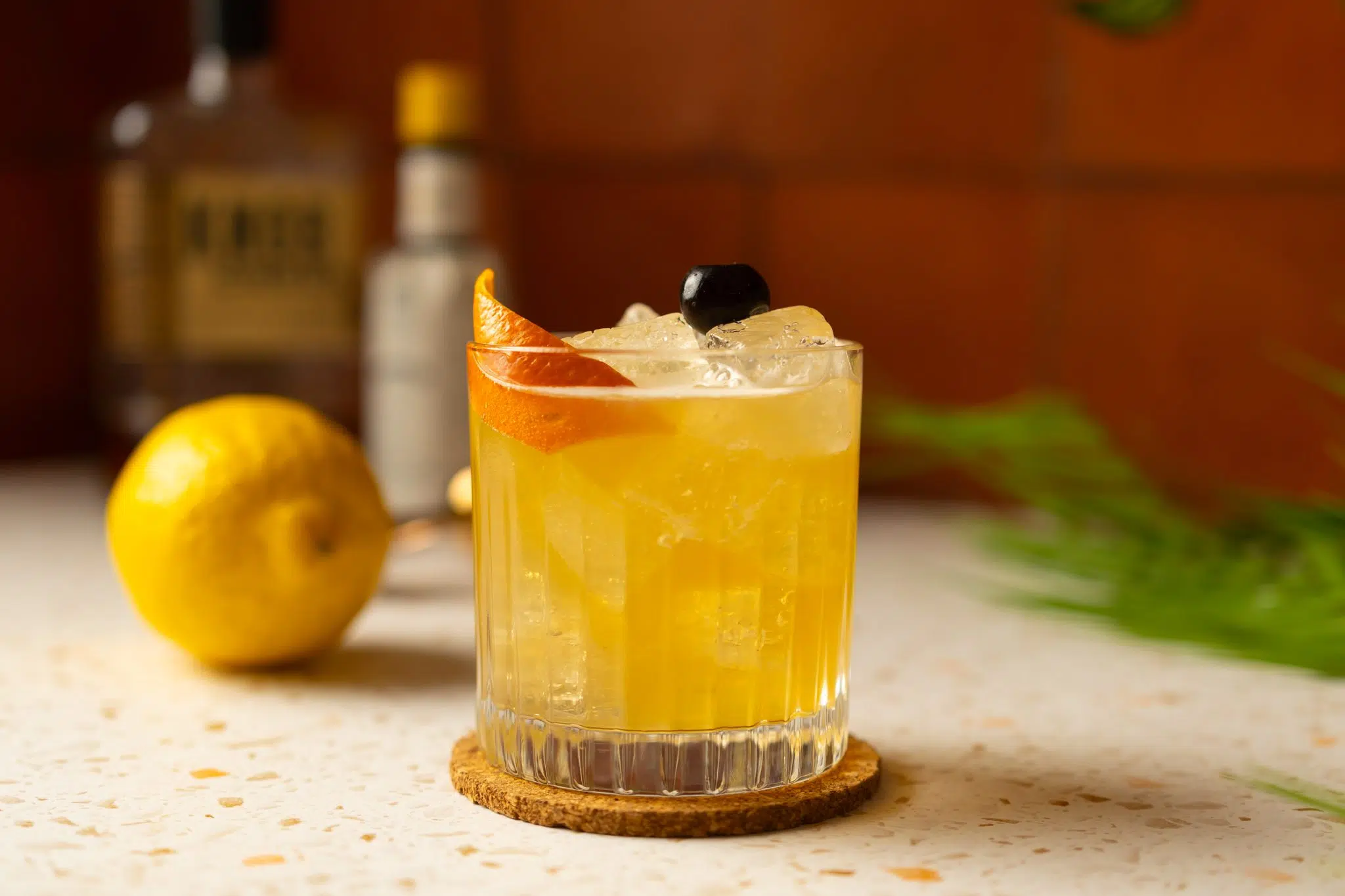
- Whiskey Sour: Simple syrup balances out the tartness of lemon juice for a perfectly sweet-and-sour mix.
- Daiquiri: Simple syrup, lime juice, and rum come together for a light, zesty drink.
- Tom Collins: A splash of simple syrup makes this gin & lemon-based cocktail delightfully balanced.
These are just a few examples, but simple syrup can be used in countless cocktails to smooth out the flavors and add that extra layer of sweetness.
Simple Syrup in Non-Alcoholic Drinks
Simple syrup isn’t just for cocktails. It’s also great for sweetening up non-alcoholic beverages:
- Lemonade: Add a touch of simple syrup to your lemonade to easily balance the tartness of the lemons.
- Iced Tea: Stir in some simple syrup for sweet tea that’s perfectly blended.
- Cold Brew Coffee: Skip the gritty sugar at the bottom of your cold brew and sweeten it with simple syrup instead.
Adjusting Sweetness Levels in Cocktails
The beauty of simple syrup is that it lets you customize the sweetness of your drinks with ease. A general rule is to start with ½ oz to 1 oz of simple syrup per cocktail, but this can be adjusted depending on your taste or the specific drink recipe.
- For a Sweeter Drink: Add a little more syrup, especially if you’re making something with sour or bitter components that need balancing.
- For a Less Sweet Drink: Dial back on the syrup and let the other ingredients shine through.
Simple Syrup in Cooking and Baking
Simple syrup isn’t just for cocktails—it’s a versatile ingredient that adds sweetness and moisture to a variety of dishes. From drizzling it over pancakes to keeping cakes moist, simple syrup is a must-have in the kitchen.
Using Simple Syrup in Desserts and Sauces
Simple syrup integrates smoothly into recipes, avoiding the gritty texture of undissolved sugar. Here’s how to use it:
- Fruit Sauces: Drizzle over fresh berries or mix into fruit salad for sweetness.
- Ice Cream Topping: Flavored syrups like mint or berry make great ice cream drizzles.
- Caramel Sauce Base: Use simple syrup as a base for homemade caramel by adding butter and cream.
How Bakers Use Simple Syrup to Keep Cakes Moist
Professional bakers use simple syrup to lock in moisture. Brush it over cake layers before frosting to prevent drying out. Flavored syrups (vanilla, citrus, coffee) can complement your cake’s ingredients.
Drizzling Over Pancakes or Waffles
For breakfast, try using flavored simple syrups like cinnamon or vanilla as a light, sweet topping for pancakes or waffles, offering an alternative to maple syrup.

Common Mistakes and How to Avoid Them
Even though making simple syrup is, well, simple, there are a few common pitfalls that can trip you up. Let’s walk through some of the most frequent mistakes and how to avoid them, so you can ensure your syrup turns out perfectly every time.
Overcooking the Syrup
Overcooking the syrup can lead to caramelization, which changes both the color and flavor of your syrup. While caramelized syrup can be delicious in its own right, it’s not what you’re aiming for in traditional simple syrup.
- How to Avoid It: Don’t let the mixture boil. As soon as the sugar has dissolved and the liquid turns clear, take the pan off the heat. You don’t need to cook it any longer than that.
Not Dissolving the Sugar Completely
If you don’t stir the syrup enough, or if you try to rush the process, you might end up with undissolved sugar at the bottom of your container. This can lead to a gritty texture in your drinks.
- How to Avoid It: Stir continuously while heating the syrup, and make sure the mixture is fully clear before removing it from the heat.
Issues with Flavor Infusions
When making flavored syrups, it’s easy to either under-infuse or overdo it, resulting in flavors that are either too faint or too strong.
- How to Avoid It: Taste as you go! After about 10-15 minutes of steeping, check the flavor. If it’s strong enough, strain the ingredients out. If it’s too weak, let it sit for a bit longer, but keep checking to avoid overpowering the syrup.
Storage Problems (Crystallization, Mold)
Crystallization can occur if your syrup isn’t stored properly or if the sugar wasn’t fully dissolved. Mold is another potential issue if the syrup is kept too long or isn’t stored in a clean, airtight container.
- How to Avoid It: Always make sure to dissolve the sugar fully, store the syrup in the fridge in an airtight container, and sterilize your jars if you want to extend the shelf life. If mold appears, it’s time to toss it out and make a fresh batch.