There’s something undeniably special about sipping a perfectly aged cocktail. The flavors become richer, smoother, and more layered with complexity. But here’s the thing—you don’t need to go to a high-end bar to experience that magic. With the right setup and a bit of patience, you can start barrel-aging cocktails right at home.
At Drinksworld, we’ve built our knowledge on barrel-aging cocktails by diving into some of the best literature out there, including “Barrel-Aged Cocktails: Rested & Ready“ by Jeffrey Morgenthaler and “The Dead Rabbit Mixology & Mayhem“ by Sean Muldoon and Jack McGarry. But we didn’t stop there. We took what we learned and ran with it, experimenting with various cocktails and techniques until we truly understood the art of barrel aging.
Now, we’re sharing everything we’ve learned with you. In this guide, we’ll walk you through the entire process—from choosing the right barrel to selecting the perfect cocktail to age. And don’t worry, we’ll keep it casual and fun.
What is Barrel-Aging Cocktails?
Barrel-aging isn’t just for whiskey, rum, or wine—it’s for cocktails, too. Barrel-aging a cocktail means taking a pre-mixed cocktail and aging it in a wooden barrel for a few weeks (or even months). But why go through all that effort?
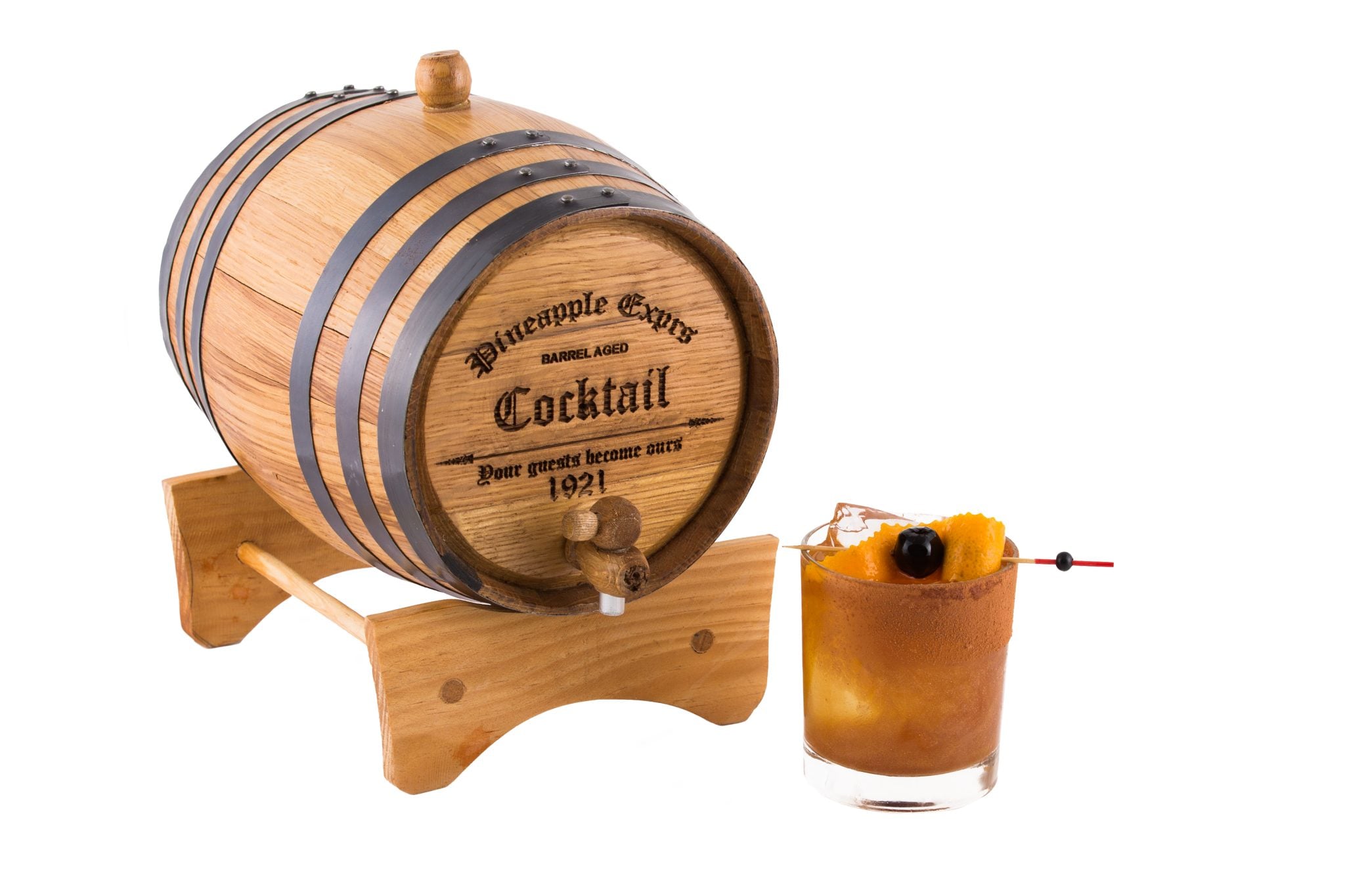
The magic of barrel-aging lies in how the wood interacts with the cocktail. As the cocktail sits in the barrel, it absorbs flavors from the wood, mellows out, and gains depth and complexity. What you get at the end of the aging process is a cocktail that’s smoother, with more layered flavors than when it first went into the barrel.
Think of it like slow cooking your favorite dish. Sure, you could enjoy that stew right after it’s made, but letting it simmer for hours brings out flavors you didn’t even know were there. It’s the same concept with barrel-aging cocktails—time is your friend here.
The Science Behind Barrel-Aging
Alright, time to get into the nerdy stuff—because there’s actually a lot of cool science happening when you barrel-age a cocktail. When your cocktail sits in a wooden barrel, it’s not just hanging out waiting to be poured. It’s slowly interacting with the wood, oxidizing, and evolving over time.
Here’s how it works:
- Wood Infusion: Wood barrels, especially those made from oak, contain compounds like tannins, lignins, and vanillins. These naturally occurring chemicals impart flavors like vanilla, caramel, spice, and even a bit of smokiness into your cocktail. It’s why aged spirits like whiskey taste richer than unaged ones.
- Oxidation: As the cocktail sits in the barrel, small amounts of oxygen slowly seep in. This softens harsh edges and helps blend the flavors of the ingredients more harmoniously. Think of it as allowing the cocktail to “breathe.”
- Evaporation: While not as much of a factor in smaller barrels or home setups, over time, a bit of the liquid (mostly alcohol and some water ) will evaporate, leaving behind a more concentrated and flavorful drink. This is often referred to as the “angel’s share” in rum and whisk(e)y aging.
This slow infusion of flavors combined with oxygen exposure creates a cocktail that’s more balanced, smoother and layered with subtle nuances that weren’t there before. The longer it ages, the more the cocktail takes on the characteristics of the wood and the barrel environment. But don’t worry—we’ll talk about how to manage that aging time to get the perfect result.
Choosing the Right Barrel
So, now that we know what’s happening inside the barrel, the next big question is: what kind of barrel should you use? There are a few factors to consider, like the type of wood, the size of the barrel, and whether it’s new or used. Let’s break it down.
Types of Barrels
When it comes to home barrel-aging, oak is the most common wood used. Oak barrels are popular because they offer a great balance of durability and flavor. The oak’s natural compounds (like those tannins we mentioned earlier) are what give your cocktail that extra layer of complexity.
There are different types of oak barrels available:
- American Oak: Known for giving off strong vanilla, caramel, and coconut notes. It’s often used for aging whiskey and bourbon.
- French Oak: A bit more subtle than American oak, French oak imparts more spice and tannin flavors.
- Charred Oak: This is oak that has been charred on the inside. Charred barrels tend to give cocktails a smoky flavor with a hint of caramelized sweetness.

New vs. Used Barrels
Another thing to consider is whether you want to use a new barrel or one that’s been used before. Here’s the deal:
- New Barrels: A new barrel is going to impart stronger, more intense flavors because the wood is fresh and hasn’t been “spent” yet. This can be great if you want to really taste the wood’s influence, but it’s also harder to control as the aromas from the wood can actually become too strong.
- Used Barrels: If a barrel has been used before—especially for aging spirits like whiskey, rum, or wine—it will impart more subtle, nuanced flavors. The spirit that was aged before will also leave its mark, giving your cocktail a hint of whatever was in there previously (a whiskey-aged Negroni, anyone?).
Both options are great; it just depends on the kind of flavors you’re going for. If you want bold, fresh oakiness, go with a new barrel. If you want something a bit more mellow and complex, a used barrel might be the way to go.
Barrel Size and Its Impact
Size matters when it comes to barrel-aging cocktails. The smaller the barrel, the faster your cocktail will age. This is because there’s more surface area of wood in contact with the liquid. Here’s a quick guide:
- Small Barrels (1-2 liters): Ideal for faster aging (think a couple of weeks maximum). Great if you want to see results quickly.
- Medium Barrels (3-5 liters): These give you a bit more control and can take several weeks to a few months to age the cocktail.
- Large Barrels (5 liters or more): If you’re in it for the long haul, a larger barrel will age more slowly, allowing for more gradual flavor development.

For home barrel-aging, most people stick with smaller barrels (1-5 liters) because they’re easier to handle, store, and experiment with. Plus, you won’t have to wait months to enjoy the fruits of your labor!
Selecting Cocktails for Barrel-Aging
Now that we’ve covered the science and picked out the perfect barrel, let’s talk cocktails. Not every cocktail is suited for barrel-aging, so it’s essential to choose wisely. The best cocktails for this process are spirit-forward drinks—cocktails that rely heavily on strong, durable flavors— preferably made with already aged spirits (like dark rum or whisk(e)y). Think along the lines of classic, robust concoctions where the liquor does the heavy lifting.
Best Cocktails for Barrel-Aging
When we say “spirit-forward,” we’re talking about cocktails that are mostly alcohol, with a few accent ingredients. These are the kinds of cocktails that mellow beautifully over time in a barrel, taking on deeper, richer flavors while maintaining their strength.
Here are a few classic picks that are perfect for barrel-aging:
- Negroni: Equal parts gin, Campari, and sweet vermouth. The Negroni’s bitterness and complexity make it a fantastic candidate for barrel-aging. As it rests in the barrel, the sharp edges of the gin and Campari soften, while the sweet vermouth rounds out the flavors, creating a smoother, more cohesive drink.
- Old Fashioned: A classic bourbon or rye whiskey-based cocktail with sugar and Angostura. Barrel-aging an Old Fashioned enhances the whiskey’s natural richness, deepens the flavor of the bitters, and brings out even more of those caramel and vanilla notes from the wood.
- Manhattan: Another whiskey-heavy favorite that just begs to be barrel-aged. The combination of whiskey, sweet vermouth, and bitters develops into a velvety, sophisticated cocktail after a few weeks in the barrel.
- Boulevardier: Essentially a whiskey-based Negroni, this mix of bourbon or rye, Campari, and sweet vermouth becomes even more luxurious after some time in the barrel. The whiskey adds warmth, while the Campari’s bitterness and the vermouth’s sweetness blend seamlessly.

These cocktails are classics for a reason—they’re balanced, bold, and full of character, making them perfect for the barrel-aging process.
Cocktails to Avoid Barrel-Aging
While spirit-forward cocktails thrive in a barrel, there are a few you should probably steer clear of when it comes to this technique. Generally, you want to avoid cocktails that contain perishable ingredients like fresh fruit juice, dairy, or eggs. These ingredients can spoil or break down in ways that won’t do your cocktail any favors, or that can even damage your barrel by developing mold on the inside.
For example:
- Margaritas and Daiquiris: The fresh lime juice in these drinks makes them unsuitable for barrel-aging. Over time, the citrus will lose its brightness and eventually rot, creating an unbalanced, potentially unsafe drink to consume.
- Egg White Cocktails: If needed, egg white should be added after barrel aging the drink. If you want a frothy barrel-aged cocktail, pour the quantity you need out of the barrel, pour it into a shaker and add an egg white. Proceed to dry shake (without ice), shake again with ice cubes, strain and serve in a chilled glass. Egg white, no matter if they are fresh or pasteurized, should always be incorporated right before serving to minimize any health hazard.

You also want to be cautious with any cocktail that relies heavily on fresh herbs or fruits, as these flavors tend to lose their punch over time in the barrel.
Experimenting with Other Cocktails
That said, don’t be afraid to experiment! While classic cocktails are a surefire hit, barrel-aging is also a fun way to breathe new life into more contemporary or experimental drinks. Just keep the basic principle in mind: spirit-forward is better, and avoid anything with fresh, perishable ingredients.
Step-by-Step Guide to Barrel-Aging Cocktails at Home
Now that you’ve chosen your cocktail, it’s time to get into the process of barrel-aging at home. While it may seem like a daunting task, the actual steps are pretty straightforward. The key is patience—good things come to those who wait!
Prepping the Barrel
Before you start aging your cocktail, you’ll need to prep your barrel, especially if it’s brand new. New barrels are often dry, and you don’t want the wood soaking up all your precious cocktail.
- Rinse it Out: Start by rinsing your barrel with warm water to wash out any dust or debris from the manufacturing process.
- Swelling the Barrel: Once rinsed, fill the barrel with warm water and let it sit for 24-48 hours. This allows the wood to swell and seal, preventing any leaks when you add your cocktail. Make sure to try and fill your barrel fully with water first to detect and seal any potential leak before proceeding with the actual cocktail.
- Add the first layer of spirit (for new barrels): If you’re using a new barrel, you’ll need to “infuse” it first with a spirit you like to wash away the stronger wooden notes (they can be very strong and even overpowering at the beginning). This will also start bringing new layers of flavors to your barrel; for this first filling, we recommend using a wine or fortified wine that you like (Port, Sherry or fruity red wine works very well, for example). However, you should not use anything that’s too rare or too expensive as you’ll probably have to discard it after emptying the barrel. Once you have your wine or fortified wine of choice, pour it into the barrel so it is filled up to ¾ and let it sit for 2-4 weeks. After this time, empty the barrel and either start again with more wine (if you want to tame the strong wood influence a bit more) or proceed with the cocktail. Do not rinse the inside of the barrel with water in between uses.
Note: New barrels may require curing and prepping/charring before use. Although the process can seem a bit long and daunting, it’s crucial that you do it properly as it will allow your barrel to be reused over time without breaking or leaking. The quality of your barrel-aged cocktails also depends on it, so take the time to do it properly! There are plenty of tutorials on the internet, but most new barrels come directly with instructions.
Mixing the Cocktail
Once your barrel is prepped and ready, it’s time to mix your cocktail. This is where you get to feel like a bartender extraordinaire. Prepare your chosen cocktail recipe in bulk, sticking to the traditional proportions you’d use for a single serving but scaling it up based on the size of your barrel.
For example, if you’re making a Negroni, mix equal parts gin, Campari, and sweet vermouth. If your barrel holds 1 liter, you’ll want to mix about 333 mL of each ingredient.
Filling the Barrel
After mixing your cocktail, carefully pour it into the barrel using a funnel. Be sure to leave a bit of headspace at the top—don’t fill the barrel all the way to the brim. This allows some room for the cocktail to expand as it ages and interact with the oxygen inside the barrel.
Once filled, seal the barrel with its bung (the wooden plug), making sure it’s tight and secure.
Let the Aging Begin!
Now comes the hardest part—waiting. Place your barrel in a cool, dark place, away from direct sunlight and extreme temperature changes. The ideal environment for aging is room temperature, around 60-70°F (15-21°C).
Tasting and Adjusting
After about a week or two, it’s a good idea to start tasting your cocktail. Use a small straw or siphon to extract a sample (don’t worry, you won’t be wasting much). Taste-testing throughout the aging process allows you to monitor how the flavors are developing.
If the cocktail tastes good after two weeks, great! If you feel it needs more time to smooth out or take on more wood flavor, let it sit for another week or two and try again. Aging times can vary depending on the size of the barrel and the type of cocktail, but most cocktails benefit from 2-6 weeks of aging.
Bottling the Cocktail
Once your cocktail has reached peak perfection, it’s time to bottle it. Carefully pour the aged cocktail into clean glass bottles using a funnel. If you want, you can filter the cocktail through cheesecloth to remove any wood particles or sediment.
Be sure to store your bottled cocktail in a cool, dark place until you’re ready to enjoy it. Barrel-aged cocktails can be stored for months (even years) and tend to taste even better with time!
How Long to Age Your Cocktail
A common question with barrel-aging is, “How long should I age my cocktail?” The answer, of course, depends on the cocktail and the size of the barrel. As a general rule, the smaller the barrel, the less time it takes to achieve the desired flavor, since there’s more surface area of wood in contact with the liquid.
Here’s a rough guide:
- 1-2 liter barrels: 2-4 weeks of aging.
- 3-5 liter barrels: 4-6 weeks of aging.
- Larger barrels (5+ liters): Several months to a year, depending on the cocktail.
Remember, tasting your cocktail periodically is key. You’ll want to avoid over-aging, which can result in too much oak flavor, an unpleasant mouthfeel due to too much tannins or a cocktail that’s too mellow and flat. Trust your taste buds, and when the flavors are right, it’s time to bottle it up.

Flavor Profiles and Changes Over Time
So, what exactly happens to a cocktail as it sits in a barrel for weeks (or months)? Well, the magic of barrel-aging lies in the gradual transformation of flavors. Every cocktail reacts a little differently to time and wood, but there are a few common things you can expect.
Wood-Infused Flavors
One of the biggest changes comes from the interaction with the wood itself. Oak barrels, whether new or used, impart their own unique flavors into the cocktail. The most common notes you’ll pick up are:
- Vanilla: Oak barrels naturally release vanillins, giving your cocktail a subtle, creamy vanilla flavor that can soften sharp edges.
- Caramel and Butterscotch: As the cocktail rests, the wood can lend a warm, sweet richness, much like the caramel and toffee notes you’d find in a well-aged whiskey.
- Spice: Depending on the type of oak and whether the barrel was charred, you might pick up some spicy, peppery flavors. These add depth and complexity, making every sip a bit more interesting.
- Smoke: If you’re using a charred barrel, you can expect a bit of smokiness to come through.
These flavors develop gradually, so the longer you age the cocktail, the more pronounced the wood characteristics will be. However, you don’t want to overdo it—too much wood can overpower the cocktail and throw off its balance.
Mellowed Alcohol
One of the most noticeable changes in a barrel-aged cocktail is how the alcohol mellows over time. Freshly mixed cocktails can sometimes have a bite or harshness to them, but after a few weeks in the barrel, the alcohol becomes smoother and more integrated with the other ingredients. It is also due to the fact that alcohol evaporates at a lower temperature than water. Over time, ethanol will slowly evaporate from the barrel. That’s why the alcoholic grade of a barrel-aged cocktail tends to diminish with the time passed in the barrel: the longer the time spent in the barrel, the lower the final ABV of the cocktail as more evaporation will have occurred.
This mellowing effect is one of the main reasons barrel-aged cocktails are so beloved. They retain all the strength and depth of the original drink, but without the sharpness that might come from a freshly shaken or stirred version.
Blended Ingredients
As your cocktail ages, the ingredients blend and harmonize in ways that aren’t possible with a freshly made drink. For example, in a Negroni, the bitterness of the Campari, the sweetness of the vermouth, and the juniper punch of the gin all start to balance each other out. What might have been sharp or disjointed at first becomes smooth and cohesive over time.
Barrel-aging also allows subtle flavors that might have been overshadowed in a fresh cocktail to shine through. You might notice new layers of complexity, like faint fruity or herbal notes, as the cocktail matures. The end result is a well-rounded drink where every ingredient is working in harmony.
Maintaining Your Barrel
Once you’ve gotten into the groove of barrel-aging cocktails, you’re going to want to keep that barrel in good condition so you can use it again and again. Think of it like caring for a beloved kitchen tool—it requires a bit of maintenance but will reward you with years of great results if you take care of it properly.
Cleaning the Barrel
After you’ve bottled your first aged cocktail, you may be tempted to clean your barrel. However, that is actually not necessary and may actually reduce the lifespan of your barrel! It is only recommended to clean your barrel every 2-3 years. Follow the manufacturer’s instructions for that as different wood can have different cleaning and treatment requirements.
Once your cocktail is ready, pour it into storage bottles (preferably glass) and make sure the barrel is empty. Quickly rinse it with warm water if you want to get rid of any sediment… and that’s it, it’s ready to be refilled again! The flavor of the cocktail you just aged will remain in the wood and impact your future cocktails, but that’s precisely the point. The more cocktails, the more flavors and nuances will penetrate the wood and allow it to impart a more subtle aging to your next batches. If you want to age different types of spirits or different types of cocktail without mixing them, we recommend using two separate barrels as no cleaning process can guarantee that your barrel will be completely free of the flavors and aromas of the cocktails you previously stored inside.
If you don’t plan to use your barrel for a period of time, make sure to store it filled with water mixed with storing tablets. Store the barrel in a cool, temperature-controlled environment. Empty and refill the barrel with a fresh solution of water and store tablets once a month. When you are ready to use your barrel again, empty the storage solution and rinse 3 times with warm water. Never leave a barrel dry and empty for more than a few weeks as it will result in leakages and potential mold as the wood loses its moisture.
Reusing Barrels
One of the coolest aspects of barrel-aging is that you can reuse your barrel for future batches—and each time you do, the barrel will impart slightly different flavors depending on what was aged in it before.
Here’s where things get fun:
- Sequential Cocktails: If you’ve just aged a batch of Negronis, why not try a Manhattan next? The leftover essence of the Negroni will infuse the Manhattan with subtle hints of gin and Campari, creating a unique flavor profile you won’t get anywhere else.
- Spirit-Infused Barrels: You can also experiment with aging spirits in your barrel between cocktail batches. For example, fill your barrel with whiskey for a few weeks, then use that same barrel to age your next cocktail. The whiskey will leave behind rich, smoky, and caramel notes that will enhance the flavors of your cocktail.
Each time you reuse the barrel, the flavors will evolve, and the wood’s influence will become more subtle. That’s the beauty of barrel-aging—it’s a dynamic process that continues to surprise you with every batch.
How Long Will Your Barrel Last?
With proper care, a small oak barrel can last for years (up to 8-10 years for good-quality barrels). However, over time, the wood’s ability to impart strong flavors will diminish, and it will take longer to achieve the same depth of flavor. You can still use the barrel for aging, but you may need to adjust the timing (or simply enjoy the more subtle effects).
At some point, if the barrel starts to leak or the wood becomes too worn, it may be time to retire it. But don’t throw it away! An old barrel can make a fantastic decorative piece in your home bar or be repurposed for something else.
Popular Barrel-Aged Cocktail Recipes
Ready to start barrel-aging at home but not sure where to begin? Here are a few classic recipes that are perfect for barrel-aging, along with some tips for getting the most out of the process.
Barrel-Aged Negroni

Ingredients:
- 1 part gin
- 1 part Campari
- 1 part sweet vermouth
Instructions:
- Mix equal parts gin, Campari, and sweet vermouth in a large pitcher or mixing glass.
- Funnel the mixture into your prepped barrel.
- Seal the barrel and age for 2-6 weeks, depending on your taste preferences.
- Taste periodically, and once it’s reached the desired flavor, bottle the cocktail. Store in the refrigerator for best results.
- Serve over ice with an orange twist.
Flavor Notes: The Negroni is a favorite for barrel-aging because the strong flavors of gin and Campari mellow beautifully, while the vermouth brings a rounded sweetness. The barrel adds notes of vanilla and caramel, turning this classic cocktail into a richer, more nuanced drink.
Barrel-Aged Old Fashioned
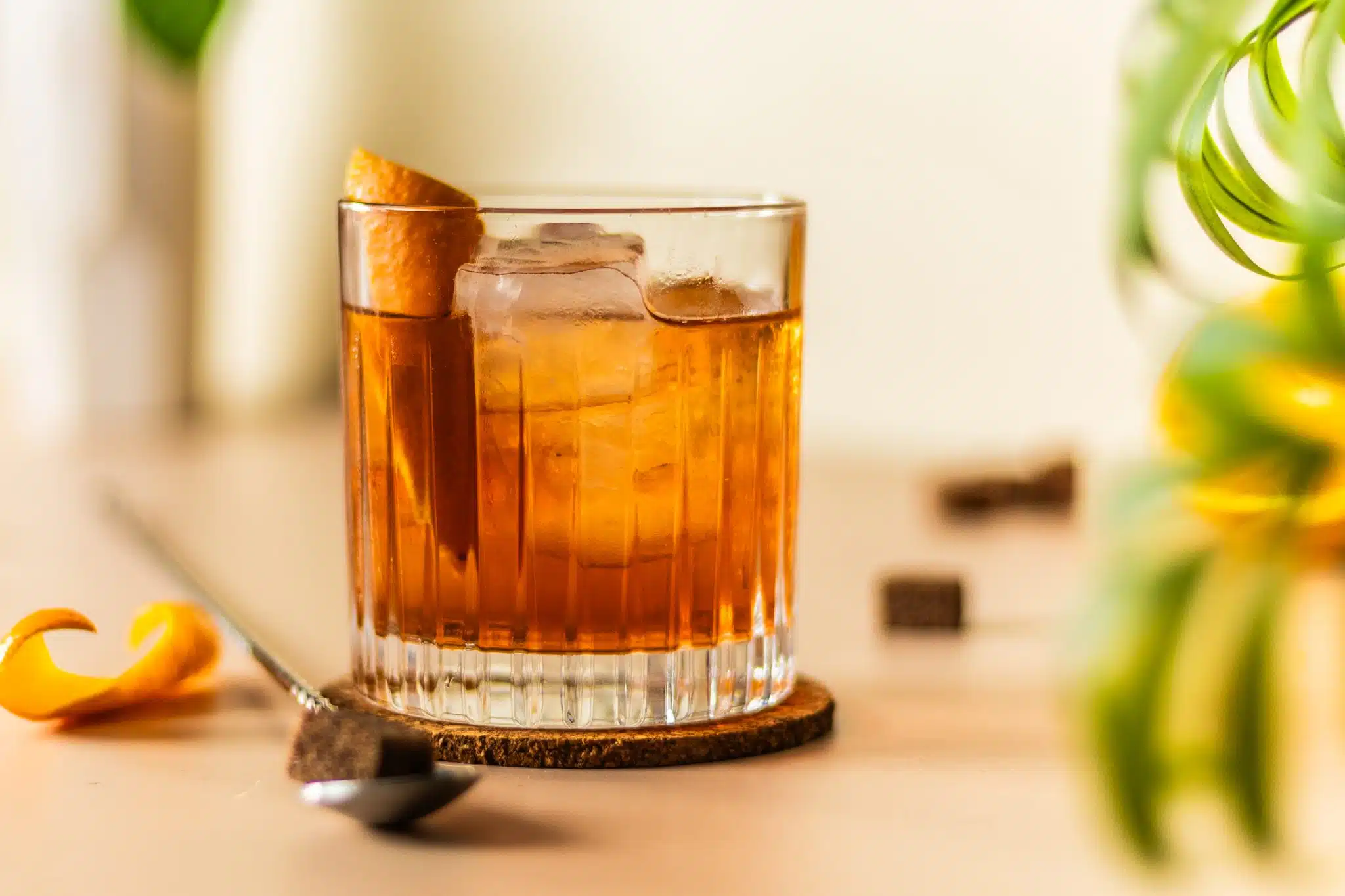
Ingredients:
For 1 liter of cocktail (approx. 14 servings)
- 29 oz / 86 cl Bourbon or Rye whiskey
- 4,5 oz / 14 cl simple syrup
- 30 dashes of Angostura bitters (approx. 0,6 oz / 1,8 cl)
Instructions:
- Mix the whiskey, Angostura bitters, and simple syrup in a large pitcher.
- Funnel the mixture into your prepped barrel.
- Age for 4-8 weeks, tasting periodically to monitor the flavor development.
- Once the cocktail is ready, bottle it and serve over a large ice cube with an orange peel garnish.
Flavor Notes: Barrel-aging an Old Fashioned enhances the natural richness of the bourbon, while the sugar and bitters mellow into the drink. The wood adds layers of vanilla, oak, and caramel, creating a luxurious sipping experience.
Barrel-Aged Manhattan

Ingredients:
- 2 parts rye whiskey
- 1 part sweet vermouth
- 2 dashes of Orange or Angostura bitters per serving
- Maraschino cherry or orange zest twist for garnish
Instructions:
- Combine the rye whiskey, sweet vermouth, and bitters in a large pitcher.
- Pour the mixture into your prepped barrel.
- Age for 2-6 weeks, depending on the barrel size and taste preferences.
- Once the cocktail reaches your desired flavor, bottle it and serve with a maraschino cherry garnish.
Note: For a slightly different profile, you can omit the bitters when aging the cocktail and add them after the aging is done, right before serving. This is particularly interesting when using orange bitters, as their subtle note of citrus may get lost during aging.
Flavor Notes: The Manhattan’s simple yet bold ingredients make it ideal for barrel-aging. Over time, the whiskey’s spiciness mellows, the vermouth deepens in sweetness, and the bitters bring everything together. The result is a smooth, elegant drink with hints of vanilla, spice, and wood.
These are just a few of the many cocktails you can experiment with when it comes to barrel-aging. As you get more comfortable with the process, don’t be afraid to mix things up and try new combinations. The world of barrel-aged cocktails is full of possibilities—and the best part is, the more you experiment, the more you’ll discover.
Experimenting with Barrel-Aging
By now, you’ve probably got the basics down and are ready to take your barrel-aging adventures to the next level. One of the most exciting parts of this process is experimenting—pushing the boundaries of what you can age in a barrel and discovering new, delicious flavor combinations. The best part? There are no strict rules here—just a whole world of possibilities.
So, let’s explore how you can shake things up (pun intended) and have some fun with your barrel-aging experiments.
Mix and Match Cocktails and Spirits
One of the easiest ways to experiment with barrel-aging is by mixing different cocktails or spirits into your aging process. Let’s say you’ve just aged a batch of Negronis, but there’s still a little bit of that delicious cocktail clinging to the inside of the barrel. You can take advantage of those lingering flavors by aging a different cocktail in the same barrel, allowing the flavors to intermingle.
For example, you could:
- Follow up that Negroni with a Manhattan, letting the residual Campari and gin add new layers of complexity to the whiskey and vermouth.
- After aging a batch of Old Fashioneds, try aging rum to see how the wood’s caramel and vanilla notes enhance the natural sweetness of the spirit.
Don’t be afraid to mix and match—what makes barrel-aging so exciting is that each new batch will have its own unique twist, shaped by the cocktails or spirits that came before it.
Infusing Additional Flavors
Want to get even more creative? You can also experiment by infusing your cocktail with extra flavors during the aging process. This works especially well with strong, robust cocktails that can hold their own against bold flavors. Here are a few ideas to get you started:
- Spices: Add cinnamon sticks, cloves, or star anise to your barrel to give your cocktail a warm, spicy kick. This works particularly well with whiskey-based cocktails. Make sure to toast your spices over high heat until fragrant before adding them to the mix; this will ensure your cocktail gets the maximum and best flavor out of them.
- Citrus Zests: Adding orange or lemon peel during aging can give your cocktail a bright, zesty flavor without overpowering the drink. It’s great for adding a fresh twist to classic cocktails like the Old Fashioned or Boulevardier.
- Herbs: Throw in a sprig of rosemary or thyme to bring earthy, aromatic notes to your cocktail. Herbal flavors work well with gin or tequila-based drinks.
- Vanilla: A fresh vanilla pod sliced in half will do wonders to your Old Fashioned and rum-based cocktails.
Just be sure to taste your cocktail regularly while experimenting with additional ingredients, as some flavors (like spices or herbs) can become too intense if left for too long.
Aging Cocktails with Different Barrels
If you’re feeling adventurous, why not branch out from the standard oak barrel? While oak is the go-to for most barrel-aging, there are other types of wood that offer their own distinct flavors.
- Cherrywood Barrels: These barrels tend to impart sweeter, fruitier notes to your cocktail, making them perfect for rum-based drinks or light, citrusy cocktails.
- Maple Barrels: Maple adds a subtle sweetness and can give cocktails a smoother, more mellow flavor. Try aging bourbon or whiskey cocktails in maple barrels to enhance the natural caramel notes.
- Chestnut Barrels: With their rich, nutty flavor, chestnut barrels work well with full-bodied cocktails. They bring out earthy, roasted notes in cocktails like the Manhattan or Sazerac.
Each type of wood adds its own unique flair to your cocktail, so don’t hesitate to try new barrels and see what flavors you can unlock.
Flavored Barrels
Another way to experiment with barrel-aging is by using flavored barrels. Some barrels have previously been used to age wine, whiskey, or other spirits, which leaves behind residual flavors that can add a whole new dimension to your cocktail.
For example:
- Whiskey Barrels: If you can get your hands on a barrel that’s been used to age whiskey, you’ll add a deep, smoky, caramel richness to your cocktails. A whiskey barrel-aged Boulevardier? Yes, please!
- Wine Barrels: Barrels that once held red or white wine can impart fruity, tannic notes to your cocktail. Imagine a Manhattan with subtle hints of Cabernet or a gin cocktail kissed by Chardonnay flavors.
- Rum Barrels: If you find a barrel that’s been used for rum, expect warm, tropical flavors like molasses, caramel, and vanilla to seep into your cocktail. This can be a fun twist for a Negroni or even a Margarita.
Experimenting with different types of barrels adds yet another layer of creativity to your barrel-aging process. Plus, every time you reuse a flavored barrel, the flavors will evolve, making each batch of cocktails a new adventure.

Troubleshooting Common Issues
While barrel-aging cocktails is a relatively straightforward process, a few bumps in the road are inevitable. But don’t worry—we’ve all been there, and most issues can be easily fixed with a bit of know-how and patience. Here’s a rundown of some common problems you might encounter while barrel-aging cocktails at home and how to troubleshoot them.
Over-Aging: When the Wood Takes Over
One of the most common issues with barrel-aging is over-aging, where the wood’s flavors become too dominant. If your cocktail tastes too oaky, bitter, or tannic, it’s a sign that it’s spent too much time in the barrel.
Solution: Start tasting your cocktail after 1-2 weeks of aging (especially if you’re using a small barrel). If you catch it early enough, you can simply bottle the cocktail once it hits the right balance. If the damage is already done and the cocktail tastes overly oaky, you can try diluting it with fresh cocktail ingredients to bring it back into balance.
Flat or Mellow Flavors
On the opposite end of the spectrum, you might find that your cocktail tastes flat or lacking in punch after aging. This can happen if the cocktail wasn’t strong enough to begin with or if it didn’t spend enough time in the barrel.
Solution: Try aging the cocktail for a bit longer to see if the flavors develop further. If it still tastes flat, you can add a splash of fresh spirit to liven it up. Another option is to use a stronger base spirit (like a high-proof whiskey or gin) in your next batch to ensure the flavors hold up through the aging process.
Leaks or Barrel Damage
Small oak barrels are generally pretty sturdy, but leaks can sometimes occur—especially with new barrels or if the barrel wasn’t prepped properly. You might notice liquid seeping out of the wood, or worse, a full-on leak.
Solution: If you see a small leak, try filling the barrel with warm water and letting it sit for 24-48 hours. This allows the wood to swell and should help seal any minor gaps. For larger leaks, a barrel wax or barrel-sealing kit can be used to patch the area.
Mold or Off Flavors
If your barrel isn’t cleaned and stored properly, it’s possible for mold to grow or off flavors to develop, especially if the barrel is left empty and wet for too long.
Solution: Rinse your barrel after use and store it with water addition with a storing solution. Make sure to change the water each month and add a new storing tablet every time to ensure its effect persists. If mold has started to form, it’s time to sanitize the barrel with a sulfur solution or barrel-cleaning tablets. If the off flavors persist, it might be time to retire the barrel and start fresh with a new one.
Too Much Residual Flavor
While reusing a barrel can lead to exciting new flavor combinations, it can sometimes backfire if the previous cocktail or spirit leaves behind overpowering flavors. For example, if you aged a Negroni in a barrel and now everything tastes like Campari, it might be time to reset the barrel.
Solution: To reset the barrel and minimize residual flavors, try filling it with a neutral spirit (like vodka or grain alcohol) and letting it sit for a few days. This can help “strip” the previous cocktail flavors from the wood. Just be sure to rinse the barrel thoroughly afterward.