When you step into the world of bartending, you’ll quickly realize that some tools are indispensable. Sure, you’ve got your shakers and jiggers, but there’s one tool that often gets overlooked and is truly essential for a well-crafted cocktail: the bar spoon. This sleek, long-handled utensil is more than just a spoon—it’s an extension of your hand when stirring, layering, or measuring ingredients. Whether you’re a home bartender looking to up your game or a seasoned professional perfecting your craft, understanding the versatility of a bar spoon is a game changer.
Let’s dive into everything you need to know about bar spoons, from their design to their many uses, and how this small but mighty tool can take your cocktails to the next level.
What is a Bar Spoon?
A bar spoon is a long, thin spoon used primarily for stirring and mixing cocktails. Its unique design sets it apart from your standard kitchen spoon, and it plays a crucial role in helping create perfectly balanced drinks. At first glance, it might seem simple, but once you understand the nuances, you’ll see why this tool is an essential part of any bar setup.
Here’s the breakdown:
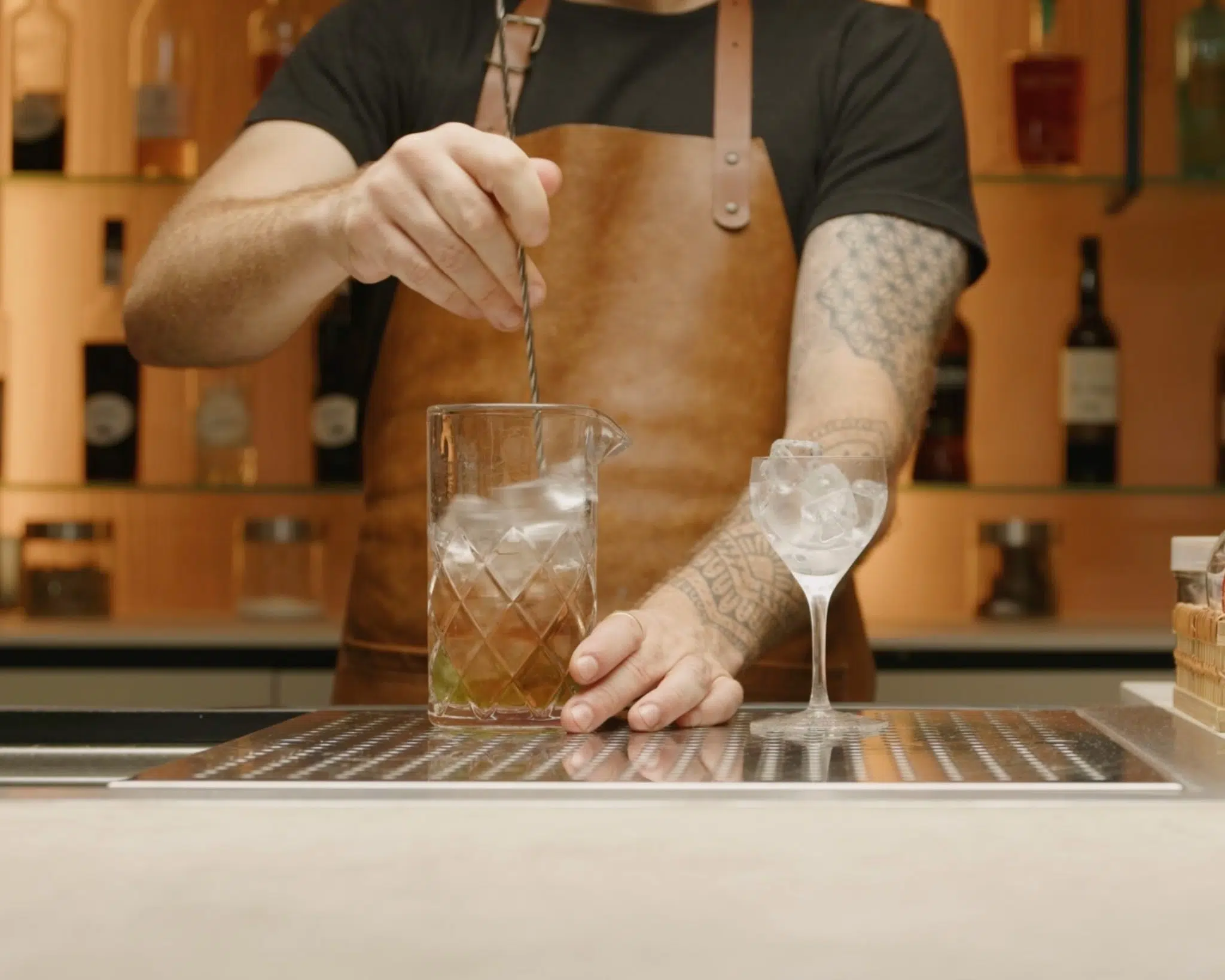
- Length: A bar spoon is much longer than a regular spoon, typically between 10 to 12 inches. This length allows it to reach the bottom of tall mixing glasses or cocktail shakers with ease.
- Handle: The handle is often twisted, not just for aesthetics but for function. That spiral helps you control the speed and smoothness of your stir.
- Spoon Head: The spoon itself is usually small and rounded, making it easy to scoop ingredients or stir with precision.
- Extra Attachments: Some bar spoons come with a fork, or flat end, adding versatility to your bartending toolkit.
Why Use a Bar Spoon?
You might be wondering, “Can’t I just use any spoon to stir a cocktail?” Well, technically you could, but you’d be sacrificing precision and finesse. Bar spoons aren’t just designed to look cool—they’re engineered to make your life easier and your cocktails better. The length ensures that you can stir in any glass without getting your fingers too close to the liquid or the ice, which is particularly important for hygiene and control.
More importantly, the design allows you to stir efficiently without creating unnecessary dilution. Plus, the spoon’s twisted handle helps create a smoother stirring motion, reducing strain and allowing you to mix with more control. And trust us, once you’ve used a proper bar spoon, you’ll never go back to a regular spoon.
Parts of a Bar Spoon
To fully appreciate what a bar spoon can do, let’s break it down part by part:
- Handle: The handle is long and usually twisted. That twisted design isn’t just for looks; it helps with stirring because the twist creates less resistance, allowing for a smoother, more controlled stir.
- Spoon Bowl: The head of the spoon is small and rounded, designed to mix ingredients without splashing. It’s perfect for delicately scooping garnishes or adding small amounts of ingredients like sugar or bitters.
- Twisted Shaft: This spiral section of the handle not only looks great but also allows you to layer drinks more easily. The twist helps slow down the pour, which is essential for layering cocktails with different densities.
- Muddler or Fork End: Some bar spoons come with a flat-end or fork on the opposite end of the spoon. The flat-end muddler is great for crushing ingredients directly in the glass, while the fork can be handy for plucking olives, cherries, or other garnishes out of jars.

Types of Bar Spoons
Not all bar spoons are created equal. Depending on the type of cocktails you’re mixing and your personal style, you may prefer one type of bar spoon over another. Here are a few of the most popular types:
Standard Bar Spoon
This is your classic bar spoon—long, with a twisted handle and a rounded bowl. It’s versatile and perfect for most bartending needs, from stirring to measuring. If you’re just starting out, this is the one to get.
European Bar Spoon
Longer and heavier than the standard, the European bar spoon often features a weighted disc on the end. This provides extra balance and control when stirring, making it perfect for high-volume bars or professional settings.

Japanese Bar Spoon
Sleek and minimalistic, the Japanese bar spoon is often more refined in its design. With a narrower handle and smaller spoon bowl, it’s ideal for those who value precision and style. The longer handle also helps with control, particularly for intricate cocktail recipes.

Teardrop Bar Spoon
This spoon features a teardrop-shaped end rather than a round bowl. The teardrop shape creates a different stirring experience, allowing for smoother motions that make it ideal for delicate drinks. It’s a great option for those who prioritize the texture of their stir.

Flat Disk End Bar Spoon
Instead of a spoon on one end, this bar spoon has a flat disk, perfect for muddling ingredients or pressing herbs and fruit. It’s a great multi-functional tool for bartenders who like to keep things simple.

Bar Spoon Sizes and Measurements
One of the hidden talents of a bar spoon is its use as a measuring tool. The average bar spoon holds about 1 teaspoon or 5 ml of liquid, making it a handy guide when you need to add small quantities of an ingredient, such as syrups, liqueurs, or bitters. This measurement comes in handy when recipes call for bar spoon amounts, offering precision in your drink-making.
However, not all bar spoons are exactly the same size. Some may hold slightly more or less than a teaspoon, depending on the design, so it’s always good to double-check before relying on it for exact measurements.
How to Use a Bar Spoon
Let’s get into the real fun—how to actually use a bar spoon in action. There’s more to it than just stirring. The right technique can make a noticeable difference in the quality of your drink.
Stirring Cocktails

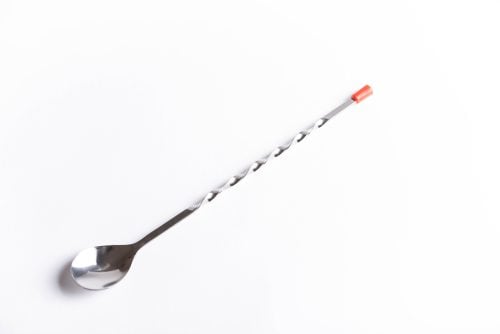
Stirring is all about chilling the drink without over-diluting it, and the bar spoon is designed to help with just that. Here’s the best way to stir a cocktail:
- Place the spoon between your thumb and fingers, holding it lightly yet securely.
- Dip the spoon into your mixing glass, and with the twisted handle, rotate the spoon around the inside of the glass in a smooth, circular motion.
- Stir gently for about 20-30 seconds, making sure you’re not agitating the liquid too much. The goal is to chill the drink and combine the ingredients, not shake them.
Stirring is ideal for spirit-forward drinks like Manhattans, martinis, and Negronis, where clarity and smoothness are key.
Layering Cocktails
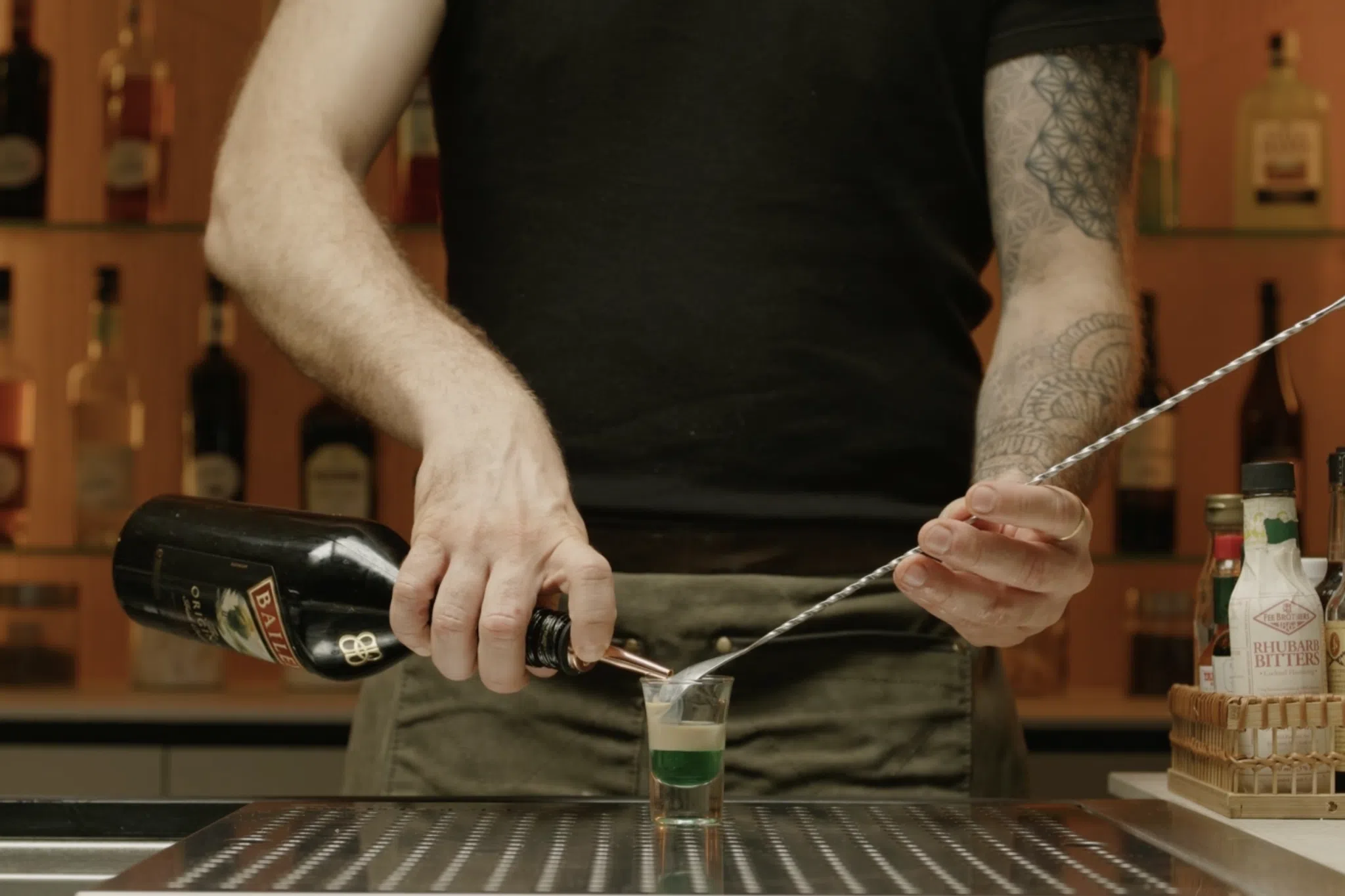
Layering a drink with a bar spoon adds a professional touch to your cocktails. To create layers:
- Hold the spoon over your glass with the rounded part of the spoon facing down.
- Slowly pour the liquid over the back of the spoon, letting it gently cascade onto the drink without mixing with the layer below.
- The density of the liquid will keep the layers separate, creating a visually stunning effect.
Measuring Ingredients
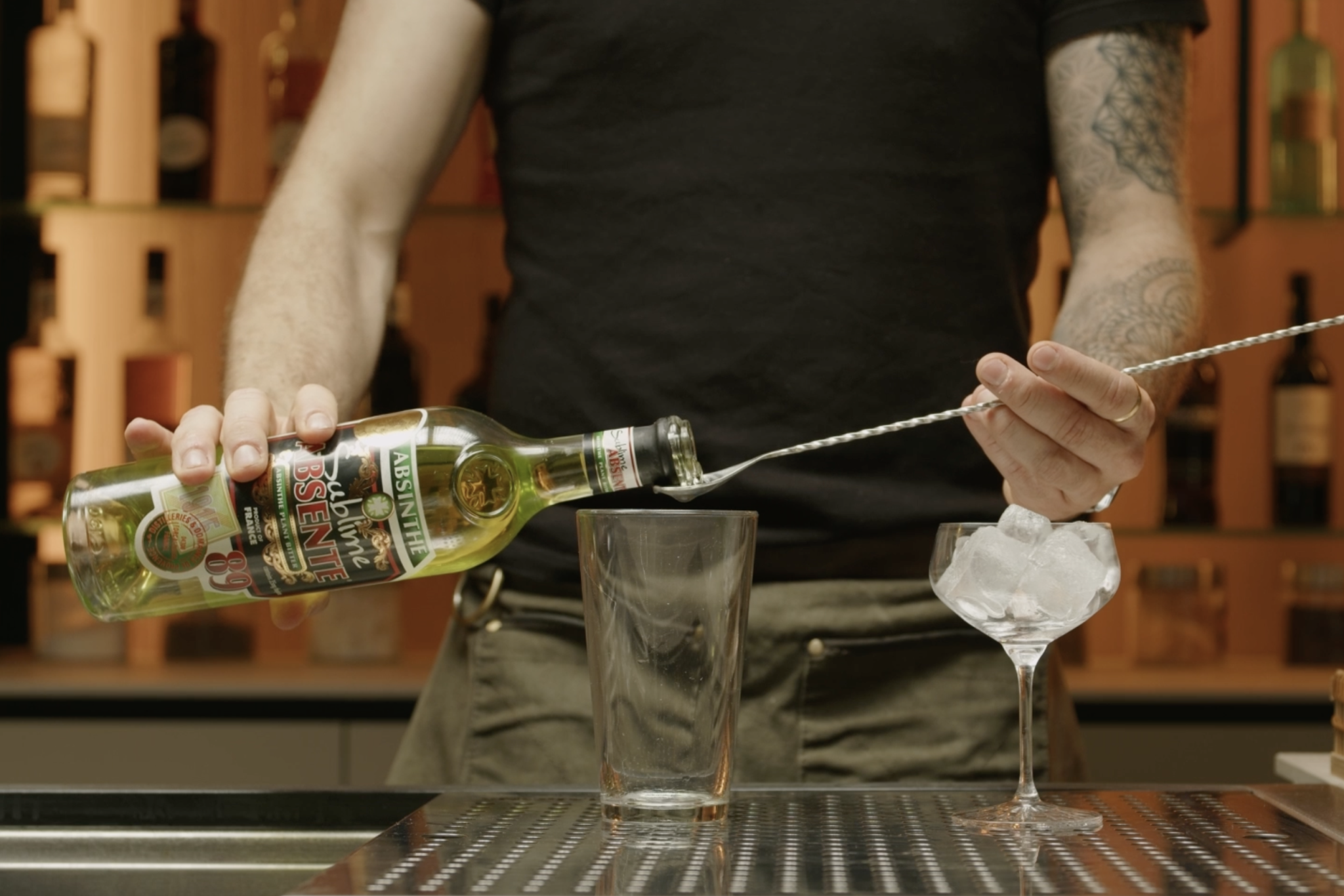
If your recipe calls for a small amount of an ingredient, you can use your bar spoon as a measuring tool. Typically, one bar spoon equals about 1 teaspoon, so you can easily add the right amount of syrups, bitters, or liqueurs.
Scooping Garnishes

The bar spoon is also handy for scooping up garnishes like olives, cherries, or pickled onions. Its small bowl is perfect for plucking those final touches and adding them to your drink.
Common Cocktails That Require a Bar Spoon
Some cocktails simply wouldn’t be the same without a bar spoon. Here are a few drinks where this tool truly shines:
- Old Fashioned: Stirring the whiskey, bitters, and sugar gently ensures the right balance of flavors without unnecessary dilution.
- Negroni: This stirred classic benefits from the smoothness a bar spoon provides.
- Manhattan: Another stirred drink where clarity and texture are essential, requiring the careful touch of a bar spoon.
- Sazerac: One of the ultimate stirred cocktails, the Sazerac demands precision to blend its potent ingredients.

Choosing the Right Bar Spoon for You
When picking a bar spoon, you’ll want to think about a few factors:
- Length: Make sure the spoon is long enough to comfortably stir in any glass you might use, especially tall mixing glasses or shakers.
- Weight: A heavier spoon gives you more control and balance, but some prefer the lighter touch of a standard bar spoon.
- Material: Stainless steel is durable and easy to clean, while copper or gold-plated spoons add a bit of flair but require more maintenance.
- Design: Whether you prefer a classic twisted handle or a sleek, minimalist Japanese style, choose the design that feels comfortable in your hand and fits your bartending style.
Caring for Your Bar Spoon
Like any tool, your bar spoon needs a little TLC to keep it in top shape. Here’s how to care for it:
- Clean it regularly: Rinse your bar spoon immediately after use to prevent residue from sticking. Most stainless steel spoons are dishwasher safe, but if you’re using a spoon made of copper or with gold plating, it’s best to hand wash.
- Avoid scratching: If your spoon is made of a more delicate material like copper or gold, be gentle when cleaning it to avoid scratching the surface.
- Store it properly: Keep your bar spoon stored in a dry place to prevent any tarnishing or rusting, especially if you’re working with plated materials.
Conclusion
The bar spoon is a bartending tool that packs a punch in both form and function. Whether you’re stirring a classic martini, layering a show-stopping cocktail, or simply measuring ingredients with precision, the bar spoon makes it all possible with elegance and ease. Mastering the use of this tool not only helps you make better drinks but also adds a touch of professionalism to your bartending routine.