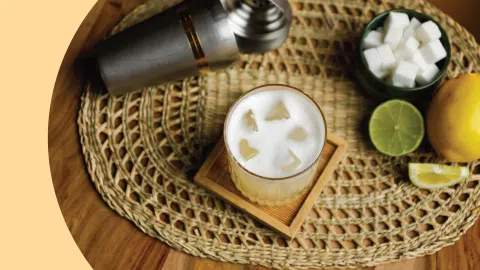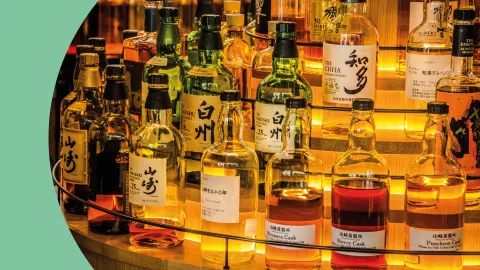

Alcohol density refers to the weight or concentration of alcohol relative to its volume. It’ss crucial in cocktail making because it affects how ingredients mix, layer, and interact
- Higher-density liquids, like syrups or liqueurs, sink, while lower-density spirits, such as vodka, gin, and tequila, float, allowing bartenders to create layered drinks.
- Density also affects the balance of flavors and texture in a cocktail, helping to maintain a smooth, consistent taste and mouthfeel throughout the drink.

Alcohol Density Chart
This alcohol density table ranks various types of alcohol, mixers, and water by their density, measured in grams per cubic centimeter (g/cm³). Understanding the density of these liquids is crucial in cocktail-making, as it determines how they interact—whether they mix easily or layer distinctly in drinks.
| Alcohol Type | Density (g/cm³) |
| Ethanol (Pure Alcohol) | 0,789 |
| Vodka | 0,92 |
| Rum | 0,94 |
| Whiskey | 0,94 |
| Tequila | 0,95 |
| Gin | 0,95 |
| Brandy | 0,96 |
| Wine | 0,99 |
| Water | 1 |
| Chartreuse | 1,01 |
| Beer | 1,01 |
| Aperol | 1,03 |
| Triple Sec | 1,04 |
| Cointreau | 1,04 |
| Baileys Irish Cream | 1,05 |
| Campari | 1,06 |
| Limoncello | 1,08 |
| Amaretto | 1,1 |
| Kahlúa | 1,15 |
| Grenadine | 1,18 |
| Crème de Mûre | 1,18 |
| Simple Syrup | 1,3 |
Here are a few simple conclusions we can draw from this chart:
- Is vodka denser than water?
No, vodka (0.92 g/cm³) is less dense than water (1.00 g/cm³). - Is beer heavier than water?
Yes, beer (1.01 g/cm³) is slightly denser than water (1.00 g/cm³). - Density of vodka:
Vodka has a density of 0.92 g/cm³. - Density of whiskey:
Whiskey has a density of 0.94 g/cm³. - Is gin denser than rum?
No, both gin and rum have similar densities, with gin at 0.95 g/cm³ and rum at 0.94 g/cm³.
High-Density Liquors (Thicker, Heavier)
Liquors with higher density, like syrups, liqueurs, and creams (e.g., Crème de Mûre, Baileys, or Grenadine), tend to settle at the bottom of a drink. We often use denser ingredients to create distinct layers in cocktails, like in a Tequila Sunrise or a B52 shooter. The key to successful layering is pouring the lighter ingredient slowly over the back of a spoon, allowing it to settle gently without disturbing the liquids below.
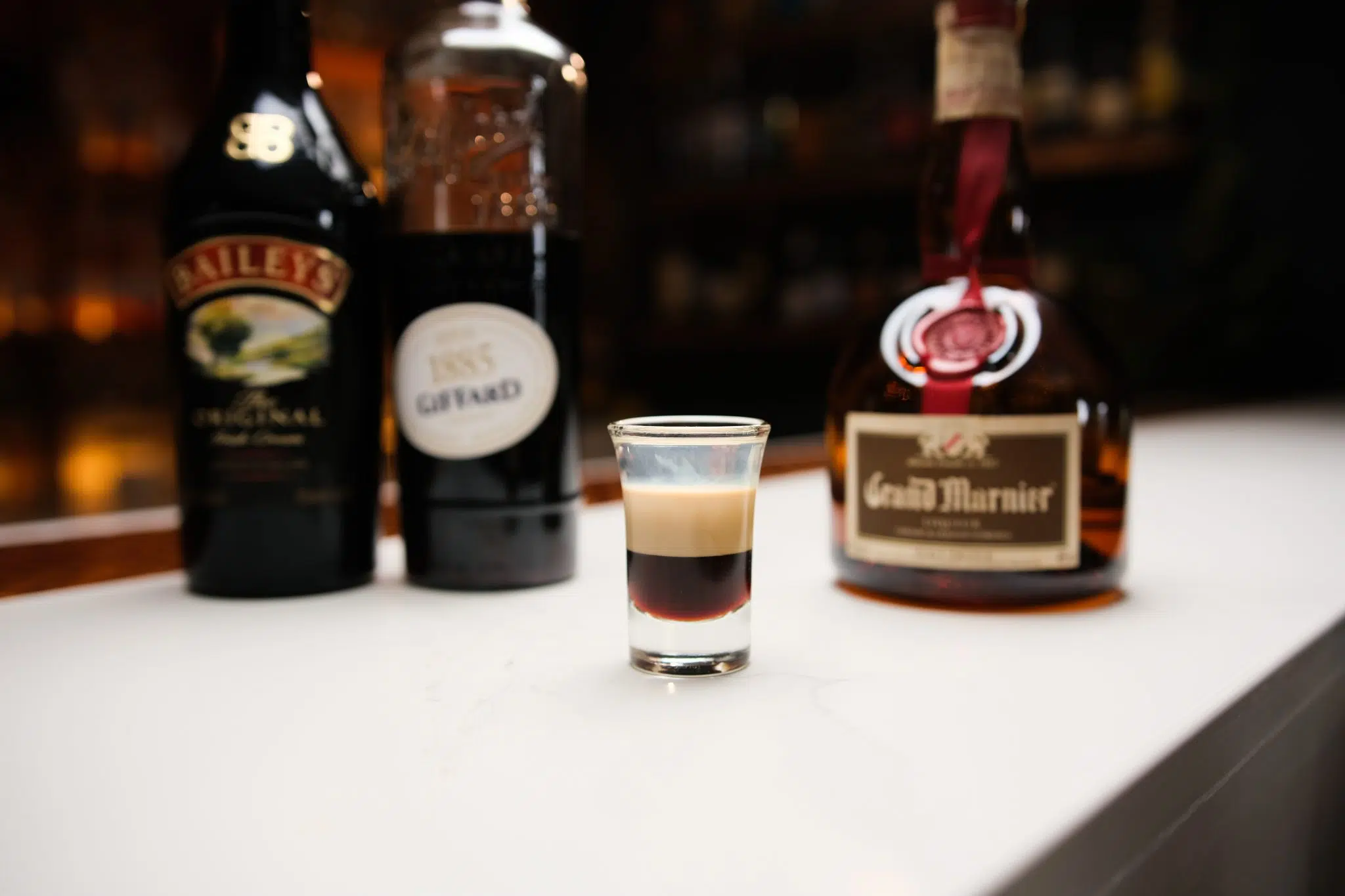
High-density liquors also offer a richer mouthfeel, and they’re often added as finishing touches or as sweeteners to balance out stronger spirits. They don’t mix as easily, which makes them ideal for layered cocktails, but they require care when blending for smoother, unified drinks.
Low-Density Liquors (Lighter, Thinner)
Lower-density liquors, like vodka, gin, and tequila, mix more easily with other ingredients due to their lighter nature. These spirits blend seamlessly into mixed drinks, allowing flavors to meld into a cohesive drink, perfect for cocktails like Martinis, Margaritas, or Mojitos. Because they are lighter, they tend to sit on top when layering with denser liquids, adding visual depth and a gradual flavor experience.
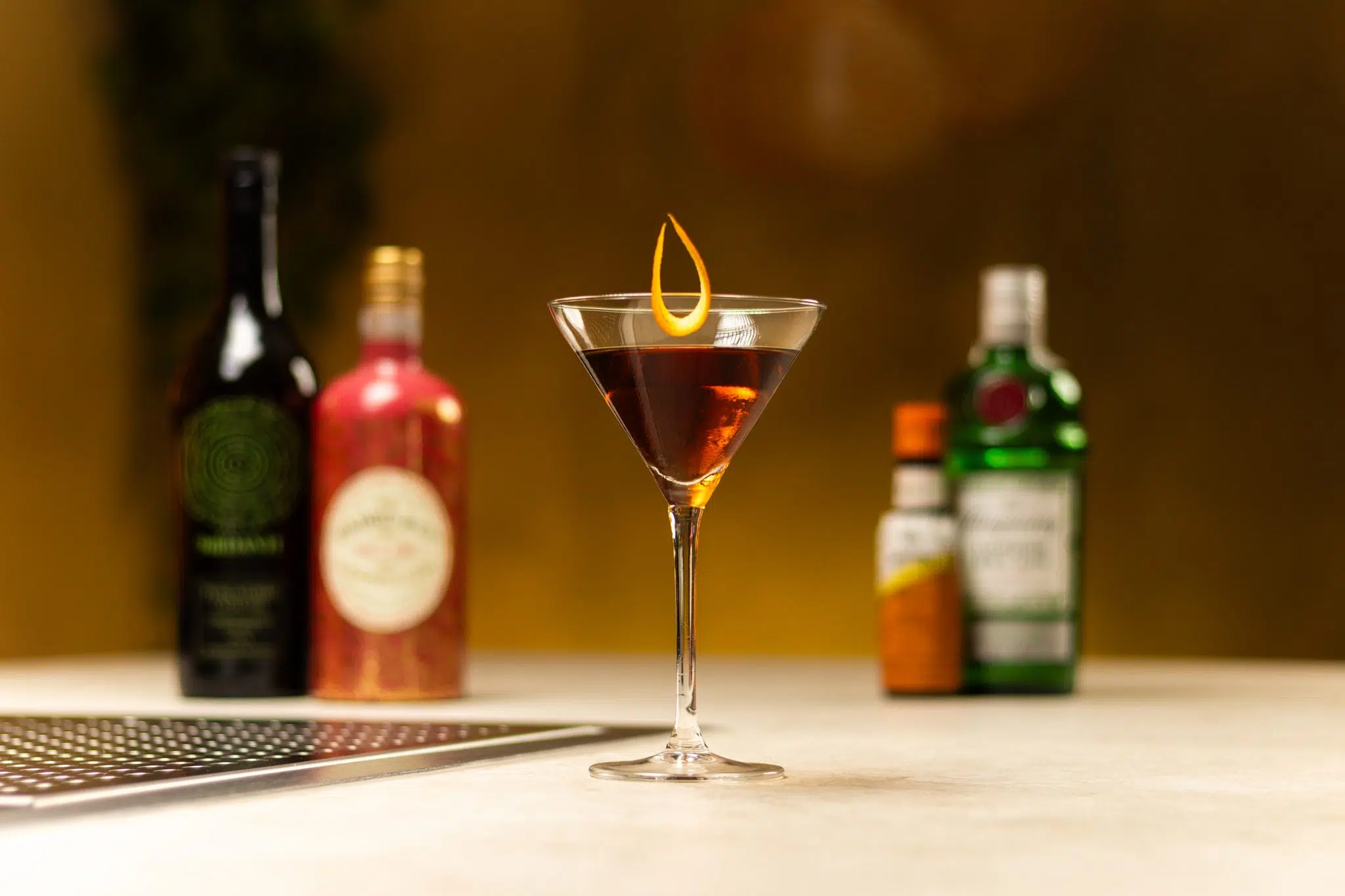
In layered drinks, low-density liquors are typically poured last or layered on top of denser components to create beautiful, eye-catching effects. While low-density liquors are refreshing and mix well with other ingredients, the dense spirits, and liqueurs provide the visual impact essential for achieving distinct layers in a cocktail.
Temperature Has an Effect on Density
Temperature affects the density of liquids, including alcohol and mixers, influencing how they behave in cocktails. As liquids cool, they generally contract and become denser, while warmer liquids expand and reduce their density. This variation is crucial when crafting modern classic cocktails, particularly for layered drinks, as the inherent density of each liquid determines its position in a layered arrangement.
When shaking a cocktail with ice, the cooling effect lowers the temperature of the mixture, increasing its density. However, the ice also melts, introducing water into the drink, which can dilute the cocktail and affect its overall density. This interaction enhances the flavors and texture of the drink while making it refreshing, emphasizing the importance of temperature and density management in cocktail preparation.
Alcohol by Volume (ABV) Impact on Density
Alcohol by Volume (ABV) plays a significant role in determining the density of various liquors and mixers. Generally, the higher the ABV, the lower the density of the liquid. This is because pure alcohol (ethanol) is less dense than water, so spirits with a high ABV, such as vodka, gin, or whiskey, will be lighter in comparison to drinks with a lower ABV. On the other hand, beverages like beer or wine, which contain more water and have lower alcohol content, are denser.
Density of Non-Alcoholic Mixers
Non-alcoholic mixers play a crucial role in cocktail making, and understanding their density is just as important as understanding the density of spirits. Common mixers like juices, sodas, tonic water, and syrups vary significantly in density, affecting how they mix, layer, and balance within a drink.
For instance, syrups (simple syrup or grenadine) are much denser due to their high sugar content, meaning they tend to sink to the bottom when layered in a cocktail. This makes them ideal for creating visually distinct layers or adding a sweet foundation to drinks like the Tequila Sunrise.
On the other hand, juices like orange, cranberry, or pineapple juice have densities closer to water, allowing them to blend more easily with spirits. They can also seamlessly mix into cocktails like Margaritas or Cosmopolitans, ensuring a smooth, uniform drink. However, their natural sugars can still create subtle layers when combined with lighter spirits or carbonated mixers.
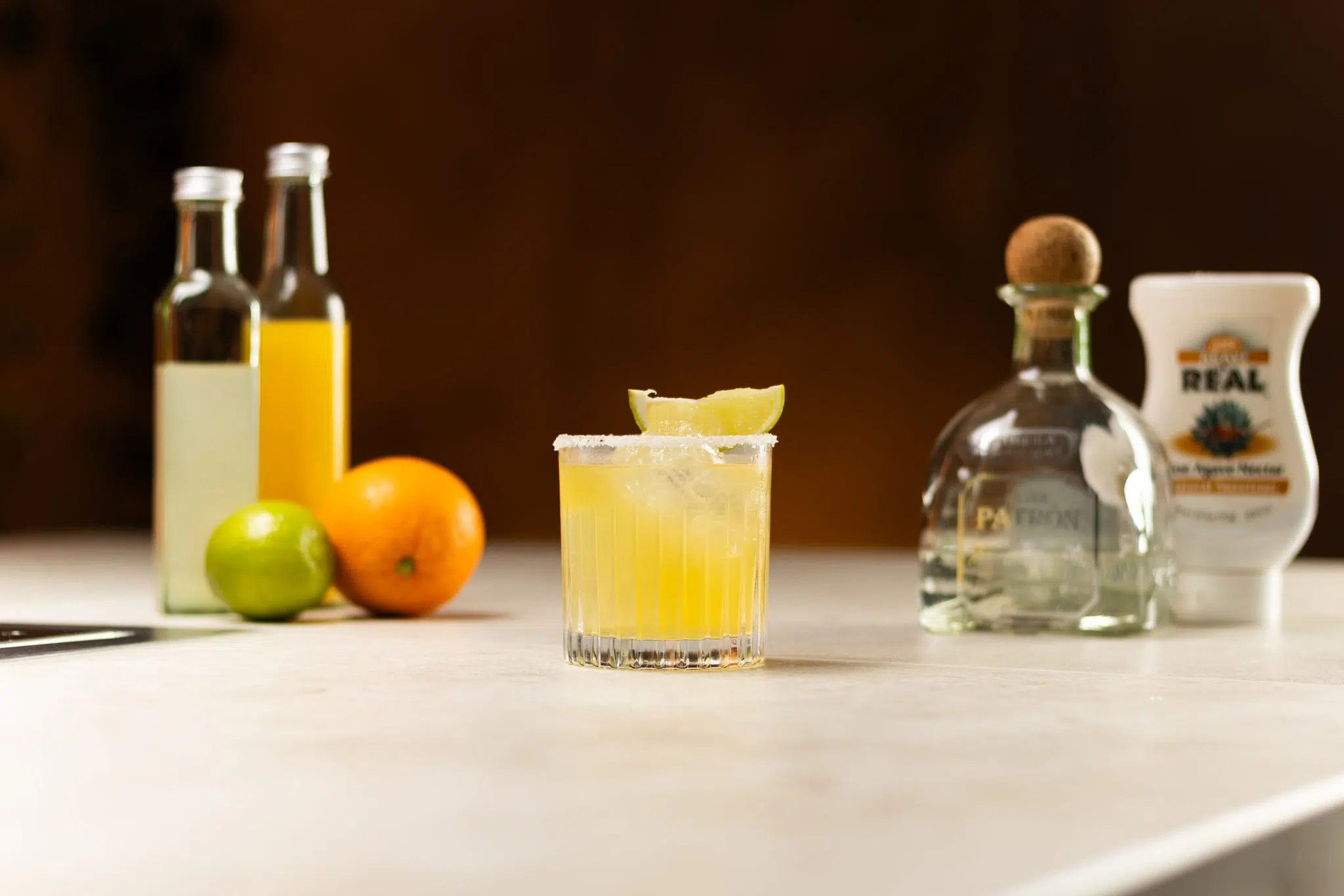
Carbonated mixers like soda, tonic water, and sparkling water generally have a lower density due to gas bubbles. This makes them lighter and perfect for topping off a cocktail. Because of their low density, they tend to float on top of heavier ingredients, adding a refreshing finish without overpowering the drink.
FAQs
Can alcohol density help identify counterfeit or adulterated spirits?
Yes, measuring the density of a spirit can help determine if it’s been watered down or adulterated. Any significant deviation from the expected density for a given ABV could indicate tampering.
Is there a way to calculate the ideal density for layering specific drinks?
There’s no one-size-fits-all formula, but bartenders often refer to density charts for liqueurs and spirits. Testing through trial and error can also help achieve the perfect layering in complex cocktails.
What role does temperature play in cocktail viscosity along with density?
As liquids cool, they not only become denser but also more viscous (thicker). This can affect how a cocktail feels in the mouth, adding to the drink’s texture in addition to its layering effects.
Does alcohol density change with altitude?
Yes, alcohol density can change slightly at higher altitudes due to changes in atmospheric pressure and temperature, although the effect is minimal in most cocktail-making scenarios.
How does dilution with water or ice affect the density of a cocktail?
Dilution lowers the overall density of a cocktail. As water or ice is added, the alcohol content decreases, making the drink denser as the concentration of water increases.
How does carbonation impact the layering of a cocktail?
Carbonated mixers have lower density due to the presence of gas bubbles, which makes them float easily. The carbonation can also disrupt layers, making it harder to create clean, distinct layers in a drink.
Can you use a refractometer to measure alcohol density?
A refractometer is typically used to measure sugar content (Brix) rather than density. However, a hydrometer is the proper tool for measuring alcohol density, especially when determining the alcohol content of homemade spirits.