So, what is ABV? If you’ve checked a bottle of wine, beer, or spirits, you’ve probably seen a percentage listed—this is ABV (Alcohol by Volume), which tells you how strong the drink is. More than just a number, ABV affects flavor, body, and the overall drinking experience, from a light white wine to a high-proof rum cocktail.
Understanding ABV is useful; a 5% beer has a different taste and effect than a 14% red wine. Knowing ABV lets you choose the right drink for your mood, meal, or plans.
In this article, we discuss what ABV means and how it plays a role in different types of alcoholic beverages.
The Definition of ABV
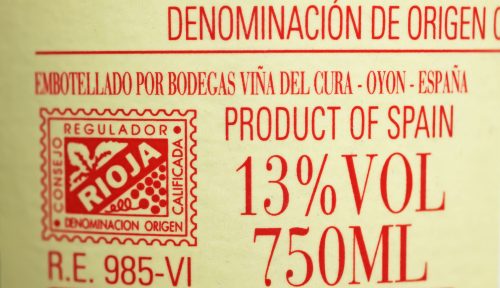
ABV stands for Alcohol by Volume, and it’s a way to measure how much of a drink’s total volume is made up of pure alcohol. Essentially, it’s the percentage of alcohol in your beverage. For example, if you’re enjoying a glass of wine that’s labeled at 12% ABV, that means 12% of the liquid is alcohol.
But it’s not just a random number—it’s calculated based on how much sugar in the grapes, grains, or other ingredients has been converted into alcohol during the fermentation process. More sugar equals more alcohol, and thus, a higher ABV. It’s a handy way to know what you’re getting into with each sip.
ABV vs. Proof
You might’ve also seen something called proof on certain spirits like whiskey or rum. In the U.S., proof is just another way of expressing ABV, but it’s a bit different—proof is double the ABV. So, if a bottle of bourbon says 50% ABV, it’s 100 proof. Simple, right? Outside the U.S., most countries stick to ABV, which makes it easier to understand across different types of drinks.
How ABV is Measured
Now, how do they figure out the ABV of your drink? It all starts with fermentation—the magical process where yeast converts the sugars in fruits, grains, or other base ingredients into alcohol. As the yeast eats the sugar, it creates ethanol (the type of alcohol we drink) and carbon dioxide. The more sugar the yeast consumes, the more alcohol is produced, leading to a higher ABV.
Tools of the Trade: Hydrometers and Refractometers
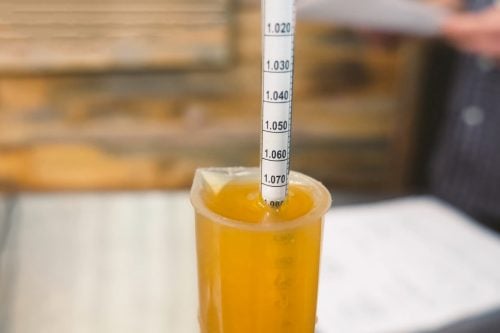
To measure ABV, winemakers, brewers, and distillers use tools like hydrometers and refractometers. These instruments check the density of the liquid before and after fermentation. Before fermentation, the liquid (like grape juice or beer wort) is sugar-rich. After fermentation, it’s alcohol-rich, and by comparing these densities, the ABV can be calculated.
Most beverages will have their ABV printed on the label once the product is finished, but there’s a slight margin of error, especially in naturally fermented drinks like wine or beer, where small variations in the process can occur.
ABV in Different Types of Alcoholic Beverages
Alcoholic drinks come in all shapes and sizes, and their ABV levels can vary significantly based on what they’re made from and how they’re produced. Let’s break it down by types of alcohol:
Beer (3-12% ABV)
Beer usually falls on the lower end of the ABV spectrum, ranging anywhere from 3% to 12%. Your typical light beer or lager will sit around 4-5% ABV, while craft beers, especially IPAs and stouts, often push into the 7-9% range. Some strong ales and imperial stouts can even hit 12% or more. The lower ABV makes beer an easy-drinking option for social settings or a casual evening.
Wine (5-20% ABV)
Wine offers a broad range of alcohol content. Most table wines—reds, whites, and rosés—hover between 11% and 14% ABV. However, dessert wines like Moscato can be as low as 5-7%, while fortified wines like Port or Sherry can climb to a hefty 15-20% ABV. Red wines tend to have slightly more alcohol than whites due to their fermentation process and grape variety.
Spirits (35-50% ABV)

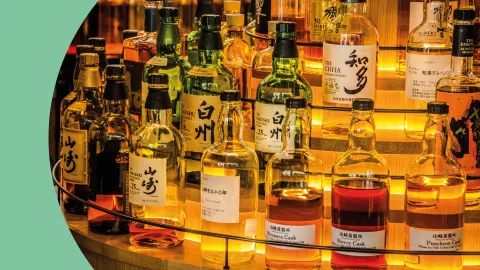
Spirits, like whiskey, vodka, and rum, are in a league of their own when it comes to ABV. Most distilled spirits are around 40% ABV (or 80 proof), that means 40% of the liquid is alcohol. But some high-proof liquors, like certain rums and whiskeys, can exceed 50% ABV. These drinks are strong, which is why they’re often enjoyed in smaller amounts, like shots or cocktails.
Liqueurs (15%-30% ABV)
Liqueurs are made by infusing fruits, herbs, or spices into a base spirit, with added sugar. Their lower ABV (15%-30%) results from this sweetening process, making them smoother and generally less potent compared to higher ABV spirits like vodka or rum.
How ABV Affects Taste and Body
ABV plays a huge part in how the drink tastes and feels in your mouth. Here’s how it breaks down:
Taste
Alcohol acts as a flavor amplifier. Wines and beers with higher ABV often have bolder, more intense flavors, while lower ABV drinks tend to be lighter and more delicate. Ever notice how a big, bold Zinfandel can hit you with a rush of fruit and spice, whereas a light white like Pinot Grigio feels more crisp and refreshing? That’s ABV doing its thing. Higher alcohol can also give a drink a “hot” sensation—sometimes even overpowering the other flavors if it’s too high.
Body
The more alcohol in a drink, the heavier it feels in your mouth. High-ABV wines or beers will feel fuller and richer, almost like they’re coating your mouth, whereas lower ABV drinks come across as lighter and more refreshing. That’s why big, bold red wines often have a smooth, velvety texture, while lighter whites or bubbly sparkling wines feel crisp and clean.
Sweetness vs. Dryness
Interestingly, high-ABV drinks often taste drier. Alcohol can enhance tannins (those compounds that give wine a dry, puckery feeling), which makes the drink feel less sweet. On the flip side, lower ABV drinks, especially sweet wines like Moscato, retain more sugar, making them taste fruitier and more refreshing. So, if you’re into something rich and complex, go for a higher ABV; if you prefer lighter, fruity notes, a lower ABV might be more your style.
ABV and Alcohol Consumption
Now that we know how ABV affects taste and texture, let’s talk about the more practical side of things—how ABV influences your drinking experience. Yes, we’re talking about how tipsy you’re going to get and how quickly.
How ABV Impacts Intoxication
The higher the ABV, the quicker you’ll feel the effects. It’s pretty straightforward: drinks with more alcohol hit harder. For example, sipping on a 5% ABV beer will let you ease into your night, while throwing back a few 12% ABV glasses of wine will get you buzzed much faster. Keep this in mind, especially if you’re mixing drinks or don’t realize how strong your cocktail really is.
Standard Drink Sizes
One of the best ways to understand how ABV affects consumption is by looking at standard drink sizes. In the U.S., a standard drink is defined as:
- Beer: 12 oz at 5% ABV
- Wine: 5 oz at 12% ABV
- Spirits: 1.5 oz at 40% ABV (or 80 proof)
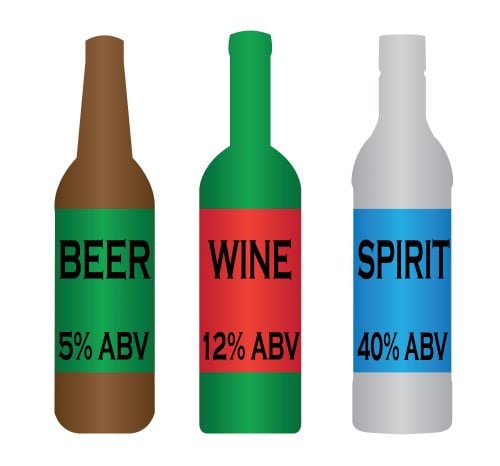
No matter the drink, each serving has roughly the same amount of alcohol. But keep an eye on those craft beers or heavy pours of whiskey—their higher ABV can sneak up on you fast!
Why ABV Helps You Pace Yourself
Knowing the ABV of your drink is key to pacing yourself. Whether you’re out at a party or enjoying a quiet night at home, being aware of how much alcohol you’re consuming helps keep things in check. High-ABV drinks, in particular, should be enjoyed more slowly. Trust us, your morning-after self will thank you.
ABV and Health Considerations
Let’s face it—how much alcohol you’re consuming doesn’t just affect your buzz; it can impact your health as well. Here’s what you should know:
Calorie Count and ABV
Alcohol is packed with calories—about 7 calories per gram—so the higher the ABV, the more calories in each glass. This means that a glass of 12% ABV wine has more calories than a glass of 5% ABV cider. If you’re keeping an eye on your intake, choosing drinks with lower ABV can help lighten the calorie load.
Moderation is Key
We all know drinking in moderation is important, but what does that mean in terms of ABV? Stick to the recommended U.S. Dietary Guidelines guidelines: one drink per day for women and two for men. Knowing the ABV helps you stay in control—fewer high-ABV drinks can have the same effect as multiple low-ABV ones. Moderation isn’t just about how many drinks you have, but how much alcohol is in each one.
Health Benefits and Myths
You’ve probably heard that a glass of red wine a day is good for your heart. While there’s some truth to that, it doesn’t give you free rein to overdo it. The heart-health benefits of wine come from moderate consumption, and they apply to drinks with moderate ABV. Overdoing it—especially with high-ABV drinks—can easily offset any potential benefits.