Corpse Reviver No.1 Cocktail Drink

Corpse Reviver No. 1

A shot of Gavin Wrigley looking to the camera in a dimly lit room
Written by
Gavin Wrigley
Andrea
Tested by
Andrea Ottaiano

If you want a cocktail that’s as flavorful as it’s easy to make, try the Corpse Reviver No. 1 recipe! It’s a drink that will add some excitement to your evening.

Corpse Reviver No. 1 Recipe

This easy Corpse Reviver No. 1 recipe will warm up your winter! Cognac, Calvados, sweet vermouth and a touch of orange bitters make it the perfect cocktail for cold nights.

Prep time:

1 minute

Mixing time:

1 minute

Servings:

1

Calories:

187 kl

Ingredients

  • oz Cognac
  • ¾ oz Calvados
  • ¾ oz sweet vermouth
  • 1 dash orange bitters
  • Ice cubes
  • Orange peel, for garnish, optional

Equipment

  • Stirring Glass
  • Bar spoon or long stirrer
  • Cocktail Strainer
  • Chilled Martini or Coupe Glass
  • Measuring Jigger

Instructions

  • Prep Glass: Fill your Martini glass or cocktail coupe with ice. Set it aside.
  • Add Bitters: Pour 1 dash orange bitters into the mixing glass.
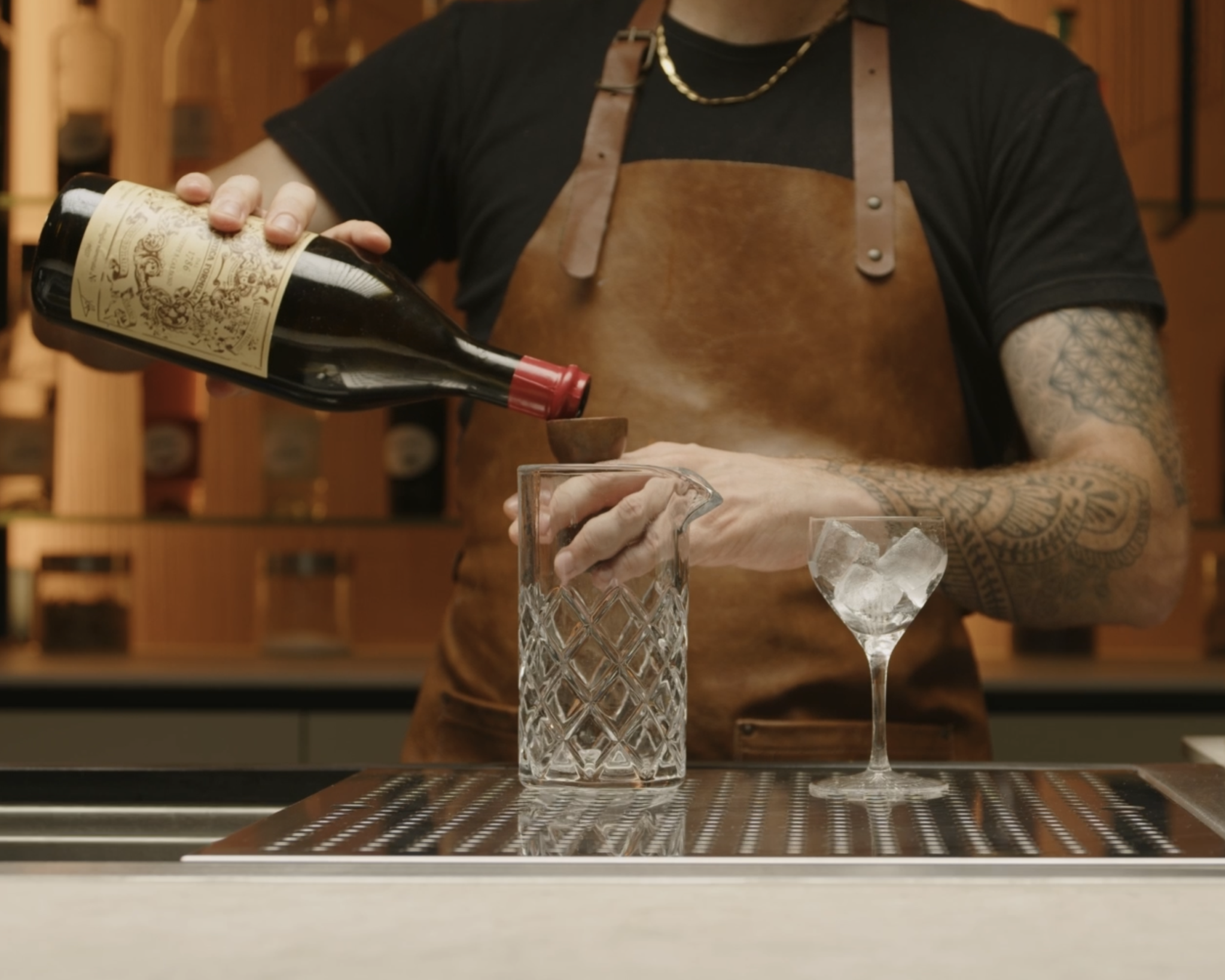
  • Add Vermouth: Measure and pour ¾ oz sweet vermouth into the mixing glass.
  • Add Calvados: Add ¾ oz Calvados.
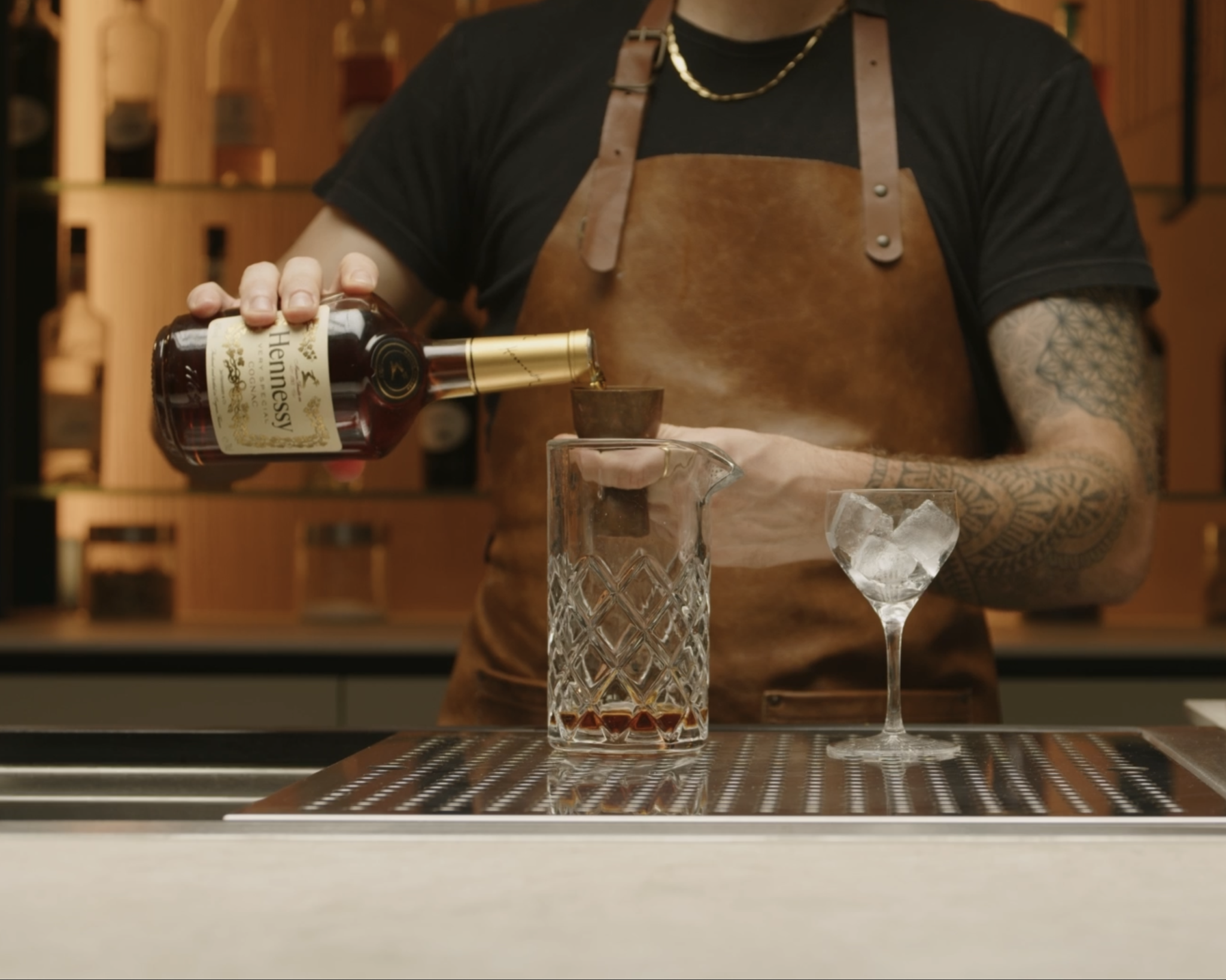
  • Add Cognac: Finally, add 1½ oz Cognac to the mix.
  • Add Ice and Stir: Fill the mixing glass with ice. Using a bar spoon or a long stirrer, stir well (for about 15-20 seconds). Give it a taste and stir a bit more if you feel like more dilution is necessary.
  • Strain: Take your Martini glass or cocktail coupe and discard the ice. Using the cocktail strainer, strain the mixture into the chilled glass.
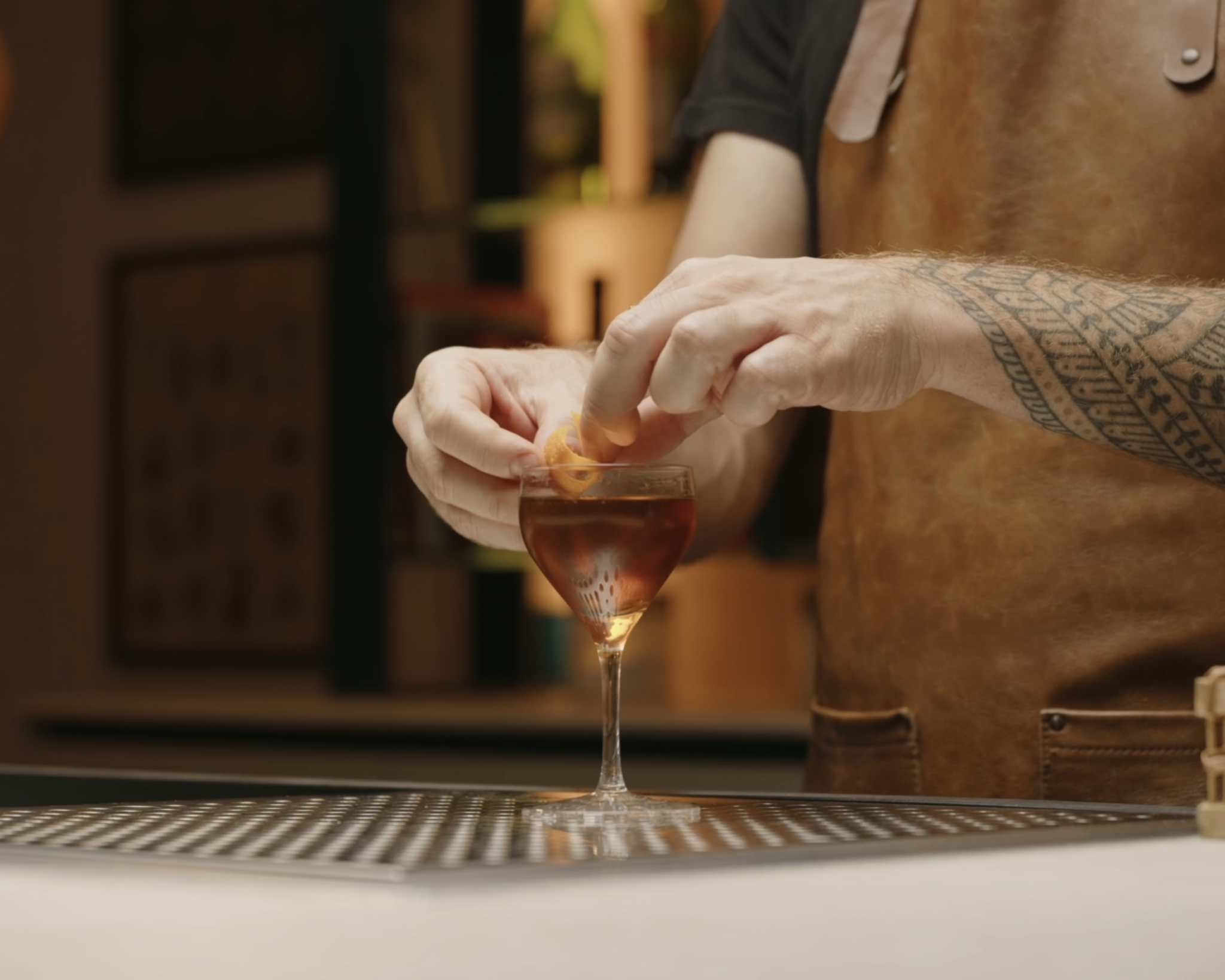
  • Garnish: Garnish with an orange twist (express the orange zest on top of the drink and then place it on the rim of the glass or drop it directly inside).

Notes

Substitutes:

  • Cognac: You can use any type of grape Brandy if you don't have cognac. Feel free to experiment with bourbon whiskey. It will have a different depth of flavor, but it will still work in this cocktail.
  • Apple Brandy/Calvados: An apple-flavored liqueur could work as a substitute if you can't find apple brandy or Calvados.
  • Sweet Vermouth: Dry vermouth can be used instead of sweet vermouth if needed. Just add a small splash of simple syrup to balance out the bitterness.
  • Orange bitter: Opt for lemon bitters for a different citrusy note or try with angostura bitters.

Making a Pitcher of Corpse Reviver No.1:

  • Scale: To make a pitcher that serves 8, multiply all the ingredients by 8. That would be 8 dashes of orange bitters, 12 oz of Cognac, 6 oz of apple brandy, and 6 oz of sweet vermouth.
  • Mix: In a large pitcher, combine the bitters, Cognac, apple brandy, and sweet vermouth with ice. Stir well.
  • Serve: Pour the mixture into chilled martini glasses, garnish with an orange peel, or cherry, and serve immediately.

Making it Non-Alcoholic:

  • Cognac Substitute: Use a non-alcoholic brandy substitute; these are available and reasonably mimic the brandy's flavors.
  • Apple Brandy/Calvados Substitute: Opt for an apple juice or a non-alcoholic apple-flavored syrup.
  • Proceed As Usual: Use these non-alcoholic substitutes instead of the regular ingredients, follow the original steps, and enjoy a non-alcoholic version.

Making it Vegan:

This cocktail is already vegan-friendly as it doesn't contain any animal products. However, be sure to check your ingredients' labels to ensure they're suitable for vegans. Some brands may use animal products in their production process.

Nutrition Facts

Calories
187
% Daily Value*
Sodium
 
3
mg
0
%
Carbohydrates
 
3
g
1
%
Sugar
 
2
g
2
%
Potassium
 
21
mg
1
%
Protein
 
0.1
g
0
%
Calcium
 
2
mg
0
%
Iron
 
0.1
mg
1
%


Corpse Reviver No.1 Cocktail Drink

Corpse Reviver No. 1 Recipe

Gavin Wrigley Written by Gavin Wrigley
Jump to Video
This easy Corpse Reviver No. 1 recipe will warm up your winter! Cognac, Calvados, sweet vermouth and a touch of orange bitters make it the perfect cocktail for cold nights.
Prep time: 1 minute
Mixing time: 1 minute
Servings: 1
Calories: 187

Ingredients
 

  • oz Cognac
  • ¾ oz Calvados
  • ¾ oz sweet vermouth
  • 1 dash orange bitters
  • Ice cubes
  • Orange peel - for garnish, optional

Equipment

  • Stirring Glass
  • Bar spoon or long stirrer
  • Cocktail Strainer
  • Chilled Martini or Coupe Glass
  • Measuring Jigger

Instructions

  • Prep Glass: Fill your Martini glass or cocktail coupe with ice. Set it aside.
  • Add Bitters: Pour 1 dash orange bitters into the mixing glass.
  • Add Vermouth: Measure and pour ¾ oz sweet vermouth into the mixing glass.
  • Add Calvados: Add ¾ oz Calvados.
  • Add Cognac: Finally, add 1½ oz Cognac to the mix.
  • Add Ice and Stir: Fill the mixing glass with ice. Using a bar spoon or a long stirrer, stir well (for about 15-20 seconds). Give it a taste and stir a bit more if you feel like more dilution is necessary.
  • Strain: Take your Martini glass or cocktail coupe and discard the ice. Using the cocktail strainer, strain the mixture into the chilled glass.
  • Garnish: Garnish with an orange twist (express the orange zest on top of the drink and then place it on the rim of the glass or drop it directly inside).

Notes

Substitutes:

  • Cognac: You can use any type of grape Brandy if you don't have cognac. Feel free to experiment with bourbon whiskey. It will have a different depth of flavor, but it will still work in this cocktail.
  • Apple Brandy/Calvados: An apple-flavored liqueur could work as a substitute if you can't find apple brandy or Calvados.
  • Sweet Vermouth: Dry vermouth can be used instead of sweet vermouth if needed. Just add a small splash of simple syrup to balance out the bitterness.
  • Orange bitter: Opt for lemon bitters for a different citrusy note or try with angostura bitters.

Making a Pitcher of Corpse Reviver No.1:

  • Scale: To make a pitcher that serves 8, multiply all the ingredients by 8. That would be 8 dashes of orange bitters, 12 oz of Cognac, 6 oz of apple brandy, and 6 oz of sweet vermouth.
  • Mix: In a large pitcher, combine the bitters, Cognac, apple brandy, and sweet vermouth with ice. Stir well.
  • Serve: Pour the mixture into chilled martini glasses, garnish with an orange peel, or cherry, and serve immediately.

Making it Non-Alcoholic:

  • Cognac Substitute: Use a non-alcoholic brandy substitute; these are available and reasonably mimic the brandy's flavors.
  • Apple Brandy/Calvados Substitute: Opt for an apple juice or a non-alcoholic apple-flavored syrup.
  • Proceed As Usual: Use these non-alcoholic substitutes instead of the regular ingredients, follow the original steps, and enjoy a non-alcoholic version.

Making it Vegan:

This cocktail is already vegan-friendly as it doesn't contain any animal products. However, be sure to check your ingredients' labels to ensure they're suitable for vegans. Some brands may use animal products in their production process.

What is a Corpse Reviver No. 1?

A Corpse Reviver No. 1 is a brandy-based cocktail made of two parts Cognac, one part apple brandy or Calvados, and one part sweet vermouth. Despite its ominous name suggesting it is a hangover cure, this drink is relatively easy to make if you have the necessary ingredients and basic knowledge of mixology.

The process involves stirring the components over ice before straining them into a chilled cocktail glass. Typically garnished with an orange peel for added aroma, this potent concoction is not recommended for light drinkers due to its high alcohol content.
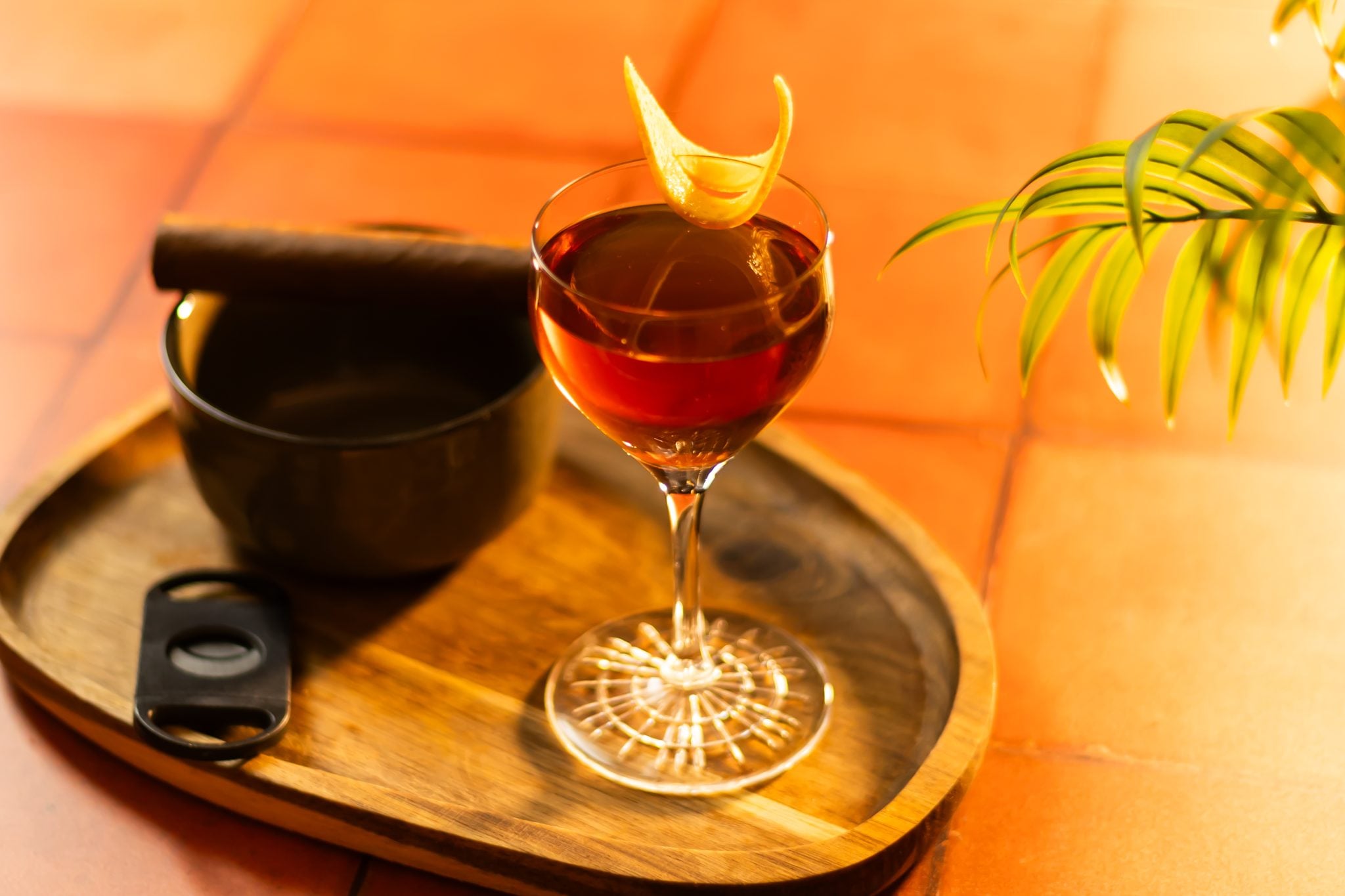
A side shot of a Corpse Reviver No.1 cocktail in a Nick&Nora glass on a wooden tray placed on a tiled surface with a black bowl with a ciger and a cigar cutter

What is a Corpse Reviver No. 1 made of – The ingredients

To concoct a Corpse Reviver No. 1, the following ingredients are required:

  • Cognac: This French brandy provides a rich, smooth base for the cocktail. Its complex fruit, spice, and oak flavors add depth to the drink.
  • Apple Brandy or Calvados: An apple-based spirit that brings a sweet, fruity element to balance out the stronger flavors of the Cognac.
  • Sweet Vermouth: A fortified wine that adds sweetness and complexity. It helps to round out the flavors and bring harmony to the cocktail.
  • Orange bitters: a citrus bitter that provides aroma and adds a different layer of flavor to the drink.
  • Lemon Juice (optional): Some versions include this ingredient. It adds a touch of acidity and brightness, cutting through the richness of the other ingredients and refreshing the palate.
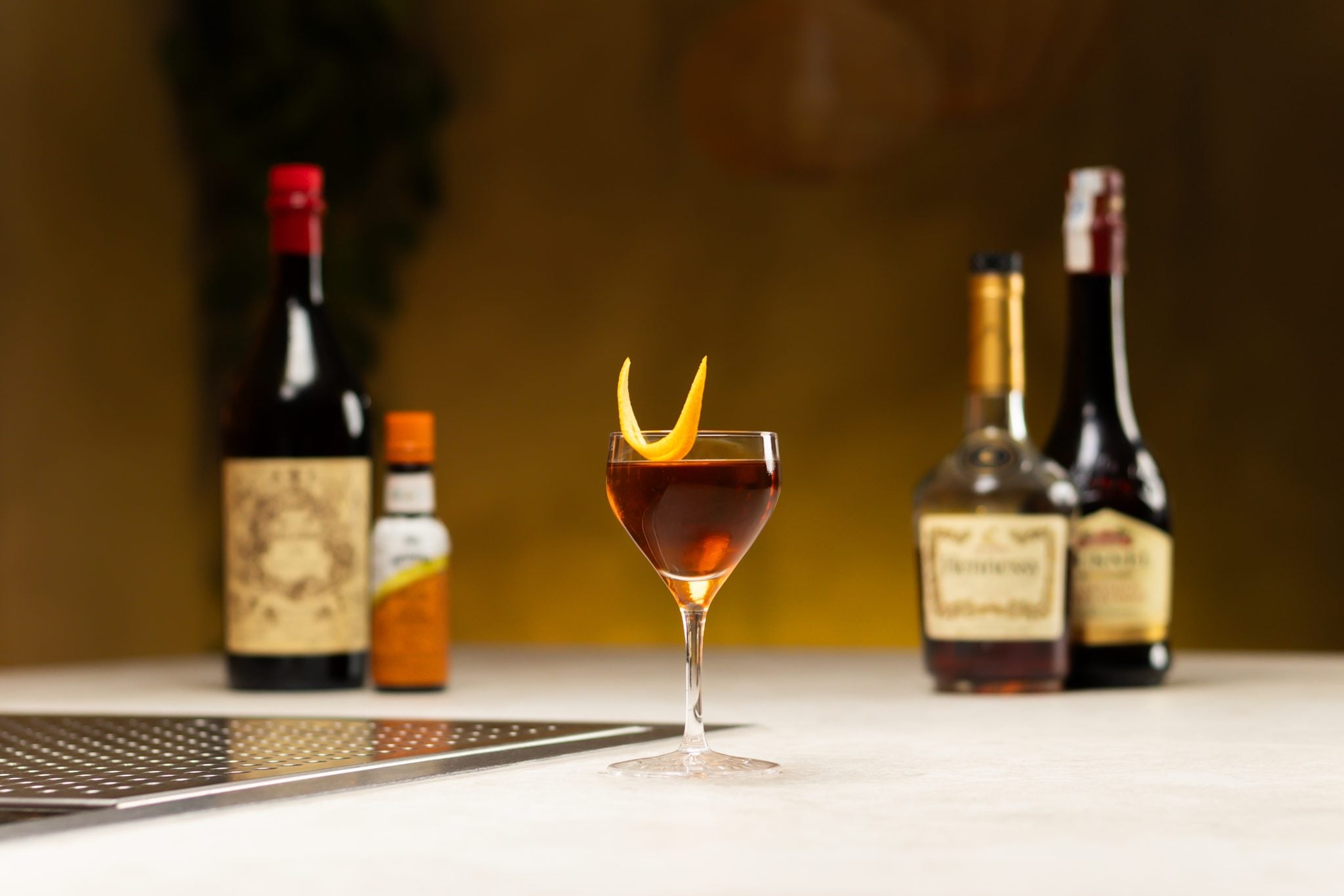
Cognac, Calvados, sweet vermouth, and orange bitters laid out on a white bar table

How do you make a Corpse Reviver No. 1?

Get hands-on experience in making a Corpse Reviver No. 1 with our easy-to-follow guide:

1
<p>Begin by filling a cocktail glass with ice.  This will ensure that the glass will be chilled when needed.</p>

Begin by filling a cocktail glass with ice. This will ensure that the glass will be chilled when needed.

2
<p>Add one dash of orange bitters in the mixing glass. The orange bitters donates complexity and a citrus aroma to the drink.</p>

Add one dash of orange bitters in the mixing glass. The orange bitters donates complexity and a citrus aroma to the drink.

3
<p>Follow this with one part: sweet vermouth. The sweet vermouth adds a layer of complexity to the cocktail, complementing the other ingredients and adding depth to the overall flavor.</p>

Follow this with one part: sweet vermouth. The sweet vermouth adds a layer of complexity to the cocktail, complementing the other ingredients and adding depth to the overall flavor.

4
<p>Add one part of apple brandy to the mix. This will give your cocktail a sweet and fruity twist, balancing out the strong taste of the Cognac.</p>

Add one part of apple brandy to the mix. This will give your cocktail a sweet and fruity twist, balancing out the strong taste of the Cognac.

5
<p>Pour two parts of Cognac into the mixing glass. The Cognac serves as the base of the Corpse Reviver No.1, providing a rich and robust flavor.</p>

Pour two parts of Cognac into the mixing glass. The Cognac serves as the base of the Corpse Reviver No.1, providing a rich and robust flavor.

6
<p>Fill the mixing glass with ice. Using a bar spoon or a long stirrer, stir well (for about 15-20 seconds)</p>

Fill the mixing glass with ice. Using a bar spoon or a long stirrer, stir well (for about 15-20 seconds)

7
<p>Give it a taste, if necessary, add a bit more ice and stir again if more dilution is needed.</p>

Give it a taste, if necessary, add a bit more ice and stir again if more dilution is needed.

8
<p>Fine strain the mixture into a chilled cocktail glass. This will remove any ice shards or other unwanted particles, resulting in a smooth and enjoyable drinking experience.</p>

Fine strain the mixture into a chilled cocktail glass. This will remove any ice shards or other unwanted particles, resulting in a smooth and enjoyable drinking experience.

9
<p>Finally, garnish the drink with a twist of orange peel. This adds a touch of elegance to your cocktail and provides a hint of additional flavor.</p>

Finally, garnish the drink with a twist of orange peel. This adds a touch of elegance to your cocktail and provides a hint of additional flavor.

History and Origin of the Corpse Reviver No. 1

The story of the Corpse Reviver No. 1 cocktail starts in the 19th century. Old barkeepers had their ‘pick me up’ cocktails for the customer in need, this concoction was indeed suggested as a cure for hangovers. The first written reference to a Corpse Reviver is found in “The Gentleman’s Table Guide” by E. Ricket and C. Thomas in 1871. But, the recipe they gave was different from what we know today as the Corpse Reviver No. 1, it had brandy, maraschino liqueur, and Boker’s bitters.

In 1930, Harry Craddock, the famous bartender at the Savoy Hotel in London, wrote about two versions of the Corpse Reviver in his book “The Savoy Cocktail Book.” He made the first version, Corpse Reviver No. 1, with Cognac, Calvados (or apple brandy), and sweet vermouth.

A Corpse Reviver No.1 cocktail, shot from above, in a Nick&Nora glass on a white surface surrounded by Cognac, Calvados, sweet vermouth, and orange bitters

See More

Did you make this recipe?

We’d love to see how you crafted our recipes!
Tag us on Instagram at @_drinksworld

FAQ

How many calories does a Corpse Reviver No. 1 contain?
A standard Corpse Reviver No. 1 serving contains approximately 150-200 calories. However, this can vary depending on the specific brands of alcohol used.
How strong is the Corpse Reviver No. 1?
The strength of the Corpse Reviver No. 1 can be measured in terms of Alcohol by Volume (ABV) and proof. The ABV is typically around 25%, which translates to 50 proof. This makes it a moderately strong cocktail.
What types of alcohol are used in Corpse Reviver No. 1?
The Corpse Reviver No. 1 is made with two spirits: Cognac and Calvados, an apple or pear brandy from Normandy, France. Sweet vermouth and bitters are also used in the recipe.
In what type of glass is the Corpse Reviver No. 1 typically served?
The Corpse Reviver No. 1 is traditionally served in a chilled cocktail glass.
What does the Corpse Reviver No. 1 taste like?
The Corpse Reviver No. 1 offers a complex flavor profile, with the rich, warming notes of Cognac and Calvados.
What is the ratio of ingredients in Corpse Reviver No. 1?
The classic recipe for a Corpse Reviver No. 1 calls for 1 ½ oz Cognac, ¾ oz Calvados, ¾ oz Sweet Vermouth, and 1 dash orange bitters
How is the Corpse Reviver No. 1 served with ice?
The Corpse Reviver No. 1 is usually stirred with ice until well-chilled, then strained into a cocktail glass without ice, also known as serving "up."
Is there any historical significance to the Corpse Reviver No. 1?
Yes, the Corpse Reviver No. 1 is part of a family of "Corpse Reviver" cocktails originally conceived as hangover cures in the late 19th century.

Categories

Types

Flavours

Share
Pin
Post
Share
Send
Email

Rate this recipe

I don’t like it

It’s not bad

I like it

I really like it!

I love it!

Comments

Leave a Reply

Select language

The page you are looking at is also available in the following languages:

Recipe Overview

Explore our recipes by the categories below.

By spirit

By type

By flavor

Spirits Overview

Explore our spirits by the categories below.

Types