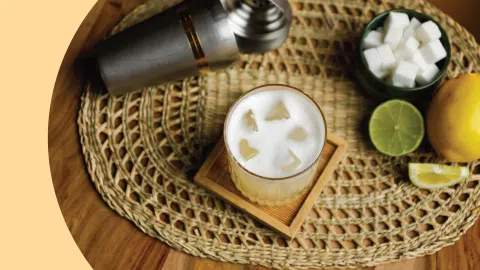
So, what’s the deal with aquafaba in cocktails? If you’ve been around the cocktail scene lately—or even if you’re just an at-home mixologist—you’ve probably heard about this mysterious ingredient that’s making waves. Spoiler alert: it’s the liquid from a can of chickpeas. Yep, that humble brine is taking the place of egg whites in cocktails and doing a pretty amazing job at it. At Drinksworld, we’re all about finding ways to improve our cocktails, and aquafaba is one of those game-changing ingredients that adds texture and froth without any hassle.
What is Aquafaba?
Aquafaba is the leftover liquid from cooked chickpeas. If you’ve ever opened a can of chickpeas, you’ve probably dumped that liquid down the drain without giving it a second thought. But now, it’s time to save that brine because aquafaba is a cocktail game-changer.
Originally, aquafaba was used as an egg substitute in baking, especially by vegans looking for plant-based alternatives (yes, you can make great meringues using aquafaba). But soon, savvy bartenders discovered its potential as a vegan-friendly replacement for egg whites in cocktails. Why? Because aquafaba has the magical ability to mimic the properties of egg whites—it can foam up, provide structure, and give your drink that luxurious texture without adding any flavor or scent.

Why Use Aquafaba in Cocktails?
At this point, you might be wondering: Why bother with aquafaba when you can just use egg whites? Well, let’s break it down because there are some pretty compelling reasons to choose aquafaba over eggs—whether you’re vegan or not.
Vegan Alternative
Aquafaba is the perfect choice for those on a plant-based diet or anyone looking for a more eco-friendly option. It delivers the same frothy texture as egg whites, making it ideal for inclusive cocktails without sacrificing quality.
Reducing Waste
When using fresh eggs to make cocktails, you’re more than likely to throw away the egg yolks, or at least you’ll have to think hard about how to reuse them. On the other hand, aquafaba is great when you’re looking to reduce your waste: you can simply open a can of chickpeas, and prepare what it is you want to prepare with them… And freeze the aquafaba for later! It’s also your perfect ally for cocktails night: fancy cocktails and hummus, what more could one ask for?
Neutral Flavor
Unlike egg whites, which can leave a subtle aftertaste and scent, aquafaba is virtually flavorless. This means your cocktails stay true to their intended flavors without any unwanted eggy notes.
Health Benefits
Aquafaba is cholesterol-free, fat-free, and low in calories, making it a healthier alternative. Plus, it’s plant-based, ticking the box for health-conscious cocktail lovers.
Consistency and Foam
Aquafaba creates thick, smooth foam, perfect for cocktails like whiskey sours or gin fizzes. While it’s slightly lighter than egg white foam, it still gives you that gorgeous, velvety top that looks amazing in any glass.
How to Use Aquafaba in Cocktails
So, you’re ready to start using aquafaba in your cocktails. Great! But how do you actually work with it? Don’t worry, it’s easier than you might think. Here’s everything you need to know to start shaking up aquafaba cocktails like a pro.
Sourcing Aquafaba
First things first: where do you get aquafaba? The simplest way is straight from a can of chickpeas. When you drain the chickpeas, save that liquid—that’s aquafaba! You’ll want to strain it to remove any chickpea bits or foam, and voila, you’re ready to go. If you’re more of a DIY type, you can also make your own aquafaba by cooking chickpeas from scratch and saving the cooking liquid. Just make sure to let it cool before using it in your cocktails.
Preparation
Once you’ve got your aquafaba, it’s ready to use right away. You can store it in an airtight container in the fridge for about a week, or freeze it in an ice cube tray for longer storage (perfect for when you want to have some on hand). When using it in cocktails, treat it exactly like you would egg whites—no special prep needed. A good rule of thumb is to use about 1 oz (or 30ml) of aquafaba for each drink that calls for egg whites.
Ratios
In terms of how much aquafaba to use, the standard measurement is about 1 oz per cocktail. This is roughly equivalent to the amount of liquid you’d get from one egg white. If your recipe calls for more or less egg white, you can adjust the amount of aquafaba accordingly.
Shaking Techniques: Dry Shake vs. Wet Shake
One of the secrets to getting that frothy, creamy texture with aquafaba is in the shake. Just like with egg whites, you’ll want to use the dry shake method to get the best foam. This means shaking all of your cocktail ingredients without ice first, which allows the aquafaba to aerate and foam up. After about 15-20 seconds of vigorous dry shaking, you’ll add ice and shake again (the wet shake) to chill the drink.

Straining
Once you’ve shaken the cocktail, strain it into your glass. You’ll be left with a beautifully frothy cocktail that’s smooth and silky, ready to impress.
Aquafaba is a fantastic ingredient for anyone looking to make cocktails with a creamy, frothy texture but without the use of egg whites. Whether you’re vegan, looking for a health-conscious alternative, or just love experimenting in the kitchen (or behind the bar), aquafaba is an easy and effective substitute that’s worth adding to your cocktail toolkit. Coming up, we’ll explore some of the most popular aquafaba-based cocktails you can make at home, from whiskey sours to gin fizzes.
Common Cocktails Made with Aquafaba
Now for the fun part: the cocktails! Aquafaba can sub into almost any classic cocktail that traditionally uses egg whites, giving you that same beautiful froth and texture without any animal products. Here are some classics that are absolute showstoppers when made with aquafaba:
Whiskey Sour

The Whiskey Sour is a classic for any cocktail enthusiast, but adding aquafaba elevates it to a whole new level. With whiskey, lemon juice, simple syrup, and aquafaba, this drink strikes the perfect balance between tartness and smoothness. The aquafaba creates a luxurious frothy layer on top, giving every sip a velvety, well-rounded finish.
Amaretto Sour

If you’ve got a sweet tooth, the Aquafaba Amaretto Sour is for you. Amaretto, lemon juice, simple syrup, and aquafaba come together for a cocktail that’s sweet, sour, and irresistibly smooth. The aquafaba adds a rich foam that balances out the sweetness perfectly.
Pisco Sour
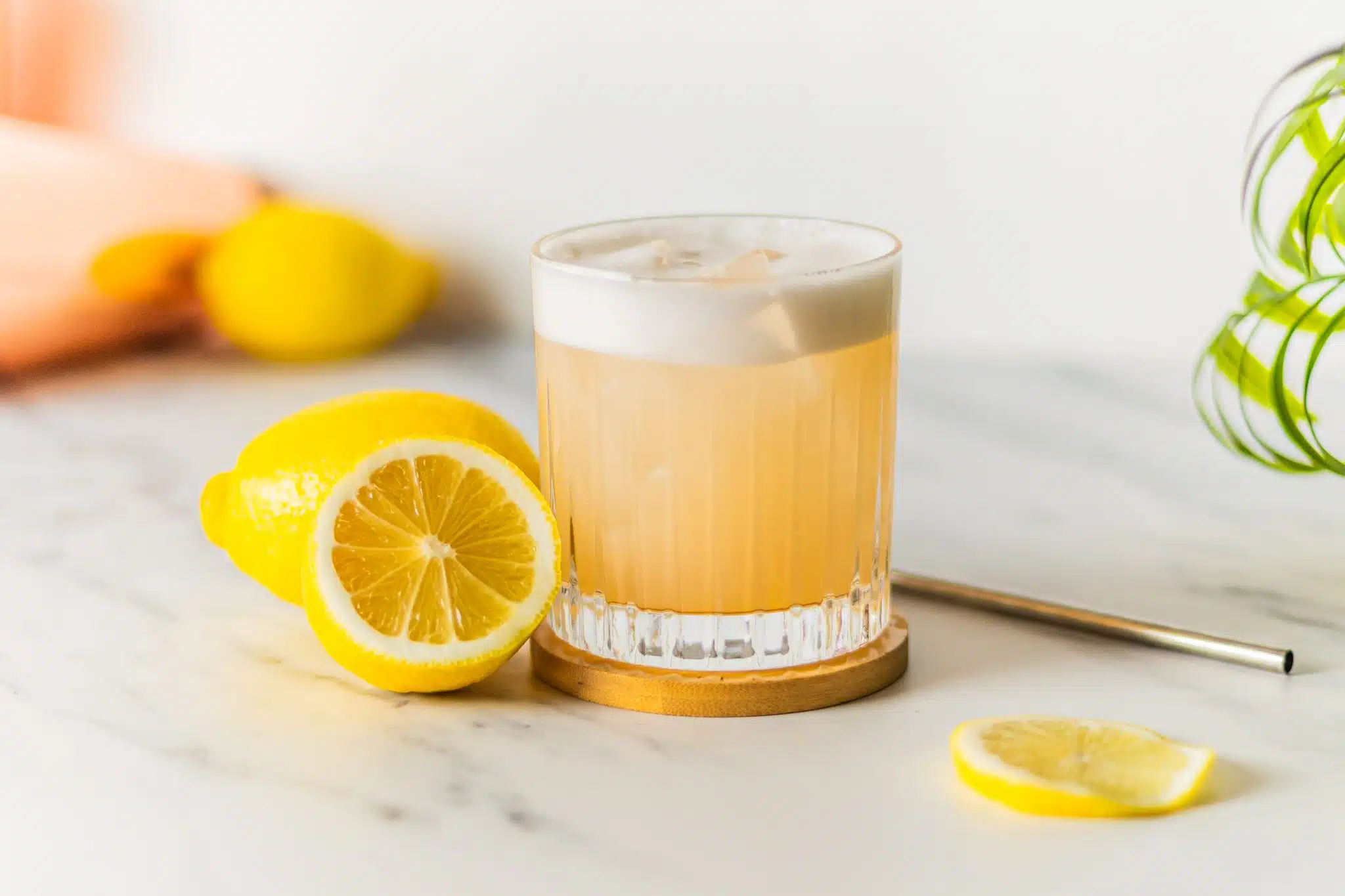
The South American classic! Pisco, lime juice, simple syrup, and aquafaba come together to create a smooth, citrusy cocktail with a fluffy foam. Normally, this drink relies on egg whites, but aquafaba works just as well to create that silky, cloud-like finish.
Gin Fizz

A gin fizz is all about lightness and refreshment, and aquafaba delivers. With gin, lemon juice, simple syrup, and aquafaba, this drink is bright, zesty, and perfectly frothy. The egg whites are usually responsible for that frothy top, but aquafaba does the trick beautifully here.
Ramos Gin Fizz

This one’s a bit more advanced, but if you’re up for the challenge, aquafaba shines in a Ramos Gin Fizz. This classic cocktail includes gin, lime juice, lemon juice, simple syrup, heavy cream, and soda water—plus a whole lot of shaking. Aquafaba gives you that frothy foam without needing egg whites, and trust us, it’s worth the arm workout.
Clover Club

A beautiful gin and raspberry cocktail that looks even better with aquafaba’s frothy finish. Gin, lemon juice, raspberry syrup, and aquafaba come together to make a light, fruity cocktail with a silky top. It’s a vintage classic with a vegan twist!
Advantages of Aquafaba Over Egg Whites
So why should you reach for aquafaba instead of cracking an egg when making cocktails? Turns out, there are quite a few perks to going the chickpea route! Whether you’re vegan or just a cocktail enthusiast looking to experiment, aquafaba brings some serious benefits.
No Risk of Contamination
Let’s face it—using raw egg whites can be a little risky. There’s always that nagging concern about salmonella, especially if you’re serving drinks to a crowd. Aquafaba completely sidesteps this issue. No eggs, no raw risks—just a clean, safe alternative that still gives you that luxurious foam. Whether it’s a summer patio party or a cozy winter gathering, you can shake up aquafaba cocktails without worrying about food safety.
No Unwanted Flavor
Egg whites have a reputation for leaving a subtle eggy taste, especially in more delicate cocktails. It’s not overwhelming, but it’s there if you’re paying attention. Aquafaba, on the other hand, is virtually flavorless. It lets your main ingredients—whether it’s whiskey, gin, or tequila—shine without any unexpected aftertaste. You get all the froth without the funk. It’s a win-win.
Extended Shelf Life
Raw egg whites don’t exactly have a long shelf life, and once they’re opened, you’ve got to use them pretty quickly. Aquafaba, though? Much more forgiving. You can store it in the fridge for about a week, or even freeze it for months. This makes it a great go-to for those spontaneous cocktail nights when you want that frothy finish but don’t feel like cracking open an egg. Plus, you can prepare a batch in advance and always have some on hand.
Aquafaba Storage and Shelf Life
Let’s talk logistics. Aquafaba may be easy to use, but like any ingredient, proper storage is key to keeping it fresh and ready for your next cocktail creation.
Storing in the Fridge
If you’re pulling aquafaba straight from a can of chickpeas, strain it (use a fine mesh strainer) into a clean container and pop it in the fridge. Stored in an airtight jar or bottle, aquafaba will stay fresh for up to a week. We recommend labeling it with the date you opened it—because let’s be real, we’ve all forgotten about that mystery container in the back of the fridge.
Freezing for Later
Want to have aquafaba at the ready for future cocktail nights? Freeze it! Aquafaba freezes beautifully, and the best part is, you can freeze it in portion-sized cubes using an ice tray. Just pour the liquid into an ice cube tray, freeze, then pop the cubes into a freezer-safe bag or container. Whenever you need some, thaw a cube or two, and you’re good to go! Frozen aquafaba lasts for about three months.
How to Tell if It’s Gone Bad
Aquafaba should be relatively neutral in scent and appearance. If it starts to smell funky or look cloudy and slimy, it’s time to toss it. Fresh aquafaba should be slightly thick but not overly viscous. Trust your senses—if something seems off, better to ditch it and make a fresh batch.
Potential Drawbacks of Using Aquafaba
Alright, we love aquafaba, but we’re not going to pretend it’s completely perfect. Like anything in life, there are a few things to keep in mind when using it in your cocktails. Nothing major—just a few quirks that are worth noting.
Texture Differences
While aquafaba does a stellar job at mimicking egg whites, it’s not a 100% identical substitute. Egg whites tend to create a slightly more stable, denser foam, while aquafaba’s froth can be a bit lighter and may not hold up as long. Aquafaba may also require a bit more shaking in order to achieve the right consistency. That’s not to say aquafaba foam will collapse immediately—it’s just a little more delicate. But hey, that’s part of its charm! Just make sure to serve your cocktails quickly to preserve that frothy goodness.

Availability
Aquafaba isn’t hard to come by—hello, canned chickpeas—but it’s not as universally available as egg whites, especially in certain settings. If you’re working behind a bar or hosting a party, you might need to plan ahead to make sure you’ve got enough on hand. Not everyone is used to using chickpea liquid in their cocktails (yet!), so it’s worth thinking about your audience and availability before making it your go-to.
Consistency in Froth
Getting the perfect froth with aquafaba can take a little practice. Depending on the concentration of the aquafaba you’re using (some cans of chickpeas are thicker than others), the foam may vary slightly from batch to batch. If you’re making cocktails for a crowd, you might need to adjust your shaking technique or the amount of aquafaba you use to ensure consistency.
Aquafaba may have a couple of quirks, but the benefits far outweigh the small challenges. Plus, the more you use it, the better you’ll get at finding that sweet spot for foam and texture.
Whether you’re a seasoned mixologist or simply someone eager to experiment, aquafaba unlocks a whole new world of cocktail possibilities. Next time you crack open a can of chickpeas, don’t toss that liquid—use it to shake up something amazing. Cheers to creativity in the kitchen (and behind the bar)!