Shaking is key to making a great cocktail—it’s what gives drinks like a Whiskey Sour its froth or a Ramos Gin Fizz its silky foam. But when using egg whites or aquafaba, the technique matters even more. This is where the dry shake and reverse dry shake come in.
The difference between the two is that the dry shake involves shaking ingredients without ice first, followed by a second shake with ice, while the reverse dry shake does the opposite, starting with ice and then shaking without it to enhance the foam.
This article explains the dry shake and reverse dry shake techniques —what they are, why they’re different, and when to use each.
What is a Dry Shake?
A dry shake is shaking a cocktail without ice, usually to create foam by emulsifying ingredients like egg whites or aquafaba. It helps add a frothy texture to drinks.
Without ice in the shaker, you’re giving the egg whites (or aquafaba) the chance to fully incorporate into the liquid, which helps create a rich, foamy texture. Once that’s done, you throw in some ice, shake it again, and voila—you’ve got a well-chilled, perfectly frothy cocktail.
How to Dry Shake a Cocktail:
- Add all of your ingredients, including the egg whites or aquafaba, into your shaker without ice.
- Shake it vigorously for about 10-15 seconds. You’ll start to feel the air building up inside the shaker as the egg whites emulsify.
- After the dry shake, open up the shaker, toss in some ice, and shake again for another 10-15 seconds to chill and dilute the drink.
- Strain and serve. You’ll be left with a nice foam on top of your cocktail.




Why use the dry shake? It’s quick, easy, and does the job when you want that foamy texture without too much fuss. It’s perfect for most classic egg white cocktails.
What is a Reverse Dry Shake?
It’s just like it sounds: you reverse the steps of a regular dry shake.
A reverse dry shake is when you first shake a cocktail with ice to chill it, then strain out the ice and shake it again without ice. This final shake creates a smoother, thicker foam on top.
How to Reverse Dry Shake a Cocktail:
- Add all of your ingredients to the shaker with ice.
- Shake it hard for about 10-15 seconds to mix and chill the drink.
- Strain the mixture into the shaker, discarding the ice.
- Shake the cocktail again without ice for another 10-15 seconds. This second shake creates the ultimate frothy texture.
- Strain and serve. You’ll notice a thicker, more stable foam that really holds up.

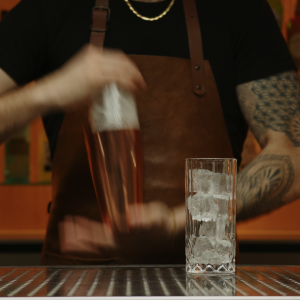


Why use the reverse dry shake? If you’re making a cocktail where foam matters—both in appearance and texture—this is the technique to master. It’s great for impressing guests with a beautifully frothy drink that lasts.
Want to perfect these techniques? Sign up for our online bartending class, where pro bartenders teach you everything, from basic to advanced techniques!
The Differences
At first glance, these two techniques might seem pretty similar, but they serve slightly different purposes. Let’s break down the key differences:
- Process:
- Dry Shake: You shake without ice first, then with ice.
- Reverse Dry Shake: You shake with ice first, then without ice.
- Texture:
- Dry Shake: Creates a decent amount of foam, but it’s lighter and sometimes less voluminous.
- Reverse Dry Shake: Produces a thicker, creamier, more luxurious foam that lasts longer.
- Foam Stability:
- Dry Shake: The foam is good, but it might collapse faster.
- Reverse Dry Shake: The foam is stronger, creamier, and stays around longer—great for cocktails where presentation matters.
In short, the reverse dry shake is ideal when you want to step up the presentation and create a foam that really lasts.

Advantages and Disadvantages of Each Method
Both shaking methods have their pros and cons. Let’s take a look at when you’d want to use each one:
Dry Shake:
- Advantages:
- It’s quick, simple, and effective.
- Great for everyday cocktails where time and efficiency matter.
- Disadvantages:
- The foam might not be as thick or stable, especially in cocktails where the presentation is key.
Reverse Dry Shake:
- Advantages:
- Produces a thicker, more stable foam that looks beautiful and holds up longer.
- Disadvantages:
- Takes a bit more time and effort.
If you’re looking to impress or want to ensure your foam stays strong throughout the drinking experience, the reverse dry shake is your go-to technique.
When to Use Dry Shake vs Reverse Dry Shake
Here’s a quick guide on when to use each method:
When to Use the Dry Shake:
- Use the dry shake when time is a factor, or if you’re making a cocktail where the foam doesn’t need to be super thick.
- Perfect for cocktails like the Pisco Sour, Whiskey Sour, or Gin Fizz where a nice foam is desired, but you don’t need it to be super creamy.
When to Use the Reverse Dry Shake:
- The reverse dry shake is your secret weapon when presentation matters. If you’re making drinks for a dinner party or want that perfect Instagram-worthy cocktail, go for the reverse dry shake.
- Ideal for drinks like the Ramos Gin Fizz, where the thick foam is a major part of the drink’s aesthetic, or a Whiskey Sour if you’re aiming for an extra fluffy top and you serve it straight up.
Techniques to Enhance Both Shaking Methods
Want to take your shaking skills up a notch? Here are a few tricks that work well with both the dry shake and reverse dry shake:
- Add a Spring from the Hawthorne Strainer
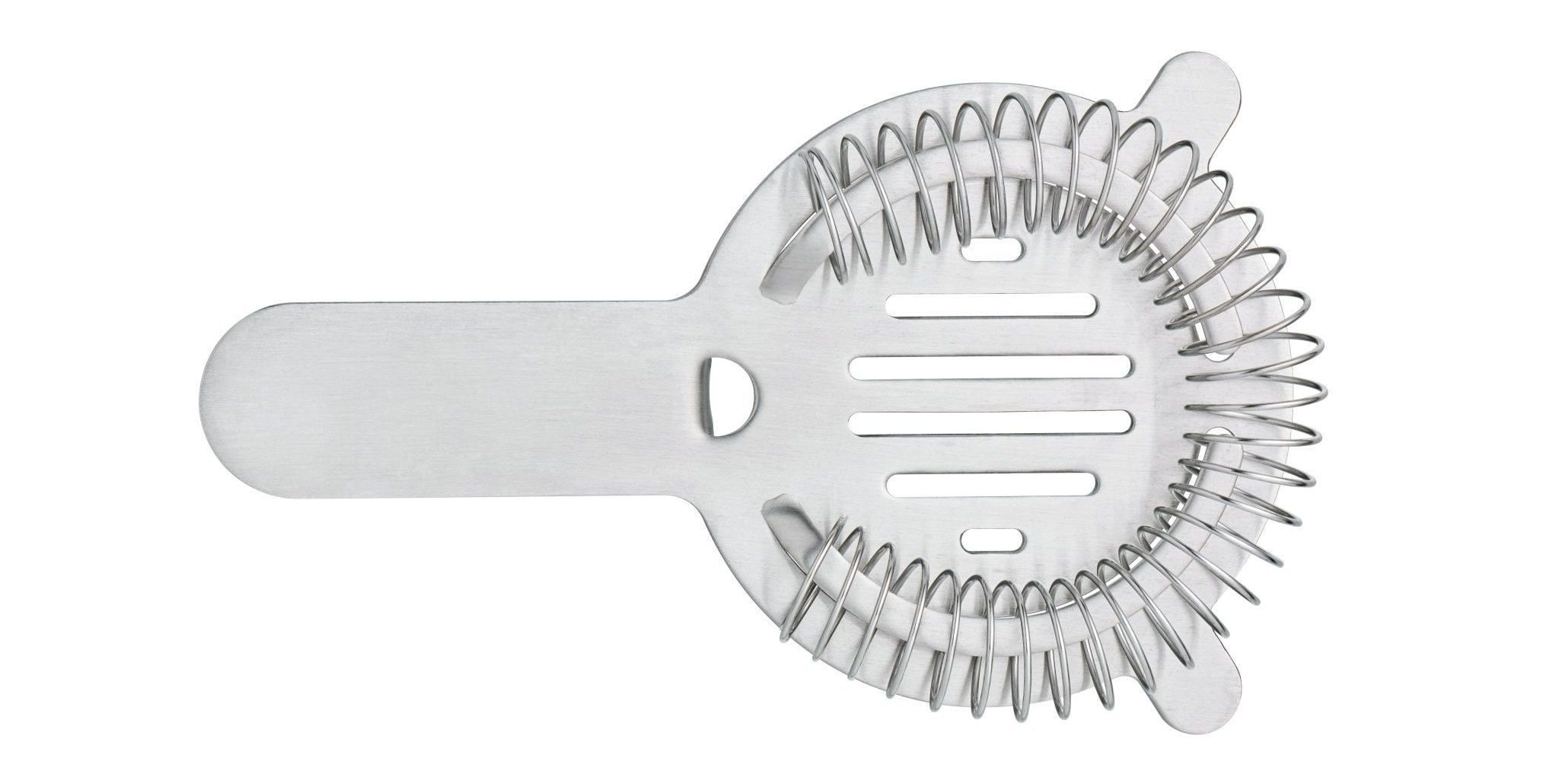
This little bartender’s trick helps increase frothiness. Drop the coiled spring from your Hawthorne strainer into the shaker, and it acts like a whisk, beating more air into the egg whites or aquafaba.
- Shake Longer
While 10-15 seconds is the standard shaking time, don’t be afraid to shake a bit longer if you want more foam. Just don’t overdo it once the ice is in there, or you might dilute the drink too much.
- Double Strain

Especially useful for the reverse dry shake, double straining helps remove any tiny ice chips that might still be floating around after your first shake. It ensures a smooth, clean cocktail.
Popular Cocktails That Benefit from Dry or Reverse Dry Shaking
Here are a few classic cocktails where these shaking techniques really shine:
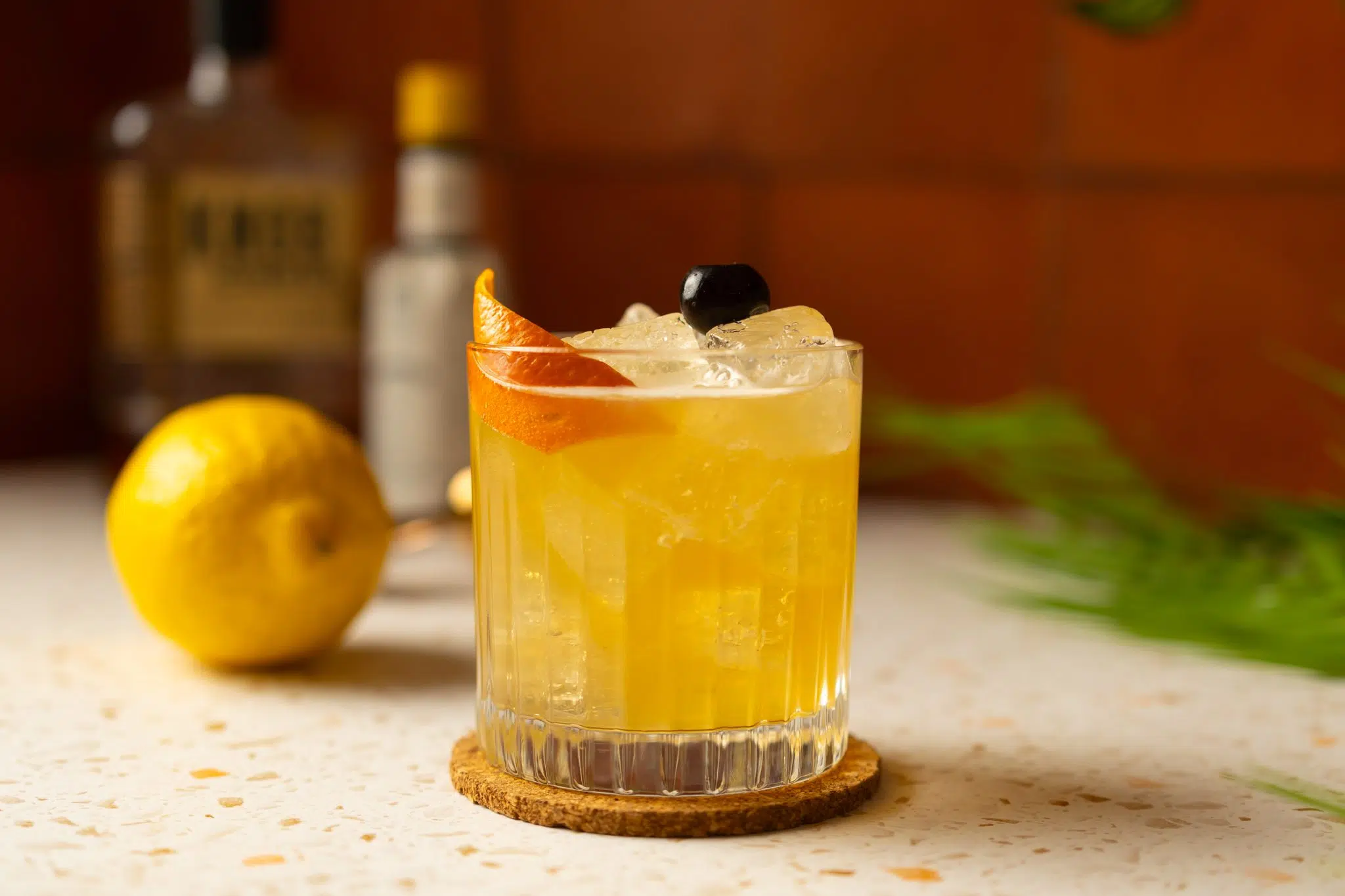
The classic Whiskey Sour is a great place to start with either the dry shake or reverse dry shake. If you want a quick foam, go for the dry shake. If you want that luxurious, long-lasting foam, try the reverse dry shake.

This drink is all about the foam, and the reverse dry shake can take it to the next level. The extra froth adds to the creamy texture, making the Ramos Gin Fizz a standout cocktail.
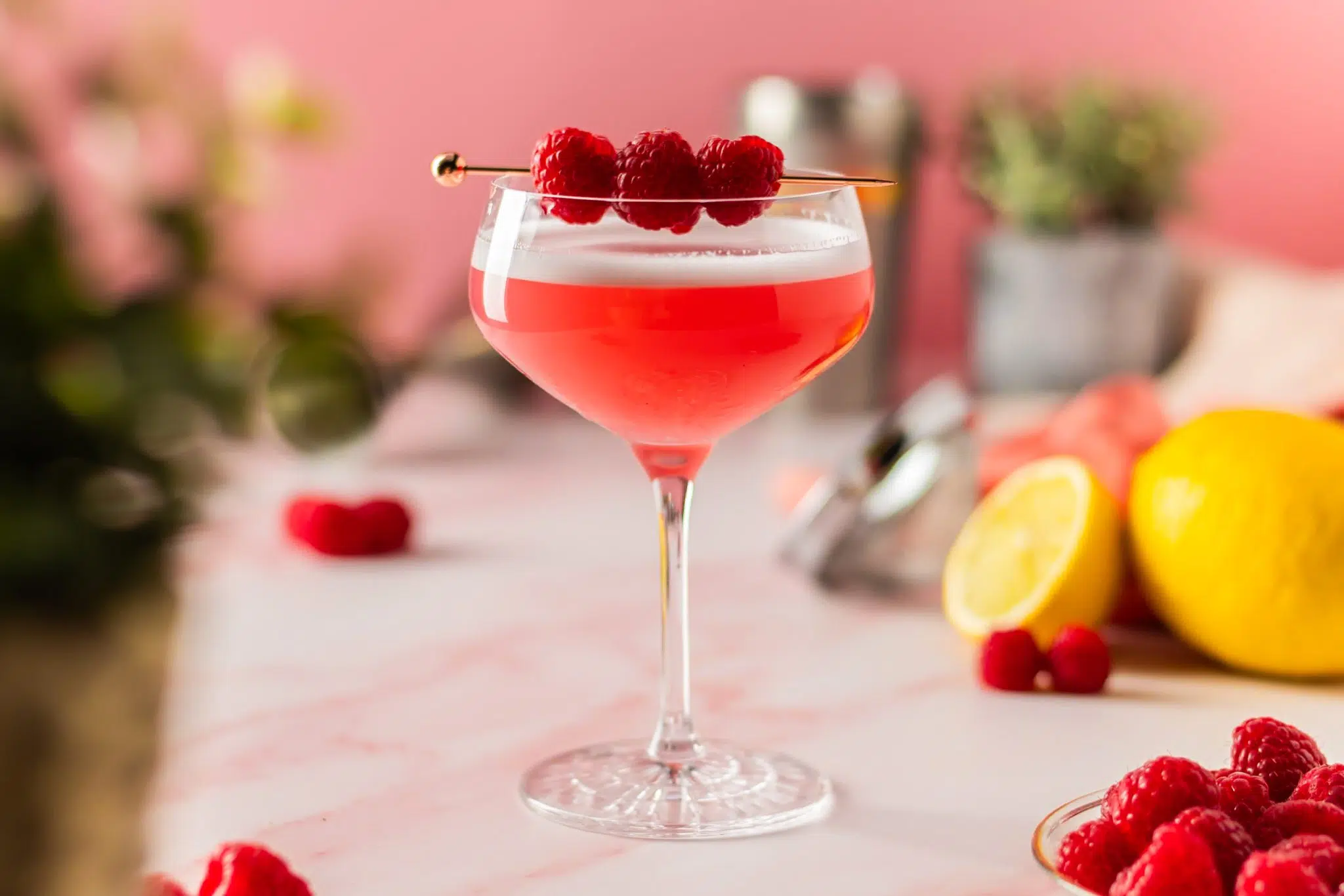
A gin-based cocktail with egg white, the Clover Club is a great drink to experiment with the reverse dry shake as this cocktail is served typically in a coupe glass for a beautifully foamy top.
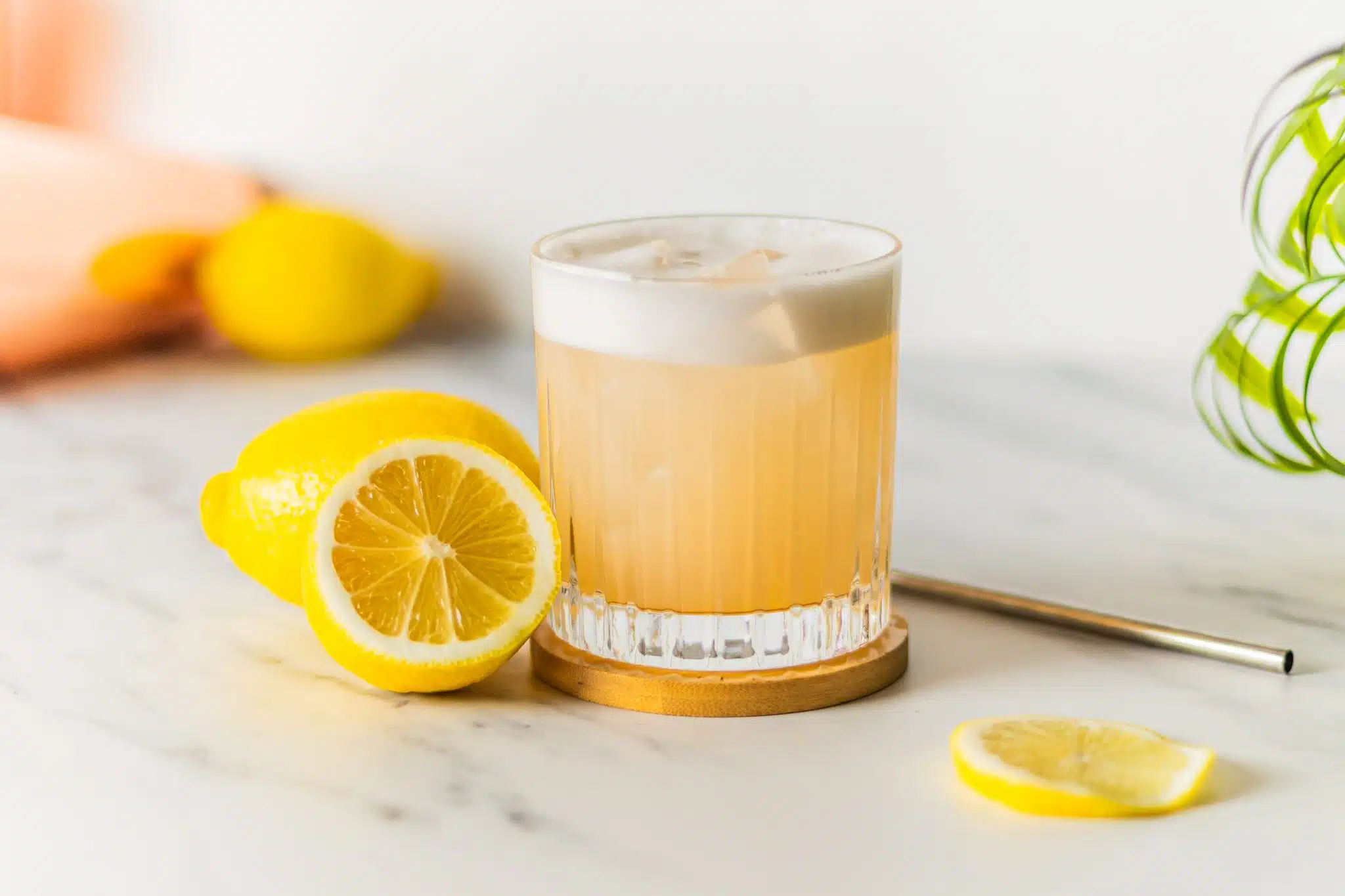
A dry shake works well here to achieve that smooth foam that makes the Pisco Sour so irresistible, but if you want to elevate it, give the reverse dry shake a try for an extra fluffy finish.
Egg Whites vs Aquafaba: What’s the Deal?
A quick note on your foaming agents. Whether you’re using traditional egg whites or the vegan alternative, aquafaba (chickpea brine), both work well for these techniques.
Egg Whites:
- Amount: Usually, 1 egg white per cocktail is enough.
- Safety: If you’re worried about raw eggs, use pasteurized egg whites or egg white powder.

Aquafaba:
- Amount: Use about 2-3 tablespoons of aquafaba per cocktail.
- Vegan Alternative: Aquafaba mimics the texture of egg whites and is a great option for frothy cocktails without the egg.