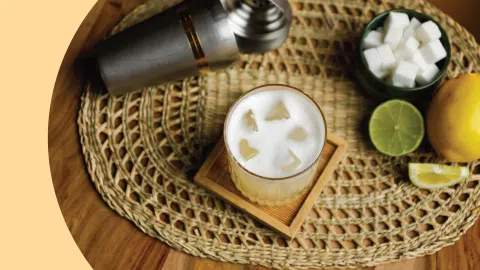
If you’ve ever been to a great cocktail bar or even watched a bartender work their magic, you’ve probably noticed one of the final steps they take before presenting you with your drink: straining. Whether it’s to keep unwanted ice shards out or to eliminate bits of fruit and herbs, straining is a critical part of crafting a cocktail that not only tastes good but looks polished and professional. And for those times when just one strain isn’t enough, that’s where double straining comes in. It’s that extra step that elevates a cocktail from “good” to “perfect.”
In this article, we’ll break down everything you need to know about straining and double-straining cocktails—why it’s important, how to do it properly, and when you should use each method.
Why Strain a Cocktail?
Straining might seem like a small detail, but in the world of cocktails, the little things make the biggest difference. So, why strain at all? When you shake or stir a cocktail, it’s common to have leftover bits of ice, fruit pulp, herbs, or other solids. Straining removes those unwanted elements, leaving you with a clean, smooth drink.
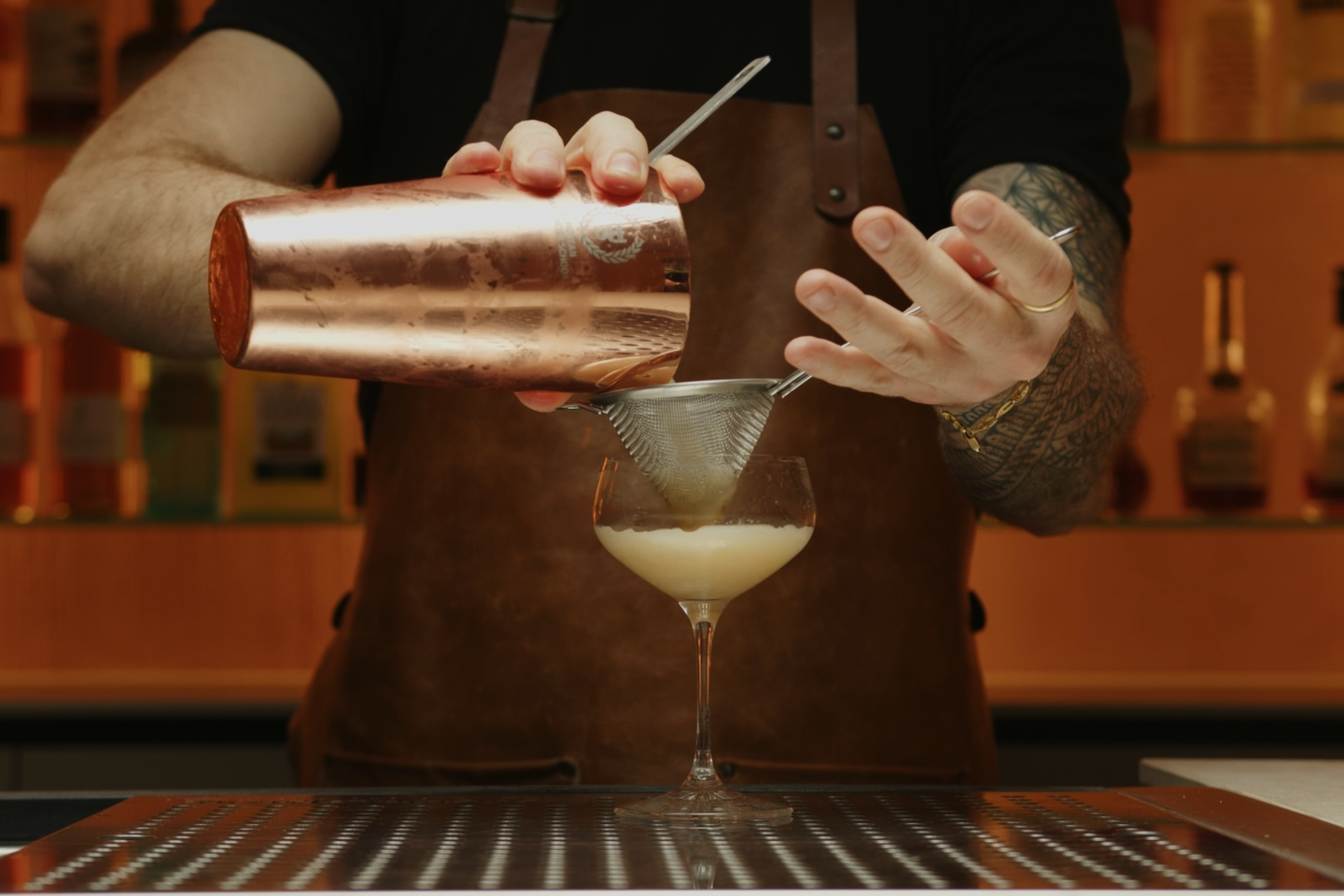
Here’s why straining is so crucial:
- Texture: No one likes sipping a perfectly crafted cocktail only to end up with bits of mint or ice shards in their mouth. Straining ensures a silky texture that’s easy to drink.
- Clarity: Many cocktails, especially stirred ones like martinis or Manhattans, benefit from a crystal-clear appearance. Straining removes any bits that might cloud the drink, making it visually appealing.
- Flavor Balance: Leftover bits of fruit, ice, or herbs can continue to infuse the cocktail after it’s been poured, altering the intended flavor balance. Straining helps maintain the balance the bartender worked hard to create.
Types of Cocktail Strainers
Not all strainers are created equal. Different strainers serve different purposes, and choosing the right one for the job is key to a well-made cocktail. Let’s take a closer look at the three main types of strainers you’ll encounter behind the bar.
Hawthorne Strainer
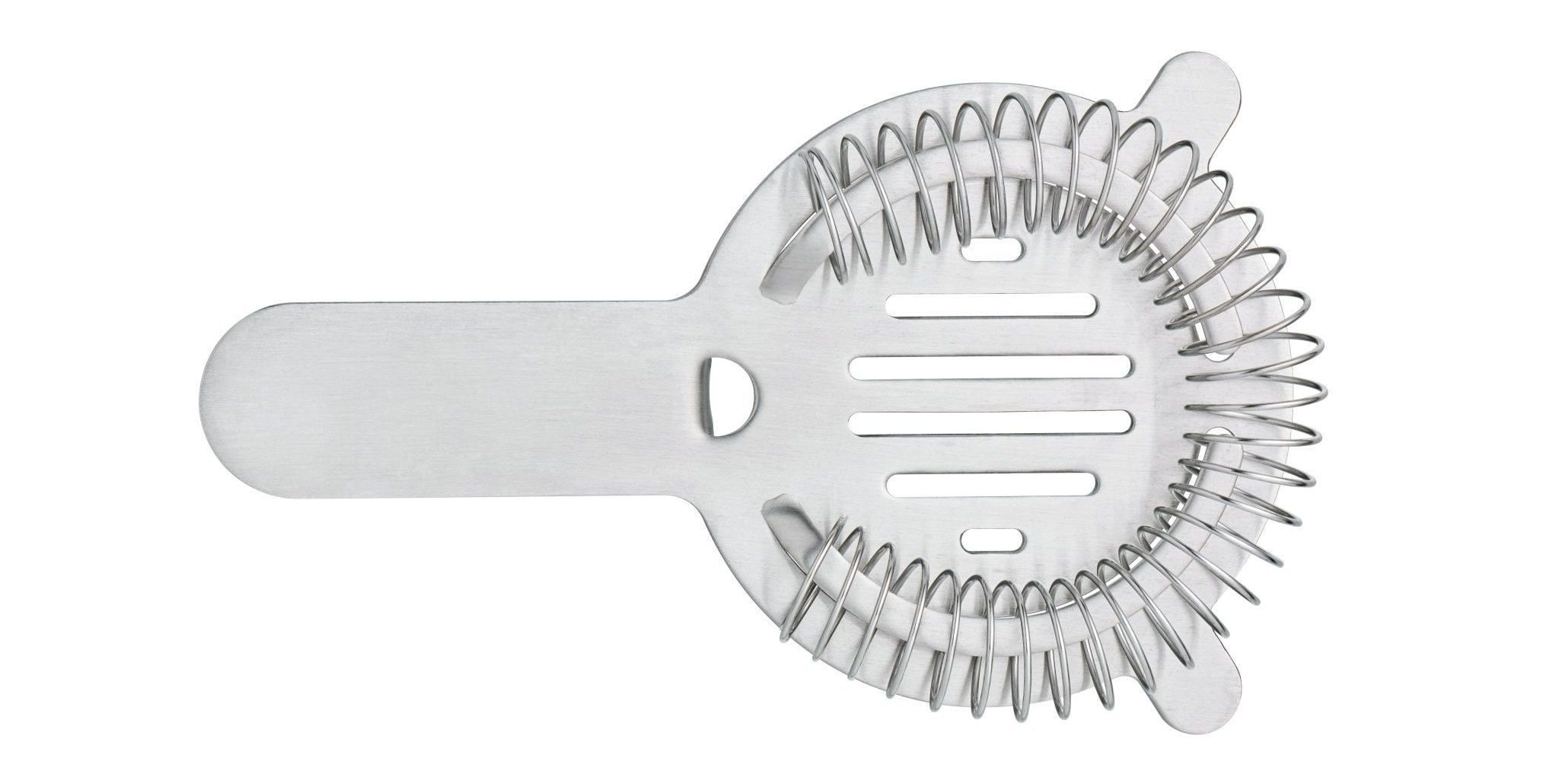
The Hawthorne strainer is the go-to tool for many bartenders. It’s easily recognizable by its flat, disc-like shape and the coiled spring that lines the edge. The spring acts as a filter, catching ice and larger chunks of fruit or herbs while allowing liquid to pass through.
- Best for: Use with a Boston shaker, especially when you’re straining shaken drinks like daiquiris or margaritas.
- Why we love it: The flexible spring allows you to adjust the strainer to fit snugly into different-sized shakers or glasses, making it versatile and easy to use.
Julep Strainer

The Julep strainer looks a bit like a large, perforated spoon, and it’s traditionally used with mixing glasses for stirred drinks. While it doesn’t have the spring that the Hawthorne does, it’s perfect for gently filtering out ice when pouring a cocktail directly from a mixing glass.
- Best for: Stirred cocktails like martinis, Negronis, or Old Fashioneds.
- Why we love it: The Julep strainer is simple and effective, ideal when you need to strain without over-filtering.
Fine Mesh Strainer

This is the ultimate tool for when you need to step up your straining game. The fine mesh strainer catches even the tiniest particles—ice shards, bits of mint, pulp, you name it. It’s often used in combination with either the Hawthorne or Julep strainer for a double strain.
- Best for: Fine-tuning cocktails that involve muddled ingredients or freshly squeezed juices.
- Why we love it: It ensures that your cocktail is as smooth as possible, without sacrificing the flavor or clarity you’ve worked to achieve.
How to Strain a Cocktail
Straining a cocktail might seem like a simple task, but like everything in bartending, there’s a right way to do it. Here’s a step-by-step guide to get the cleanest strain every time:
Shaken Drinks (Using a Hawthorne Strainer)
When you shake a cocktail, you’re mixing it with ice to chill it quickly. This also means you’ll have a lot of ice shards floating around, which need to be strained out.
- Step 1: After shaking, place the Hawthorne strainer over the opening of your shaker, with the coiled spring resting inside the shaker.
- Step 2: Hold the shaker firmly and tilt it toward your glass while gently pressing the strainer to keep it secure.
- Step 3: Pour the liquid through the strainer into your glass, ensuring that the ice stays inside the shaker.

Stirred Drinks (Using a Julep Strainer)
Stirred drinks don’t involve as much agitation, so there are fewer solids to strain out. Still, you’ll want to strain to remove any ice and keep your cocktail smooth.
- Step 1: After stirring your cocktail, place the Julep strainer over the mixing glass, with the curved side facing down.
- Step 2: Hold the strainer in place with one hand while you pour the drink into your glass with the other (with a bit of practice you will be able to do it by using only one hand).
- Step 3: Make sure the ice stays in the mixing glass and only the liquid flows through.

Double Straining: What, When, and Why
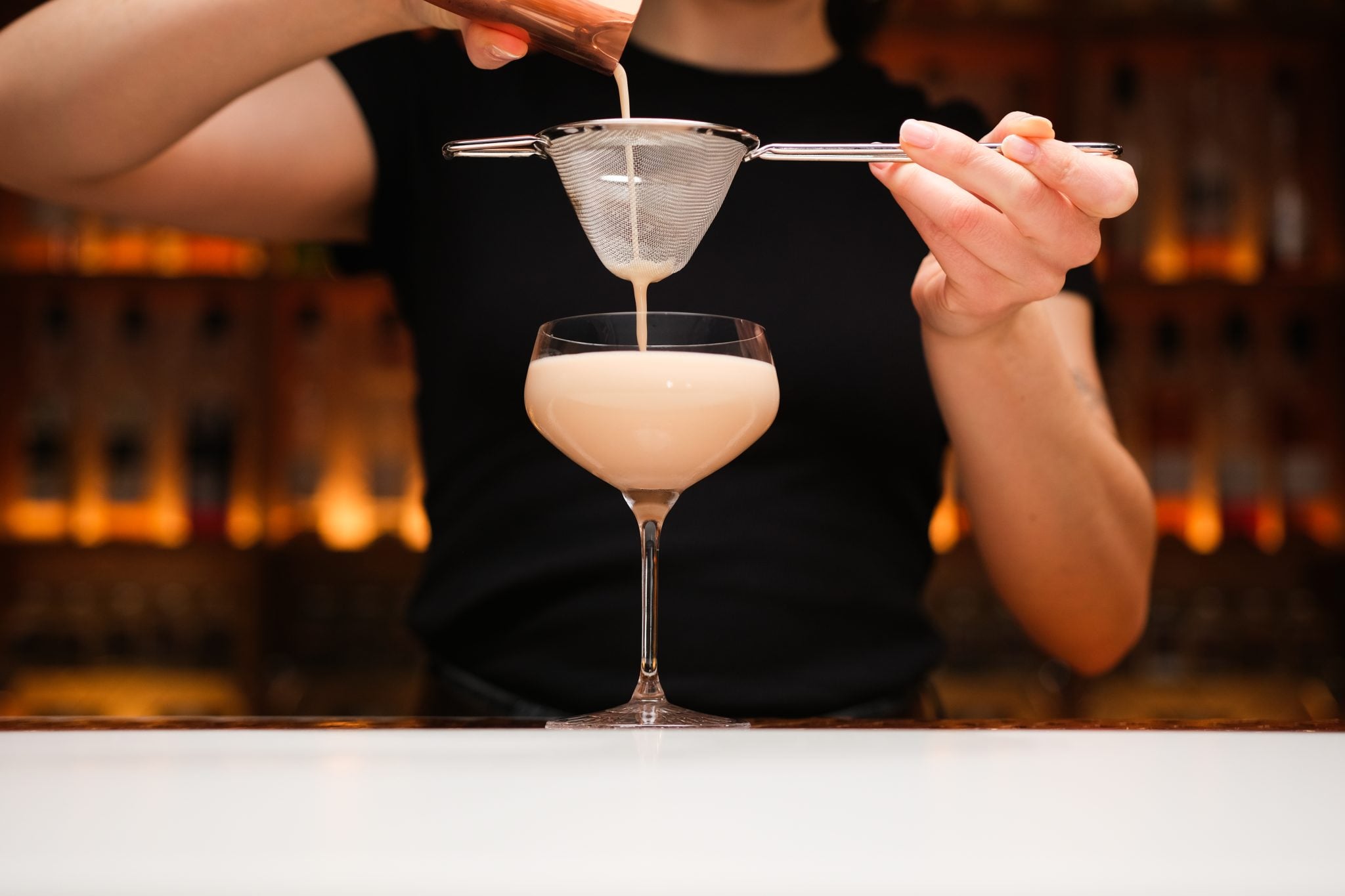
Sometimes, a single strain just won’t cut it. Enter double straining. This technique uses two strainers—usually a Hawthorne or Julep combined with a fine mesh strainer—to ensure that your cocktail is completely free of any tiny particles that might have snuck through the first strain.
What is Double Straining?
Double straining is the process of using a fine mesh strainer in addition to your primary strainer. It’s especially useful for drinks that contain muddled ingredients or freshly squeezed juices, as these tend to leave behind small particles that can affect the texture and appearance of the drink.

When to Double Strain?
You’ll want to double strain anytime you’re working with ingredients that can leave behind solids, such as:
- Muddled fruit (think mojitos or caipirinhas)
- Fresh herbs (like mint or basil)
- Juices with pulp (like lemon or lime juice in a daiquiri)
Why Double Strain?
The main benefit of double straining is achieving a super smooth texture. By filtering out even the smallest bits of fruit or ice, you ensure a refined, elegant cocktail that’s a pleasure to sip. Double straining also improves the visual clarity of your drink, making it look as polished as it tastes.
Techniques for Double Straining
Now that we know when and why to double strain, let’s walk through the steps to do it properly.
- Step 1: After shaking or stirring your cocktail, place your primary strainer (Hawthorne or Julep) over the shaker or mixing glass.
- Step 2: Hold the fine mesh strainer over the serving glass with your other hand.
- Step 3: Pour the cocktail through both strainers, ensuring that the fine mesh catches any small particles that made it through the first strain.
Pro Tip: If you find the liquid draining slowly through the fine mesh, gently tap the strainer with the shaker to help it along.
Popular Cocktails That Use Straining and Double Straining
Some cocktails absolutely require straining to deliver their best version. Here’s a quick list of popular cocktails that benefit from single and double-straining:
Strained Cocktails:
- Martini: Classic example where straining removes ice and gives the cocktail that crisp, clean look.
- Old Fashioned: You want to serve this type of drink strained over fresh ice.
- Negroni: A stirred drink where clarity and smoothness are essential.
Double-Strained Cocktails:
- Daiquiri: Fresh lime juice can leave behind pulp, so double straining helps smooth it out.
- Margaritas: Unless you decide to serve this famous drink on the rocks you want to avoid any ice shards or bits.
Choosing the Right Strainer for the Job
When selecting a strainer, consider the type of drinks you typically make. If you’re mostly working with shaken cocktails, a Hawthorne strainer is your best bet. For stirred cocktails, a Julep strainer is essential. And for those looking to get extra smooth results, a fine mesh strainer is a must-have.
- Beginners: A standard Hawthorne strainer is perfect for most home bartenders.
- For the Craft Enthusiast: If you’re serious about your cocktails, invest in a fine mesh strainer and practice double straining.
- For the Minimalist: A good Julep strainer will handle most stirred cocktails with ease.

Cleaning and Maintaining Your Strainers
Like any tool, strainers need proper care to last. Always rinse your strainers immediately after use to prevent residue from sticking. For a deeper clean, wash with warm, soapy water, especially if you’ve been working with sticky ingredients like fruit or syrups.
If your strainer is made of copper or brass, it’s important to hand wash it to avoid tarnishing. Stainless steel strainers, on the other hand, can typically be cleaned in the dishwasher, but be sure to dry them immediately to prevent water spots. Regular maintenance not only ensures your strainers stay in great condition but also keeps your cocktails free from any unwanted tastes or residue.
For fine mesh strainers, you’ll want to pay extra attention to the mesh itself, as small particles can get trapped and clog the holes. Gently scrub the mesh with a brush or sponge to ensure it stays clean and efficient.
Conclusion: Why Straining and Double Straining Matter
Straining and double-straining may seem like small steps, but they make a big difference in the final product of your cocktail. These techniques ensure that each drink is smooth, balanced, and visually appealing, allowing the flavors to shine without distractions from ice shards, pulp, or herbs.
As we continue to hone our cocktail-making skills, mastering the art of straining—and knowing when to take it a step further with double straining—will help us create drinks that are not only delicious but also look and feel like they came from a professional bar. So the next time you’re behind the bar, don’t forget to grab that strainer and give your cocktails the finish they deserve. Cheers!