At Drinksworld, we believe that crafting the perfect cocktail is both an art and a science. And one technique that often flies under the radar but is absolutely essential in unlocking a drink’s full potential? Muddling. Whether you’re making a mojito, an Old Fashioned, or experimenting with your own concoctions, learning how to muddle ingredients properly can be the difference between a good cocktail and a great one.
But here’s the thing—muddling isn’t just about smashing stuff around in a glass. Oh no. There’s a finesse to it, a subtle balance of pressure and care that can bring out the best in your ingredients. Don’t worry, though. We’ll walk you through it step by step, so by the end of this article, you’ll be muddling like a pro.
What is Muddling, and Why Do We Do It?
So, what exactly is muddling? Muddling is the technique of gently pressing ingredients like herbs, fruits, and spices to release their flavors. It’s a critical step in cocktails that use fresh ingredients because it helps extract essential oils, juices, and aromas that enhance the overall flavor of the drink.
Imagine sipping a Caipirinha that does not have properly muddled lime —flat, right? Without muddling, all those vibrant oils and juices stay locked inside the ingredients, never making it into your drink. And we can’t have that! At drinksworld.com, we’re all about bringing out the maximum flavor in every cocktail we mix.
The Tools You Need: Let’s Talk Muddlers
Before we get into the actual muddling process, let’s talk tools. Because like any great bartender, you need the right equipment for the job.
The star of the show? The muddler. This humble tool comes in a few different varieties, and knowing which one to use can make a world of difference.
Types of Muddlers
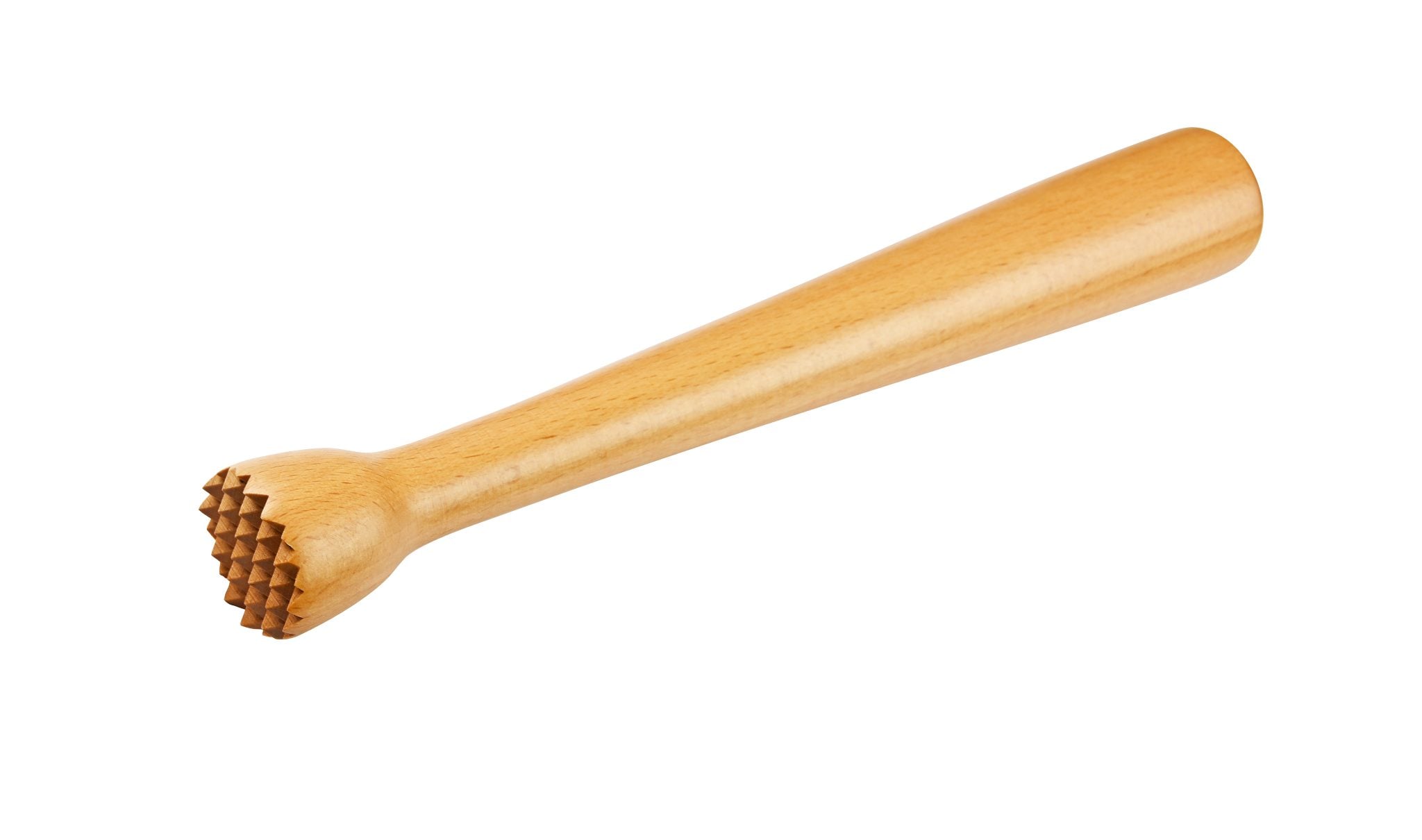
- Wooden Muddlers: The traditional choice. They’re sturdy and often have a natural, rustic feel. But they can absorb flavors and smells over time, so keep them clean!
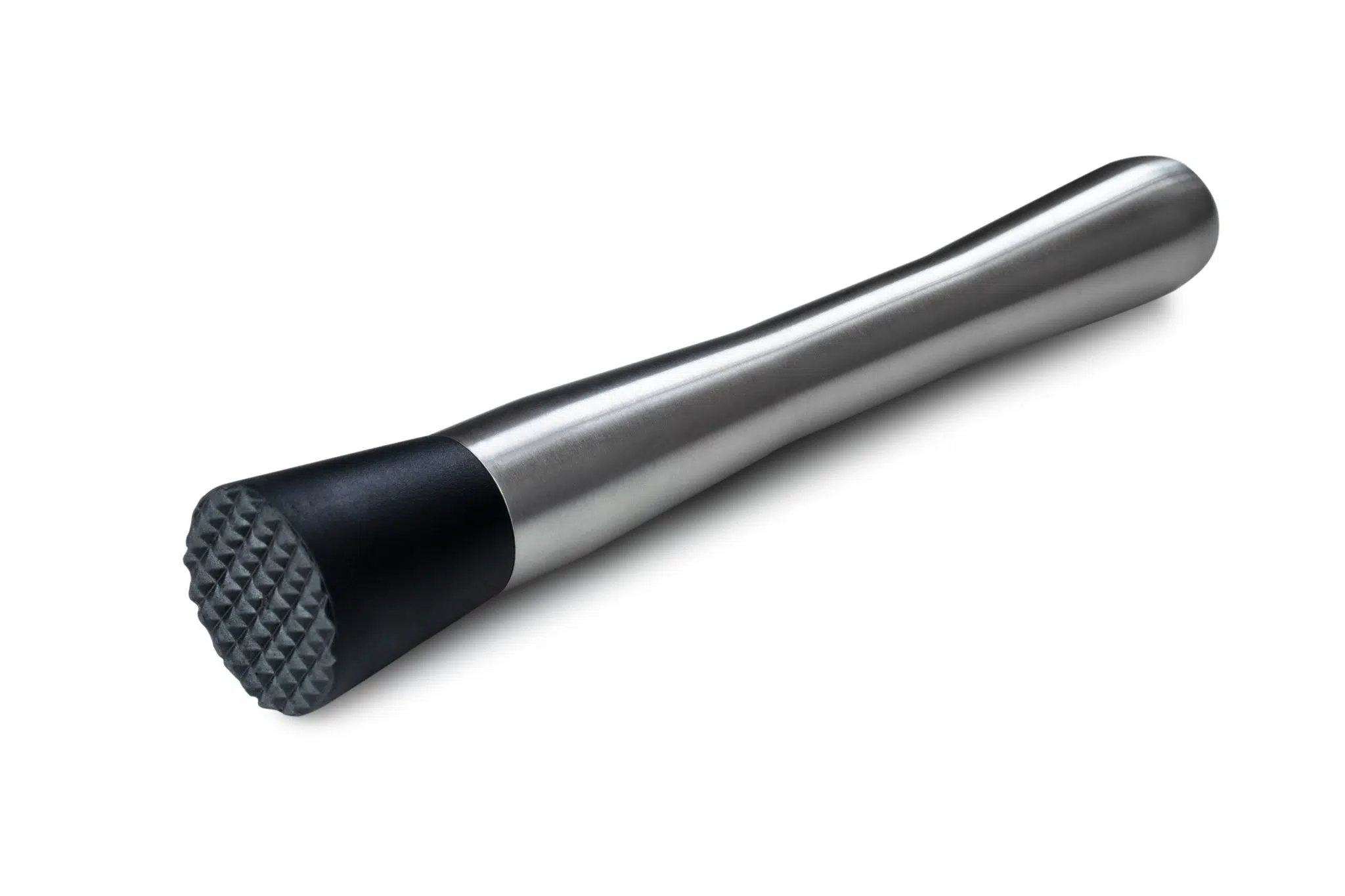
- Stainless Steel Muddlers: Sleek, modern, and easy to clean. These are a bartender’s best friend because they don’t absorb any odors and can handle tough ingredients like spices. They are also dishwasher safe, which comes in handy if you want to deep-clean them after muddling strong ingredients such as ginger or cloves.
- Plastic Muddlers: Lightweight and affordable, dishwasher safe too, but they can sometimes lack the weight needed for effective muddling.

Design Features
- Flat vs. Toothed Ends: Some muddlers have a flat bottom, which is perfect for gently pressing delicate herbs. Others have a toothed or textured end, ideal for tougher ingredients like citrus and spices.

No matter what type you choose, make sure your muddler is long enough to reach the bottom of your shaker and stirring glass without making things awkward. A muddler that’s too short is just going to make you feel like you’re doing a lot of unnecessary work.
Step-by-Step: How to Muddle Ingredients Like a Pro
Alright, tools in hand—let’s muddle! Here’s how you can bring out the best in your cocktail ingredients, step by step.
Choose the Right Ingredients
First things first: Not every ingredient is muddle-worthy. You’re typically working with fresh herbs, soft fruits, and sometimes spices. The goal is to gently release the natural oils and juices, so ingredients need to have something to give.
- Herbs: Not all herbs should be muddled: for example, it is best not to muddle mint as it tends to oxidize and get bitter when shredded. Sturdier herbs, like thyme and rosemary, should be muddled more thoroughly to fully release their flavor.
- Fruits: Limes, lemons, berries, cucumber—anything that’s soft enough to release juice.
- Spices: Harder ingredients like cinnamon or cloves can be muddled too, but they’ll require more effort. For best results, remember to toast them in a pan over high heat until fragrant; they’ll release more flavor and will be easier to muddle too.

Pick the Perfect Glass
If muddling into a glass vessel, the shape and size of the glass matter. Typically, you want to muddle in a sturdy glass like a rocks or mixing glass. Thin, fragile glasses can crack under pressure (literally), and we don’t want that.
Add Your Ingredients
Once you’ve got your glass and ingredients, drop the items that need muddling into the bottom of your glass. If you’re muddling herbs, strip the leaves off the stems first. For fruits, you can slice them into smaller chunks to make the job easier. It’s often a good idea to muddle the ingredients with a bit of lime/lemon juice or simple syrup (depending on the cocktail you’re making). The liquid will make the muddling smoother and help the flavor to mingle.

Gentle Pressure, Not Pulverizing
Now for the muddling. This is where many people go wrong—they think muddling means smashing everything into oblivion. But no, no, no! Muddling is about pressing and twisting, not mashing. You want to coax out the oils and juices, not crush the ingredients into a pulp.
- Herbs: Gently press and twist to release the oils without bruising the leaves too much. Over-muddling herbs like mint can bring out bitter flavors, which will ruin your drink.
- Fruits: You can be a little more forceful with fruits, especially citrus. Press and twist to break up the fruit and release its juices, but avoid smashing it into a mushy mess.

Add the Rest of Your Ingredients
Once you’ve finished muddling, it’s time to add the remaining ingredients for your cocktail—spirits, syrups, ice, etc. Give it a stir or a shake, and you’re good to go! When serving, remember to always strain your cocktail through a fine mesh strainer to retain any fruit or herbs bit and prevent them from falling into the serving glass.
Common Ingredients to Muddle: What Works Best?
At drinksworld.com, we’re all about experimenting, but there are definitely a few staple ingredients that come to mind when we think about muddling. Let’s break them down.
Herbs
- Mint: Contrary to popular knowledge, mint shouldn’t be muddled most of the time. If you want to release the flavor out of fresh mint leaves, simply smash them between your hands a couple of times or use a flat-end muddler to gently, very gently muddle the leaves without shredding them. Mint is very fragile and will get bitter when shredded, which is generally what you are looking for when adding mint to a cocktail.
- Basil: If using basil, for example in a Bloody Mary (try it, it’s very good) or in a Mariposa cocktail, make sure to muddle it very gently, preferably using a flat-end muddler. One exception to this rule: when making a Gin Basil Smash, drop the fresh basil into the shaker, add the lemon juice, and muddle thoroughly. The goal here is to extract the maximum basil flavor as well as chlorophyll, which will give your drink it’s signature bright green color.
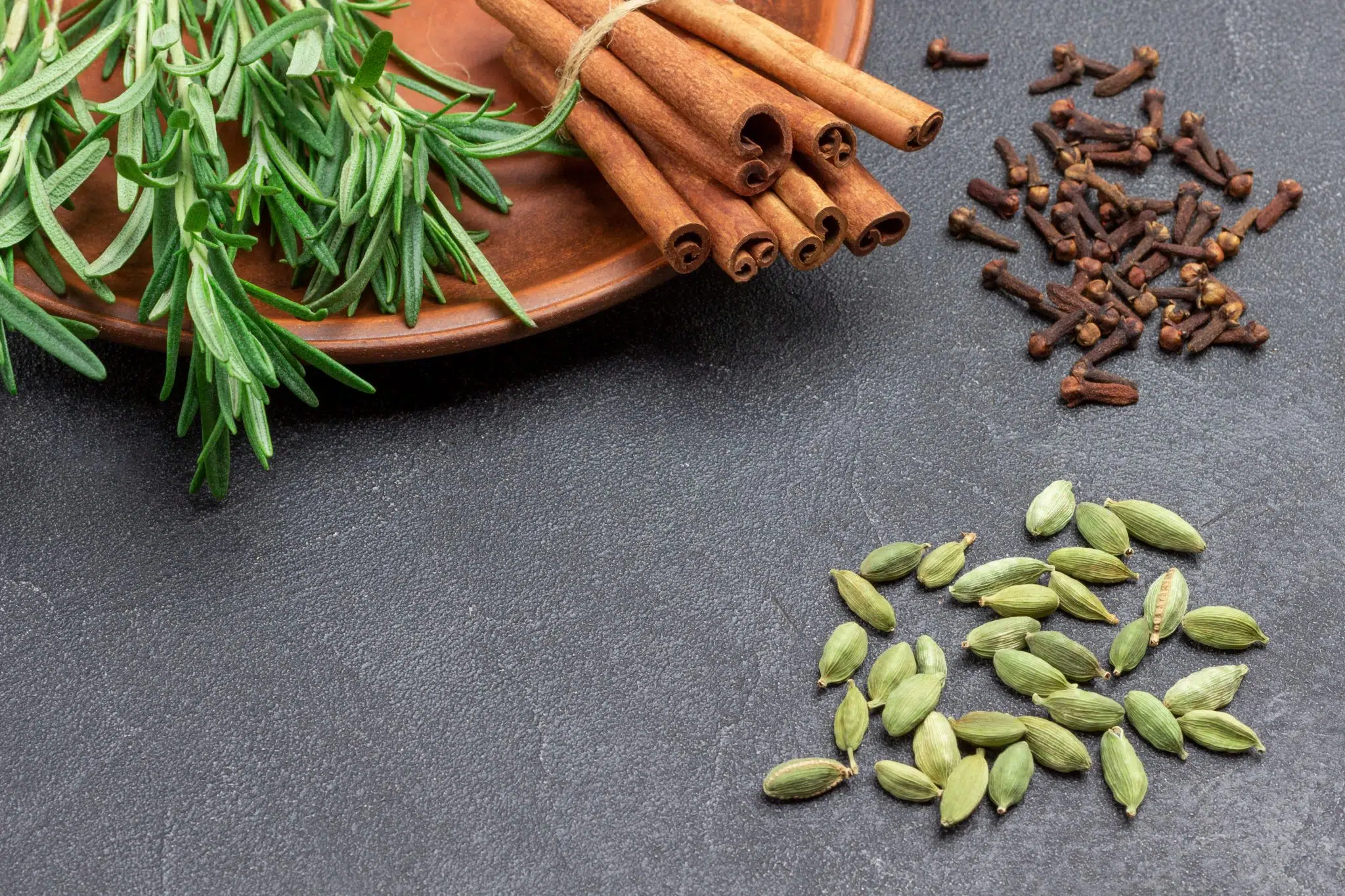
- Rosemary: Adds a lovely piney note to cocktails. Just be sure to muddle gently, as rosemary can be quite strong.
- Thyme: Thyme adds a fresh, citrusy note to cocktails; however, its flavor can be a bit hard to extract through simple stirring or shaking, so make sure to muddle it before mixing your drink.
Fruits
- Limes and Lemons: Essential for Mojitos, Caipirinhas, Whiskey Smashes, and many other drinks. Muddle them well to release both the juice and oils from the skin.
- Berries: Strawberries, raspberries, blackberries—you name it. Berries add a sweet and tangy burst of flavor when muddled.
- Cucumber: Light and refreshing. Cucumber is great for adding a cool, crisp flavor to gin cocktails. Just make sure to peel it before muddling; the peel can sometimes bring unwanted bitter notes into the cocktail.

These are only a few examples; watermelon, peach, cherries (without the pit), apples, grapes, pear, fresh ginger… You can muddle almost any fruit out there to add some extra flavor to your cocktails. It also works for citrus peels!
Spices
- Cinnamon: Perfect for spiced cocktails. Muddle a cinnamon stick for a warm, aromatic flavor. Make sure to toast it beforehand and add liquid into the shaker or mixing glass (citrus juice or simple syrup for example) to make it a little easier to muddle.
- Cloves and Cardamom: Add depth to winter cocktails or punches. Just be careful not to overdo it— these spices are potent!
Advanced Muddling Techniques
Once you’ve got the basics down, there are a few advanced techniques you can use to elevate your muddling game.
Layering Flavors
Why settle for just one muddled ingredient? Try layering flavors by muddling herbs and fruits together. For example, muddling strawberries with basil can create a beautifully balanced Gin Basil Smash with a unique flavor twist.

Muddling Spices
If you’re working with hard ingredients like cinnamon sticks or cloves, make sure to use a muddler with a toothed end. You’ll need a bit more pressure to break these down, but the flavors you release are worth the extra effort.
Muddling Directly in the Shaker
For some cocktails, you can muddle directly in your cocktail shaker instead of the glass. This is particularly useful in the case of fragile ingredients such as mint leaves: the ice cubes in the shaker will act as a muddler when shaking, allowing the flavor to infuse without over-muddling it and risking extracting its bitter composants.

Common Muddling Mistakes and How to Avoid Them
Even though muddling seems simple, it’s easy to make mistakes. Here are some common pitfalls and how to avoid them.
- Over-muddling herbs: When you bruise herbs too much, they can release bitter, unpleasant flavors. Stick to gentle pressure!
- Under-muddling fruits: If you don’t press hard enough, you won’t get all the juice and oils you need. With fruits, don’t be afraid to apply a bit more force and remember to add a bit of liquid prior to muddling.
- Using the wrong muddler: A wooden muddler is great for delicate herbs, but if you’re working with hard spices or citrus, you might need a stainless steel one with a textured end.
Cocktails That Require Muddling
Wondering when to use your newfound muddling skills? Here are a few classic cocktails where muddling is a must:
- Mojito: To make a perfect Mojito, muddle the lime with sugar (either sugar syrup or powdered sugar, depending on your preference) until all the juice is released. Smack the mint between your hands, drop it into the glass, and add the light rum. Fill the glass with crushed ice and churn well to combine. Add more crushed ice to fully fill the glass, top up with just a splash of soda water, add a straw and a mint sprig for garnish, and enjoy this Cuban classic!
- Old Fashioned: Sugar and bitters are muddled together to create the backbone of this iconic whiskey cocktail. Although most bartenders today use simple syrup instead of a sugar cube, the traditional and original way of preparing this cocktail does require some muddling.
- Caipirinha: Lime and sugar come together in a muddle to form Brazil’s national drink.
- Black Eye Cocktail: This fruity twist on a Rusty Nail combines Irish whiskey, Drambuie, crème de cassis, fresh raspberries, and blackberries as well as just a touch of mint into the perfect spring evening cocktail.

Final Thoughts: Muddle Your Way to Flavorful Cocktails
Muddling might seem like a small step in cocktail-making, but trust us—it’s a game changer. By learning how to muddle ingredients properly, you’ll bring out the full flavor potential of your drinks and impress your friends (and yourself) with your bartending skills.
At Drinksworld, we love experimenting with different ingredients and techniques, and muddling is one of our favorite ways to play around with flavors. So next time you’re mixing up a cocktail, don’t just toss in some basil, lime, or strawberries—muddle it and unlock that flavor magic!