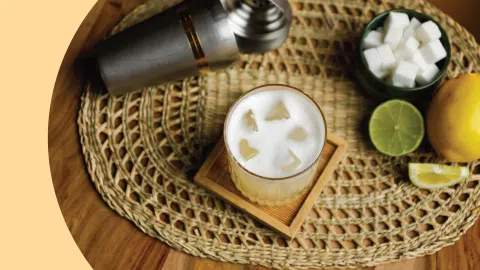
Don’t let the name oleo-saccharum intimidate you—it’s much simpler than it sounds. This often-overlooked cocktail ingredient is a game-changer, and once you’ve used it, you’ll wonder how you ever made a citrusy cocktail or punch without it.
So, what exactly is it? Oleo-saccharum is a syrup made by combining citrus peels and sugar, which draws out the flavorful essential oils from the citrus. The result? A rich, aromatic, and flavorful citrus syrup that packs way more punch than just regular citrus juice or syrup.

In the 19th century, it was a bartender’s go-to for making large punches, but it’s just as useful in modern cocktails. You can use it in everything from a classic punch to a whiskey sour, and even in non-alcoholic drinks like lemonade or iced tea. The best part? It’s super easy to make.
The Science Behind Oleo-Saccharum
You might be wondering—why not just use juice from the fruit to make a syrup? Well, here’s where the magic of oleo-saccharum lies. The peel of citrus fruits holds essential oils that are loaded with concentrated flavor and aroma, more so than the juice itself. The term “oleo-saccharum” literally translates to “oil-sugar” (thank you, Latin!), and that’s exactly what happens when sugar interacts with citrus peels. The sugar draws out these essential oils, creating a syrup that’s bright, flavorful, and full of depth.
Essential Ingredients for Oleo-Saccharum
The beauty of oleo-saccharum lies in its simplicity. You really only need two ingredients: citrus peels and sugar. But choosing the right citrus and sugar can make all the difference.
Citrus Fruits
The most commonly used fruits for oleo-saccharum are lemons, oranges, limes, and grapefruits. Each one brings a unique flavor profile:
- Lemons give you a bright, sharp, zesty flavor.
- Oranges provide sweetness and warmth.
- Limes deliver a tart, tropical twist.
- Grapefruits bring a rich, slightly bitter complexity.

Pro tip: If possible, go for organic citrus to avoid pesticide residue on the peels. We’re working with the peel, not the juice, so the cleaner, the better. You can also wash the fruits by soaking them in cold water mixed with a tablespoon of baking soda for 30 min. Rinse them and pat them dry before peeling.
Sugar
Regular white granulated sugar is the traditional choice, but you can experiment here too:
- White sugar is neutral and lets the citrus flavors shine.
- Demerara sugar adds a bit of molasses and richness, great for darker spirits like rum or bourbon.
- Cane sugar offers a more natural, slightly earthy sweetness.
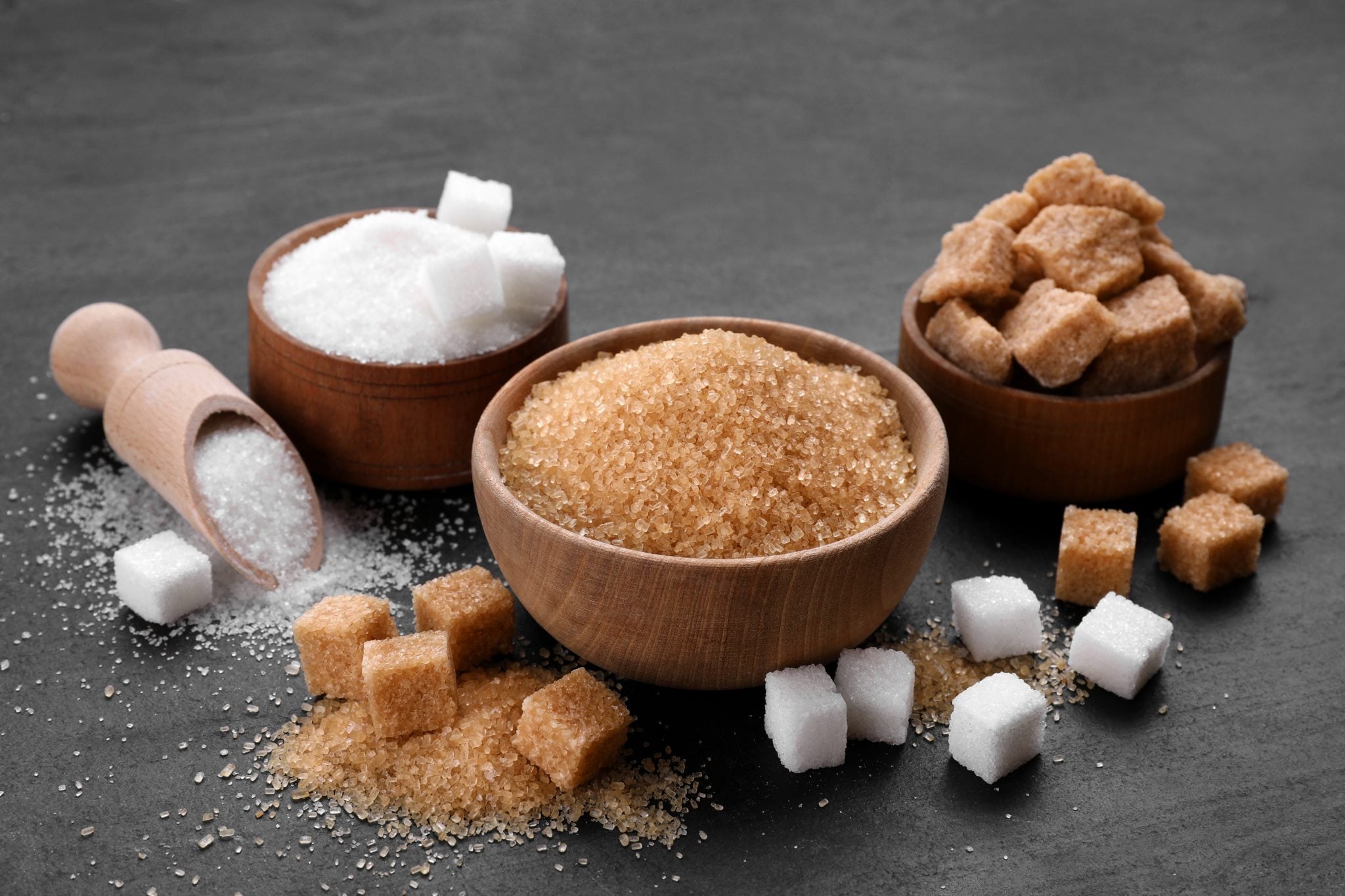
No matter which sugar you choose, the key is to use enough of it to fully coat the peels and extract the oils. If available, try to use fine or superfine sugar for better results.
Tools and Equipment Needed
You won’t need any fancy equipment to make oleo-saccharum. Most of what you need is probably already in your kitchen. Here’s a quick rundown:
Basic Tools:
- Vegetable peeler or zester: This will help you remove the citrus peel without digging into the bitter white pith underneath.
- Mason jars or bowls: You’ll need something to mix the sugar and peels in while they sit and mingle.
- Muddler or spoon: A muddler (or even a sturdy spoon) will help you press and crush the peels to release even more oils.
- Fine mesh strainer: Once your oleo-saccharum is ready, you’ll want to strain out the peels, leaving just the syrup behind.
Optional Tools:
- Vacuum-sealed bags and sous-vide machine: If you’re in a hurry, you can accelerate the infusion process with this method. It helps draw out the oils quickly.
- Citrus juicer: After you’ve made oleo-saccharum, you might want to juice the rest of the fruit to mix up a punch or lemonade.
Step-by-Step Guide to Making Oleo-Saccharum
Ready to get hands-on? Let’s walk through the simple process of making oleo-saccharum, step by step.
Step 1: Prepare the Citrus
The first step is to zest your citrus. Wash the fruits, dry them, grab your peeler or zester, and carefully remove the peel from your citrus fruits. The goal here is to avoid the white pith underneath the peel, which can add bitterness. Aim for long, thin strips of peel—these will release the most oil.
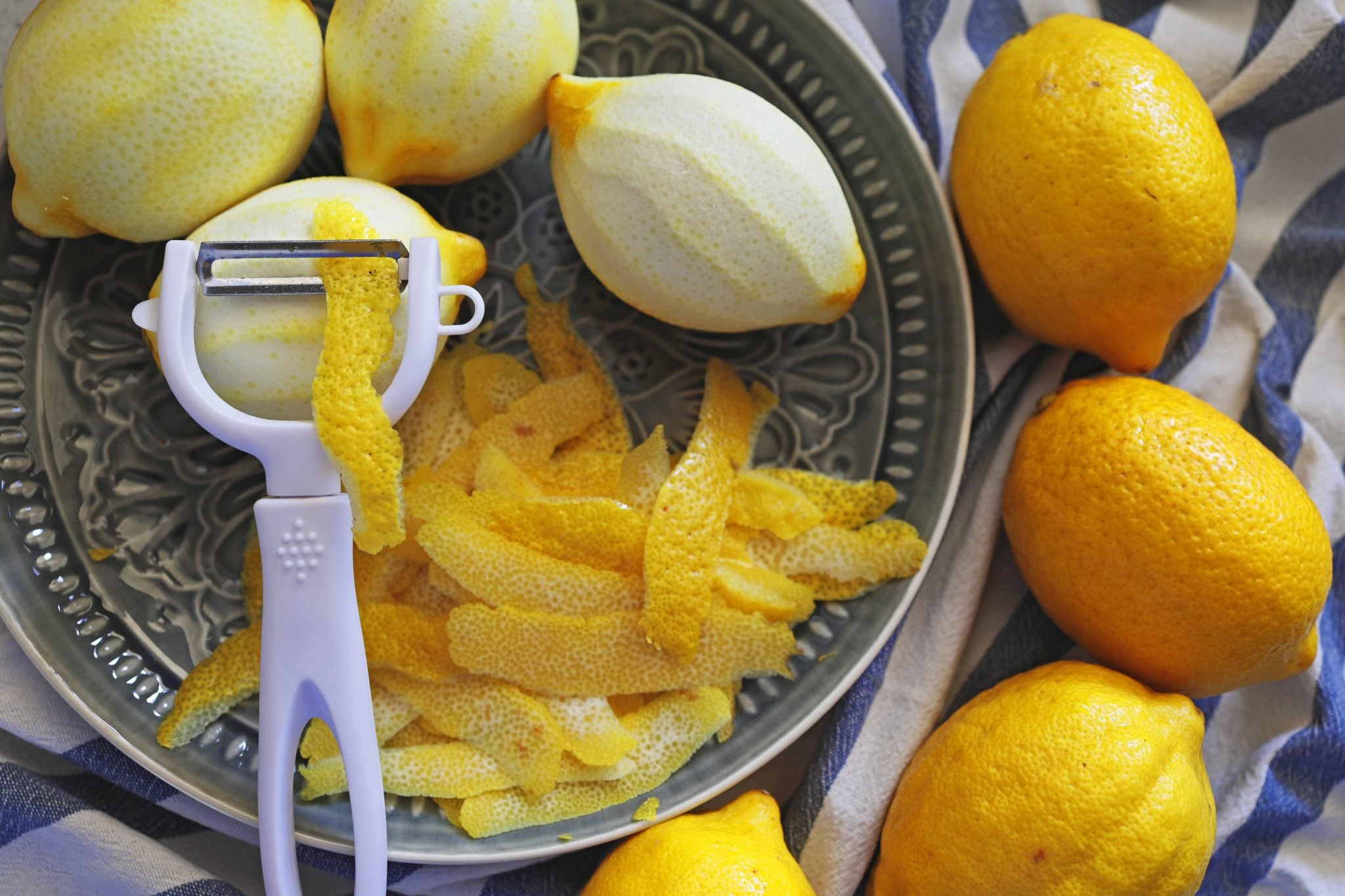
- Pro Tip: If you accidentally get some pith, you can use a knife to scrape it off before moving on. It may take a bit of time to get only clean, pith-free peels, but trust us: it will make a difference and you won’t regret it!
Step 2: Mix with Sugar
Next, toss your citrus peels into a food-safe container and generously coat them with sugar. A good rule is to use about 25g of sugar per citrus (or approx. 1 cup of sugar for every 8 citrus fruits). You want all the peels to be fully coated in sugar: don’t be shy with the sugar and add more if necessary. The sugar will start working immediately to pull the oils from the peels, but here’s where a bit of patience pays off.
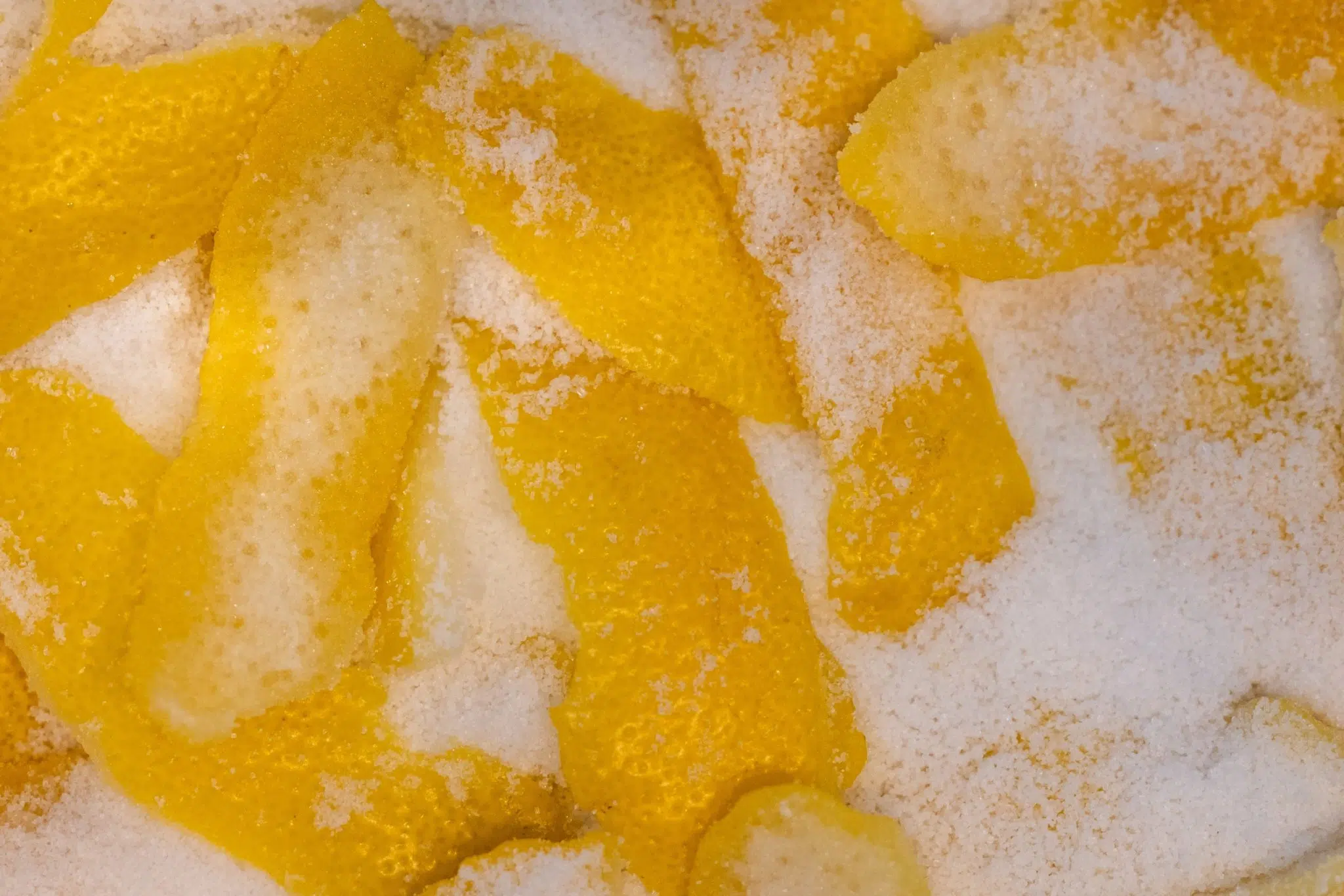
Put the lid on the container or use plastic film to cover and let the sugar and peels sit for at least 12 hours, preferably in a warm place (on top of the dryer dishwasher is not the prettiest but it’s definitely efficient). The longer they sit, the more oils will be extracted, and the better your oleo-saccharum will taste. You can usually expect your oleo-saccharum to reach its richest point after 48 hours.
Sous-vide option: Another fast and efficient way to prepare an oleo-saccharum is to use a sous-vide machine. For that, place the peels and sugar into a sous-vide bag and shake the bag thoroughly to coat the peels. Then, sous-vide and seal the bag: the vacuum in the bag will allow for maximum contact between the peels and the sugar and make the process faster and more efficient. Just as for the method above, let the bag sit in a warm place until all the sugar is dissolved; you can give it a little “massage” from time to time to ensure a good repartition on peels and sugar.
Step 3: Extract the Oils
After your sugar and peels have had some time to get cozy, it’s time to give them a little help. Using a muddler or a spoon, gently mix and press down on the peels to release even more of the oils. You’ll notice the sugar has turned into a thick, syrupy mixture. That’s exactly what you want! Leave it to rest a bit more, for 2 hours at least, and a full day if you can.
Step 4: Strain and Store
Once you’re happy with the consistency and the syrup smells like a citrus dream, it’s time to strain. Use a fine mesh strainer to separate the peels from the syrup, leaving you with a beautiful, fragrant citrus syrup. Store it in an airtight container and refrigerate. Your oleo-saccharum should keep for 1-2 weeks in the fridge, but we doubt it’ll last that long once you start using it in cocktails.
Variations and Customizations
One of the best things about oleo-saccharum is how customizable it is. Want to add a little extra flair? Here are a few ideas:
- Add Spices or Herbs: Try throwing in a cinnamon stick, some fresh ginger, or a sprig of thyme to add extra depth to your syrup. Just add these ingredients with the sugar and citrus peels and let them infuse together.
- Experiment with Different Sugars: Swap out white sugar for demerara or brown sugar to give your oleo-saccharum a richer, caramel-like flavor. This pairs beautifully with darker spirits like rum or bourbon.
- Mix Citrus Varieties: Don’t feel like you need to stick to just one type of citrus. Try combining lemons, oranges, and limes for a complex, layered citrus flavor. Each peel will contribute something unique to the final syrup. Yuzu, tangerines, kumquats… All of these also make delicious oleo-saccharum, so feel free to experiment!
How to Use Oleo-Saccharum in Cocktails
Now that you’ve got your oleo-saccharum, let’s put it to good use:
Classic Punches
Oleo-saccharum was born in the punch bowl, and it remains one of the best ways to use it. Add it to a large batch punch along with spirits, citrus juice, and water (or soda) for a well-rounded, flavorful cocktail.
Modern Cocktail Applications
You can also use oleo-saccharum in smaller, more modern cocktails:
- Whiskey Sour: Use oleo-saccharum instead of simple syrup for a richer citrus flavor.
- Old Fashioned: A dash of oleo-saccharum, used as a substitute for sugar, brings a bright, zesty twist to this classic.
- Gin Fizz or Collins: Replace the simple syrup in these drinks with oleo-saccharum for an added depth of flavor.

Non-Alcoholic Drinks
Oleo-saccharum is just as delicious in non-alcoholic drinks. Add a spoonful to iced tea, lemonade, or soda water for a citrusy boost without any alcohol.
Common Mistakes and How to Avoid Them
While making oleo-saccharum is pretty straightforward, there are a few common missteps to watch out for:
- Over-Zesting: If you peel too deep and include the bitter pith, your oleo-saccharum can turn out more bitter than intended. Be gentle when peeling!
- Not Letting It Sit Long Enough: The longer the sugar sits with the citrus peels, the more oils are extracted. Don’t rush the process.
- Improper Storage: Keep your oleo-saccharum in an airtight container and refrigerate it to prevent spoilage.
FAQs
What is oleo-saccharum?
Oleo-saccharum is a syrup made by extracting essential oils from citrus peels using sugar, creating a rich, flavorful syrup commonly used in cocktails and punches.
How long does it take to make oleo-saccharum?
The process takes around 12-48 hours, depending on how long you let the citrus peels sit with the sugar.
How do I store oleo-saccharum?
Store oleo-saccharum in an airtight container in the refrigerator. It should last for 1-2 weeks.
Can I use oleo-saccharum in drinks other than cocktails?
Yes! Oleo-saccharum works beautifully in non-alcoholic drinks like lemonade, iced tea, or soda water for a citrusy twist.
Can I make oleo-saccharum in a hurry?
If you’re short on time, using a sous-vide method can accelerate the infusion process, but for the best flavor, it’s recommended to let it sit for at least a few hours.
How do I know when my oleo-saccharum is ready?
When the sugar has turned into a thick, syrupy consistency and the peels are glistening with oil, your oleo-saccharum is ready to be strained.