After years behind the bar, I’ve come to realize that while mixing a drink is simple, crafting the perfect cocktail is an art form. Working a busy night shift or mixing drinks for friends at home, I’ve learned firsthand how the right techniques can truly elevate a cocktail.
In this article, I’ll share 10 essential steps, tips on using bartending tools effectively, and key techniques I rely on to prepare basic cocktails. Check our courses if you want to work further on your bartending skills.
How To Make A Cocktail At Home – 10 Easy Steps To Remember
Ready to impress your friends with your mixology skills? Follow these 10 easy steps, and you’ll be whipping up delicious drinks in no time!
- Choose Recipe: Pick your cocktail and study the recipe.
- Gather Ingredients: Ensure all ingredients, including ice, are available.
- Prep Garnish: Get garnishes ready if required.
- Prep Glass: Select and chill the appropriate serving glass.
- Measure Spirits: Pour specified ingredients into a shaker or mixing glass.
- Add Ice: Fill your shaker or mixing glass with ice.
- Mix Cocktail: Follow the recipe’s instructions to mix – shake, stir, or build in the glass.
- Strain If Needed: Remove any solids by straining before pouring if required by the recipe.
- Pour Into Glass: Transfer mixture into serving glass, over ice if needed.
- Garnish & Serve: Add garnish for presentation and serve immediately for best taste.
And don’t forget to clean up! Rinse used equipment right away to avoid stains and residue.
Remember that practice makes perfect when it comes to making cocktails – don’t be discouraged if things don’t go perfectly at first!
We dive further into basics: bottles you need to stock your bar and the tools & techniques you need to use to prepare 6 beginner cocktails.
Spirits and Mixers: The Building Blocks of Cocktails
Spirits and Mixers are crucial in making a cocktail. They form the drink’s base, which determines its strength, flavor profile, and overall character.
From various spirits like vodka, rum, gin, tequila, and whiskey to various mixers such as fruit juices, soda, tonic water, or even coffee – each combination promises a unique flavor profile suited for different moods and occasions. But don’t worry – it’s not as complex as it seems! Here’s what you need to know about your ingredients.
- Clear Spirits: These include vodka, gin, or white rum. They are versatile and can be mixed with almost any type of mixer.
- Dark Spirits: Whiskey, dark rum, or brandy fall into this category. They pair well with stronger flavors like ginger ale or cola.
- Liqueurs: These are sweetened spirits with various flavors ranging from fruits to herbs and spices. Examples include Bailey’s Irish Cream, Kahlua Coffee Liqueur, or Cointreau Orange Liqueur. Use these sparingly to add depth to your drinks.
- Mixers: This includes non-alcoholic beverages used to dilute the strength of the spirit and enhance its flavor. Common choices are fruit juices (like orange juice), soda (like club soda), tonic water, or even coffee!
Bitters and Syrups: The Flavor Enhancers of Cocktails
While spirits and mixers form the base of a cocktail, bitters and syrups act as flavor enhancers that add depth, complexity, and balance to your drink.
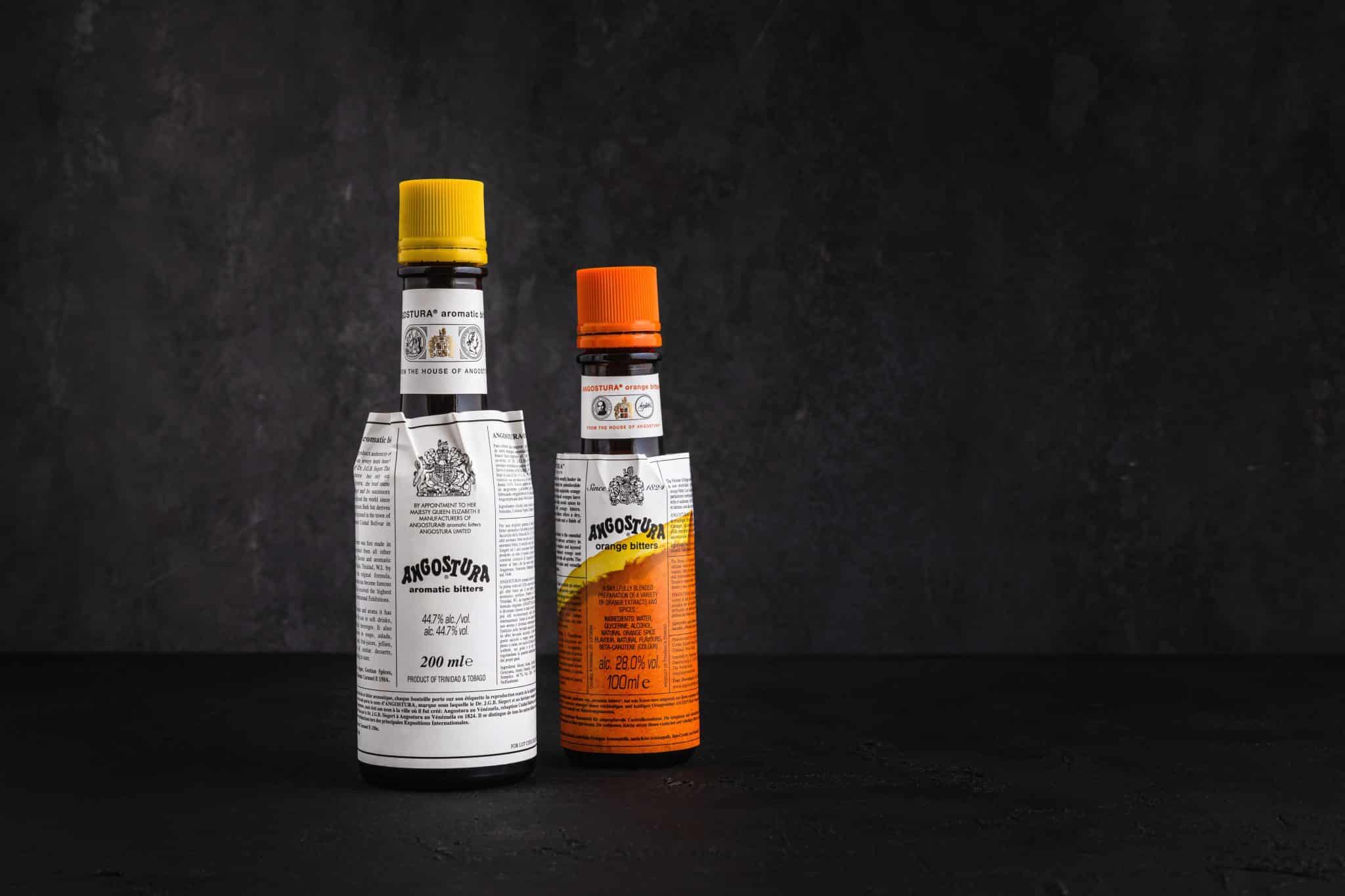
- Bitters are highly concentrated extracts from herbs, fruits, spices, and roots. They’re used in small amounts to balance out a cocktail’s sweetness or acidity and add complexity to its flavor profile. Examples include Angostura bitters, Peychaud’s bitters, and orange bitters.
- Syrups are sweet liquids that can be infused with various flavors. They’re used to sweeten cocktails and add depth of flavor. Simple syrup (sugar dissolved in water) is the most common type used in cocktails, but flavored syrups like grenadine (pomegranate), orgeat (almond), and ginger syrup are also popular choices. Homemade syrups using fresh ingredients can elevate your cocktail game even further!
You’ll also need to ensure you have plenty of ice on hand, as it’s an essential component for most cocktails:
Ice: A Cocktail’s Best Friend
Often overlooked, ice is a key player in cocktail making. It’s not just for chilling your drink; it also plays a significant role in diluting the strength of spirits and blending flavors.
Having plenty of ice on hand is crucial.
Depending on the cocktail you’re making, you can use different types of ice — large cubes for slow dilution in straight spirit drinks like an Old Fashioned, crushed ice for tiki or swizzle cocktails that require quick dilution, or even clear ice spheres for a visually appealing touch to your craft cocktails.
Remember to add ice last when mixing to prevent premature melting and over-dilution. And if you’re serving the cocktail on the rocks, always fill your glass with fresh ice rather than using the one from the shaker to ensure optimal temperature control.
The Tools You Need
Creating the perfect cocktail involves more than just mixing the right ingredients. It also requires equipment that helps ensure precision, enhance flavors, and present your drink in the best possible way.
- A Cocktail Shaker is essential for combining your ingredients while simultaneously chilling them. This tool helps to blend flavors effectively.
- The Jigger acts as your measuring guide. Precision is key in cocktails; this tool ensures you add the exact amount of each ingredient.
- A Bar Spoon, with its long handle, is used for stirring drinks and layering different spirits or mixers without blending them completely.
- The Muddler is useful when you need to extract flavors from solid ingredients like fruits, citruses, and berries by crushing them gently.
- After shaking or stirring your cocktail, a Strainer helps separate the liquid from ice and any solid residues, ensuring a smooth drink.
- Fresh citrus juices are often part of cocktail recipes, making a Citrus Juicer an important tool on your bar counter.
- An Ice Bucket & Tongs keep ice within easy reach during cocktail preparation while maintaining hygiene standards.
- Preparing garnishes or cutting fresh ingredients requires a Cutting Board and Knife—essentials in any kitchen or bar setup.

And Glassware isn’t just about serving; different cocktails taste better in specific types of glasses:
Indispensable Glassware for Cocktails
Different glassware enhances various drinks. The size and the shape of the glass’s mouth can release aromas, while its design can maintain the drink’s temperature. These factors significantly improve the drinking experience. These 5 cocktail glasses are commonly used:
- Martini Glass (also called cocktail glass): With its iconic cone shape, the martini glass is perfect for serving cocktails without ice, allowing the drink to stay cooler for longer thanks to its stem.
- Highball Glass: This tall and straight glass is ideal for cocktails served with many mixers and ice, like Mojitos or Bloody Marys.
- Coupe Glass: The shallow, broad bowl of the coupe glass makes it great for shaken and fine strained cocktails.
- Old Fashioned (Rocks) Glass: Short and sturdy, this glass is used for ‘on the rocks’ drinks like Negronis and Whiskey Sours.
- Margarita Glass: Similar to a martini glass but with a rounded bowl and wide rim – perfect for salt! It’s used primarily for margaritas, as its name suggests.

For an in-depth look at these and other types of cocktail glasses, check out our comprehensive guide on 13 Types of Cocktail Glasses Used Behind The Bar on our website.
Chilling, Warming, and Rimming Glassware
Preparing your glassware appropriately is crucial for an optimal cocktail experience. This often involves chilling or warming the glasses before use.
Chilling is particularly important for cocktails served ‘up,’ meaning without ice, such as those served in Martini, Coupe, and Flute glasses. The most effective way to chill a glass is by placing it in the freezer for about 30 minutes before serving. If a freezer isn’t accessible, an alternative method involves filling the glass with (crushed) ice and water or stirring some ice cubes in it while you mix the drink. Once ready to serve, discard the icy water from the glass – although quicker than freezing, this method may not chill your glass as thoroughly.
On the other hand, pre-warming your glasses can enhance your drink’s flavors when serving hot cocktails like Irish coffee, Hot Toddy, or Hot Buttered Rum. To do this safely and effectively, fill the glass with hot water. After a few minutes, discard the water before pouring in your cocktail.
Last but equally important is rimming certain glasses like Margaritas or Salty Dog, which adds an extra layer of flavor, enhancing each sip of your cocktail. To do this, wet the rim with a piece of fruit (like lime for margaritas) or syrup, then dip it into your chosen coating.
Each of these techniques complements different types of cocktails and using them correctly can significantly elevate your guests’ drinking experience. Let’s take a look at other common techniques:
Essential Techniques for Cocktail Creation
Most cocktails are made using techniques like stirring, shaking with ice, muddling ingredients, layering for effect, and straining into a glass. Here is how to master 6 mixology methods:
- Shaking: This technique is used when your cocktail includes juice, cream liqueurs, simple syrup, egg whites, or dairy. The vigorous shaking in a cocktail shaker mixes the ingredients and aerates and chills them. Think about shaken cocktails such as Daiquiri, Margarita, and Cosmopolitan.
- Stirring: If your cocktail consists of only spirits (like a Martini or Manhattan), stirring is preferred as it gently combines the elements without diluting the drink too much or creating air bubbles.
- Muddling: This involves pressing fruits, herbs, or spices at the bottom of the glass or a shaker to release their flavors before adding the rest of the ingredients.
- Layering: This technique involves carefully pouring one ingredient on top of another so they stay separate and create visual layers in your glass. Think about the B52 or the White Russian.
- Straining: After shaking or stirring a cocktail with ice, you’ll often strain it into your serving glass to remove any solid particles and excess ice chips.
- Garnishing: The final touch to most cocktails, garnishes can be anything from a slice of fruit to a sprig of mint or even an umbrella!
Start With Some Easy Cocktails
Screwdriver
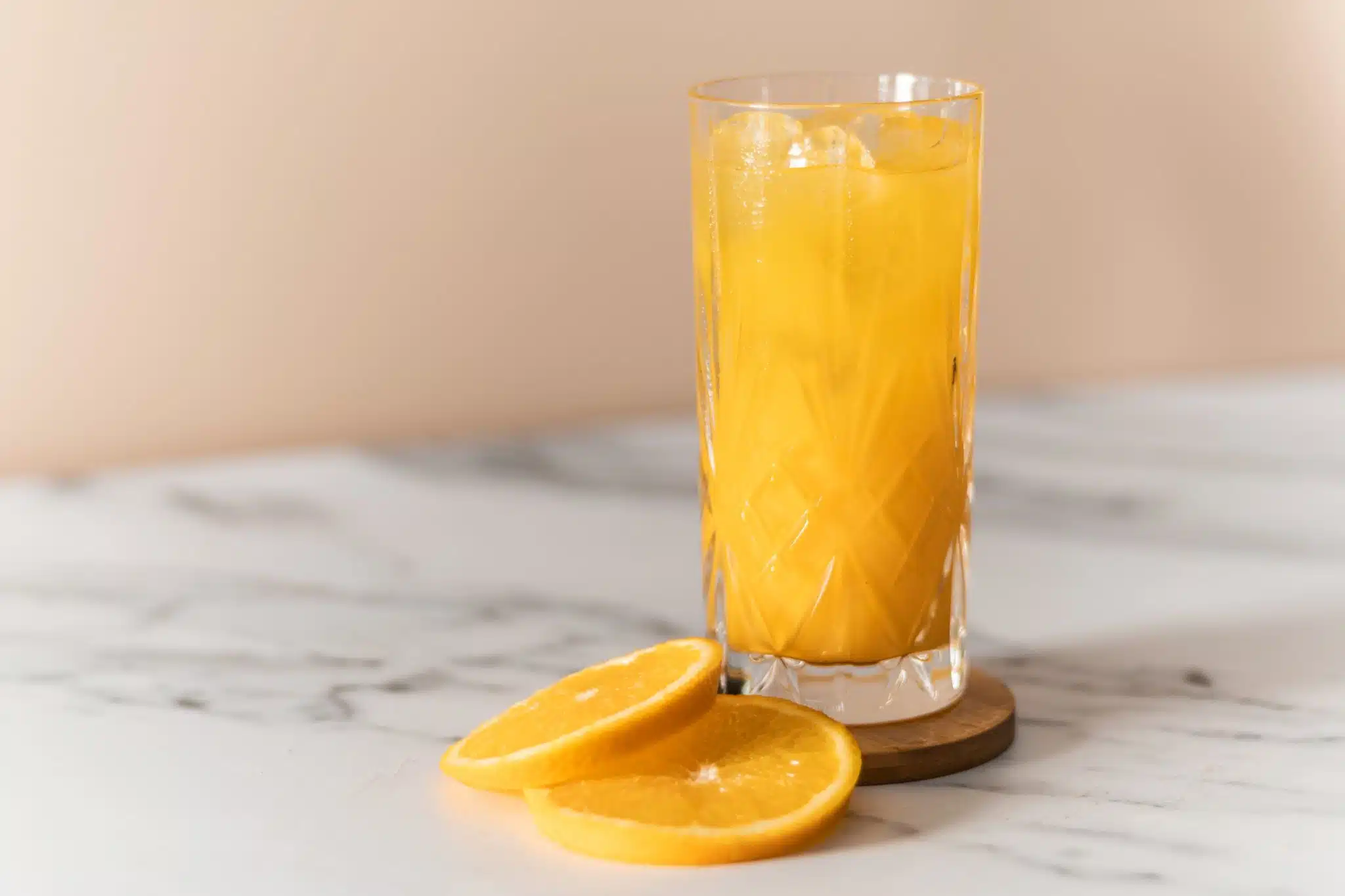
What? A simple mix of vodka and orange juice served over ice.
How? Pour 2 oz of vodka into an ice-filled glass, top with orange juice, and garnish with an orange wedge.
Rum and Coke
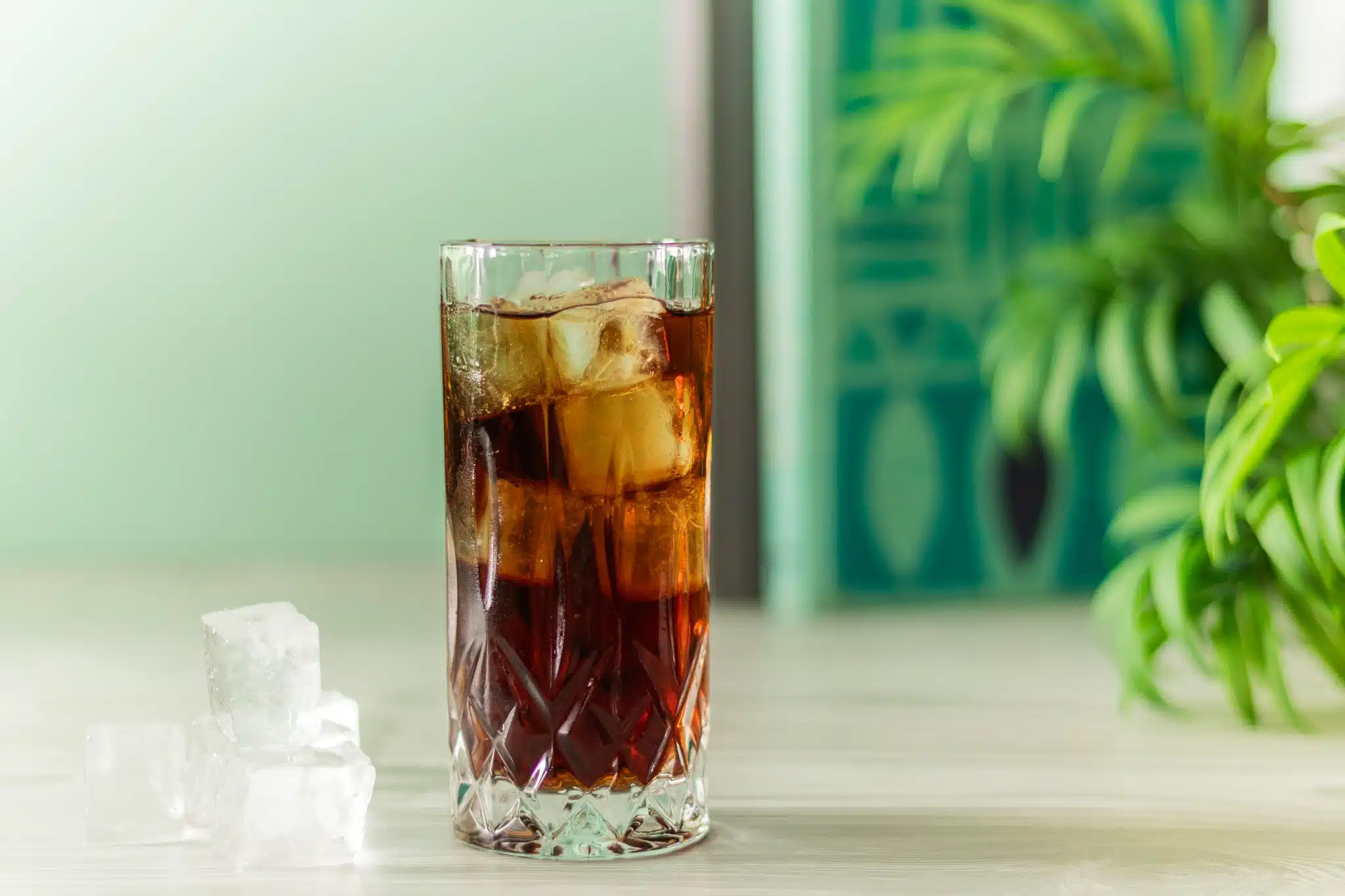
What? A classic combination of rum mixed with cola typically garnished with a lime wedge.
How? Fill a glass with ice, add 2 oz of rum, top up with cola, and garnish with a lime wedge for added zest.
Mojito
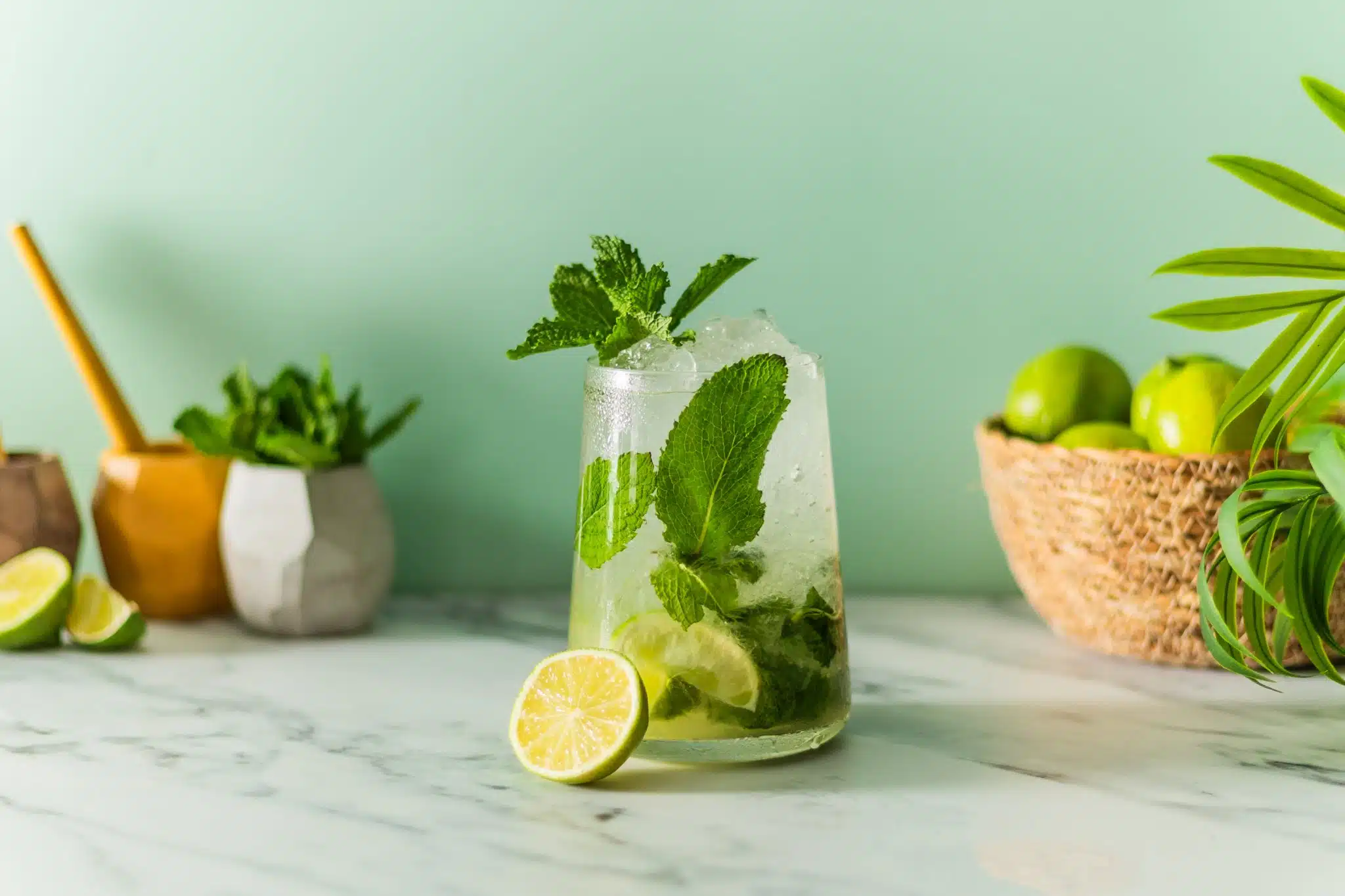
What? A refreshing blend of fresh mint leaves, lime juice, sugar syrup, white rum, and soda water.
How? Muddle lime in a glass, bash fresh mint leaves, and place them into the glass. Add 2 oz of white rum and some sugar syrup. Add crushed ice, churn well, then top up with soda water.
Moscow Mule
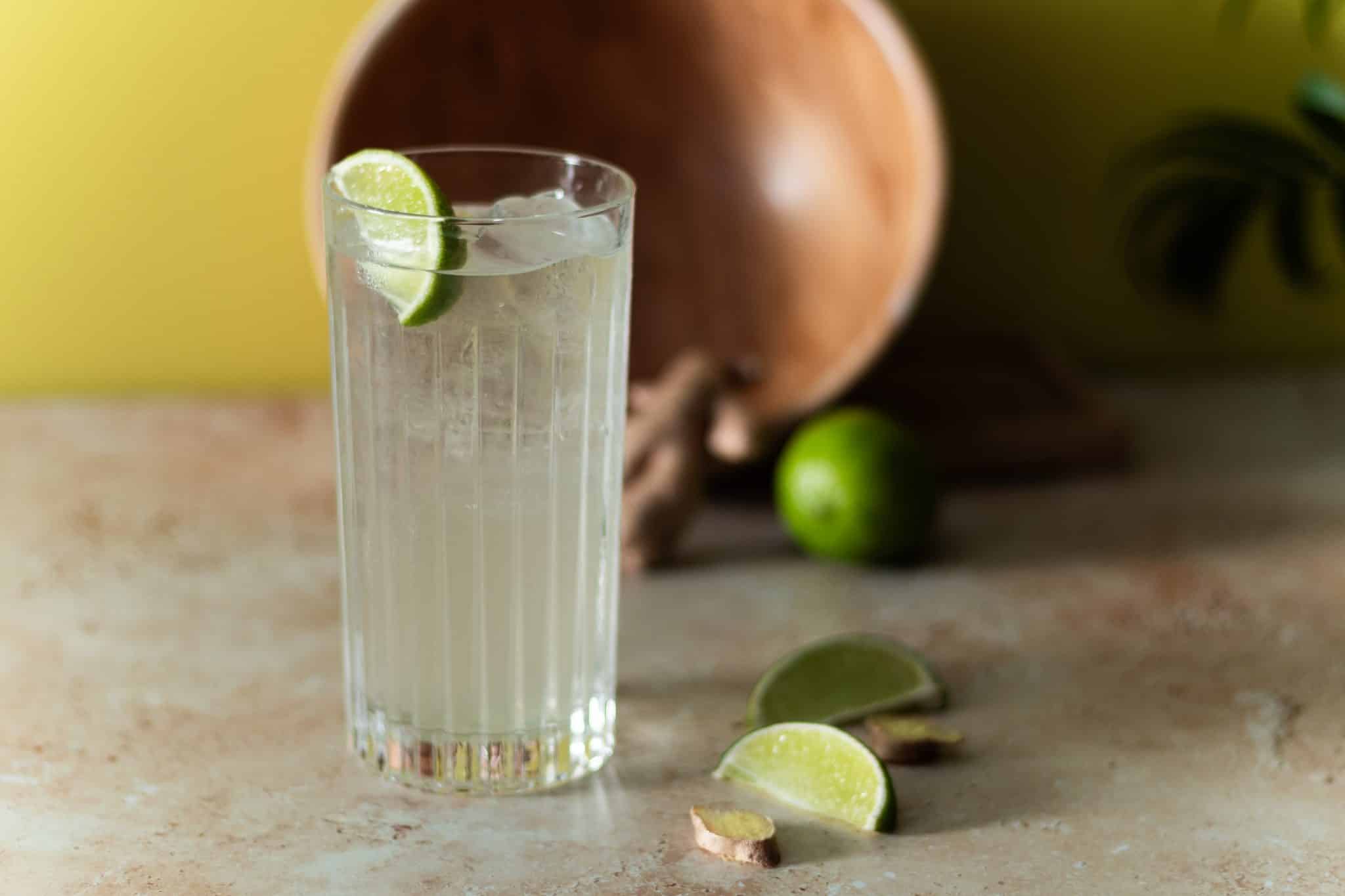
What? A tangy cocktail made from vodka, ginger beer, and fresh lime juice.
How? In an ice-filled copper mug (or any glass), pour 2 oz of vodka, and the juice of half a lime, then top up with ginger beer. Stir gently to combine and garnish with a slice of lime or mint sprig for added freshness.
Whiskey Sour
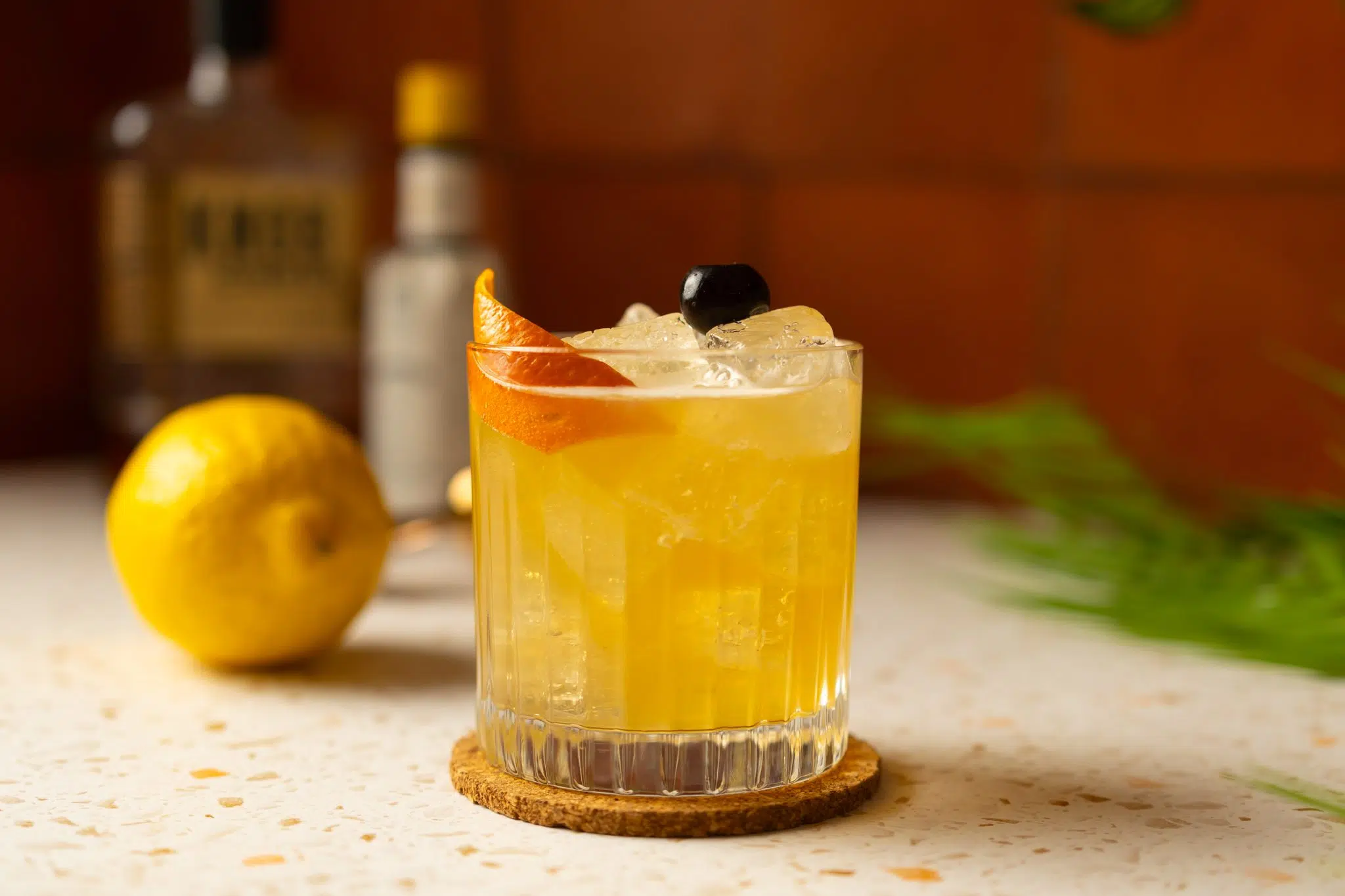
What? A tangy mix of whiskey, lemon juice, and simple syrup.
How? Combine 2 oz whiskey, 3/4 oz lemon juice, 2 dashes of Angostura Bitters, and 1/2 oz simple syrup in a shaker, and fill the shaker with ice. Shake well, then strain into an old-fashioned glass filled with fresh ice cubes.
Martini

What? An elegant cocktail made from gin (or vodka) and vermouth.
How? Pour 2 oz gin or vodka and 1/2 oz dry vermouth into a mixing glass, and fill the mixing glass with ice. Stir well, then strain into a chilled martini glass. Traditional garnishes include an olive or a twist of lemon peel.
Check more of DrinksWorld How To Guides:
- Sweetening the Sip: Guide to Drink and Cocktail Syrups
- The Proper Way to Take a Shot of Tequila
- How To Properly Store Vodka
- How to Make Simple Syrup
- How to Make Cocktail Shrub
- How to Make Bitters