If you’re wondering how to store your favorite spirit, whether an opened bottle of vodka or a brand-new one, you’ve come to the right place. We have all the necessary details on the best methods for keeping your bottles.
Distilled spirits last a long time, but that doesn’t mean you can store them just anyway and expect them to taste as good as intended. It is generally said that an unopened bottle of vodka has a shelf life of 30 to 50 years before it starts to decline and that an open bottle will still be good for 10 or 20 years. After this time the vodka won’t become moldy, or toxic: it will only slowly lose flavor and alcohol potency over time.
Following our guidelines below will help keep your vodka’s clarity, purity, and crisp flavor intact over time.
How To Store Vodka (valid for both Opened and Unopened Bottles)
- Seal Tightly: Keep bottles tightly sealed to avoid evaporation; a well-sealed bottle lasts 10-20 years.
- Keep It Cool: Store vodka in a cool, dark place, ideally between 55°F to 65°F (13°C to 18°C).
- Avoid Direct Sunlight: Protect vodka from sunlight by keeping it in a cabinet or pantry. Sunlight and heat can damage vodka and other liquors.
- Consider the Freezer: Vodka can be kept in the freezer for a smoother, thicker pour.
- Upright Storage: Always store bottles upright to prevent leaks—no need to keep corks moist.
- No Special Containers Needed: Store vodka in its original bottle; no decanting required.
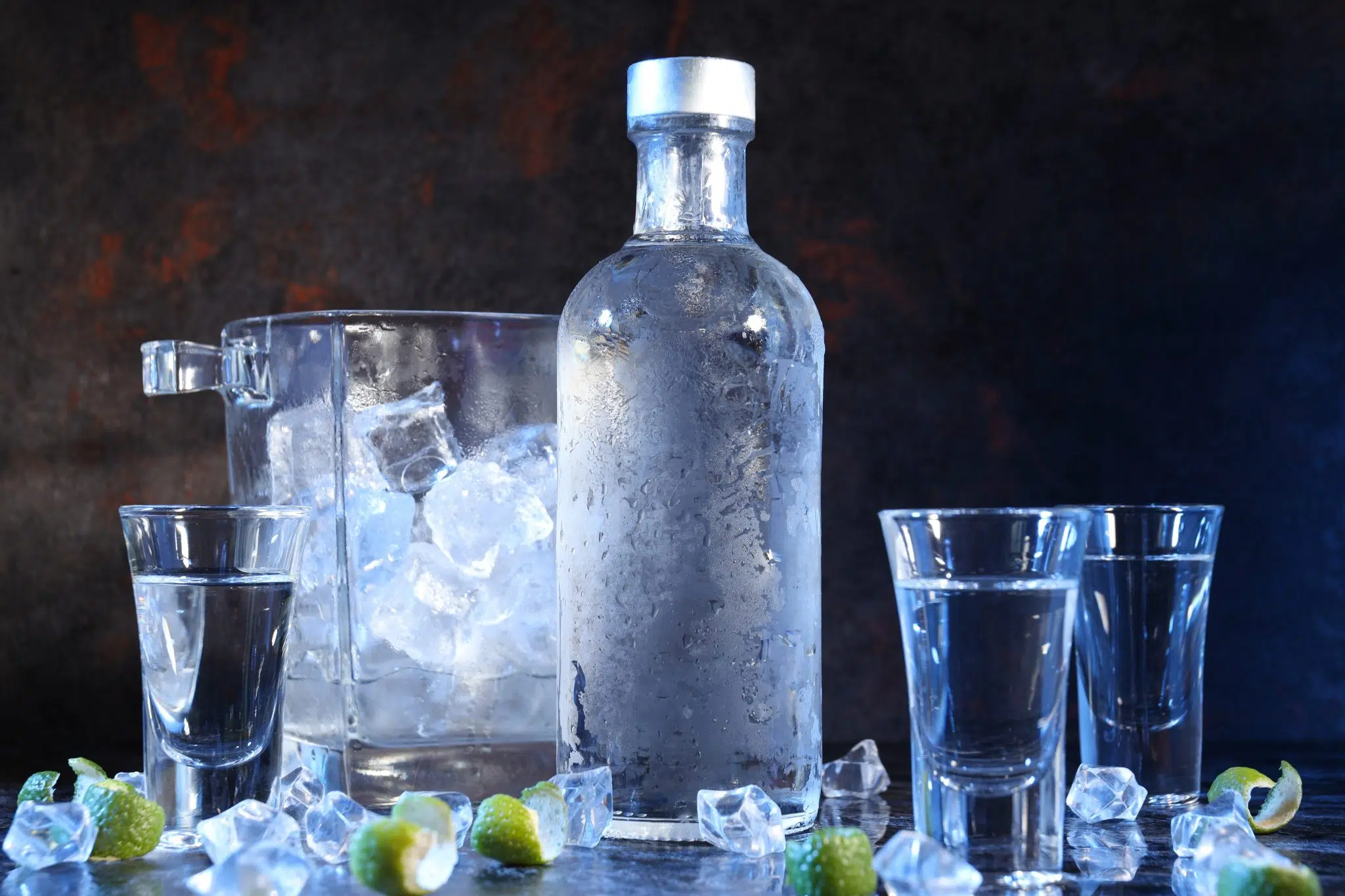
Vodka is a versatile spirit traditionally made from fermentable ingredients such as grains, potatoes, or sometimes grapes. The choice of base ingredient influences the spirit’s final flavor profile, although the distillation process is designed to create a clear, high-purity spirit with a neutral taste.
The storage of vodka isn’t directly affected by its base ingredients since the distillation process removes most of the original characteristics of the raw material. However, understanding its composition highlights vodka’s chemical stability and high alcohol content (> 40% ABV), contributing to its long shelf life and low risk of spoilage.
How To Store Flavored Vodkas?
Storing flavored or infused vodka follows the same general principles as storing regular vodka to preserve its quality and taste.
Flavored vodkas have a shelf life of six months to 2 years, as the added flavors degrade faster than the vodka itself. To keep it fresh, store flavored vodka in a cool, dark place with a tight seal. Here are a few more tips:
- Flavor Sensitivity: Flavored vodkas are more sensitive to temperature and light due to added ingredients, so store them in a cool, dark place to preserve flavor.
- Shelf Life: Though high alcohol content preserves it, flavors may fade over time. Aim to consume within 1-2 years of opening.
- Refrigeration: Chilling flavored vodka in the fridge (not the freezer) can enhance its taste, especially for neat or chilled shots.
More Storage Advice:
- How to Store Liquor and Spirits
- How to Store Vermouth
FAQs
Can I store vodka in a steel flask?
Yes, you can store vodka in a steel flask, but some important considerations must be remembered. First, avoid adding mixers to your alcohol when storing it in a flask. Many mixers contain corrosive or perishable ingredients that can damage the interior of your flask. Additionally, it’s generally advised not to store your alcohol in the flask for more than 3 days. Keeping it in your flask longer than this period can alter the taste of your drink.
Does vodka expire?
No, vodka does not expire if it’s sealed and stored properly. However, once opened, its quality might gradually diminish, but worry not: it will still be safe to consume, and it will take at least 10 years for a significant change in taste to occur.
What’s the shelf life of opened vodka?
We recommend to consume it within a few years after opening. Over time, exposure to air can slightly alter its flavor and aroma. If you happen to find an old, already opened and forgotten bottle of vodka sitting at the back of a shelf or in your basement, there might still be some things to do with it: first, taste a little sip to determine whether or not it has started to lose flavor and potency. If not, good news! It can sit alongside your other bottles and be used as you please. If you notice that the taste has gone weaker, there are some things you can still do with it: you can either use it in heavily-flavored cocktails (like a Moscow Mule for example) or infuse it to create your own flavored vodka from scratch!
Do different brands require different storage methods?
No, different brands of vodka do not require different storage methods. Grey Goose, Smirnoff, Chopin, or Ketel One bottles should all be stored in a cool, dark place away from direct sunlight and temperature fluctuations.