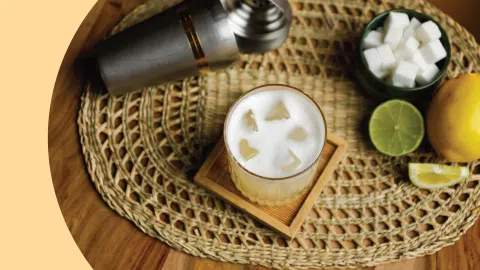
The classic citrus twist is one of the simplest yet most elegant garnishes you can add to your drinks. A perfectly crafted twist isn’t just for show; it adds brightness, aroma, and a dash of sophistication to your cocktail. Plus, it looks downright cool sitting on the rim of your glass or floating atop a perfectly shaken martini.
If you’ve ever admired a well-crafted twist and wondered how to make one yourself, you’re in the right place. This article covers the art of making cocktail twists.
Why Use Twists in Cocktails?
Before we jump into the “how,” let’s talk about the “why.” What makes a twist such an essential garnish in mixology?
Flavor Boost
Twists are typically made from citrus peels—lemon, lime, orange, grapefruit—and they pack a punch of flavor. When you peel the citrus, you’re releasing the oils from the skin, which infuses the drink with a bright, zesty aroma and flavor. It’s not just for looks; that little twist can elevate the taste of your cocktail in a big way.
Aroma
Do you know how the first sip of a cocktail starts with the scent? Twists help with that too. The oils released from the peel float on the surface of the drink, hitting your nose before the liquid hits your tongue. This combination of scent and taste enhances the overall experience of drinking a cocktail.
Visual Appeal
And, of course, there’s the visual element. A cocktail garnished with a neat, vibrant twist just looks polished. It adds a pop of color, a hint of flair, and immediately makes the drink feel more elevated. Whether you’re serving a classic martini or a bold Negroni, a citrus twist adds that extra touch of class.

Types of Cocktail Twists
Twists come in all shapes and sizes, and different cocktails call for different styles. Here are the main types of twists and when to use them:
Classic Citrus Twists
This is your basic twist, typically made from lemon, lime, orange, or grapefruit peel. It’s the go-to garnish for cocktails like a Martini, Negroni, or Old Fashioned.
- Lemon twist: Bright and zesty, perfect for a gin martini or whiskey sour.
- Orange twist: Slightly sweeter, great for Old Fashioneds or Negronis.
- Lime twist: Tangy and tart, ideal for tropical cocktails or a gin and tonic.
- Grapefruit twist: Bitter and aromatic, perfect for lighter drinks like a Paloma or Aperol Spritz.
Spiral Twists
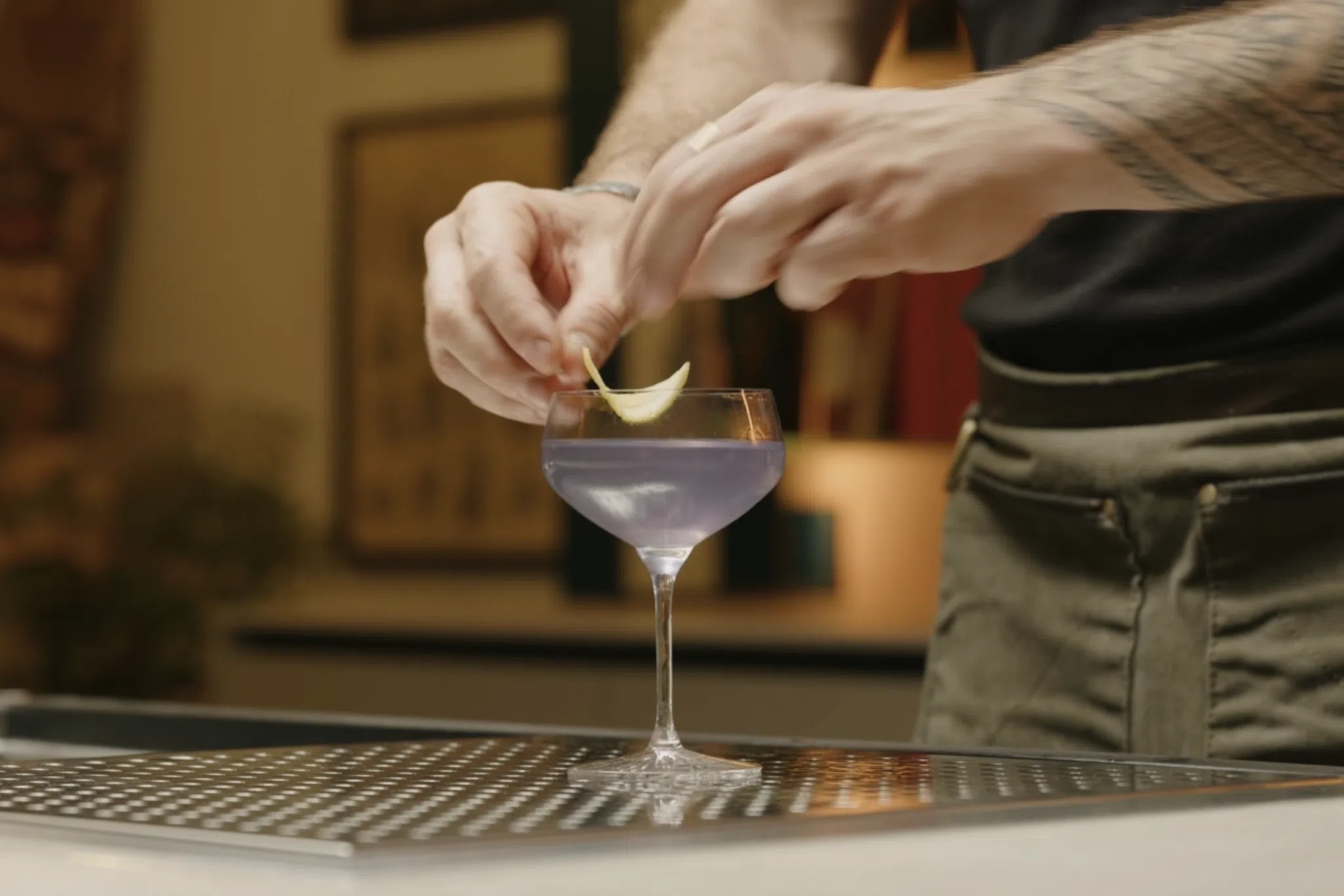
Want to impress? A spiral twist is longer, more dramatic, and great for presentation. These twists are perfect for cocktails served in tall glasses or when you want to add a bit of flair to the rim of a glass.

Expressed Twists
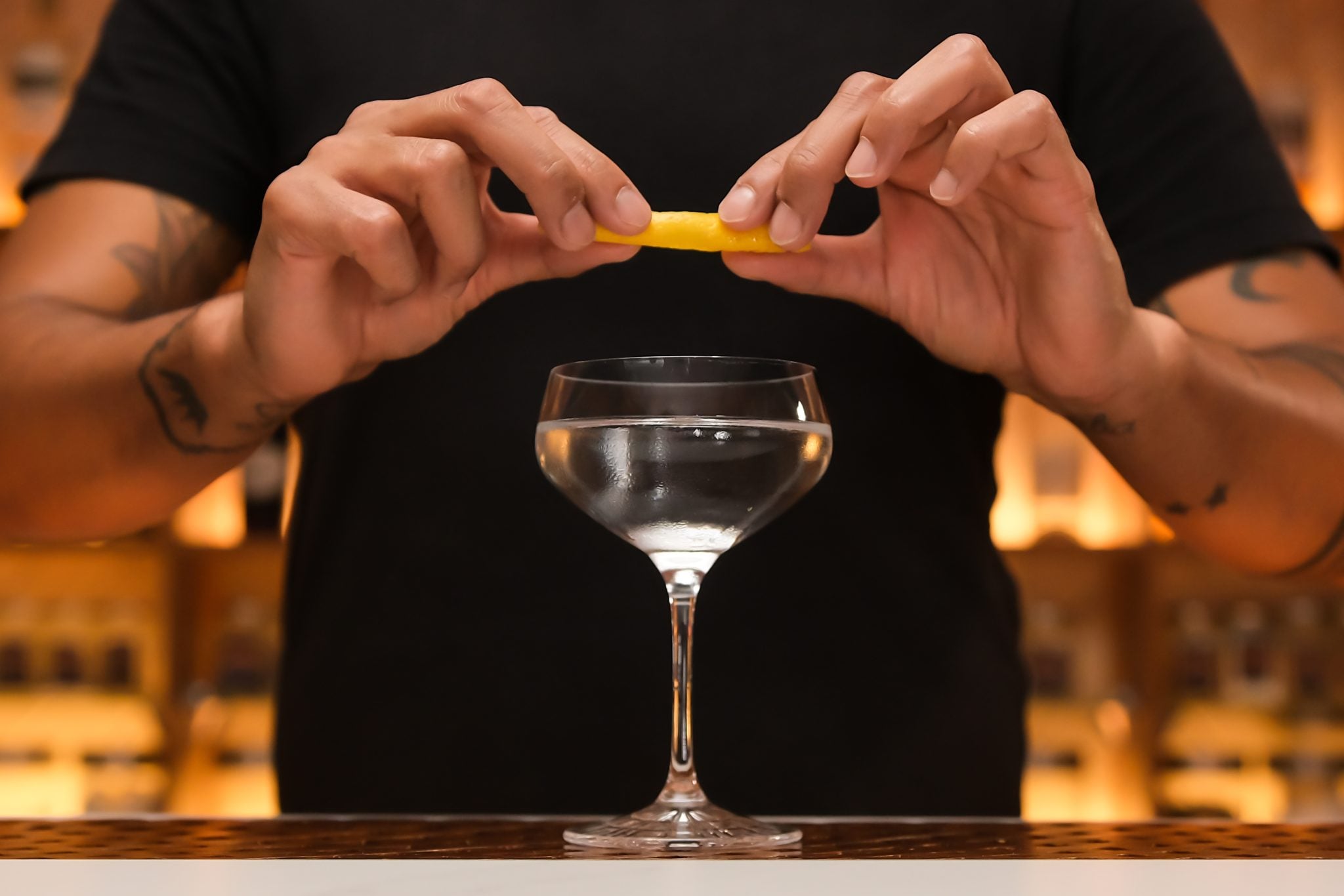
An expressed twist is when you squeeze the peel over the drink to release the oils before adding it to the glass. This method is great for enhancing the aroma of the drink without leaving the peel in the cocktail.
Herb-Infused Twists
For a more complex garnish, you can combine citrus peels with herbs like rosemary, thyme, or mint. The result is a garnish that adds both visual appeal and a more layered flavor to the drink.
Ingredients for Making Twists
You’ll need just a few simple ingredients to get started on making cocktail twists:
- Citrus Fruits: Fresh lemons, limes, oranges, and grapefruits are your best friends when making twists. Make sure the fruit is firm and fresh to get the best peel.
- Herbs (Optional): Fresh herbs like rosemary or thyme can be added to your twist for an extra layer of flavor.
Choosing the Best Citrus for Twists
The key to a great twist is the fruit itself. Look for citrus that is firm and has smooth skin. Too soft, and the peel will be difficult to work with. Too thick, and you’ll end up with too much bitter pith (the white part under the skin). You want peels that are thin and aromatic, which will release those essential oils into your drink.
Tools You’ll Need for Perfect Twists
To make a great twist, you’ll need the right tools. Here’s what you’ll want to have on hand:
Y-Peeler or Vegetable Peeler
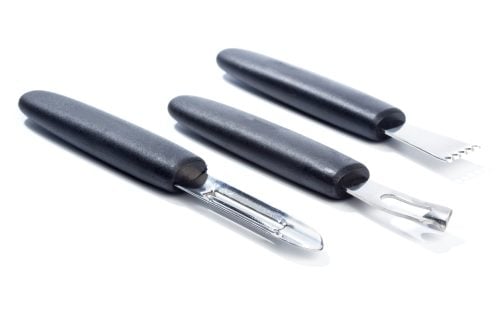
This is your go-to tool for getting clean, even peels. A good Y-peeler will help you remove just the zest without too much of the bitter pith.
Citrus Zester
For a more decorative garnish, a zester is perfect. It gives you thin, delicate strips of zest that are perfect for adding a bit of flair to your cocktail.
Channel Knife
A channel knife creates long, spiral peels, which are great for those dramatic twists that wrap around the glass or hang over the rim.
Paring Knife
You’ll need a sharp paring knife for trimming and shaping your twists, especially if you want to create neat, even strips of peel.
How to Make the Perfect Cocktail Twist: Step-by-Step Guide
Now that you’ve got your tools and ingredients ready, let’s get into the technique. Here’s how to make a classic cocktail twist.
Step 1: Choose Your Fruit
Pick a fresh, firm citrus fruit. Whether you’re using lemon, lime, orange, or grapefruit, make sure the skin is smooth and not too thick. (you can anyway peel off the white part with a sharp knife if needed).
Step 2: Peel the Fruit
Using your Y-peeler or vegetable peeler, gently remove a strip of peel from the fruit. You want the peel to be as thin as possible, avoiding too much of the white pith underneath. A little bit of pith is fine, but too much will make the twist bitter.
Pro Tip: Use a gentle, steady hand when peeling to avoid tearing the skin. The goal is to get a nice, even strip of peel.
Step 3: Trim the Peel
If your peel is uneven or has jagged edges, use a paring knife to trim it into a neat, rectangular shape. A clean, tidy twist looks better and fits more comfortably in the glass.
Step 4: Express the Oils
This step is where the magic happens. Hold the peel over your cocktail and gently twist it between your fingers. This releases the citrus oils from the skin, which will float on the surface of the drink and enhance its aroma.
Pro Tip: For an extra touch of flair, you can “flame” the twist. Light a match and hold it near the peel as you squeeze it. The oils will ignite briefly, creating a burst of aroma and a caramelized flavor.

Step 5: Garnish Your Drink
Once you’ve expressed the oils, you can either drop the twist into the drink, float it on top, or place it on the rim of the glass. For a more elegant look, you can twist the peel around a straw or stirrer to give it a nice curl before garnishing.
Spiral Twists for Dramatic Presentation
If you want to up your garnish game, try making a spiral twist. Here’s how to do it:
Step 1: Use a Channel Knife
Run a channel knife around the circumference of the citrus fruit, starting from the top and working your way down in one continuous motion. You’ll end up with a long, thin spiral of peel.
Step 2: Wrap the Spiral
Once you’ve got your spiral, wrap it around the stem of a glass or twist it around your finger to create a neat coil. This type of twist is perfect for taller cocktails or drinks served in stemmed glasses.
Step 3: Garnish
Drape the spiral twist over the rim of the glass for a dramatic, eye-catching garnish.

Herb-Infused Twists
Looking to add even more flavor to your twist? Try combining citrus peels with fresh herbs. Here’s how to do it:
Step 1: Peel and Trim
Start by peeling a strip of citrus peel, just like you would for a classic twist. Trim it into a neat rectangle.
Step 2: Add Fresh Herbs
Place a sprig of rosemary, thyme, or mint on top of the peel. Then, roll the peel around the herb like a cigar.
Step 3: Secure the Twist
To keep the peel and herb together, you can use a cocktail pick to secure the ends. This garnish adds both visual appeal and an extra layer of flavor to your drink.
Techniques for Using Twists in Cocktails
Now that you know how to make twists, let’s talk about how to use them in cocktails.
Rimming the Glass
One of the simplest ways to use a twist is by rubbing the peel around the rim of the glass. This adds a subtle hint of citrus to each sip without overpowering the drink.

Floating the Twist
If you want to keep things light and aromatic, you can float the twist on top of the drink (try to shape the twist like a coin for a sophisticated look). This works especially well with martinis or gin-based cocktails.

Skewering
For a more structured presentation, you can skewer the twist with a cocktail pick and lay it across the top of the glass. This method works particularly well for long spirals or herb-infused twists.
Pairing Twists with Specific Cocktails
Different twists work better with different cocktails. Here are a few classic combinations:
- Martini: A lemon twist is the perfect match for a gin or vodka martini. It cuts through the alcohol with a bright, citrusy aroma.
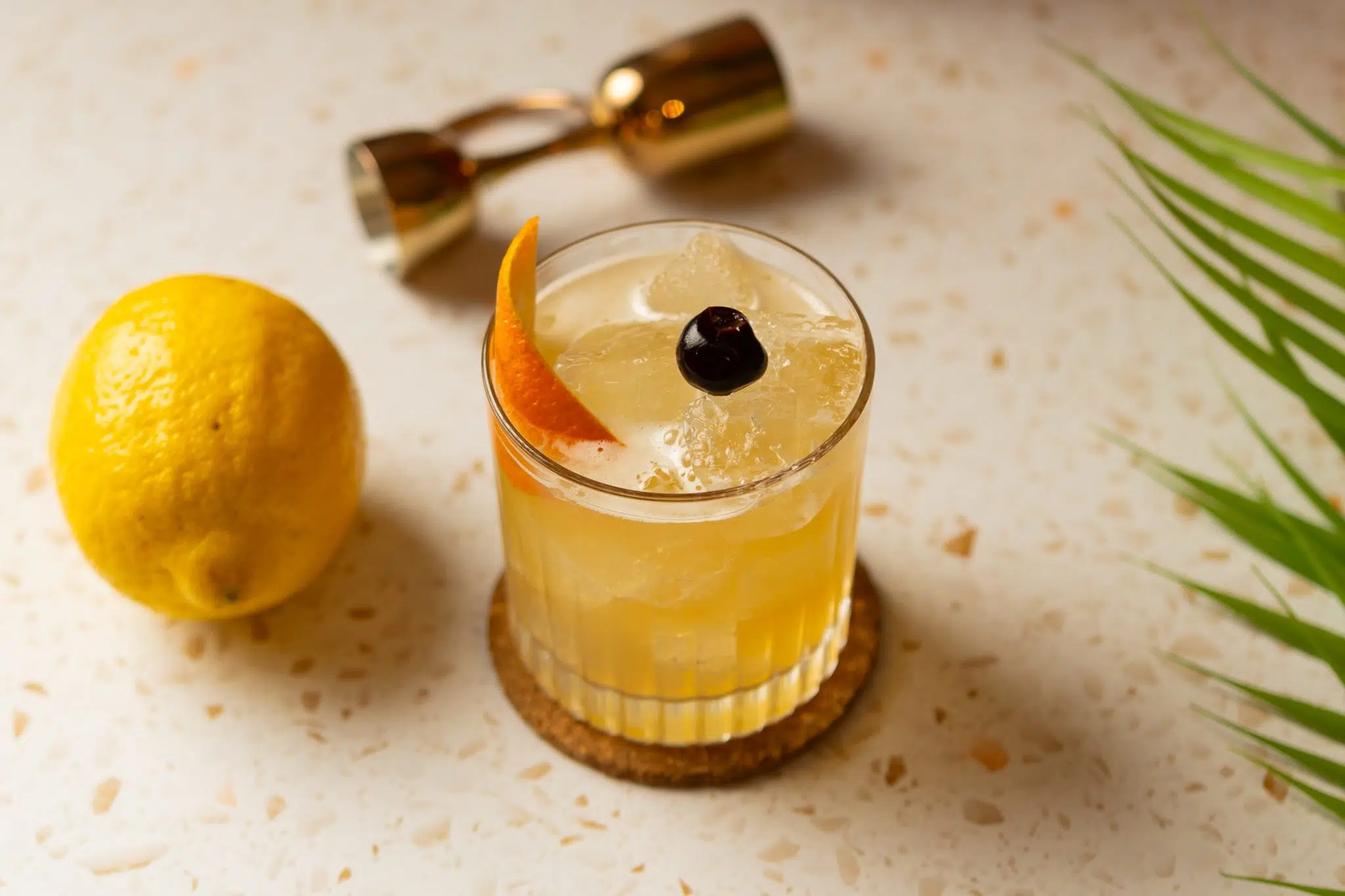
- Old Fashioned: An orange twist enhances the deep, rich flavors of the whiskey, while the oils add a slight sweetness.
- Negroni: A grapefruit or orange twist balances the bitterness of the Campari and the sweetness of sweet vermouth.
- Whiskey Sour: A lemon twist complements the sourness of the drink while adding a pop of color.
- Gin and Tonic: A lime twist adds a fresh, zesty flavor to the gin and tonic’s botanical notes.
Common Mistakes and How to Avoid Them
While making twists is fairly simple, there are a few common mistakes to watch out for.
Using Too Much Pith
The pith is the white part under the skin, and while a little is okay, too much can make your twist bitter. Stick to thin peels for the best results.
Dry Twists
If your twists are too dry, they won’t release enough oil. Always use fresh, juicy citrus fruits for the best flavor and aroma.
Messy Twists
A ragged or uneven twist can detract from the visual appeal of your drink. Take the time to trim your twists into neat, even strips or spirals for a more polished look.
Conclusion: Master the Art of the Cocktail Twist
There you have it—a complete guide to making and using cocktail twists like a pro. Not only do they add flavor and aroma, but they also give your cocktails that polished, professional look that turns heads.
At drinksworld.com, we believe that every detail matters when crafting the perfect cocktail. So, grab your citrus and peeler, and start practicing your twists. With a little bit of flair and the right technique, you’ll be garnishing your drinks like a seasoned mixologist in no time.