Green Chartreuse—the king of liqueurs—is possibly the most popular herbal liqueur in the world.
It was in the early 2000s, when the craft cocktail movement was taking over the bar scene, that the popularity of Green Chartreuse began to grow. Perhaps it was due to the fascinating history of the herbal elixir or simply the fact it tastes amazing and pairs well with many ingredients.

Fast forward 20 years to the global pandemic times when everyone became a home bartender and the demand for the bright green liqueur exploded. Today, everyone in the know is sourcing bottles at every opportunity amidst the fear of limited availability due to a production cap.
The Carthusian monks from France that produce this elusive elixir have systematically refused to increase production to meet the high demand. In 2021, they chose to cap the production of Green and Yellow Chartreuse to limit their environmental impact.
It is said they only make 1.6 million bottles a year. Their aim is to do less, but better—and for longer. After all, their main focus is on prayer and life in solitude, not being distillers and to meet the demand of us drinkers.
Learn more: Chartreuse Substitutes
The origin of Green Chartreuse
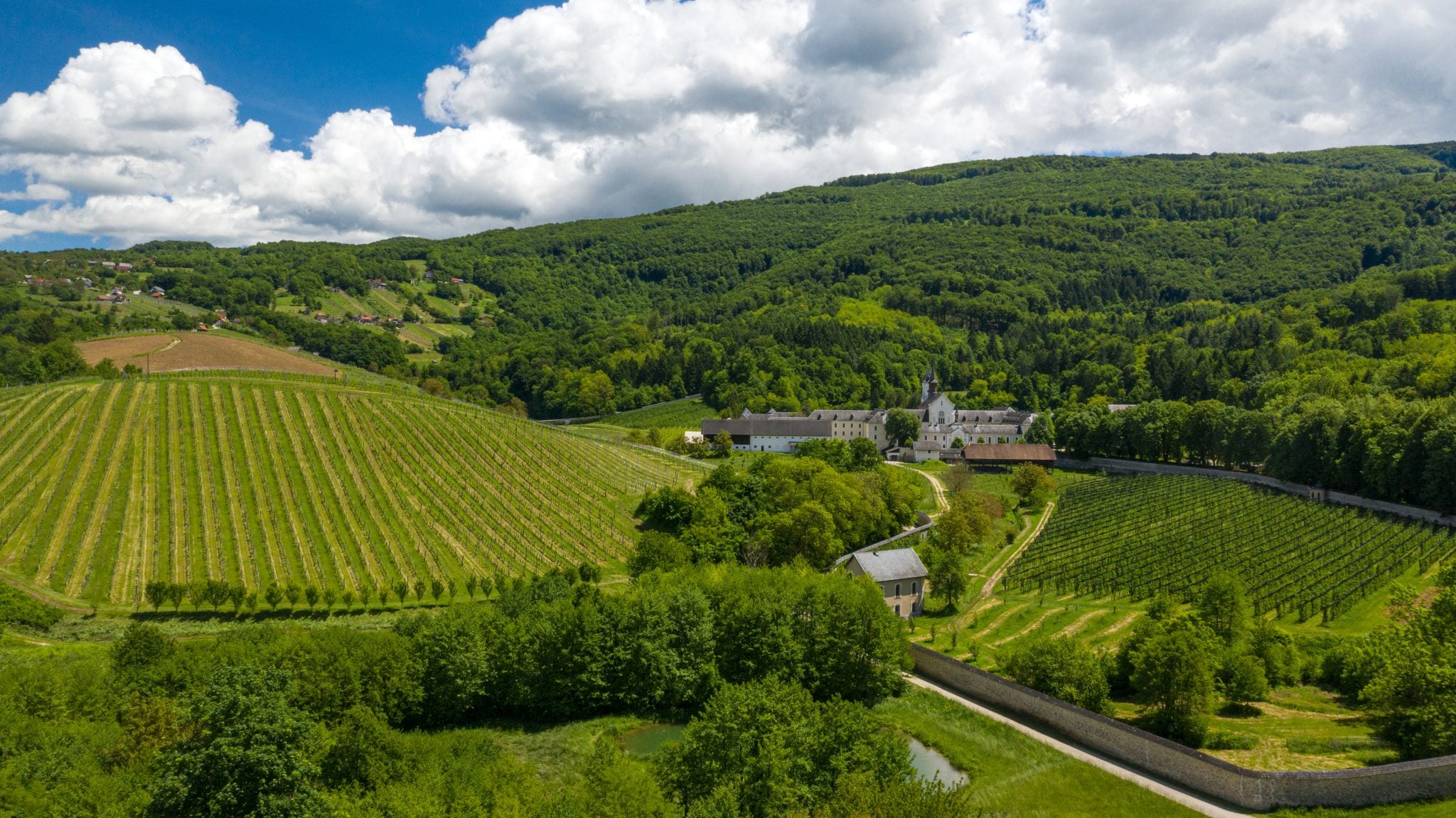
In 1605, the Chartreuse monastery in a small suburb of Paris received an ancient text containing the details for an “Elixir of Long Life.”
It is believed to be the work of a 16th-century alchemist with exceptional skills and knowledge of botanicals. Unfortunately, the monks weren’t as skilful, and the recipe for the herbal tonic was not fully developed until the 18th century, when the text was sent to a monastery in the mountains, La Grande Chartreuse.
Their apothecary was finally able to formulate the method for the elixir. Even today, it is made only by the Chartreuse monks using the same traditional recipe—a testament to its high caliber.
The elixir was a success and so flavoursome that people were drinking it for pleasure rather than using it for medicinal purposes.
As a result, in 1840, the recipe was adapted by lowering the alcohol by volume to 55% (down from 69%), creating the Green Chartreuse we know today. They also make a sweeter, milder form of the elixir, known as Yellow Chartreuse, bottled at 43% ABV.
But this liqueur is not without its hurdles. On a few occasions throughout the course of history, the monks had to stop production or move it to Spain. The French government nationalised the distillery and sold the trademark to another distilling company, who tried (unsuccessfully) recreate the recipe.
At one point, they even lost the rights to the recipe, but eventually regained ownership and continued production at their mountain distillery. We should all count our blessings.
What is in the recipe?
Only two Chartreuse monks actually know all 130 plants, flowers, roots and herbs used in the recipe, how to blend them and how to produce the exceptional green (or yellow) colour.
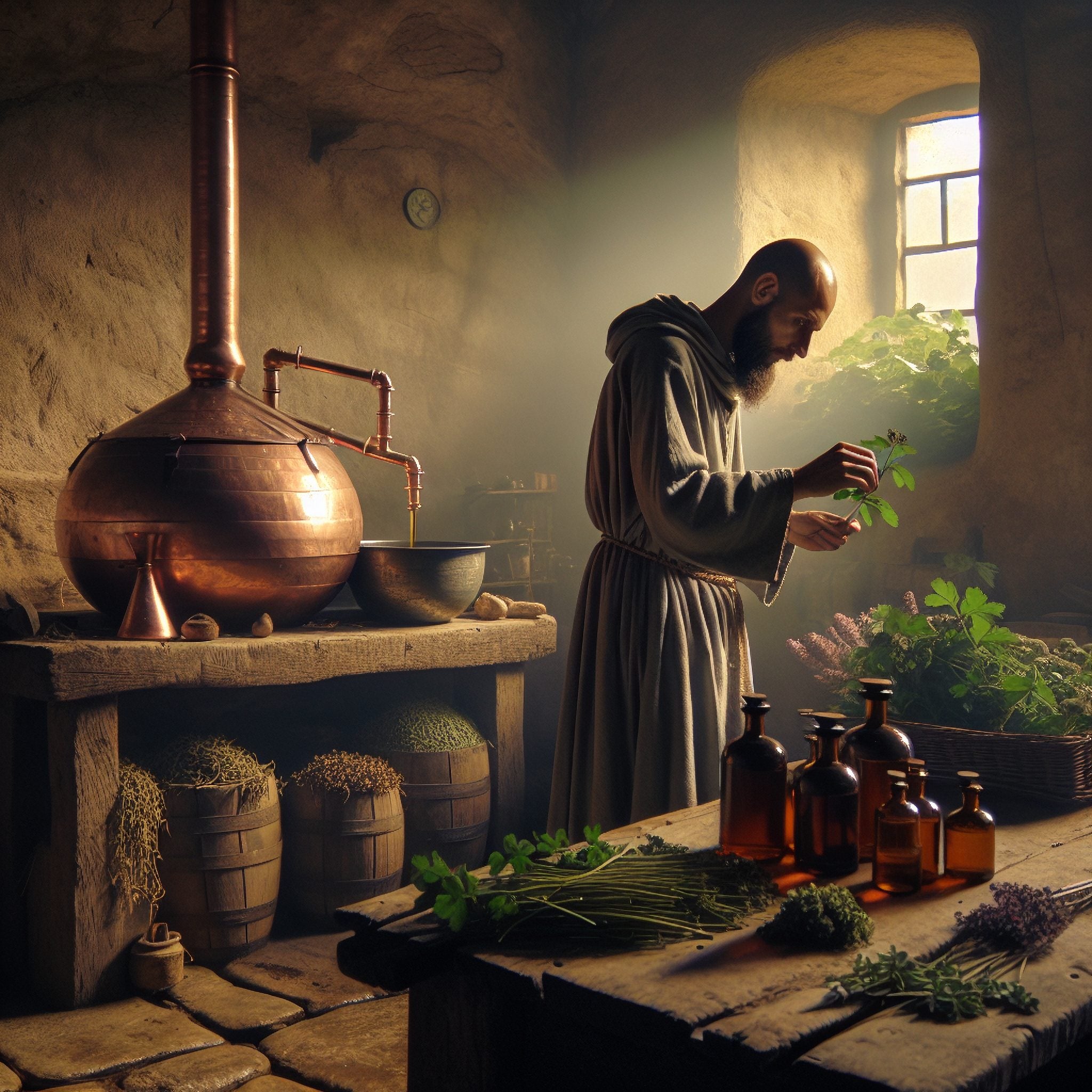
These are the same botanicals used in the original text. The herbs and plants are dried, crushed and mixed in a special herb room at the monastery. They are divided into specific groups and stored in numbered bags. The bags are then delivered to the nearby distillery.
The content of each bag is macerated in the base spirit before distillation. The neutral spirit used for Green Chartreuse comes from sugar beet, while Yellow Chartreuse is made using a grape distillate.
Finally, the liqueur is left to age in oak casks for several years. The same two monks also supervise the ageing process. They test the flavour and decide when it is ready for bottling.
Green Chartreuse actually improves in the bottle, so you shouldn’t rush to finish it. Of course, over time there are some changes in flavour with a part of the botanicals becoming more mellow, while the others intensify. This doesn’t necessarily mean the palate changes for the worse.
The flavour profile is a complex bouquet of sweet, earthy, and floral notes. You can pick up some familiar flavours, such as mint, rosemary, thyme, cinnamon, anise and citrus, although we can never really be sure what is in the recipe.
How to serve it?
Next time you reach for an Amaro after a meal, choose Green Chartreuse instead. It is traditionally sipped chilled or on the rocks, and the many botanicals lend themselves to digestive purposes.

The wide array of flavours makes Green Chartreuse a versatile ingredient for many liqueur cocktails. It pairs well with most spirits, anything from gin to cognac to (my personal favourite) tequila.
Some of the most popular recipes are from the pre-Prohibition era, such as Last Word, which is made with equal parts of gin, fresh lime juice, Maraschino Liqueur and Green Chartreuse. Then there’s Bijou, made with gin, sweet vermouth and Green Chrartreuse, almost like a Negroni.
The Champs-Élysees cocktail comes from the Prohibition era, and it is basically a take on the Sidecar with Green Chartreuse instead of an orange liqueur. Or try a modern classic, Chartreuse Swizzlee, made with Velvet Falernum, pineapple juice, lime juice and, of course, a hefty measure of the green elixir.