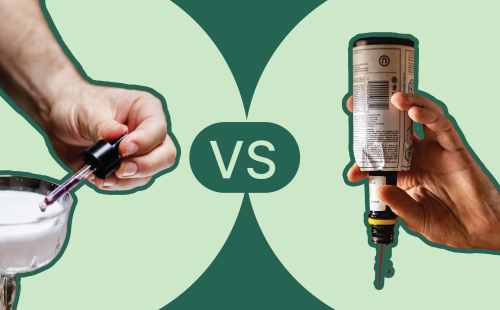

For both seasoned bartenders and home mixologists, nailing the bitters can make all the difference. You’ve likely seen recipes call for a ‘dash’ of bitters—but what’s the difference between a drop and a dash, and why does it matter? The answer is subtle yet crucial.
The difference is that a dash is 6-10 drops, while a drop is just a single, precise amount.
A dash, typically added with a quick shake of the bottle, is used in classic cocktails like the Old Fashioned for bold flavors. A drop, delivered via a dropper, is ideal for modern cocktails where subtlety and control are key.
A typical 4-ounce bottle of bitters contains approximately 150-250 dashes.
The Role of Bitters in Cocktails
Bitters add balance, depth, and aroma to cocktails. Using the right amount is crucial; too little, and the drink feels flat; too much, and it’s overpowering. Bitters are often compared to seasonings, like salt and pepper, in food
Take a classic Old Fashioned or Manhattan—without a dash of bitters, these drinks lose their distinct taste. Bitters enhance sweetness from sugar or vermouth and mellow the intensity of the spirit, bringing everything together.
What is a Dash of Bitters?
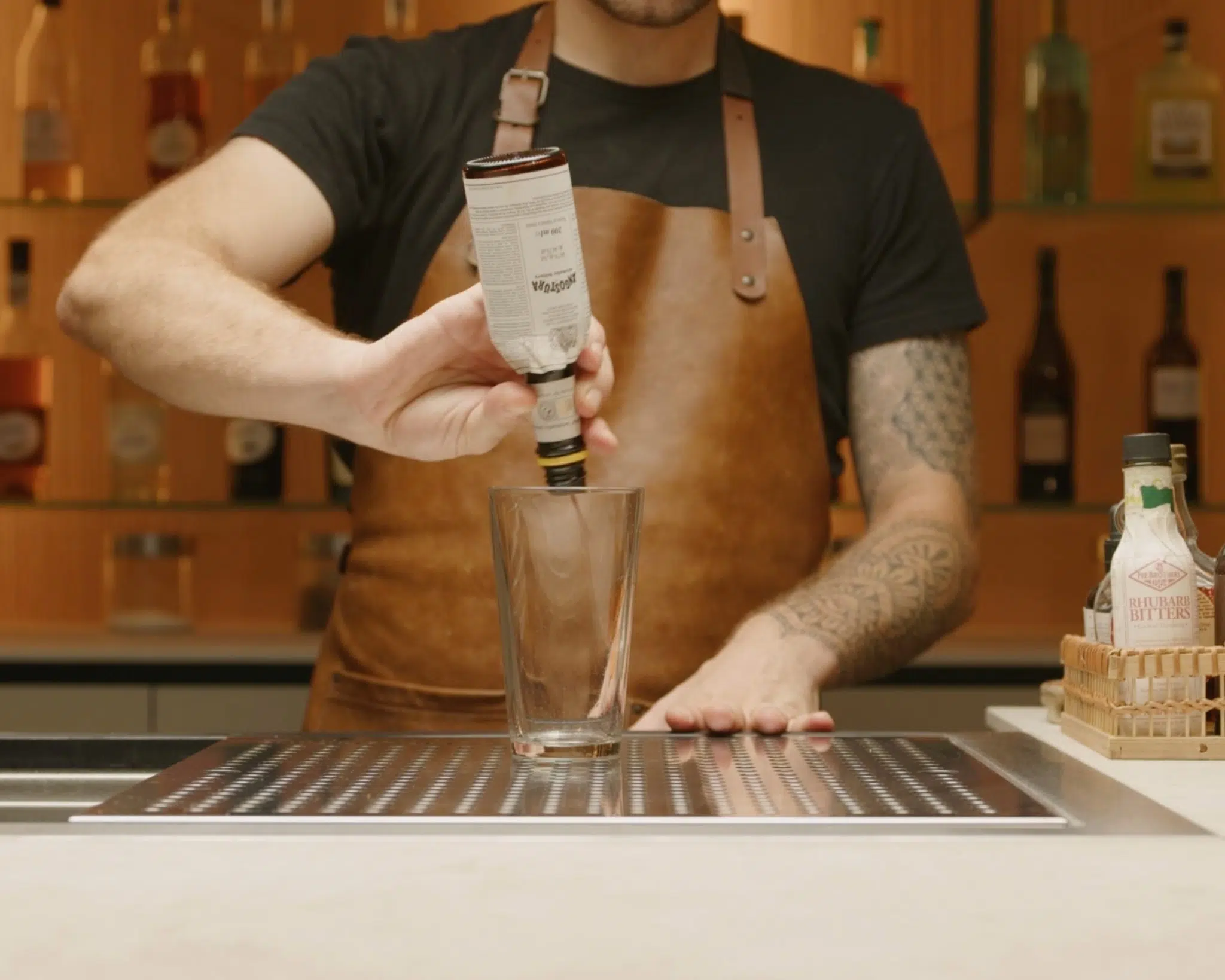
A dash of bitters is a quick shake from a standard bitters bottle with a built-in dasher cap (that small plastic piece that controls the flow). Depending on the bottle and how hard you shake, a dash usually contains 6 to 10 drops of bitters, which is equivalent to 1/32 oz or just over 1/8 tsp. But, different brands have different dasher sizes, so not all dashes are created equal.
What is a Drop of Bitters?
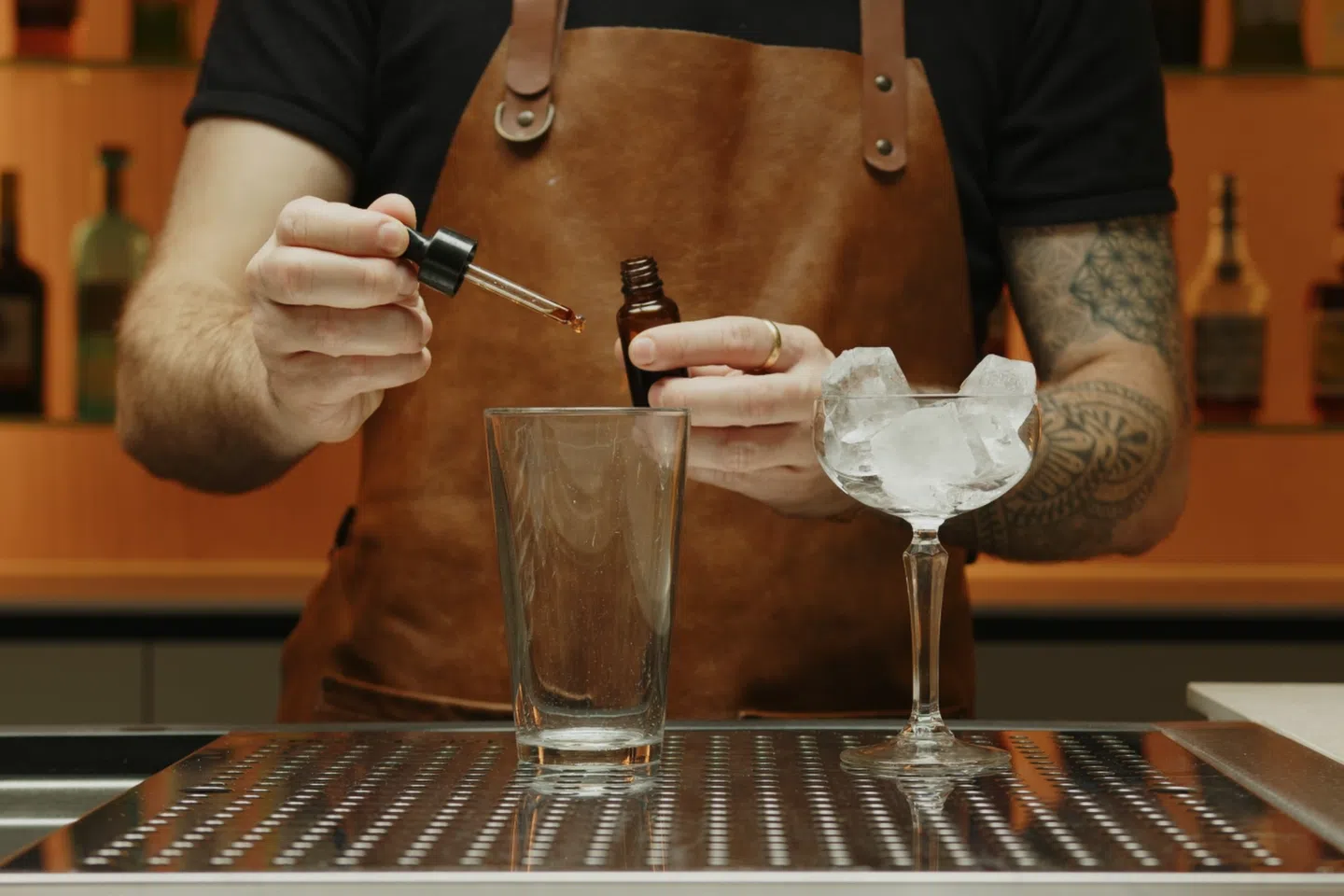
A drop is much more precise than a dash, and as the name suggests, it’s just a tiny amount: a drop is about 1/10th of a milliliter of bitters. Drops are perfect for drinks where a dash would be too much, and subtlety is key.
Drops vs. Dashes: When to Use Each
Now that we know what a dash and a drop are, let’s look at when to use them. Each has a role in cocktails, adding flavor in different ways.
Classic Cocktails and Dashes
Dashes work well in classic cocktails like the Old Fashioned, Manhattan, or Whiskey Sour. These strong, spirit-forward drinks benefit from the boldness of multiple dashes.
- Old Fashioned typically calls for 2-3 dashes of bitters. The bitters balance the sweetness and enhance the whiskey’s depth.
- Manhattan: In a Manhattan, a couple of dashes of Angostura bitters bring together the richness of the rye or bourbon and the sweetness of the vermouth, creating a balanced, complex drink.
Modern Cocktails and Drops
Modern cocktails often use drops for precision. With layered flavors, a full dash could overpower delicate ingredients, so drops add subtlety.
- Martini Variations: A gin martini might need just one or two drops of orange bitters to add complexity without overpowering the gin’s botanicals.
- Craft Cocktails: In a modern, lighter cocktail with floral or fruit notes, a dropper lets you add just a few drops of bitters to enhance flavors without making it too bitter or intense.
Measuring and Controlling Bitters
Now that you know when to use a dash and when to use a drop, how do you control the amount? Let’s talk about tools and techniques.
Measuring a Dash
Most bitters bottles come with a built-in dasher cap, and a standard “dash” is the amount that comes out when you give the bottle a firm shake. But here’s the thing: different bottles and brands dispense different amounts, so consistency can be tricky. For example:
- A bottle of Angostura bitters might give you 8 drops per dash.
- A bottle of Peychaud’s bitters might give you 6 drops per dash.
- A bottle with a larger dasher could give you closer to 10 drops per dash.
The best way to get consistent dashes? Practice. Pour a few test dashes into a glass or a jigger and count the drops. This will give you a sense of how your bitters bottle performs.
Measuring a Drop
For precision, you’ll want to use a dropper. Some bitters come with droppers built in, but if yours doesn’t, you can transfer the bitters to a dropper bottle for more control. A dropper bottle allows you to dispense single drops of bitters, which is essential for modern cocktails where too much could throw off the balance.
Pro Tip: When using a dropper, one full squeeze typically equals about 20-25 drops. So if a recipe calls for a dash but you only have a dropper bottle, 6-10 drops should be a good equivalent.
Want to knowmore about measuring?
- Calculate batch sizes to batch cocktails
- How Many Ounces Are in a Shot Glass
- Liquor Bottle Sizes
- Wine Bottle Sizes
How Much is Too Much? Managing Bitters in Cocktails
Bitters are highly concentrated, so using too much can overwhelm a cocktail with bitterness or overpowering aromas. Here’s how to find the right balance:
Avoid Over-Dashing
Stick to 1-3 dashes of bitters per cocktail. Using more can overshadow other flavors. A Manhattan or Old Fashioned may tolerate more bitters, while a Martini benefits from fewer.
Fixing an Over-Bittered Drink
If you add too many bitters, balance it by incorporating a touch more sugar, syrup, or water to mellow the bitterness. Adjust sparingly to avoid diluting the drink.
Beyond Cocktails: Creative Uses for Bitters
Bitters aren’t just for cocktails! You can also use drops or dashes of bitters in:
- Non-Alcoholic Drinks: Add a drop or two of bitters to club soda or lemonade for a grown-up twist on a non-alcoholic beverage.
- Culinary Creations: Use bitters in cooking to add complexity to sauces, marinades, or even desserts.
Conclusion: Mastering the Dash and Drop
Using bitters is a key part of becoming a great mixologist. Whether you’re using bold dashes in classic cocktails or precise drops in modern creations, the difference between a dash and a drop can take your drinks to the next level.
So next time you’re mixing up a drink at home, think about what you’re trying to achieve. A dash for bold flavor, or a drop for subtlety? With the right approach, bitters will become one of your best tools in crafting perfectly balanced, flavorful drinks.