Cocktails have long been the life of the party, but mocktails have been quietly making their waves. Some people love the complexity of a well-crafted cocktail, while others might prefer the freshness of a non-alcoholic mocktail. But what exactly sets these two apart? And why should we care about knowing the difference?
The main difference between a cocktail and a mocktail is that a cocktail contains alcohol and is typically made with spirits like vodka, gin, or rum, while a mocktail is completely alcohol-free and relies on ingredients like juices, sodas, and syrups to create similar flavors without the booze.
Read further to learn what they are, how they differ, and why both deserve a spot in your drink rotation.
What is a Cocktail?
First, let’s talk cocktails. A cocktail is a mixed drink that contains alcohol. It typically includes a base spirit (like vodka, rum, gin, whiskey, or tequila), a mixer (juice, soda, tonic, etc.), and flavor enhancers like syrups, bitters, or liqueurs.

A Quick History Lesson
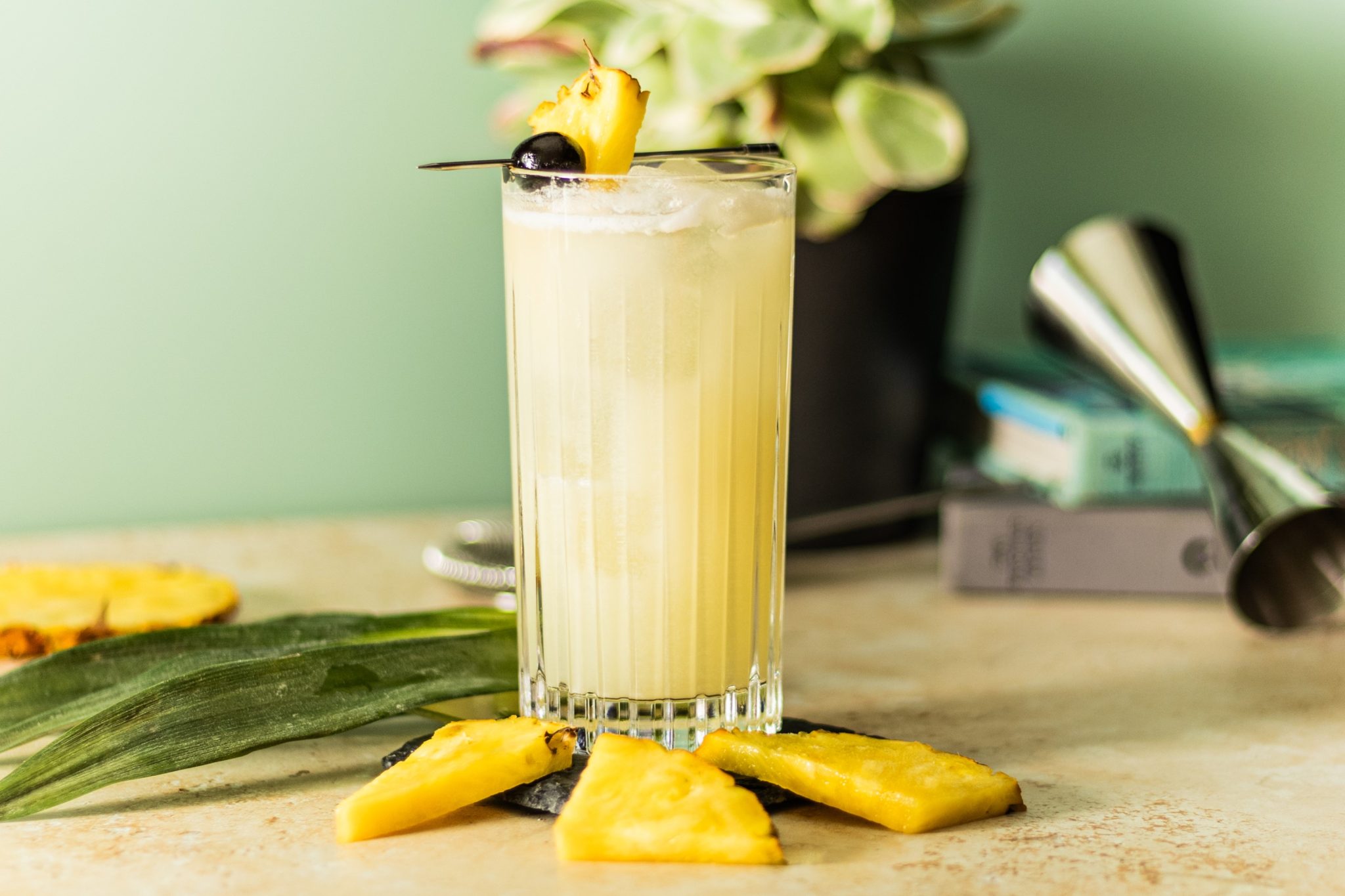
Cocktails have been around for centuries, with the first known usage of the term dating back to the early 1800s. Back then, cocktails were a simple mix of spirits, sugar, water, and bitters. Over time, bartenders began experimenting, adding ingredients like citrus, herbs, and liqueurs, and turning cocktail-making into an art form. Today, cocktails come in all shapes and sizes, from simple classics like the Old Fashioned to elaborate, multi-layered drinks like a Pina Colada or Mai Tai.
Common Cocktail Ingredients
- Spirits: The base of any cocktail. Common spirits include vodka, gin, rum, whiskey, and tequila.
- Mixers: These help balance out the strong flavors of the alcohol. Think soda, tonic water, juices, or even cream.
- Syrups & Sweeteners: Simple syrup, honey, or agave add sweetness, liqueurs donate different flavor profiles, while bitters and herbs like mint or rosemary add complexity.
- Garnishes: Lemon twists, olives, cherries, or fresh herbs finish off the presentation and add a final layer of flavor.
Why We Love Cocktails
Cocktails are all about creativity. The right mix of flavors, aromas, and presentation makes a cocktail more than just a drink—it’s an experience. Whether you’re sipping on a classic martini or trying out a bartender’s latest creation, there’s always something exciting about a cocktail.
What is a Mocktail?
A mocktail is a non-alcoholic beverage designed to mimic the taste, presentation, and experience of a cocktail.
These drinks contain all the same creativity, flavors, and artistry as cocktails but without the buzz. The word “mocktail” is a blend of “mock” (meaning imitation) and “cocktail,” signaling that it’s a drink that mimics a cocktail’s experience minus the booze.
The Rise of the Mocktail
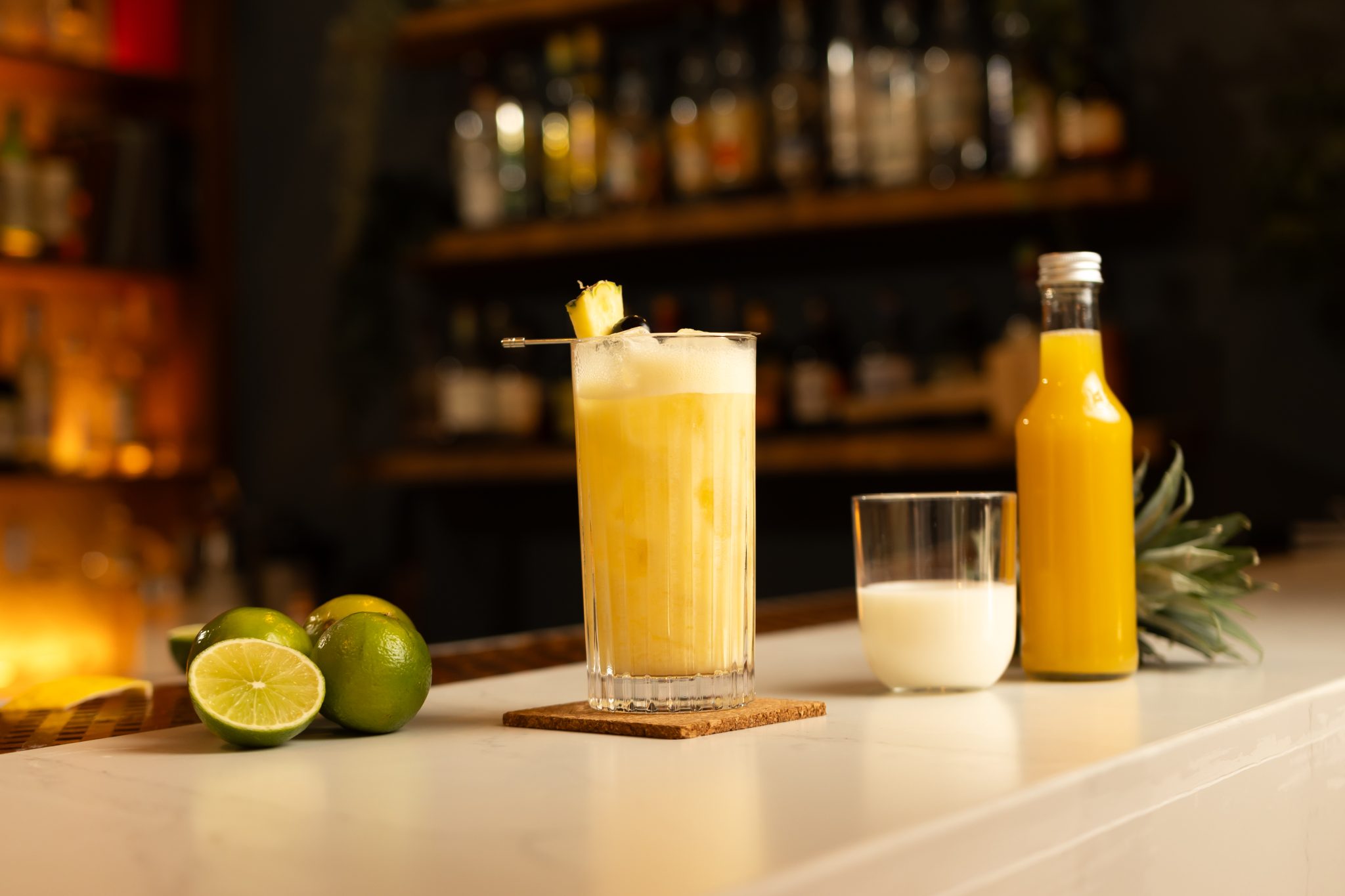
Mocktails have gained a lot of popularity in recent years. As people have become more health-conscious and mindful about their alcohol consumption, the demand for non-alcoholic options has skyrocketed. Bars and restaurants have responded by creating mocktail menus just as inventive and exciting as their cocktail offerings.
Common Mocktail Ingredients
- Juices: Freshly squeezed fruit juices like orange, lemon, lime, and cranberry add brightness and body.
- Herbs and Spices: Just like in cocktails, mint, basil, and even spices like cinnamon can elevate the flavor profile of a mocktail.
- Sodas and Sparkling Water: Carbonated mixers add bubbles and lightness.
- Syrups: Whether it’s a classic simple syrup, flavored syrups like lavender or ginger, or even honey and agave, mocktails use these for sweetness and balance.
- Garnishes: Mocktails are often dressed up with the same garnishes you’d find on cocktails—think fruit wedges, herbs, and fancy twists.
The new era of Mocktails
Today the rise of non-alcoholic spirits has become a significant trend in the beverage industry, reflecting changing consumer preferences towards healthier and more mindful drinking habits.
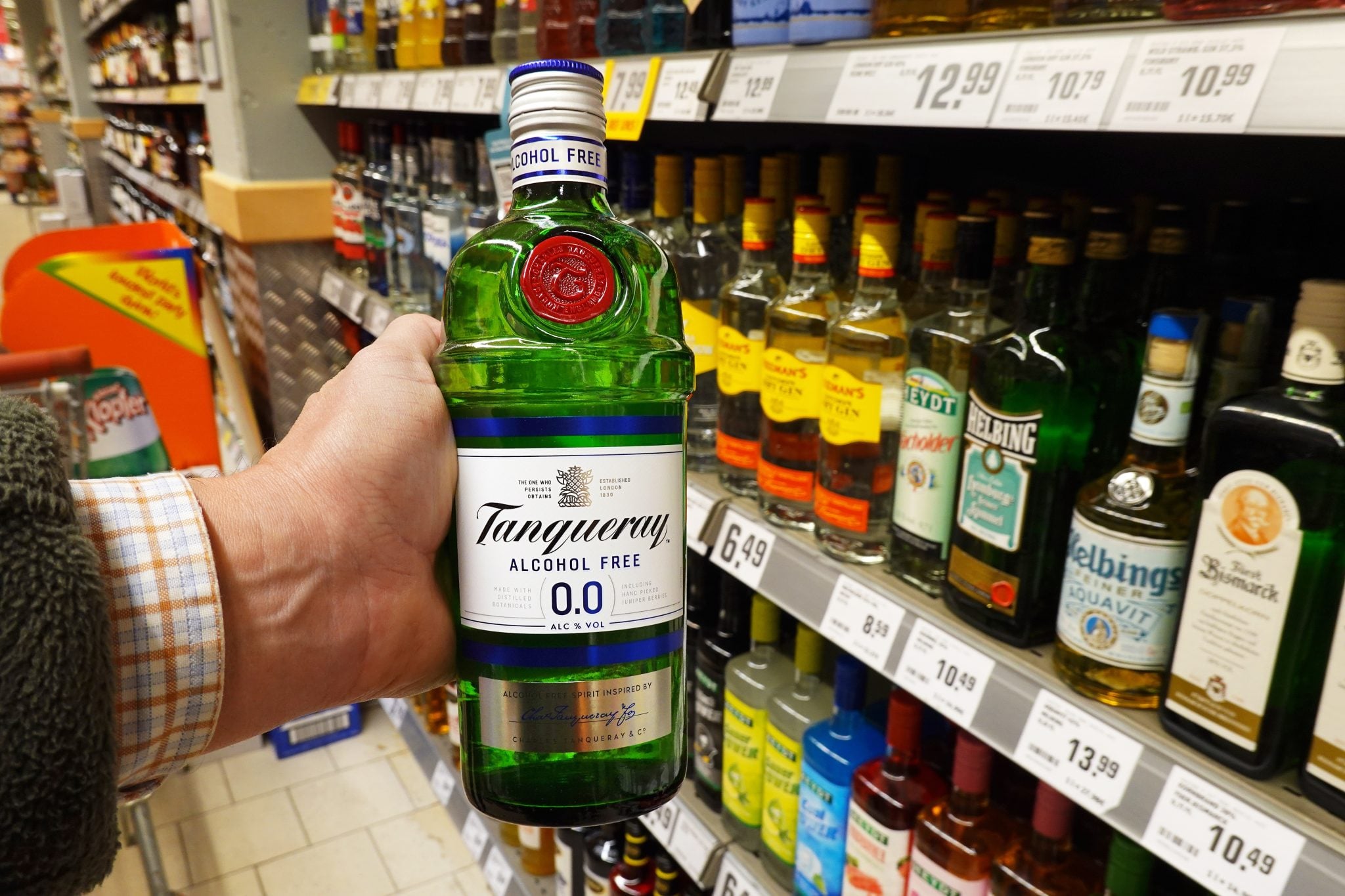
Some key tendencies in this area
- Flavor Innovation: Non-alcoholic spirit producers are focusing on creating complex and sophisticated flavors that can stand up to traditional spirits. This involves using a variety of botanical ingredients, herbs, and spices to mimic the depth and character of alcoholic beverages.
- Diverse Offerings: There’s a growing variety of non-alcoholic spirits available in the market, including gin, whiskey, rum, and tequila alternatives. This diversity allows consumers to enjoy a broader range of cocktails tailored to their preferences without alcohol.
- Mixology and Craft Cocktails: The craft cocktail movement has embraced non-alcoholic spirits, leading to creative mocktail recipes that appeal to both non-drinkers and those looking to reduce their alcohol intake.
Why We Love Mocktails
Mocktails are the perfect solution for when you want a beautiful, delicious drink without the alcohol. They’re refreshing, customizable, and ideal for any occasion—whether you’re skipping alcohol for health reasons, enjoying a family-friendly event, or simply want a break from drinking.

Cocktail vs. Mocktail: The Key Differences
Now that we’ve covered the basics, let’s dig into what really sets cocktails and mocktails apart. Yes, the biggest difference is the alcohol content, but there’s more to it than just that.
- Alcohol Content
This is the most obvious difference. Cocktails are defined by the presence of alcohol, while mocktails are entirely alcohol-free. The base of a cocktail is typically a spirit, like gin, vodka, or whiskey. On the other hand, a mocktail replaces that with juice, soda, or flavored water as its base.
- Flavor Profiles
Alcohol adds depth and complexity to a drink. A well-made cocktail balances the sharpness of the spirit with the sweetness of syrups and the tang of citrus. The alcohol itself can bring out subtle flavors in herbs, bitters, or mixers.
Mocktails, without alcohol, tend to have lighter, brighter flavor profiles. The absence of alcohol means mocktails often rely on fresh ingredients like fruits, herbs, and spices to build their layers of flavor. They’re refreshing, often slightly sweeter, and less complex than cocktails but still pack a punch when done right.
- Social and Cultural Context
Cocktails are often associated with celebratory or social events. Happy hour, weddings, dinner parties—cocktails are the go-to drink for such occasions. Meanwhile, mocktails have emerged as an alternative for those who want to participate in the social ritual of “cheers” without the alcohol.
Mocktails are becoming increasingly popular at these events, ensuring that non-drinkers feel included and can enjoy a sophisticated drink without having to settle for plain water or soda.
- Health and Wellness Considerations
There’s no denying that cocktails come with calories—often from both the alcohol and the mixers. On the other hand, mocktails can be crafted to be healthier. By using fresh fruit, herbs, and sugar alternatives, you can create a mocktail that’s not only alcohol-free but lower in calories, too.
With the rise of the wellness movement, mocktails have found their place in many people’s drink rotation. From detox-friendly drinks to sugar-free alternatives, there’s a mocktail for every dietary preference.
The Rise of Mocktails: Why They Matter
Mocktails are more than just a non-alcoholic substitute—they’re becoming a movement in their own right. As more people choose to reduce or eliminate alcohol from their diets, the demand for creative, delicious mocktails has grown. The “sober-curious” movement encourages mindful drinking and pushes bars, restaurants, and even casual gatherings to offer more thoughtful and exciting mocktail options.
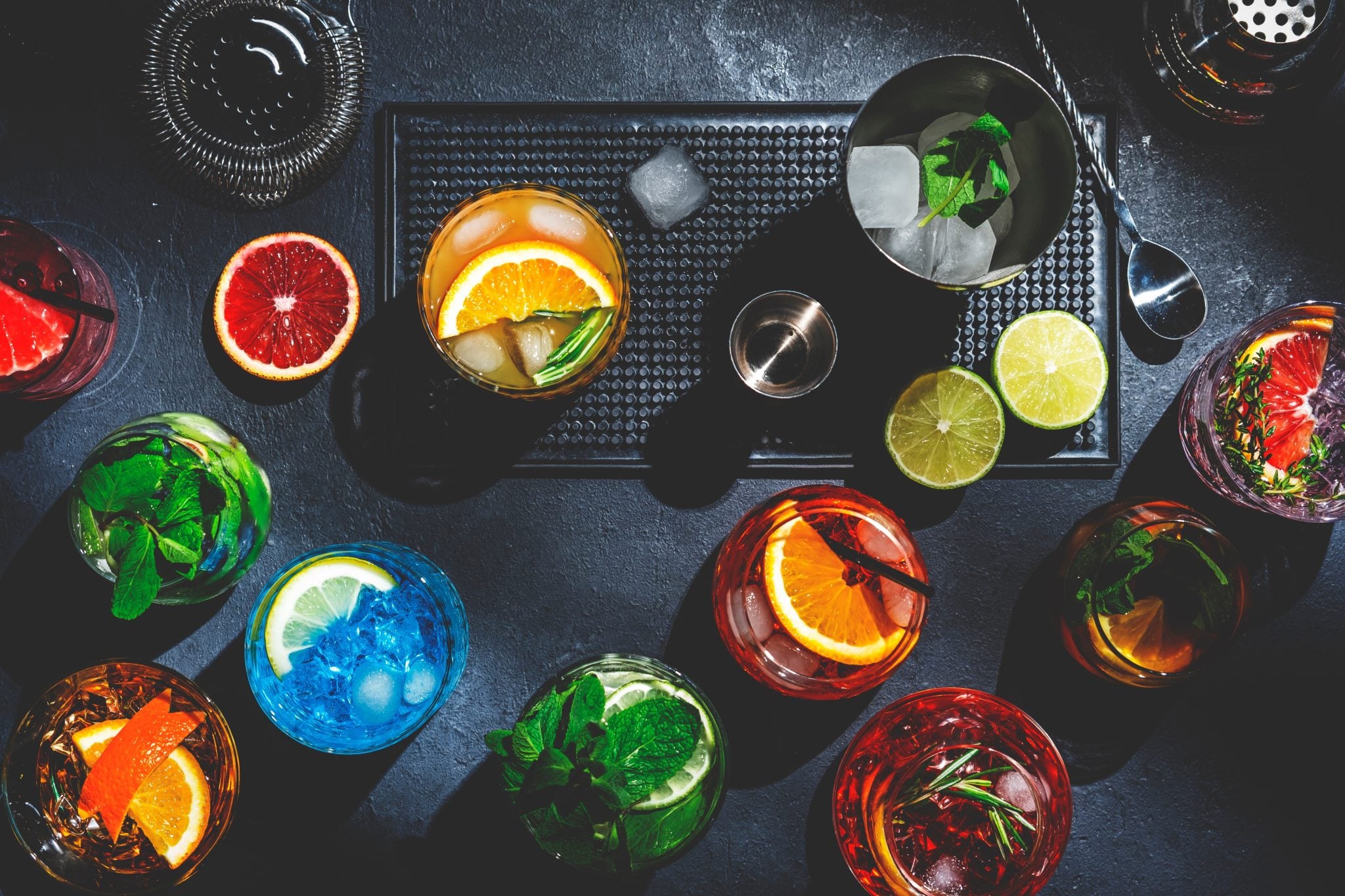
Mocktails provide an inclusive option for those who don’t drink alcohol but still want to enjoy the experience of a well-crafted drink. Plus, they’re perfect for family-friendly events, designated drivers, and health-conscious individuals.
Popular Cocktail and Mocktail Recipes
Let’s take a look at some classic cocktails and their mocktail counterparts:
- Mojito: This refreshing cocktail made with rum, mint, lime, and soda water can easily be transformed into a Virgin Mojito by omitting the rum, it will still embody the essence of summer.
- Margarita: The tart and tangy Margarita can be made alcohol-free by using lime juice, agave syrup, and a touch of orange juice for a Virgin Margarita.
- Pina Colada: The tropical flavors of coconut and pineapple shine in a Pina Colada, but a Virgin Pina Colada made with coconut milk and pineapple juice is just as creamy and delicious.