At Drinksworld.com, we love exploring the stories behind the drinks we enjoy. Cocktails are so much more than just a mix of spirits and flavors—they come with history, tradition, and a bit of mystery. One thing we’ve all wondered at some point is: why is a cocktail called a cocktail? It’s such a strange word when you think about it. What do mixed drinks have to do with a rooster’s tail or horses?
The origin of the word “cocktail” is filled with interesting stories, theories, and a dash of folklore. From royal Aztec servers to English racehorses, the journey of the cocktail’s name is as fascinating as the drink itself.
What is a Cocktail, Really?
Before we dive into the history, let’s talk about what a cocktail is. Today, we use the word to describe almost any mixed drink—whether it’s an Old Fashioned, Margarita, or Martini. But in the early days, cocktails had a more specific definition.
The first time the word “cocktail” was defined in print was in the Balance and Columbian Repository, a New York newspaper, on May 13, 1806. The editor described a cocktail as “a stimulating liquor, composed of spirits of any kind, sugar, water, and bitters.” In other words, it’s a simple combination of ingredients designed to balance out the strong flavor of the alcohol.
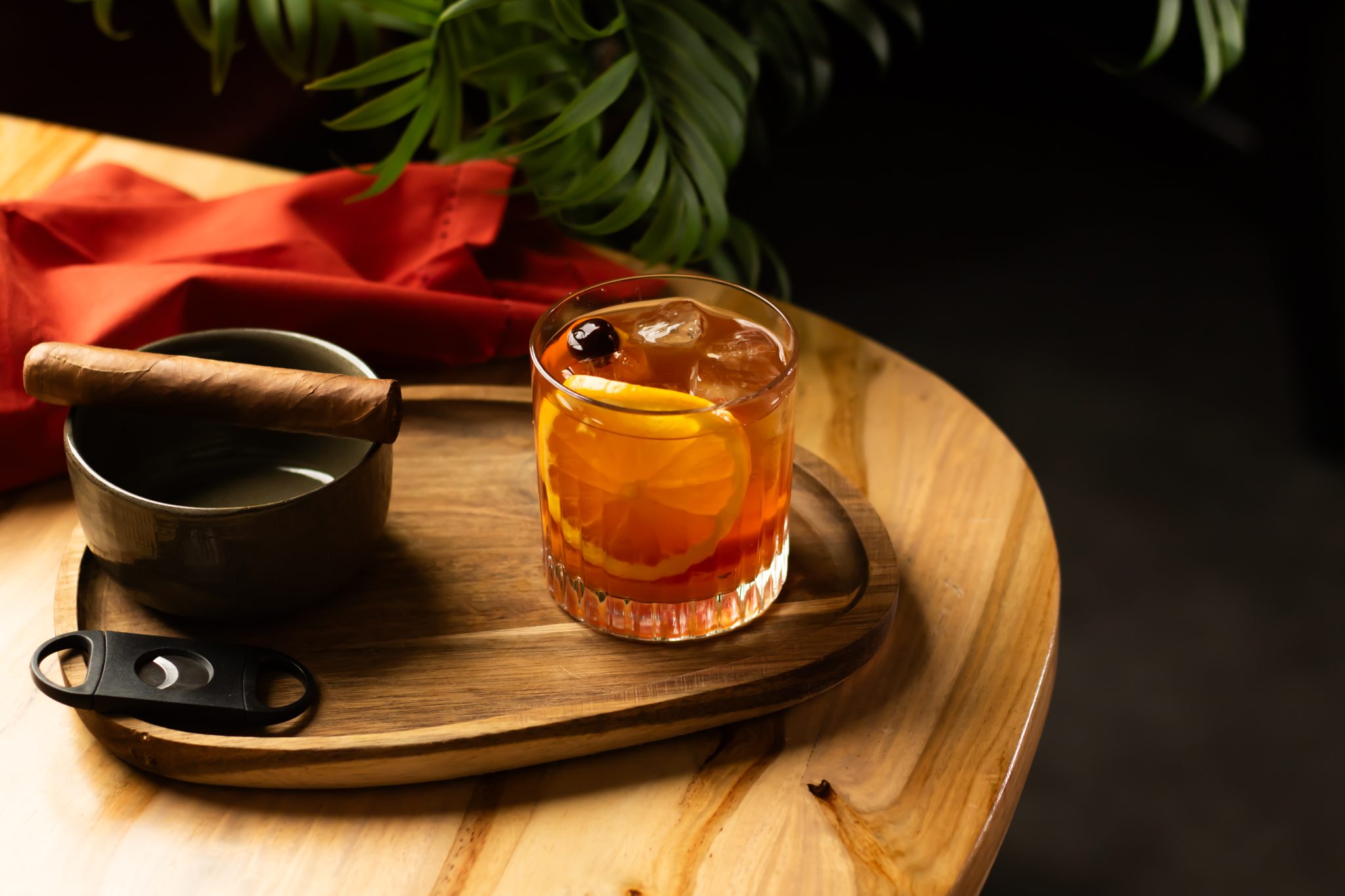
That definition may sound familiar because it’s the foundation of classics like the Old Fashioned, a drink that remains a standard bearer for cocktails everywhere.
Origins: Theories Behind the Name “Cocktail”
The fun part about the word “cocktail” is that no one knows for sure where it came from. Over the years, various theories have tried to explain its origins. Some are rooted in historical records, while others lean toward the imagination. Let’s explore a few of the most popular ones.
The Aztec Princess Theory
One fascinating theory suggests that the word “cocktail” comes from Xochitl, an Aztec princess who is said to have served a mixed drink to one of her guests. According to legend, her name—which means “flower” in the Nahuatl language—was associated with the drink she prepared, and over time, this was adapted into the word “cocktail.”
While there isn’t much concrete evidence to back this up, it’s a fun story that connects cocktails to ancient Mesoamerican culture. Plus, who wouldn’t want to believe that the original cocktail was served by a royal host in a palace?
The English Horse Racing Theory
According to the Oxford English Dictionary, the word “cocktail” was originally used to describe a mixed-breed racehorse. In the late 18th century, horses that were not purebred were referred to as “cocktails.” These horses often had their tails docked or “cocked,” giving them a distinctive look.
Somehow, this term for a mixed-breed horse made its way into the world of drinks, where it was used to describe a mixed drink. Just like these horses were a blend of different breeds, a cocktail became the word for a blend of different ingredients. This theory gives us a practical and easy-to-understand origin: the “cocktail” is simply a mixed drink, like a mixed horse.
The “Cola de Gallo” (Cock’s Tail) Theory
There’s another interesting theory that links cocktails to English sailors in Mexico. As the story goes, these sailors were introduced to drinks made with a plant called “cola de gallo,” which translates to “cock’s tail” in English. The plant was reportedly used to make mixed drinks, and over time, the term “cock’s tail” evolved into “cocktail.”
This theory gives us a direct linguistic connection, and it’s easy to imagine how the name stuck. After all, the vivid, colorful appearance of some cocktails could easily bring to mind the image of a rooster’s tail!
The First “Cocktail Day”
Here’s a fun fact: we officially celebrate World Cocktail Day on May 13th, and this date is no coincidence. It marks the anniversary of the first time the word “cocktail” was defined in the Balance and Columbian Repository back in 1806. The editor’s explanation of the cocktail—a combination of spirits, water, sugar, and bitters—gave the drink its official status in history, and May 13th has since become a day to raise a glass to the world’s favorite mixed drink.

From Simple Concoction to Cultural Icon
Regardless of where the name comes from, one thing is certain: cocktails quickly became a symbol of social and cultural refinement. By the mid-19th century, cocktails were the drink of choice in American bars and taverns. Bartenders began to experiment with different ingredients and techniques, and the cocktail culture as we know it started to take shape.
Fast forward to the Prohibition Era in the 1920s, and cocktails took on a rebellious edge. Hidden in speakeasies and underground bars, people mixed spirits with all kinds of ingredients to mask the harsh taste of bootleg alcohol. This experimentation laid the foundation for many of the classic cocktails we enjoy today.
The Charm of the Cocktail
So, why do we love a good cocktail, beyond the flavors? Part of the charm is the history and the mystery behind it. Whether it’s an elegant Martini at a rooftop bar or a bold Old Fashioned in a cozy lounge, cocktails carry with them the stories of bartenders, cultures, and the people who have enjoyed them over the centuries.
The name itself—whether it came from a docked horse’s tail, a French egg cup, or the colorful feathers of a rooster—adds a layer of fascination. At the end of the day, what makes cocktails so beloved is their ability to bring people together, create memorable experiences, and let us savor the art of mixing drinks.