
Over the centuries, distilled alcohol has taken on many names—whiskey, vodka, gin, rum—but across cultures, one term keeps surfacing: “spirit.”
It’s a word rich with history, science, and a touch of mysticism.
The Etymology of “Spirit”
Alcohol is called “spirits” due to a blend of linguistic history and ancient perceptions of distillation.
The term comes from the Latin spiritus, meaning “breath” or “soul,” carrying connotations of life, energy, and essence. Early alchemists and distillers saw the distillation process as almost mystical, believing they were capturing the “spirit” or pure essence of a substance.
By distilling, they separated and concentrated the most potent part of a liquid, which they regarded as its “life force.”
This refined, powerful result became known as the “spirit” of the substance, and the term has been used ever since for distilled alcohols like vodka, gin, and whiskey.

We can already sense that this word has weight. It’s more than just a casual label; it’s rooted in the belief that through distillation, you’re unlocking something vital and transformative.
The Role of Alchemy and Ancient Science
Now, let’s take a journey back to the world of alchemy. Alchemists were the early scientists and philosophers of their time, and they believed that all materials contained a “spirit” or essence that could be drawn out. Distillation was one of their primary methods for extracting this essence.
In their minds, alcohol was one of the purest substances you could obtain through distillation. They believed it held a “life force,” something ethereal that could alter the human condition. Distilled alcohol wasn’t just a drink—it was the embodiment of transformation, turning something mundane into something extraordinary.
Even the tools used by alchemists—like the alembic—are still symbolically linked to the distillation of alcohol today. And the connection between this mystical process and the drink in your hand lives on in the word “spirit.”

Cultural and Religious Associations
Across ancient cultures, alcohol took on a role that was more than just recreational. Many civilizations used fermented beverages in religious and spiritual rituals. In ancient Greece, while distilled alcohol was not commonly available, wine was integral to offerings to the gods, and it was believed that consuming it allowed individuals to connect more closely with the divine.
Even in Christianity, alcohol—particularly wine—holds a significant spiritual meaning. While wine itself is not distilled, it laid the foundation for spirits to also carry mystical and sacred connotations. The term “spirit,” in this context, refers not only to the transformation of the liquid but also to the transformation of the drinker—elevating the soul, so to speak.
In other religions, distilled alcohol was used for purification rituals, seen as a way to cleanse the body and soul. This link between spirits and spirituality became deeply ingrained in many societies and continues to influence how we view alcohol today.
The Science of Distillation: Capturing the “Essence”
Let’s switch gears and get into the nitty-gritty of distillation. The basic idea is straightforward: heat a liquid, collect its vapor, and condense it back into a liquid. What you’re left with is a more concentrated and potent form of the original liquid—its “essence.”
In scientific terms, distillation separates components based on their boiling points. Water boils at 100°C (212°F), while alcohol boils at around 78°C (173°F). By controlling the temperature, you can capture the alcohol as it evaporates, leaving behind the water and impurities. This is why spirits are so much stronger than the fermented liquids they’re made from. You’re literally distilling it down to its purest, most potent form—the “spirit” of the liquid.
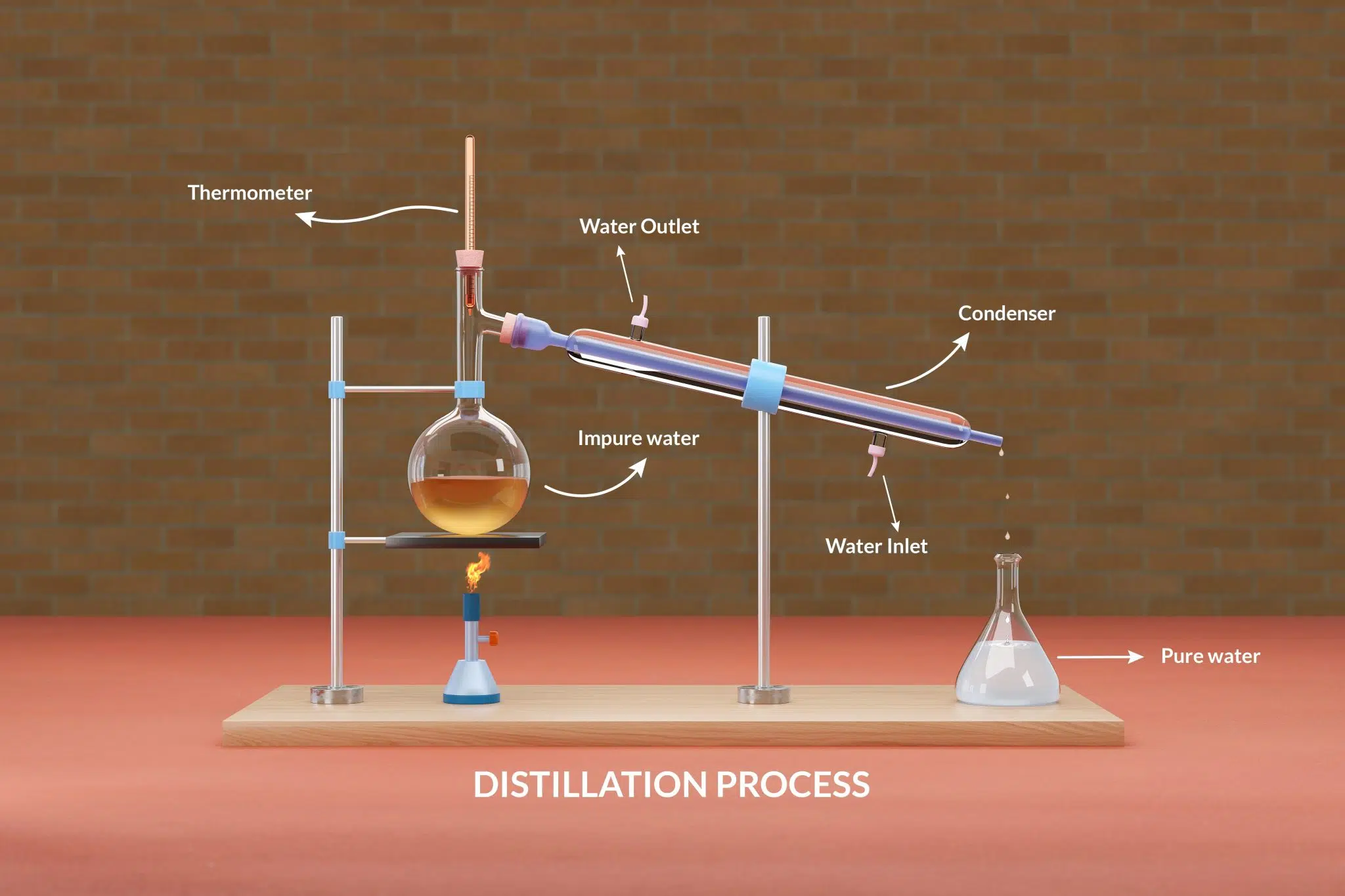
So scientifically speaking, when you distill alcohol, you’re isolating and capturing the very thing that gives the drink its kick. In a way, it’s like bottling up a little bit of the liquid’s soul.
Spirits in Medicine and Early Uses
Before spirits were the life of the party, they were often used for medicinal purposes. In the early days, spirits were believed to have healing properties. They were used to treat everything from digestive issues to infections and were often prescribed as tonics or elixirs.
Medieval monks, for example, were some of the first to distill alcohol in large quantities, and they did so for medicinal purposes. These early “medicinal spirits” were often infused with herbs and botanicals to enhance their healing properties. The strong belief that spirits could preserve health—and maybe even life itself—contributed to their association with vitality and soul.
So when we talk about spirits, we’re also talking about something that was once seen as a cure, a remedy, and a life-giving force. The term “spirit” reflects the connection between distilled alcohol and health.
Modern-Day Interpretation: The Spirit Lives On
Fast forward to today, and we still use the word “spirit” to describe distilled alcohol. While the mystical and medicinal connotations have faded, the term continues to evoke a sense of transformation and purity. The spirit of a liquid is still thought of as its most essential, powerful form, distilled down to perfection.
Now, it’s all about the craftsmanship behind your favorite whiskey, gin, or rum. Distillers pride themselves on capturing the true essence of their ingredients, carefully refining their spirits through the art of distillation. The term has come to symbolize quality and authenticity—qualities we still respect today.

Spirits Across Different Cultures
While ‘spirit’ is a global term, each culture has its own take on distilled alcohol. From the fiery warmth of whiskey in Ireland and Scotland, to the crisp vodka of Russia and Poland, and the tropical smoothness of Caribbean rum, every culture tells its own unique story through spirits.
For example:
- Whiskey is derived from the Gaelic term “uisce beatha,” which translates to “water of life.”
- Vodka comes from the Slavic word for water, “voda,” showing the significance of the liquid’s purity.
- Tequila and Mezcal are central to Mexican culture and traditions, often associated with spiritual rituals and celebrations.
Each culture’s connection to distilled alcohol is unique, yet the idea of distilling the “spirit” or essence of the liquid remains universal.
Learn More about Spirits and Liquors with our Drinksworld Guides
- Does Liquor Go Bad
- How to Store Liquor and Spirits
- Types of Alcohol and Liquor
- Alcoholic Drinks and Beverages