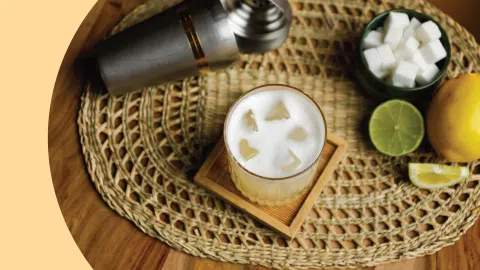
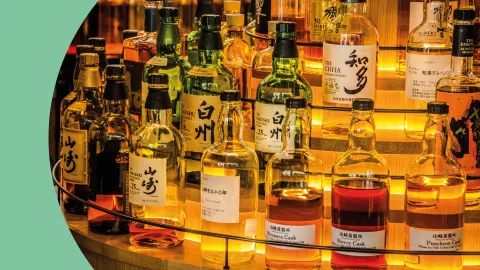
Opened liquor does expire, while unopened alcohol has an almost indefinite shelf life when stored properly.
The lifespan of an opened bottle of liquor varies based on the type of alcohol, how you store it, and its exposure to light. For example, although it is often said that it’s best to use spirits such as vodka, whiskey, and tequila within 6 months to 2 years of opening, these bottles can actually last for years after opening if stored properly. Then again, when opened, beer and wine generally have a much shorter shelf life.
Why does Liquor go bad?
Studies teach us expiration dates are a real thing and that not all alcohol gets better with age.
Liquor goes bad mainly due to oxidation and evaporation, which happen once the bottle is opened. Exposure to air changes the chemical composition of the liquor, affecting its flavor and aroma, and the ethanol inside slowly starts evaporating. Over time, this leads to a deterioration in quality. It is also worth noting that, after this time, the hard liquors won’t become moldy, or toxic: it will only slowly lose flavor and alcohol potency over time.
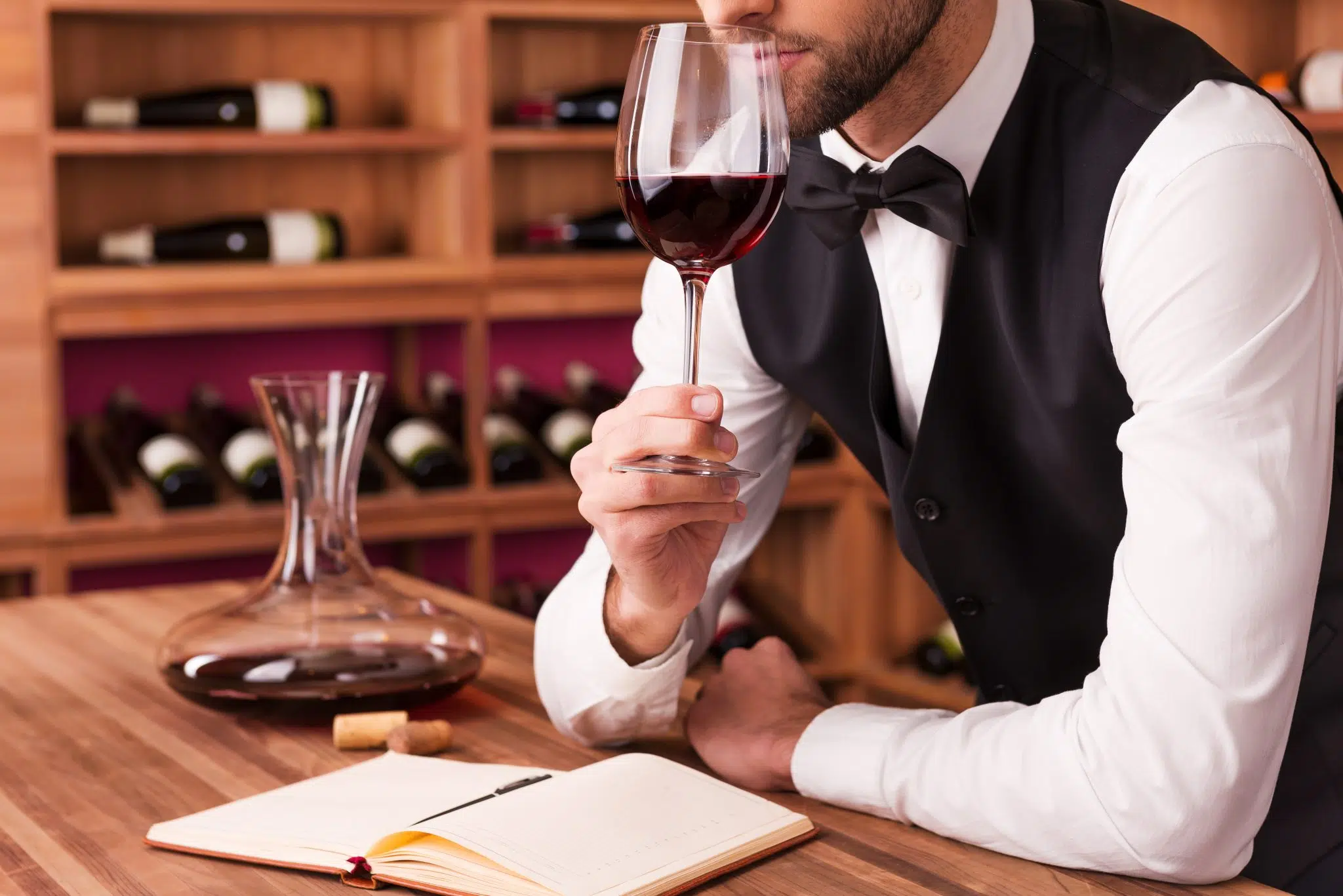
Whether you are a bartender at a bar or just a home mixologist, it’s essential to monitor when you open your bottles. This shows the effort and care you put into your bartending, whether for a job or just for fun at home.
Let’s examine different types of spirits and liquors:
Does Vodka Go Bad?
Vodka’s long shelf life comes from its unique qualities. Here are some key things to remember about how long vodka stays good:
Unopened Vodka
Unopened vodka bottles can last indefinitely. This is largely because of their high alcohol content, usually around 40% ABV or more, which enables vodka to preserve itself. Brands like Smirnoff, Absolut, and Grey Goose will maintain their quality for decades if stored properly. Ideal storage involves keeping the bottle in a cool, dark place, away from sunlight and temperature changes.
Opened Vodka
Once you open a bottle of vodka, it can last up to 10-20 years without significantly declining quality. However, unlike wine, it doesn’t degrade quickly after opening. Exposure to air gradually leads to subtle changes in flavor over time. To preserve its flavor for as long as possible, ensure the bottle is tightly sealed after each use and stored in a cool, dark place.
In summary:
- Unopened Vodka Shelf Life: Indefinite (decades), with proper storage.
- Opened Vodka Shelf Life: Several years (up to 10-20 years), maintaining good quality with proper storage.
These timelines are general estimates and can vary based on the specific brand and storage conditions.
Does Whisk(e)y Go Bad?
Whiskey, like vodka, is known for its long lifespan, but it has its own storage and aging considerations.
In this section, we’ll address the case of Scotch, Irish whiskey and of course American whiskeys like rye and bourbon.
Here’s a breakdown of how long Scotch (with brands such as Johnny Walker), Irish whiskey (like Jameson), and Bourbon, with brands such as Jim Beam, can last:
Unopened Whisk(e)y – Scotch Whisky, Bourbon & Rye Whiskey, Irish Whiskey
An unopened whiskey bottle’s quality remains indefinitely if stored in a cool and dry place. The high alcohol content (ABV) in whiskey acts as a preservative. Plus, the secure bottling after barrel-aging prevents air from affecting the spirit. Note: aging in the bottle won’t produce any change in taste! That means that if you buy a 14-year whisky, keeping it closed at home for 6 years after purchasing won’t make it the equivalent of a 20-year whisky: only the years spent in a wooden cask count as aging. This goes for Scotch whisky as well as for Bourbon, Rye, and Tennessee whiskey (such as Jack Daniel’s).
Opened Whisk(e)y – Scotch Whisky, Bourbon & Rye Whiskey, Irish Whiskey
Once you open a whiskey or whisky bottle, the clock starts ticking on its prime flavor. The lifespan of its flavor depends on how much air is in the bottle. For a bottle that’s about half full, the whiskey typically stays good for 1 to 2 years. However, if the bottle is only a quarter full or less, expect the flavors to diminish within about 6 months. However, the changes will be very slow and gradual: if stored properly, meaning away from direct sunlight and temperature changes in a closed bottle, it could last for way longer. Just give it a taste every once in a while and see if you are starting some changes in the taste: if yes, it means it is time to finish this particular bottle!
If you’re in possession of a bottle you know you are not going to finish fast and want to preserve it for a bit longer, here is an extra tip: every time you pour a drink out of the bottle, fill the bottle with glass beads so the liquid level always remains as high as possible. The bottleneck being thinner than the rest of the bottle, the surface of contact between the liquid and air will remain as small as possible, which will slow down the oxidation and evaporation process.
In summary:
- Shelf Life of Unopened Whiskey: Lasts indefinitely.
- Shelf Life of Opened Whiskey: Ranges from 6 months to approximately 5 years, depending on how full the bottle is (industry standard: 6 months when 1/4 full – 2 years when 1/2 full).
Does Rum Go Bad?
Wondering about your bottles of Bacardi, Appleton Estate, and Havana Club? The expiration date of rum, like other spirits, depends on whether it’s opened or unopened:
Unopened Rum
An unopened bottle of rum can last almost indefinitely when you store rum in a cool place away from sunlight. Rum’s high alcohol content (ABV) naturally preserves it, keeping it stable while it’s stored.
Opened Rum
After you open a bottle of rum, it’s best to use it within 6 months to 5 years. The longevity of its flavor can vary, especially if it’s a flavored rum. Plain rum might keep its taste for up to 5 years (if not a bit more), but flavored rums should be consumed within 6 months to 2 years: once opened, they have a shorter shelf life than plain rum because the artificial ingredients and other flavorings degrade much sooner than the vodka, giving it a much shorter shelf-life.
The interaction with oxygen can alter the rum’s color, flavor, and strength, sometimes as soon as within 6 months of opening. If kept too long after opening, rum might even develop a vinegary smell and a slightly sour taste.
To sum up:
- Shelf Life of Unopened Rum: Can last almost forever.
- Shelf Life of Opened Rum: Between 6 months to 2 to 5 years, depending on the type.
Does Brandy Go Bad?
Brandy, including popular brands like Hennessy, Rémy Martin, and Courvoisier, maintains a remarkable shelf life both when unopened and after opening:
Unopened Brandy
Brandy can last for many years, often decades, thanks to its alcohol content, which ranges from 35% to 60% ABV. This high alcohol level keeps bacteria at bay, ensuring the brandy stays good as long as it’s stored properly in a cool, dark place.
Opened Brandy
While an opened bottle of brandy won’t exactly spoil or go bad, it does start to lose its distinct flavors and aroma after 6 months to 2 years. For those who love brandy, the best experience comes from a freshly opened bottle, when the brandy’s complex flavors are most pronounced. Over time, brandy that’s been open for too long might seem less vibrant or “flat,” even though it doesn’t expire in the traditional sense. However, the changes will be very slow and gradual and it may take way longer for them to happen (up to 5 years more or less) if stored away from sunlight and temperature changes.

In short:
- Shelf Life of Unopened Brandy: Indefinitely long, with proper storage.
- Shelf Life of Opened Brandy: Best used within 6 months to 2 years for optimal flavor.
Do Liqueurs and Cordials Go Bad?
Due to their varied ingredients, Liqueurs and Cordials can change over time, particularly after you open them. Brands you have heard of before: Baileys, Grand Marnier, and Jägermeister.
Unopened Liqueurs
Liqueurs generally have a high alcohol volume, often between 20% and 40% ABV (or more), which means they can last many years if not opened. This high alcohol content is a natural preservative, keeping the liqueurs from going bad. Ingredients, especially sugar content, significantly affect how quickly a liqueur spoils: sugar acts as a preservative, so liqueurs with a higher sugar content usually tend to keep longer.
Opened Liqueurs
Once a liqueur bottle is opened, it oxidizes due to exposure to air. Depending on the specific liqueur, this process can affect its shelf life, typically ranging from 6 months to several years. Ingredients, especially sugar content, significantly affect how quickly a liqueur spoils.
Cream Liqueurs
For cream-based liqueurs, refrigeration after opening is recommended. This extends their shelf life and keeps them ready to serve chilled. Always check for any signs of spoilage like discoloration, sediment, or off smells before serving.
Summary:
- Shelf Life of Unopened Liqueurs: Indefinitely long, with proper storage.
- Shelf Life of Opened Liqueurs: Typically 6 months to a year, preferably in the fridge.
Does Wine Go Bad?
Wine’s shelf life is often discussed, and it varies significantly between types and how they’re stored. Here’s an overview:
Fine Wines (ou “vins de garde”)
The saying “aged like a fine wine” implies that some wines improve over time. Fine wines, designed for long-term aging, can last for 20 to 50 years when bottled. They require specific storage conditions, like being kept in temperature-controlled dark cellars, to retain their best flavors and aromas. This special care is partly why fine wines are usually more expensive. Château Margaux (Bordeaux, France) and Domaine de la Romanée-Conti (Burgundy, France), for example, are two châteaux renowned for their wine capacity to age particularly well and over a very long period of time.
Regular Wines
In contrast, the everyday wines at local stores are not made for extended aging. They typically remain in good condition for about 2 to 5 years. Factors like sugar content and a lower alcohol by volume (ABV) influence this shorter shelf life.

Fortified Wines
On the other hand, Fortified wines are more akin to liqueurs in terms of shelf life. Their higher alcohol content gives them a much longer shelf life, often close to indefinite. Examples of brands: Taylor’s Port (Portugal) and Harvey’s Bristol Cream Sherry (Spain). After opening, they must be kept in the fridge to prevent oxidation: this way, a bottle of fortified wine can usually be kept for three to six months after opening before the flavor starts to decline. Without refrigeration, the shelf life of an open bottle of fortified wine is way shorter: it will start to decline and go bad after as little as 3 weeks.
Opened Wine
Once you open a wine bottle, the countdown begins for its optimal taste. Oxygen interacts with the wine, affecting its tannins and leading to the development of acetobacter, a bacteria that can give the wine a vinegary flavor. Darker and fuller-bodied wines tend to last a bit longer once opened, but generally, you have around 5 days to enjoy an opened bottle of full-bodied red wine before its quality declines. To extend its life after opening, it’s best to reseal the bottle (you can use special vacuum caps, which help remove the oxygen inside the bottle and slow the oxidation process) and store it in a cool, dark place.
To summarize:
- Shelf Life of Unopened Wine: Regular wines last 2-5 years; fine wines can last 20-50 years.
- Shelf Life of Opened Wine: Generally 1-5 days, though fortified wines can last up to 3-6 months when refrigerated.
Does Beer Go Bad?
The shelf life of beer varies depending on its pasteurization and storage:
Unopened Beer
- Pasteurized Beer: If the beer is pasteurized before bottling, it can stay good for about 6 months to a year past its expiration date.
- Unpasteurized Beer: This type of beer, often including many craft beers, has a shorter shelf life of around 3 months. It’s important to avoid buying more than you can consume in that time frame. Refrigeration is key to extending the life of both pasteurized and unpasteurized beers.
Opened Beer
- Bottles and Cans: The beer will go flat quickly once opened, typically within half a day.
- Beer Kegs: Freshness is a bigger concern for kegs, especially in a bar setting. Unpasteurized kegs, if kept chilled and pressurized, stay fresh for about 6 to 8 weeks. Pasteurized kegs can last longer, around 3 to 4 months. Maintaining clean keg lines is essential for preserving the flavor quality of the beer on tap.
To summarize:
- Shelf Life of Unopened Beer: About 3 months for unpasteurized and 6 months to a year for pasteurized beers.
- Shelf Life of Opened Beer: Flat within a day for bottles and cans; 6-8 weeks for unpasteurized kegs and 3-4 months for pasteurized kegs.
What About the Non-Alcoholic Mixers?
Since these mixers are key ingredients in many popular cocktails, keeping them fresh is crucial to ensure the drinks you serve are high quality.
After opening, many of these mixers need refrigeration, which will also be indicated on their labels.
Sodas and sparkling waters are among the mixers with the shortest shelf life at any bar. As you likely know from regular consumption, carbonated drinks lose their fizz quickly once opened. So, it’s a good idea to use these bubbly mixers as soon as possible after opening them.
More Types of Alcohol
Here’s a table overview of the shelf life of 10 additional well-known types of alcohol.
| Spirit | Unopened Shelf Life | Opened Shelf Life | Remarks |
| Absinthe | Indefinite | Up to 5 years | Best enjoyed within a few years of opening. |
| Mezcal | Indefinite | 1-2 years | Store properly to maintain a smoky flavor. |
| Cachaça | Indefinite | 6 months – 2 years | Best enjoyed within a few years of opening. |
| Sake | 1-2 years | 1-2 weeks | Best when fresh; refrigerate and consume quickly. |
| Soju | 1-2 years | 1-2 weeks | Refrigeration extends shelf life after opening. |
| Shochu | Indefinite | 6 months – 1 year | Flavor can deteriorate; store in a cool, dark place. |
| Pisco | Indefinite | 6 months – 2 years | Keep away from light and heat after opening. |
| Grappa | Indefinite | 1-2 years | Quality can fade; best consumed soon after opening. |
| Ouzo | Several years | 6 months – 1 year | Anise flavor may fade; store away from sunlight. |
| Schnapps | Several years | Up to 5 years | Sweetness can diminish; keep tightly sealed. |
| Cider | 1 year | 2 days for sparkling cider, 1 week for still cider | Store in a cool place, serve chilled and refrigerate after opening for best taste. |
| Hard Seltzer | 1-2 years | 1 day | To be consumed right after opening as it will start to lose carbonation after a couple of hours. |
How To Store Alcohol – Liquor?
To ensure it retains its quality and flavor, proper storage is key. Here are important tips for storing different types of alcohol:
- Keep It Cool and Dark: Store your alcohol in a cool, dark place. Excessive heat and direct sunlight can degrade the quality of the alcohol. It is also recommended to keep your bottles in a place that is not subject to rapid and drastic temperature changes.
- Upright Storage for Spirits: Store spirits like vodka, whiskey, rum, and gin upright. Unlike wine, spirits don’t need to keep the cork moist, and upright storage prevents potential leakage.
- Wine Considerations: Store wine bottles horizontally to keep the cork moist, which is important for maintaining the seal and preventing air from entering the bottle. A temperature-controlled environment like a wine cellar or special wine fridge is ideal for fine wines.
- Refrigerate Certain Spirits After Opening: Spirits like vermouth and some liqueurs (like cream liqueurs) should be refrigerated to maintain flavor.
- Minimize Air Exposure: Minimize the spirit’s exposure to air after opening. Air can oxidize the alcohol, altering its flavor.
- Check Expiration Dates for Liqueurs: Some liqueurs have ingredients that can spoil over time. Always check expiration dates and be mindful of changes in flavor or appearance.
- Beer Storage: Keep beer in a cool, dark place and consume it before the expiration date for optimal taste. Same thing for any malt liquor.
FAQs
What are the signs that liquor has gone bad?
Color, smell, or taste changes can indicate that liquor has gone bad.
Does the expiration of liquor mean it’s unsafe to drink?
Liquor doesn’t become unsafe like spoiled food, but its quality and taste may diminish.
Does alcohol freeze?
Yes, alcohol can freeze. The freezing point depends on the alcohol content; a higher alcohol content means a lower freezing point. For example, spirits with high alcohol content, like vodka or whiskey, may not freeze in a standard home freezer. On the other hand, beer and wine, which have lower alcohol content, can freeze. Click here to learn more about it.
Is there any alcohol that improves with age after opening?
Unlike wine in a cellar, most liquors do not improve after opening.
How does storing alcohol in the fridge affect its quality?
Keeping certain types of alcohol in the fridge can maintain their freshness and flavor. For example, light wines, beer, and some spirits like fortified wines benefit from refrigeration, especially after opening.
Is it necessary to refrigerate all types of alcohol?
Not all alcohol needs refrigeration. Spirits with high alcohol content, like whiskey and vodka, can be stored at room temperature. Refrigeration is more important for wine, beer, and some liqueurs, especially when opened.