Champagne glasses are made to bring out the best in your champagne, from the bubbles to the aroma and flavor. The right glass can make your champagne taste better and look more elegant.
In this guide, we’ll walk you through the most common types of champagne glasses and what they’re best for. It’s organized to make it easy to find the perfect glass for any type of champagne or occasion.
1. Flute Glass

Flute glasses are tall and narrow, helping to preserve bubbles by limiting surface area exposure. This design also directs aromas to the nose for a focused sensory experience.
- Best For: Toasts and non-vintage sparkling wines.
- Volume: 6–10 ounces.
- Tip: Use for celebrations such as weddings where maintaining fizz is essential.
- Pairing Tip: Best for Brut Nature or Extra Brut, as the flute preserves dryness and carbonation.
2. Coupe Glass

Coupe glasses have a shallow, wide bowl that releases bubbles quickly. While they are less effective at preserving carbonation than flute glasses, their design is ideal for serving sweeter or vintage champagnes. The coupe glass has a fascinating history—legend has it that its shape was modeled after the breast of Marie Antoinette, though this claim is more myth than fact. Regardless, the coupe gained popularity in the 19th century and became synonymous with elegance during the roaring 1920s.
- Best For: Sweet champagnes or champagne cocktails.
- Volume: 5–8 ounces.
- Tip: Works well for Champagne cocktails that aren’t overly reliant on preserving bubbles, such as those with heavier modifiers like syrups or spirits: French 75, Classic Champagne Cocktail, Death in the Afternoon.
- Pairing Tip: Ideal for Demi-sec champagnes, as the coupe balances sweetness and aroma.
3. Tulip Glass
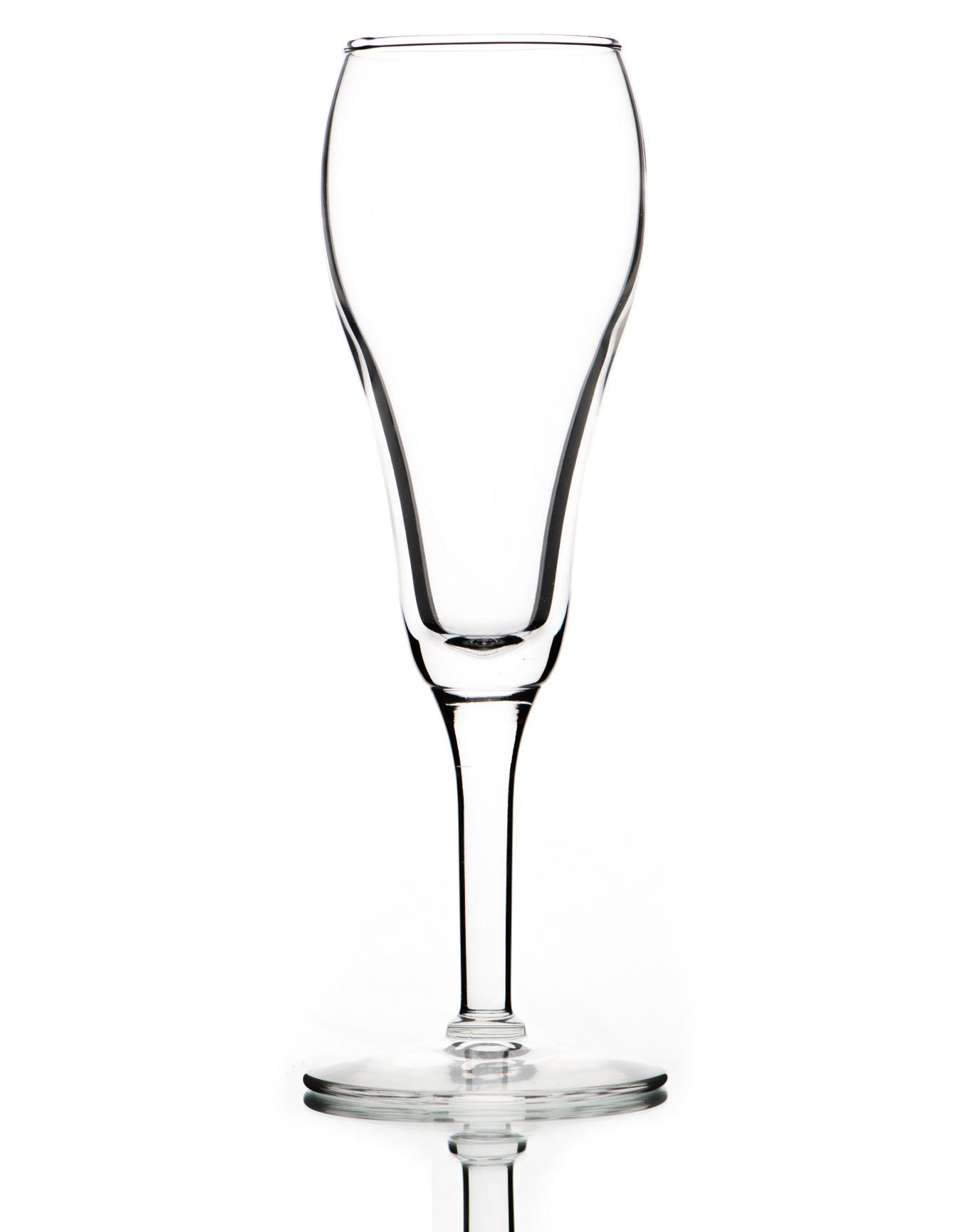
Tulip glasses combine functionality with elegance. They are slightly wider than flutes at the base, tapering at the rim to trap aromas while allowing bubbles to rise. The tulip glass gained popularity in the 1930s as an improved alternative to the coupe and flute designs
- Best For: Complex champagnes with rich aromas.
- Volume: 6–12 ounces.
- Tip: Perfect for high-quality vintage champagnes and cocktails where aroma plays a crucial role, like a Kir Royale.
- Pairing Tip: Excellent for Brut Nature or Extra Brut, as the tulip enhances aromas while maintaining carbonation.
4. White Wine Glass
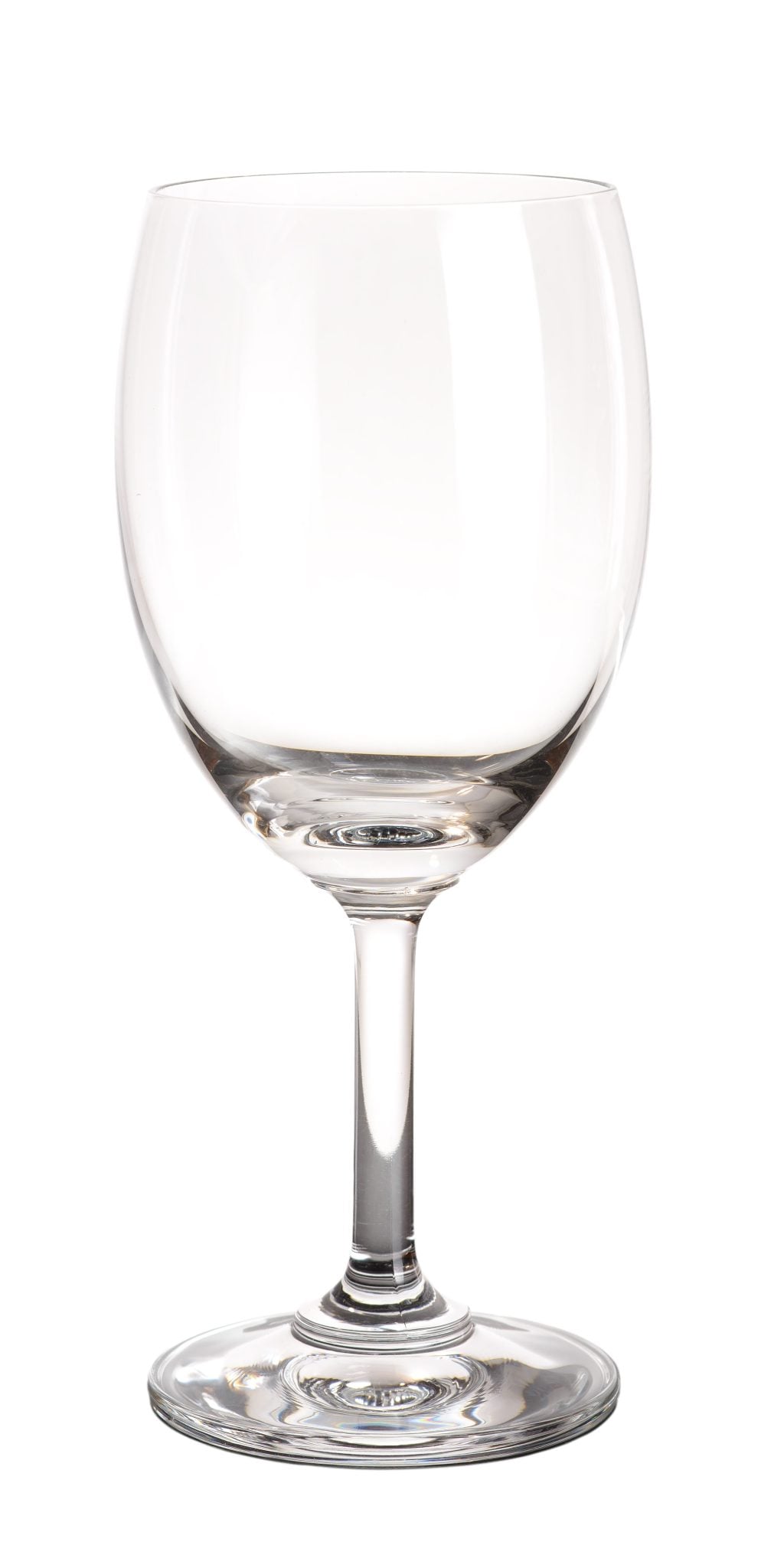
Some champagne enthusiasts prefer using standard white wine glasses for champagne. Their wider bowl allows the wine to open up, emphasizing complex flavors and aromas. In the early 2000s, renowned sommelier Philippe Jamesse worked with Lehmann Glass to design an elongated glass blending features of primarily white wine glasses and tulip glasses.
- Best For: Aged or full-bodied champagnes.
- Volume: 10–14 ounces.
- Tip: Use for tasting sessions to appreciate nuances and Spritz-style Champagne cocktails or Mimosa variations.
- Pairing Tip: Great for vintage champagnes where the larger bowl enhances the depth of flavor.
5. Stemless Champagne Glass

Stemless glasses are casual and practical. They are durable and easy to handle, but the lack of a stem can cause the drink to warm quickly.
- Best For: Outdoor events or casual gatherings.
- Volume: 6–8 ounces.
- Tip: Choose double-walled versions to maintain temperature.
- Pairing Tip: Suitable for Demi-sec champagnes or sparkling cocktails with added sweetness.
6. Crystal Champagne Glass

Crystal glasses are known for their clarity and elegance. They often feature flute or tulip designs but stand out for their craftsmanship.
- Best For: Formal events and special occasions.
- Volume: Varies based on design.
- Tip: Elevate the experience with high-quality crystal glasses.
- Pairing Tip: Match with high-end vintage champagnes or celebratory blends for an added touch of sophistication.
7. Vintage Glassware

Vintage glasses, including antique coupes, offer a nostalgic feel. These glasses focus on aesthetics rather than functionality.
- Best For: Themed parties or retro presentations.
- Volume: 5–7 ounces.
- Tip: Combine with modern elements for a unique display.
- Pairing Tip: Best for Demi-sec champagnes to complement the retro charm and sweetness.
More Glassware on Drinksworld: Types of Cocktail Glasses – Types of Wine Glasses
FAQs About Champagne Glasses
What are Double-wall champagne glasses?
Double-wall glasses are made with two layers of glass and an air pocket in between, which helps keep your Champagne nice and cold without any condensation on the outside. No more wet hands or drippy messes!
These glasses are usually made from borosilicate glass, which means they’re tough yet lightweight—great for regular use. The design also adds a cool floating effect, making your Champagne look like it’s suspended in the glass.
Another perk is that the outer wall stays at room temperature, so your hand won’t get cold while holding it. While they’re made for Champagne, these glasses are super versatile and work just as well for prosecco, sparkling wine, or even cocktails.
What’s the best material for champagne glasses?
The choice between crystal and glass depends on your priorities in terms of durability, elegance, and practicality:
- Crystal:
- Offers superior clarity and brilliance, making the champagne look more visually stunning.
- Generally thinner, which enhances the tactile drinking experience.
- Requires more care as it’s more fragile and prone to breakage.
- Glass:
- More durable and practical for everyday use or casual gatherings.
- Slightly less elegant but still effective in preserving the champagne’s characteristics.
- Easier to clean, often dishwasher-safe.
Can champagne glasses affect the taste of the wine?
Yes, champagne glasses impact the taste of the wine as the shape of the glass affects carbonation, aroma, and flavor:
- Carbonation: Narrower glasses, like flutes, limit the surface area exposed to air, preserving the bubbles longer. Wider glasses, like coupes, allow bubbles to dissipate more quickly.
- Aroma: Glasses with a tapered rim, such as tulips, concentrate the aromas near your nose, improving the sensory experience.
- Flavor: Wider bowls, like those in wine glasses, give the champagne room to breathe, allowing more complex flavors to develop and shine.
Which glass is best for a toast?
Flute glasses are best (and also the most traditional options in a larger part of the world), as their narrow shape preserves bubbles.
How do I clean champagne glasses?
Hand wash with warm water and mild detergent. Avoid dishwashers to prevent residue, and wipe and polish them with an appropriate cloth before storing and using.
How can I chill champagne glasses?
Place them in the freezer for 10–15 minutes or fill them with ice water before serving. However, this is generally not recommended as it may damage the bubble and cause the effervescence to fade away more quickly than usual.
See also: https://drinksworld.com/how-to-chill-a-glass/
Why do some glasses have etched points?
Etched points, also called nucleation points, are tiny laser-etched marks often found at the bottom of champagne glasses. These points promote bubble formation by providing a surface where carbon dioxide can accumulate and release as bubbles.