Champagne is the most famous sparkling wine out there, and for good reason. It’s got that unbeatable French flair and a reputation for elegance.
While many people use “Champagne” as a blanket term for sparkling wine, strict CIVC (Comité Interprofessionnel du Vin de Champagne) and EU regulations protect the name:
- Champagne must be produced in the Champagne region of France, following strict rules outlined by the Appellation d’Origine Contrôlée (AOC).
- It must use approved grape varieties: Chardonnay, Pinot Noir, and Pinot Meunier are the main varieties, with Arbane, Petit Meslier, Pinot Blanc, and Pinot Gris allowed in small amounts.
- Secondary fermentation must occur in the bottle using the traditional method.
Thanks to these exacting standards, Champagne comes in a diverse range of styles.
Champagne is classified into several types based on factors such as sweetness level, grape blend, vintage, and production method.

Here’s a detailed overview of Champagne classifications with brand examples added:
1. Sweetness Levels (Dosage)
Champagne is classified by residual sugar content, determined by the dosage (a mix of sugar and wine) added during production:
- Brut Nature (Zero Dosage): No added sugar, with less than 3 grams of residual sugar per liter. Very dry and crisp.
Examples: Ayala Brut Nature, Drappier Brut Nature.
- Extra Brut: 0–6 grams of residual sugar per liter. Slightly less dry than Brut Nature but still very dry.
Examples: Laurent-Perrier Ultra Brut, Billecart-Salmon Extra Brut.
- Brut: Less than 12 grams of residual sugar per liter. Dry with a hint of sweetness.
Examples: Moët & Chandon Brut Imperial, Veuve Clicquot Yellow Label Brut.
- Extra Dry (Extra Sec): 12–17 grams of residual sugar per liter. Off-dry with noticeable sweetness.
Examples: Piper-Heidsieck Extra Dry, Taittinger Extra Sec.
- Sec: 17–32 grams of residual sugar per liter. Considered medium-dry.
Examples: Martel Sec, Demi-Lune Sec.
- Demi-Sec: 32–50 grams of residual sugar per liter. Sweet and often paired with desserts.
Examples: Veuve Clicquot Demi-Sec, Perrier-Jouët Demi-Sec.
- Doux: More than 50 grams of residual sugar per liter. Very sweet and rare.
Examples: Pol Roger Rich, Moët Nectar Impérial Doux.
2. Grape Varietals
The blend of three primary grape varieties (Chardonnay, Pinot Noir, Pinot Meunier) impacts Champagne’s flavor and style:
- Blanc de Blancs: Made exclusively from Chardonnay. Light, fresh, and citrusy, often with aging potential.
Examples: Ruinart Blanc de Blancs, Salon Blanc de Blancs.
- Blanc de Noirs: Made only from black grapes (Pinot Noir and Pinot Meunier). Rich and robust, with red fruit flavors.
Examples: Bollinger Blanc de Noirs, Egly-Ouriet Blanc de Noirs.
- Rosé Champagne: Made by blending white wine with a small amount of red before the second fermentation or through skin contact during fermentation. Fruity and elegant.
Examples: Laurent-Perrier Cuvée Rosé, Billecart-Salmon Rosé.
3. Vintage vs. Non-Vintage
- Vintage Champagne: Made from grapes harvested in a single exceptional year. Aged for at least three years, often more complex and expensive.
Examples: Dom Pérignon Vintage, Krug Vintage, Taittinger Comtes de Champagne Blanc de Blancs.
- Non-Vintage Champagne (NV): Made from a blend of grapes harvested in multiple years. Aged for a minimum of 15 months.
Examples: Veuve Clicquot Yellow Label, Moët & Chandon Brut Impérial, Perrier-Jouët Grand Brut.
4. Prestige Cuvée
The highest-quality Champagnes from a producer, made from the best grapes and often using traditional methods.
- Examples:
- Dom Pérignon (Moët & Chandon)
- Cristal (Louis Roederer)
- La Grande Dame (Veuve Clicquot)
- Krug Clos d’Ambonnay (Krug)
5. Special Styles
- Cuvée: Indicates a blend of wines from different vineyards or grape varieties for a specific flavor profile.
Examples: Charles Heidsieck Brut Réserve, Pol Roger Cuvée Sir Winston Churchill.
- Single Vineyard Champagne: Produced from grapes grown in a single vineyard, showcasing terroir.
Examples: Bollinger Vieilles Vignes Françaises, Jacquesson Avize Champ Caïn.
- Zero Dosage/Brut Nature: Ultra-dry Champagne without added sugar, emphasizing natural flavor.
Examples: Tarlant Zero Brut Nature, Larmandier-Bernier Terre de Vertus Brut Nature.
6. Grower Champagne
Grower Champagnes are produced by grape growers themselves (labeled with “RM” for Récoltant-Manipulant). These are often terroir-driven and crafted in smaller quantities.
- Examples: Pierre Péters Cuvée de Réserve, Egly-Ouriet Les Vignes de Vrigny.
7. Champagne by Production Method
- Traditional Champagne (Méthode Champenoise): The classic production method, involving secondary fermentation in the bottle.
Examples: Ruinart Blanc de Blancs, Bollinger Special Cuvée.
- Organic/Biodynamic Champagne: Made with organically or biodynamically farmed grapes, reflecting eco-friendly practices.
Examples: Fleury Blanc de Noirs, Leclerc Briant Brut Réserve.
Does the Glass Type Relate to the Champagne Type?
Yes, the choice of glass can relate to the type of champagne being served. Different champagne styles have distinct characteristics (e.g., young and vibrant vs. mature and complex), and the glass can emphasize those traits:
- Younger champagnes benefit from flutes, which keep bubbles intact and enhance visual appeal.
- Older or complex champagnes are better suited to tulip or white wine glasses, allowing for better aeration and aroma appreciation.
- Sweet or dessert champagnes can work in coupe glasses, as bubbles are less critical to the overall experience.

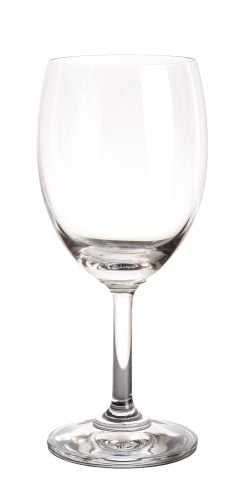

Learn more about the Different Types of Champagne Glasses.
Why is Prosecco not on the list?
Prosecco is not included in the list of champagne types because Prosecco is not champagne. Although both are sparkling wines, they differ in origin, production methods, and characteristics.
Learn more about the Different Types of Prosecco.
Does the Type of Champagne matter when making champagne cocktails?
Yes, the type of Champagne can influence the overall flavor and balance of the champagne cocktails:
- For dry cocktails, opt for Brut or Extra Dry.
- For fruity cocktails, Rosé or Demi-Sec works best.
- For delicate flavors, Blanc de Blancs enhances the ingredients.
Learn more about how to use Champagne in cocktails.