The historic Silk Road was established during the Han Dynasty (206 B.C. to A.D. 220) and is actually a number of roads that made up the world’s first-ever global trade route.
Without this network that connected North Central China to the Mediterranean, we might not have the same international marketplace that we have today. It is most notable for the transfer of goods such as silk, which is how the route got its name. But it also became a useful way of passing on knowledge.
Filtering distillation knowledge

Distillation existed before Abu Musa Jabir ibn Hayyan invented the alembic still in Persia in the 8th century, but the methods were crude and had varied results. The alembic made the process much more scientific and successful.
To use the alembic, Hayyan filled it with liquid and then placed it over a heat source. The container was connected to another one via a tube, allowing water vapor to rise into the tube and then drip back down into the cooler container.
Because alcohol has a lower boiling point than water, it is separated from the original liquid and then the second container becomes filled with a neat spirit. This may possibly have been the first invention of any spirit, although it was originally thought to be medicinal rather than recreational.
Four centuries later, distillation techniques finally trickled down to Europe. But Asia has some traditional methods that are still unique to the various countries within it. We’ll take a look at a few of those now.
Rice Wine—Thailand, Malaysia and Indonesia

Rice Wine has many different names, depending on where it is made, but the process involves cooking sticky rice and then cooling it before mixing it with a combination of bacteria and yeast, known as “jiehuang.”
This mixture is then allowed to ferment in a temperature-controlled environment for several days, while the yeast turns the starches in the rice to alcohol. The longer it is left, the higher the alcohol content.
The liquid is then separated from what’s left of the rice and allowed to age in a cask. The resulting mixture is saved for celebrations, believed to bring luck and prosperity to those who drink it.
There are various types of rice wine including:
- Sake
- Junmai, which adds koji to the fermentation process
- Honjozo, which adds a very small amount of extra distilled alcohol to the distillation process
- Ginjo, which ferments for longer at a lower temperature
- Daiginjo, which is the same as Ginjo but left to ferment for even longer.
Palm Wine—India

In India, they ferment the sap of raphia palm, coconut palm and Caryota palm trees to create palm wine.
The sap is collected by tapping the top of the tree trunk, but it has a very short shelf life of just one day, which means traditional methods of creating alcohol are not possible as they take too long.
However, the sap begins to ferment naturally in the air and it takes just a few hours to become alcoholic. Because the wine turns to vinegar after 24 hours, palm wine is traditionally enjoyed as soon as possible after fermentation, which usually takes around two hours.
However, palm wine creators have discovered that by distilling and pasteurizing the liquid, it lasts a lot longer, allowing them to bottle and sell it. Distilling the wine turns it into a spirit, known as arrack, palm feni, sopi, village gin, charayam or country whiskey, depending on where in the world it is made.
The wine is associated with the gods and spirits of the land and plays an important part in traditional ceremonies.
Coconut Wine—Philippines
Just like palm wine, coconut wine, or tuba, is made from the sap of the coconut flowers and the bark from the coconut tree. Getting the ratio right is a skill and the harvesting is very labor intensive, so those who can do it are celebrated.
Then the hardest work is done. You can actually drink tuba straight from the tree, but usually it is transferred to a glass container until the bubbles level off and all the sediment moves to the bottom. This process takes three to four days.
To complete the distillation, a hose is placed into the glass container to filter out the liquid into another container, leaving the sediment behind. This process takes another four to five days.
The liquid is left again, creating more sediment and then the process is repeated as many times as is necessary. The longer the sedimentation process takes, the higher the alcohol content and the darker the liquid becomes, until it creates a new spirit called Lambanog.
Coconut wine is best after three to four years of creation and is used to celebrate bravery and life.
Corn Wine—Vietnam
In Vietnam, Corn Wine is made using a glutinous corn rich in starch which can easily be turned into sugars. The corn is washed and the kernels are separated from the cob before being soaked for 24 hours.
This mixture is then ground into a mash and yeast is added. It is transferred to a clay pot where it is covered with a cloth and left to ferment for one week, with daily stirring. It is then strained into a clean container and additional flavours are sometimes added before it is left to ferment again for two to three weeks.
The distillation technique for corn wine makes use of that famous still. The liquid is heated in a container, causing the alcohol to condensate and travel upwards, into a secondary container.
Then, the distilled liquid is placed in a ceramic jar and stored underground for a few years to age. When the rich, flavoursome liquid is ready, it is filtered again and served.
There is a very specific way to enjoy corn wine in Vietnam, too. You should first take note of the aromas and then sip the drink to truly appreciate the flavours. It is traditionally served with meats or rice cakes, which perfectly complement the drink.
Shochu—Japan
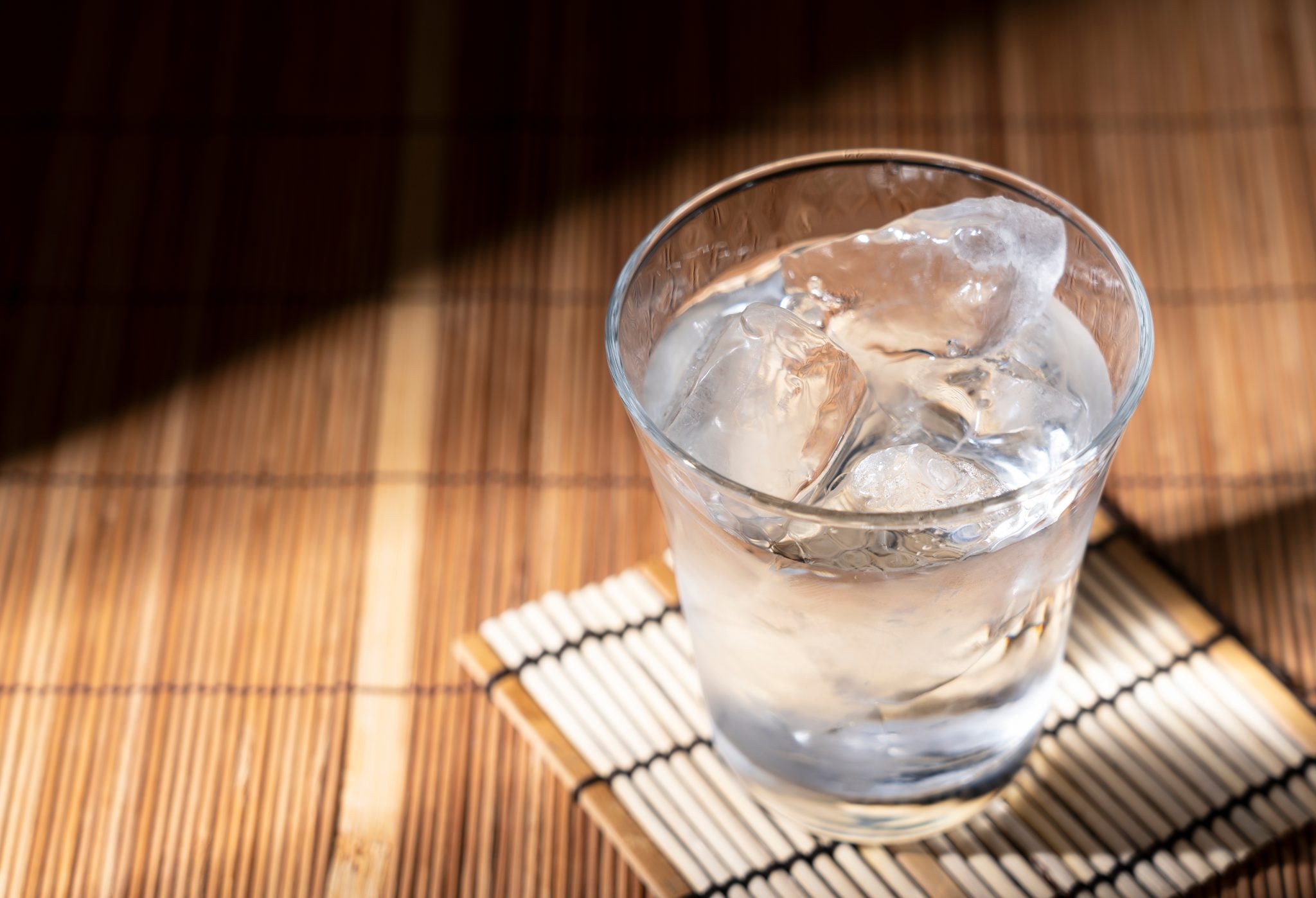
Japan might not have been reachable by road, but it was still an important player in the early silk road.
Shochu is a drink created in ancient times, although the first Shochu distilleries weren’t created until the Edo period between 1603 and 1868. There are lots of different types of Shochu, each one differing depending on its ingredients which can include different grains, such as rice, barley and rice, and sweet potato.
The selected ingredients are mashed together and fermented, which involves mixing the ingredients with water and fungus and then leaving it for the yeast to convert the sugars to alcohol.
Then the distillation process begins. The mixture is heated, which separates the liquid from the solid mash, and this is done several times to make for the purest liquid.
The liquid is then aged in a cask before being served, usually straight. It should be enjoyed in a small glass and sipped slowly to appreciate the flavor.
These are only a few of the distillation techniques used across Asia, but the Silk Road was instrumental in ensuring spirits could be made around the world, with each culture taking its own local ingredients and tools and adapting the method.
If you ever get the chance to travel anywhere along that traditional trade route, you should try as many different wines and spirits as you can, to truly appreciate the culture and skill of each producer.