
When it comes to making great cocktails, every ingredient matters. And few ingredients are as essential—or as debated—as the juice. It plays a critical role in the cocktail world, whether it’s the bright citrus burst of a Margarita or the subtle tang in a Mojito. But when it comes to the type of juice to use, there’s a lot of discussion. The main point of contention? Pasteurized vs unpasteurized juice.
Do we go for the safety and convenience of pasteurized juice, or should we chase the fresh, raw flavor of unpasteurized juice? As cocktail enthusiasts and creators, this is a choice we’re constantly making. Let’s break it down and get into the juicy details.
What is Pasteurization, and Why Does it Matter?
We’ve all seen the word “pasteurized” on cartons of juice at the store, but what does it really mean? Pasteurization is a process where liquids (like juice) are heated to a specific temperature for a set amount of time to kill harmful bacteria and extend the shelf life. The concept was developed by French scientist Louis Pasteur—hence the name—and has been a staple in the food industry for over a century.

The Process and Types of Pasteurization
The most common method is flash pasteurization, where the juice is heated quickly to a high temperature (about 160°F or 71°C) and then cooled rapidly. This method kills bacteria without severely impacting the juice’s flavor.
Another method, cold pasteurization, doesn’t use heat at all. Instead, it relies on pressure (high-pressure processing or HPP) to achieve a similar bacterial reduction. This method preserves more of the juice’s natural flavor and nutrients than traditional pasteurization.
What Pasteurization Does to Flavor
Here’s the catch: heating juice to kill bacteria also alters its flavor and nutritional profile. Pasteurized juice is often described as “flat” or “dull” compared to its unpasteurized counterpart. While it’s safe and shelf-stable, some bartenders argue that it lacks the fresh punch needed for top-tier cocktails.
The question is: does pasteurization ruin juice for cocktails? Not necessarily. But if we’re chasing freshness, the differences are noticeable. It all depends on the type of cocktail and what kind of flavor profile you’re going for.
What’s the Deal with Unpasteurized Juice?
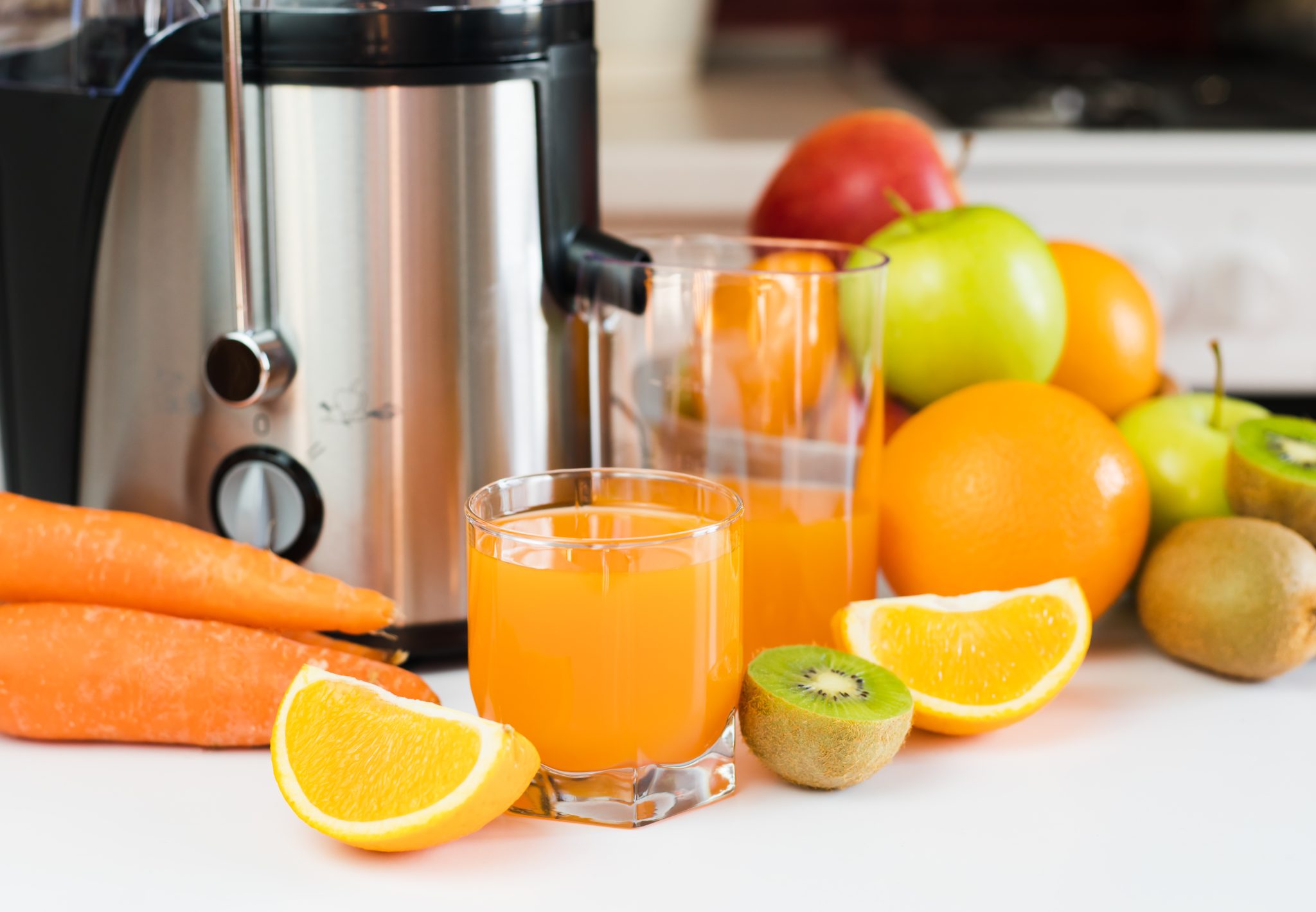
Unpasteurized juice is the wild, raw, natural option. This juice is as fresh as it gets—squeezed straight from the fruit with no heat treatment, meaning it retains all the enzymes, nutrients, and bright flavors that nature intended.
The Flavor Benefits of Unpasteurized Juice
If you’ve ever tasted juice straight from the fruit, you know how vibrant and alive it tastes. Unpasteurized juice delivers this same experience. It’s full of flavor, nuance, and freshness, which makes it perfect for cocktails where the juice is a star ingredient.
Take a Margarita as an example. When made with fresh, unpasteurized lime juice, the drink is tangy, bright, and almost electric in its flavor. The acidity cuts through the tequila perfectly, balancing the sweetness and saltiness of the rim. With pasteurized juice, the flavor just doesn’t pop the same way—it’s more subdued.
The Risks of Unpasteurized Juice
Here’s where it gets tricky. Unpasteurized juice, while delicious, is a bit of a gamble. Because it hasn’t gone through a heating process to kill bacteria, it can harbor harmful pathogens like E. coli or Salmonella. That’s why you’ll often see a warning label on raw juice products.
If you’re making drinks at home, using unpasteurized juice probably isn’t a huge risk. Just ensure the juice is fresh and you’re storing it properly (in the fridge, away from other food that could contaminate it). But for commercial settings like bars or restaurants? The stakes are higher. Health regulations often require pasteurized products, or bartenders must take extra precautions with unpasteurized juice, such as sourcing from reputable suppliers and using it quickly.
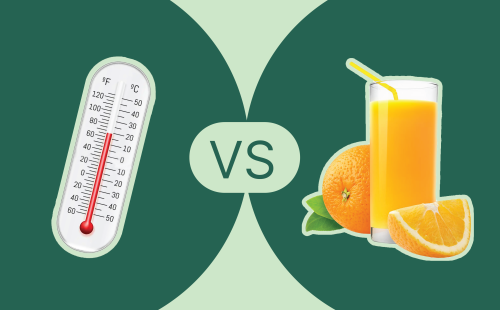
Flavor Showdown: Pasteurized vs Unpasteurized in Cocktails
Now, let’s talk about what really matters: taste. When it comes to cocktails, flavor is everything. The debate between pasteurized and unpasteurized juice often comes down to how each type affects the final drink.
Pasteurized Juice in Cocktails
Pasteurized juice is reliable. It’s consistent, safe, and has a longer shelf life, which makes it ideal for high-volume bars. However, many bartenders find that pasteurization mutes the bright, fresh qualities of the juice. For instance, pasteurized orange juice might lose some of its natural sweetness and acidity, resulting in a cocktail that’s a little lackluster.
Pasteurization might work just fine in cocktails where the juice isn’t the star. In a Long Island Ice Tea, for example, the rest of the ingredients carry much of the flavor, so the slight loss of freshness in the lemon juice might not be as noticeable.
Unpasteurized Juice in Cocktails
Unpasteurized juice, on the other hand, is the purest form of fruit expression in a drink. Fresh lime in a Daiquiri? Unbeatable. Fresh orange in a Tequila Sunrise? It’s an entirely different drink. The flavors are sharper, more intense, and livelier. When you’re making a cocktail where the juice is front and center, unpasteurized will almost always taste better.
The downside, of course, is that unpasteurized juice doesn’t last long. It can turn sour quickly, especially if not refrigerated properly, so you’ve got to use it within a day or two.
Health and Safety Considerations: Risk vs Reward
As much as we love the flavor of unpasteurized juice, we can’t ignore the health risks that come with it. Unpasteurized juice is more likely to carry harmful bacteria, which can lead to serious illness. This risk is relatively low for at-home cocktail making, but in a bar setting, where you’re serving dozens of drinks a night, it’s something to think about seriously.
That’s why many bars choose pasteurized juice. It’s a safer option that doesn’t require constant refrigeration or special handling. Plus, with modern techniques like HPP, the flavor difference isn’t as dramatic as it used to be.
Shelf Life and Bar Efficiency: Keeping It Fresh
One of the biggest advantages of pasteurized juice is its long shelf life. It can last weeks, sometimes even months, in the fridge. This makes it incredibly convenient for busy bars or home bartenders who don’t want to be juicing fruit every day.
Unpasteurized juice, on the other hand, is a ticking clock. It starts to lose its freshness after just a few hours and can go bad within a couple of days. For bars focused on delivering the freshest drinks, this means juicing fruits every day, which can be time-consuming and expensive.
Pro Tip: The “Juice and Freeze” Method
If you want the freshness of unpasteurized juice but need to extend its shelf life, try freezing freshly squeezed juice. Suppose you freeze your juice quickly after making it. In that case, you have a greater chance of restoring the enzymes and phytonutrients from fruits and vegetables.
Which Should You Use: Pasteurized or Unpasteurized?
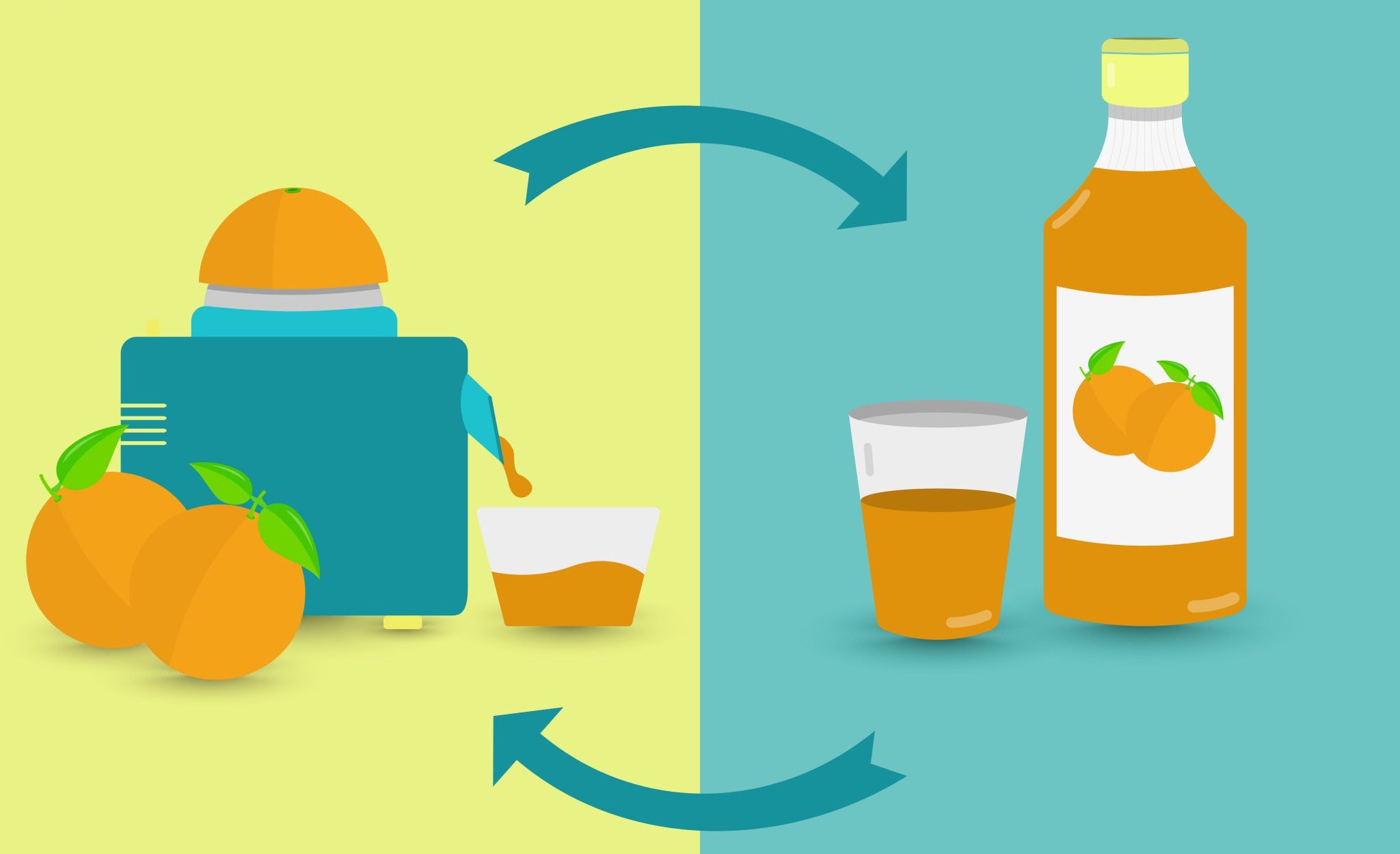
So, where do we land on this? If you’re making cocktails at home or you run a bar that prides itself on freshness, unpasteurized juice is the way to go. The flavor is just unbeatable. But if you’re running a high-volume bar or want the convenience of longer-lasting juice, pasteurized juice makes sense, especially for cocktails where the juice isn’t the star ingredient.
Ultimately, it’s about finding the right balance for your situation. At Drinksworld, we’re all about maximizing flavor, so we lean toward unpasteurized when we can. But there’s no shame in using pasteurized juice when the situation calls for it. After all, cocktails are about fun and creativity; sometimes practicality wins the day.