The mixologist vs. bartender debate has people talking everywhere, from Reddit threads to pros behind the bar. Even bartenders themselves have strong views (like in Bar Convent London’s take on the topic).
Some people think “mixologist” just sounds like a fancier title for a bartender, maybe adding a little extra polish to their role. But that’s not exactly right. Truthfully, neither title is better or more respected—they’re just different. If they were the same, we wouldn’t even be having this debate!
For those thinking about a career in hospitality, the question might come up: what’s the real difference between being a bartender and a mixologist, and which path makes more sense?
Understanding the unique roles and skills of bartenders and mixologists can help clarify that choice.
What’s The Difference Between a Mixologist and a Bartender?
Mixologists focus on crafting the drinks, while bartenders focus on serving the customers.
The difference between a mixologist and a bartender lies primarily in their focus, skills, and responsibilities within the beverage service industry.
A bartender manages the bar, serves drinks, and ensures customer satisfaction by preparing a variety of beverages efficiently. A mixologist, however, specializes in the craft of cocktail creation, emphasizing the art, science, and creativity behind each drink.
What’s a Bartender?
A bartender works in a bar or restaurant, pouring drinks, serving customers, and creating a friendly atmosphere. They connect with guests and set the tone for the bar.
Bartenders know how to make classic cocktails and have a broad understanding of the menu, from mixed drinks to beer and wine.
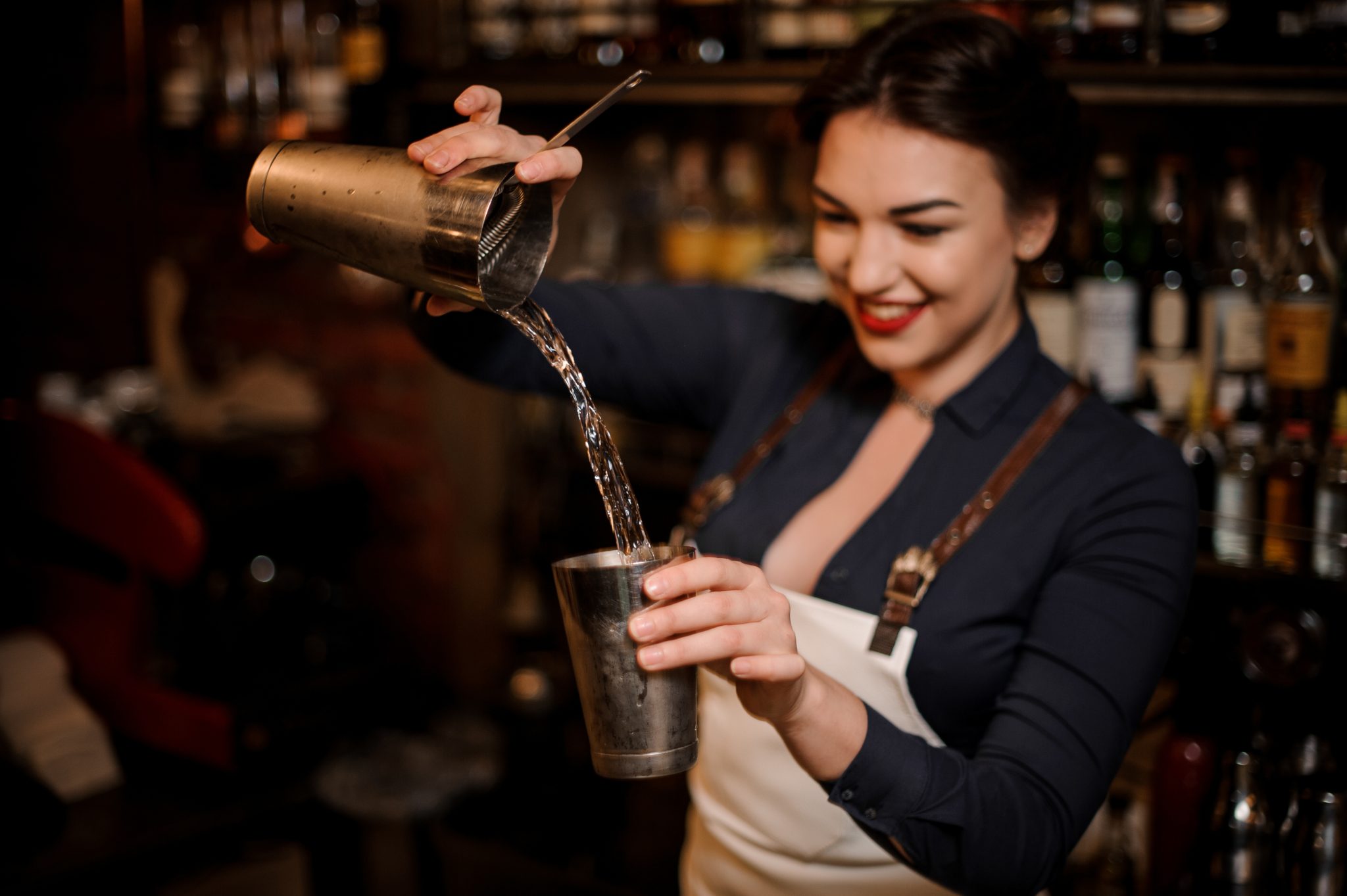
While mixologists focus on crafting unique cocktails, bartenders handle everything. They make drinks, ensure smooth service, keep customers happy, and manage the rush on a busy night. Bartenders are both drink-makers and people-persons.
Though bartenders can be mixologists, being a great bartender doesn’t require that title. Their talent lies in serving good drinks, reading the room, and keeping the energy positive.
Learn How To Become a Bartender
What is a Mixologist?
A mixologist focuses on crafting cocktails, studying spirits, flavors, and techniques to create exceptional drinks. The earliest known use of “mixologist” appeared in an 1860 article in the Raftsman’s Journal, but it gained real traction after Jerry Thomas published it in his 1862 book How to Mix Drinks.
Mixologists work on perfecting classic recipes or inventing new cocktails by experimenting with ingredients and balancing flavors. While bartenders serve drinks, interact with guests, and keep the bar running, mixologists concentrate on the drink-making process. They adjust each element to achieve the ideal taste and presentation.
A mixologist doesn’t have to work behind a bar every night. They might develop cocktails at home or work with ingredients in a dedicated space, refining their craft and exploring flavors.

Learn How To Become a Mixologist
Mixologist and Bartender Salaries
The average base salaries for mixologists and bartenders are very close, with mixologists earning slightly more ($23,800 vs $23,709) according to Salary.com data.
However, BLS data shows a much wider salary range for bartenders, with the potential to earn significantly more (up to $61,210 per year) than the average mixologist’s salary. This is because bartender salaries often include tips, which can substantially increase their total compensation.
It’s important to note that these figures represent averages and ranges, and individual salaries can vary based on factors such as location, experience, establishment type, and individual performance.
Learn more: How much do bartenders make
Mixologist and Bartender Licenses and Certifications
Mixologists don’t need additional legally required licenses beyond bartender licenses in U.S. states where licenses are required.
Mixology certifications are typically voluntary and focus on advanced skills, while bartending licenses are often mandatory and cover the legal and safety aspects of serving alcohol. Many mixologists are also bartenders and hold the same basic certifications. Drinksworld offers both beginner and advanced online courses for aspiring mixologists.
Related: Bartending License – Do You Need One and How to Get It
Mixologist and Bartender Age Requirements
Most U.S. states set minimum age requirements for ‘bartenders’ or ‘alcohol servers’ but not specifically for ‘mixologists.’ Legally, mixologists are considered a subset of bartenders and must meet the same age requirements as bartenders in their jurisdiction.
The minimum age to bartend or serve alcohol varies by state, ranging from 16 to 21 years old.
Related: How Old Do You Have to Be to Bartend?
Choosing a Mixologist vs Bartender Career
For bars, having a bartender who’s also a mixologist is like hitting the jackpot—you get someone who can craft unique drinks while keeping the atmosphere lively.
Think of it this way: bartenders are the multitaskers who keep drinks flowing and conversations going, while mixologists are the artists focused on delivering the most memorable cocktails in town. It’s like having both the steady hand and the creative spark behind the bar.
If you’re all about creating bold, innovative drinks and experimenting with flavors, a mixologist role will be your vibe.
On the other hand, if you get a kick out of the social side of things and by keeping the energy up, the bartender route could be a perfect fit.
Sometimes, job ads use “bartender” and “mixologist” interchangeably, so if you’re curious, swing by the place, see how their team works, and chat with the manager about what they’re really looking for.
One thing is sure: both roles bring something essential to the bar, and each has its path for growth. Bartenders can move up to lead bartender and bar manager or even open their own spot, while mixologists might evolve into beverage consultants, trainers, or even brand ambassadors. Whatever path you choose, there’s plenty of room to make your mark in the industry.
More about roles behind the bar: Barback vs Bartender – Lead Bartender promotion – Type of Bar Jobs – Type of Bartenders