At drinksworld.com, we firmly believe that the perfect cocktail is all about balance. You can have the finest spirits, the freshest herbs, and the prettiest glassware, but if your drink isn’t properly balanced, something will always feel off. That’s where acids come in. You may not think about them as you pour your favorite gin or rum, but trust us, acids are the unsung heroes in cocktail making.
Acids brighten up cocktails, adding that zingy, fresh note that makes every sip more exciting. Think about a classic margarita—without that tart lime juice, it would just be sweet and boozy, right? Acids are all about balance, contrast, and elevating your drink from good to delicious.
So, how do you use acids effectively in your cocktails? It’s all about knowing when and where to add them, and which acids to use. Whether you’re squeezing fresh lemons, experimenting with vinegar, or diving into the world of acid powders, this guide will show you how to bring your cocktails to life with acidity.
Let’s break it down!
Why Acids Are Essential in Cocktails
Before we dive into the specifics of different acids, let’s talk about why they’re so important. Why can’t we just rely on the spirit, sweetener, and maybe a little bit of bitters to get the job done? Here’s why:
1. Balance
Acids are the perfect counterpoint to sweetness and bitterness. Without a bit of acidity to cut through the other flavors, your cocktail can taste one-dimensional, overly sweet, or just flat. A dash of lime juice or a splash of vinegar balances out sweetness, giving the drink depth and brightness.
2. Flavor Enhancement
Acids are like a highlighter for flavors. They bring out the natural character of the other ingredients in the drink—whether it’s enhancing the botanical notes of gin or brightening the richness of whiskey. The acidity acts as a contrast that wakes up your palate and keeps every sip exciting.
3. Mouthfeel and Texture
Acids also play a role in how your drink feels in your mouth. A well-balanced cocktail with just the right amount of acidity feels crisp, refreshing, and light. Without acidity, cocktails can sometimes feel syrupy or heavy, especially when using ingredients like syrups or cream. It is not necessarily a bad thing (a thick, smooth Brandy Alexander or Old Fashioned are always nice), but it depends on the result you want to achieve: better a crisp, fresh Margarita than a syrupy one!
Types of Acids Used in Cocktails
When we talk about acids in cocktails, we’re not just talking about citrus juices (though they’re a huge part of it). A whole world of acids can be used to add complexity, balance, and intrigue to your drinks. Let’s take a look at the key players.
1. Citrus Acids
Citrus juices, like lemon and lime, are probably the first thing you think of when it comes to adding acid to a drink. They are the backbone of most cocktail acidity.
Lemon and Lime Juice
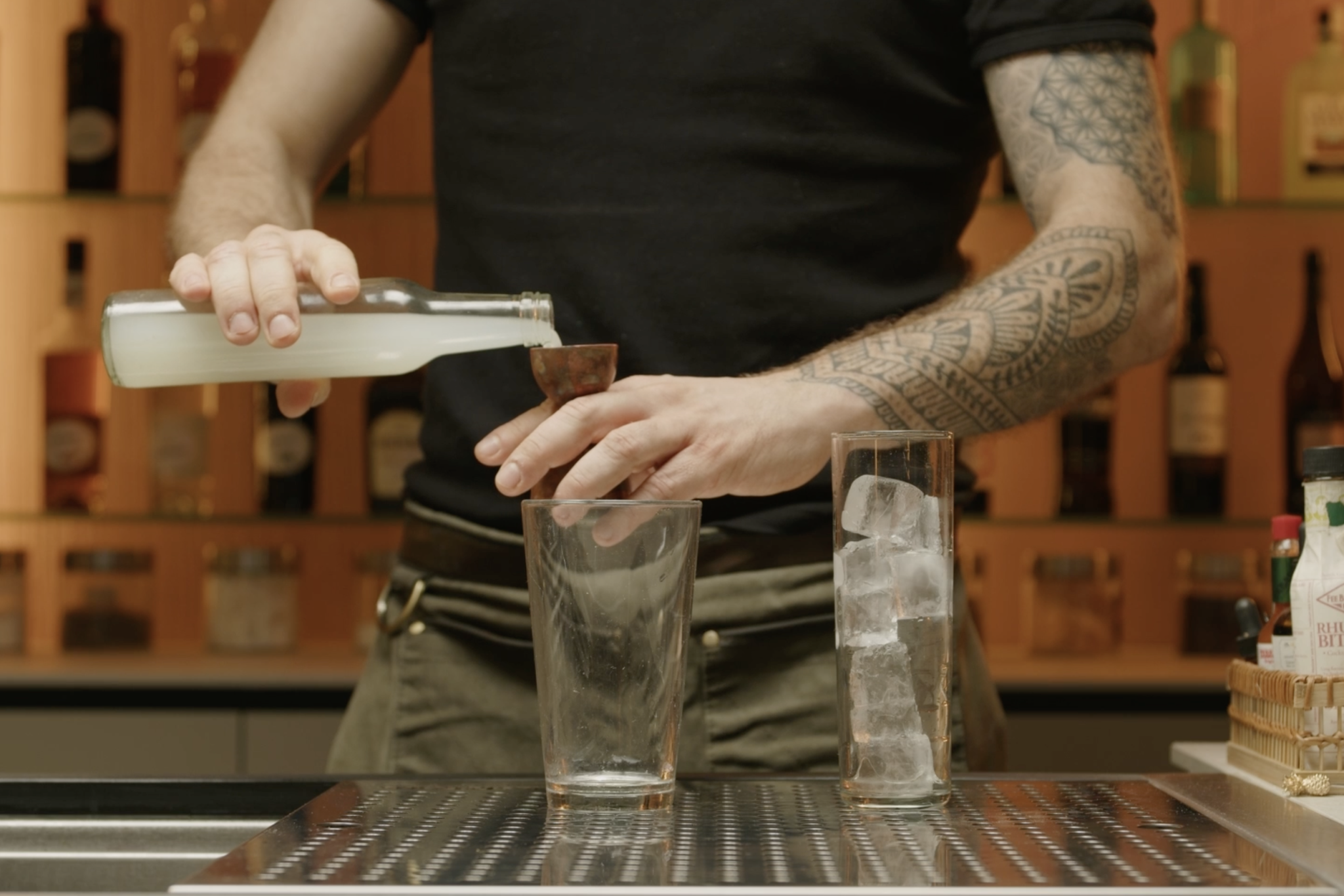
Lemon and lime juice are the most commonly used acids in cocktails. Lime is sharper and more tart, while lemon is a little softer and sweeter. Both juices work well in spirit-forward cocktails (like margaritas or whiskey sours) because they add brightness and balance to the drink without overpowering the other ingredients.
- Lime in Margaritas and Daiquiris: Lime is the perfect partner for tequila in a Margarita or um in a Daiquiri. Its sharp acidity cuts through the sweetness of Triple Sec or simple syrup, creating a refreshing, balanced drink.
- Lemon in Whiskey Sours: In a Whiskey Sour, lemon juice complements the rich, caramel notes of whiskey, bringing out the spirit’s brighter flavors while balancing the sweetness of the simple syrup.
Orange and Grapefruit Juice
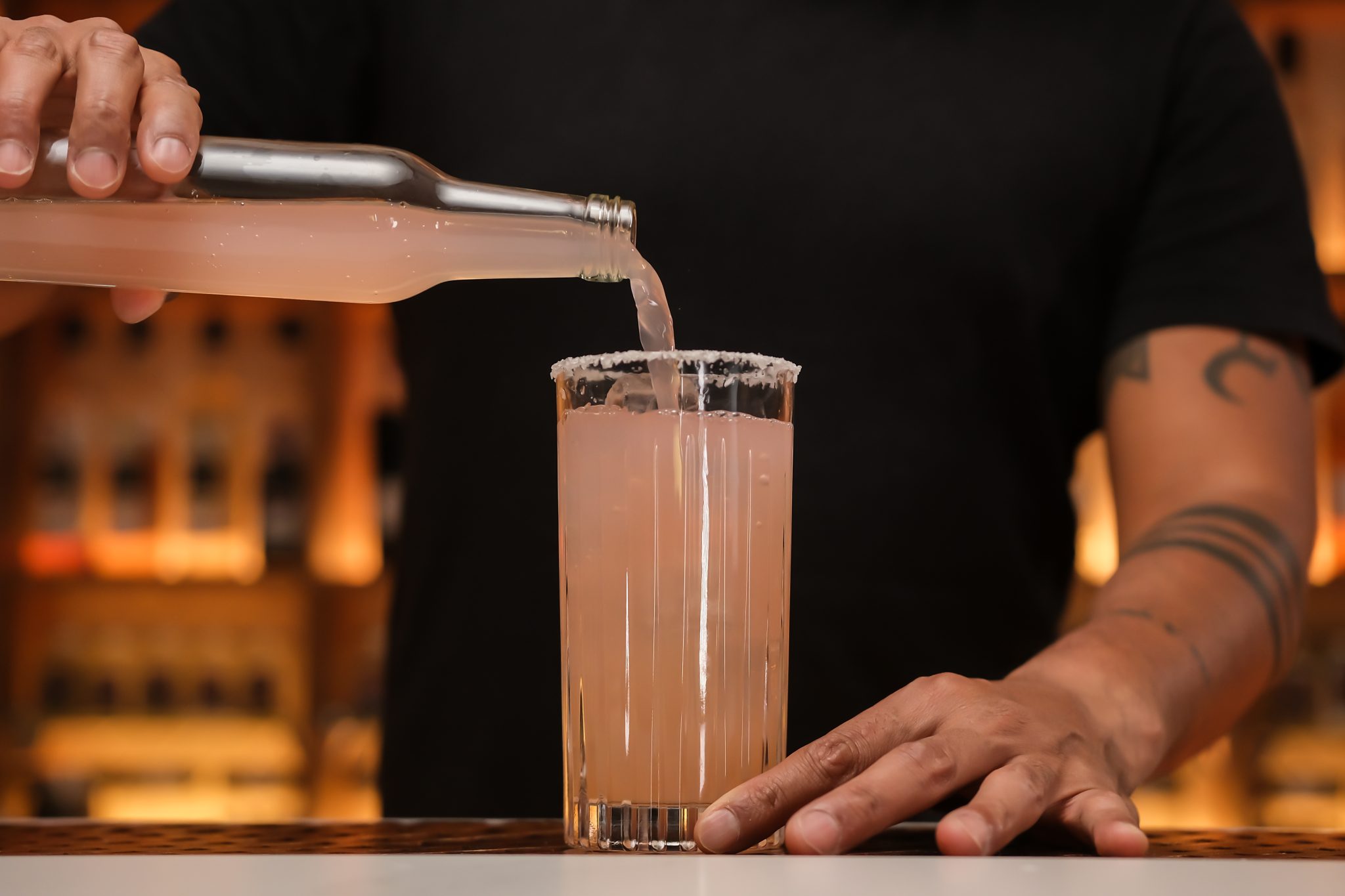
Orange and grapefruit juice have less acidity than lemon and lime, but they still add a lovely, citrusy note to cocktails. They work best in more delicate drinks, where you want to add a touch of sweetness (and bitterness in the case of grapefruit) along with the acid. Contrarily to lime and lemon, they are not generally used as the primary acidifying agent in a cocktail as they are not naturally sour enough. However, this can be fixed by adding citric acid powder to your orange or grapefruit juice. More on that later in this article!
- Grapefruit in Palomas: A classic Paloma pairs grapefruit juice with tequila, and the grapefruit provides a slightly bitter, citrusy acidity that balances the sweet soda and smoky tequila.
- Orange Juice in Brunch Cocktails: Think mimosas or a Harvey Wallbanger—orange juice adds sweetness and a light acidity to balance out heavier spirits and add a touch of fruity freshness to the drinks.
2. Vinegar-Based Acids
Vinegar in a cocktail? Don’t knock it until you’ve tried it. Vinegars, especially when made into shrubs, add a punchy, tangy depth that can make your cocktail stand out in a big way.
Shrubs

Shrubs are essentially vinegar-based syrups made by macerating fruits in vinegar and sugar. The result is a sweet-tart liquid that can add an entirely new dimension to your cocktails.
- How to Make a Shrub: Combine equal parts fruit, sugar, and vinegar (usually apple cider or red wine vinegar, but feel free to play with it). Let it sit for a few days to allow the flavors to meld, then strain and use it in your cocktails.
- Example Shrub Cocktail: A strawberry shrub mixed with gin, topped with sparkling water or ginger ale, is a refreshing way to use vinegar in a cocktail without it overwhelming the other ingredients. The acidity of the vinegar plays beautifully with the botanicals in the gin.
Balsamic Vinegar

Balsamic vinegar adds a deep, rich acidity, making it a great choice for cocktails that need a more complex, almost savory note.
- Example: Try mixing balsamic vinegar into a berry-based cocktail, like a Blackberry Gin Smash. The balsamic vinegar’s depth balances the sweetness of the berries, giving the drink an unexpected twist.
Vinegar is also particularly useful in the making of non-alcoholic cocktails or “mocktails”. These can be hard to create from scratch as they often lack texture and finish: one of the ways to solve this problem is to use a shrub in the recipe or to use a bar spoon (or just a few milliliters) of vinegar as the main acidifier in the drink acid. Vinegar tends to linger for long on the tongue and will help you create rich mocktails that are every bit as good as their alcoholic counterparts.
3. Tartaric Acid
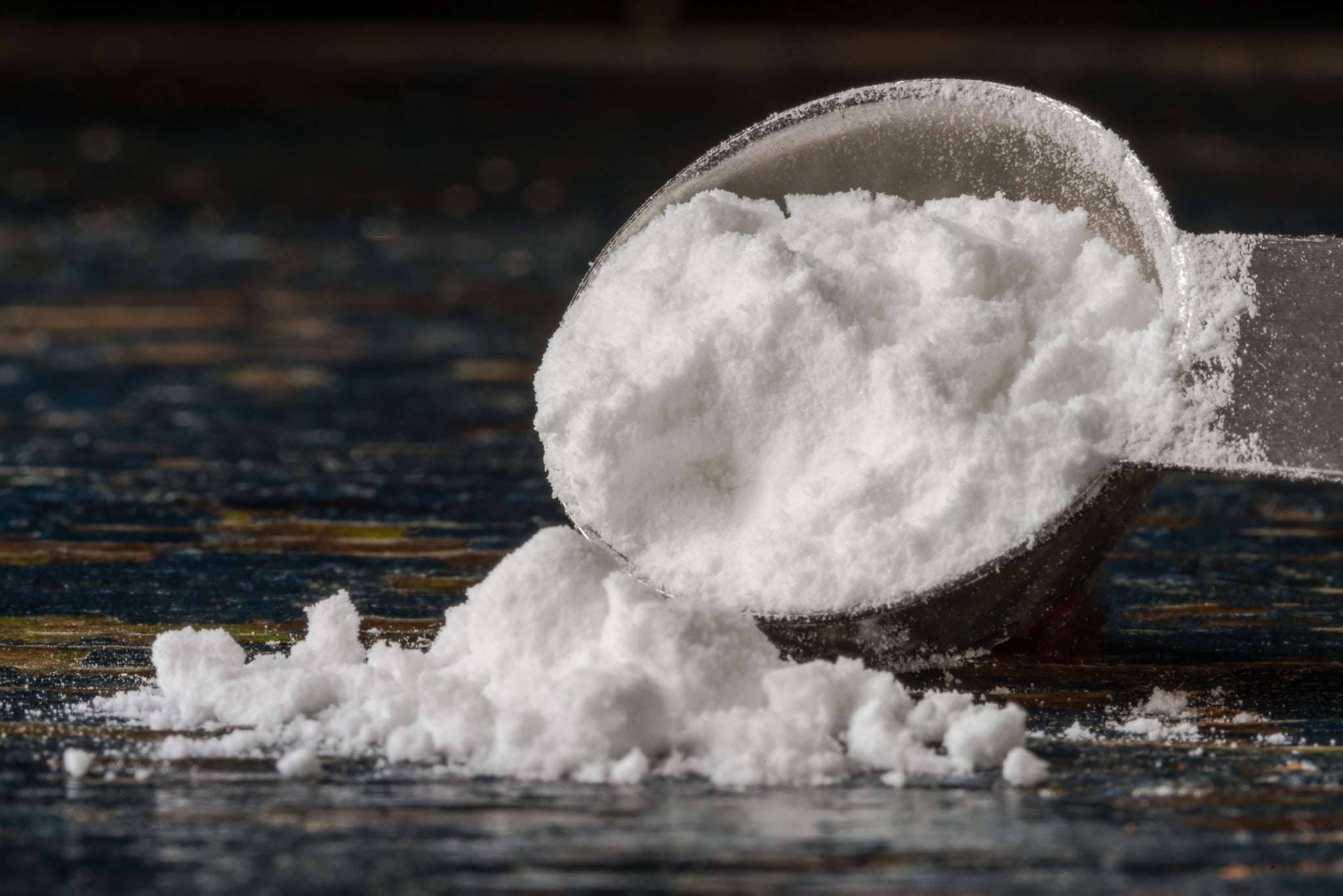
Tartaric acid is found naturally in grapes and is commonly used in wine-making. It has a sharper, more intense acidity compared to citric acid, which makes it perfect for drinks that need a little extra punch without adding any flavors.
- When & How to Use Tartaric Acid: This is perfect for wine-based cocktails or spritzers, where you want to boost the acidity without adding extra citrus flavors that could overwhelm the wine.
Tartaric acid is commonly sold in the form of a powder. Always follow the safety instructions on the label as acid powders are very abrasive on the skin, eyes and mucous membranes.
4. Malic Acid
Malic acid is naturally found in apples, pears, rhubarb and other fruits, giving them that signature tartness. It’s a bit softer than citric acid, with a more green apple-like flavor.
- When & How to Use Malic Acid: It’s great in cocktails where you want a more subtle, fruity acidity, like in an apple martini or a pear-infused cocktail. A pinch of malic acid can brighten these flavors without overpowering the drink. It pairs particularly well with apple, rhubarb and pear flavors and of course with apple distillates such as applejack and Calvados. It also tingles a different part of the tongue (a little more in the back) than citric acid contained in limes & lemons, so it will make for a different mouthfeel when used in cocktails.
5. Citric Acid

Citric acid is the pure form of the acidity found in citrus fruits: if you want the acidity of a lime or lemon without the taste, citric acid powder is what you are looking for.
Citric acid powder is often used as a substitute for fresh citrus juice when consistency and precision are key. It’s particularly useful for large batches of cocktails where squeezing lemons or limes for each serving might not be practical.
Another big upside to citric acid when making large batches of cocktails is that citric acid won’t go bad over time: for example, a mix of gin, fresh lemon juice and simple syrup will probably go bad in a week while the same mix of gin, simple syrup and citric acid this time will hold in the fridge for several month and up to a year (depending on the ratio of each ingredient).
It is also perfect for situations when you are looking for, for example, that crisp lemon mouthfeel but don’t want the lemon flavor to interfere with your cocktail: in that case, you can use a citric acid solution as a substitute for the lemon juice. Another great option is to add citric acid to another component in your cocktail: for example, you can acidify some fresh orange juice by mixing it with a bit of citric acid. You’ll end up with a juice that has the flavor of regular orange juice but also the acidity of lemon juice, and that you can hence use as a primary acid agent in your cocktails (it works very well in a Whiskey Sour or White Lady, where the acidified orange juice can be used as a substitute for the traditional lemon juice).
- When & How to Use Citric Acid: Dissolve citric acid powder in water or into the ingredient of your choice to create a concentrated solution that you can measure out in exact amounts. Always follow the safety instructions on the label as acid powders are very abrasive on the skin, eyes and mucous membranes. Acid powders should never be ingested pure and should be handled with care.
6. Lactic Acid

Lactic acid is commonly used in cocktails that need a creamy mouthfeel without the sharpness of citrus. It’s smooth and adds a lovely roundness to the drink; it gives a bit of that tangy yogurt sourness to your drinks. It provides a softer, creamier acidity and goes very well in cocktails involving chocolate, vanilla, or whenever you want to give your cocktail a soft dessert, gourmet vibe.
- When & How to Use Lactic Acid: This is often used in drinks like clarified milk punch, where you want a creamy texture without an overpowering tang. Lactic acid is what gives that smooth yet sharp finish to the drink. Lactic acid is commercially available in the form of powder or liquid solution. Always follow the safety instructions on the label as acid powders are very abrasive on the skin, eyes and mucous membranes.
Balancing Acidity in Cocktails
One of the most important things to remember when using acids in cocktails is that balance is key. Too much acidity and your cocktail will be overly tart and sharp. Too little, and it’ll taste flat and syrupy (which is, again, not necessarily a bad thing but it depends on the type of cocktail you’re making: if the recipe calls for acidity, then it will indeed be crucial to balance it correctly).
Techniques for Using Acids in Cocktails
Let’s get practical! Now that we’ve covered the types of acids and why they matter, let’s talk technique.
1. Using Fresh Citrus Juice
Fresh is always best when it comes to citrus juice. Here’s how to make sure you’re getting the most out of your lemons, limes, and other citrus fruits.
- Juicing Technique: For maximum juice, roll the fruit on the counter before cutting it. This breaks down some of the fibers and releases more juice. Then, use a hand juicer or reamer to extract the juice, making sure to strain out any seeds or pulp.
Pro Tip: Always peel your citrus before juicing them! There are so many things you can do with citrus zest (oleo-saccharum, syrups, citrus dusts…), it would be too bad to waste it!
- Prepping and Storing Citrus: If you need to juice ahead of time, filter the juice through a fine mesh strainer to remove the pulp (it will extend its shelf life) and store the juice in an airtight container in the fridge and use it within a day or two for the best flavor. Oxidation will degrade the juice’s freshness quickly.
2. Working with Acid Powders
Acid powders, like citric or malic acid, are great for precise acidity. Here’s how to use them:
- How to Dilute: Dilute acid powders in water to create a solution that can be easily measured and added to cocktails. A good starting point is to dissolve one teaspoon of citric acid in 100 ml of water, then adjust based on taste. Always refer to the instructions and safety precautions on the label before using.
- Precision in Large Batches: Using powdered acids is especially helpful for large batches of cocktails where fresh juice might lose its brightness over time. Citric acid solutions are much more stable and give you consistent results with each pour (see above, “Citric Acid” section).
3. Creating Shrubs
Want to make your own shrub? Here’s a simple guide to creating this sweet-tart syrup.
- How to Make a Shrub: Mix equal parts fruit, sugar, and vinegar (apple cider vinegar works great for most fruits). Let the mixture sit for a few days to infuse (making sure to give it a stir regularly to avoid sugar crystallization) then strain out the solids. The result is a tangy, fruity syrup that adds a punchy acidity to your cocktails.
- Using Shrubs in Cocktails: Shrubs work best in drinks where you want both sweetness and acidity, like a gin and tonic or a whiskey sour variation. The vinegar brings complexity and depth while still offering that refreshing acidity. It’s also perfect to bring some character and kick to non-alcoholic cocktails.
Cocktail Recipes Showcasing Acids
Let’s look at some classic cocktails that use acids to their fullest potential.

A whiskey sour is all about balancing the rich, bold flavors of bourbon with the tartness of lemon juice. Here’s the perfect ratio to get that balance just right:
- Recipe:
- 2 oz bourbon
- 1 oz lemon juice (freshly squeezed)
- ¾ oz simple syrup
- Egg white (optional, for a frothy texture)
Pro Tip: For a simple yet great twist on this cocktail, simply use fresh orange juice mixed with citric acid powder instead of lemon juice. Add 2 dashes of orange bitters, proceed as usual, and enjoy!
Aviation with Citric Acid
The Aviation Cocktail is one of these drinks where you can use citric acid instead of fresh lemon juice: it is particularly useful if you’re thinking of pre-batching. Using citric acid also allows the floral notes in this drink to become the star of the show and gives it an elegant, crystal-clear sky-blue color.
- Recipe:
- 2 oz London Dry Gin
- ½ oz Citric Acid solution
- ½ oz Maraschino Liqueur
- ¼ oz Crème de Violette

The Ramos Gin Fizz is all about that frothy, creamy texture, but the acidity of lemon and lime juice keeps it from feeling too heavy. The blend of citrus is really important here: they both bring different flavors as well as a different mouthfeel, which are crucial in balancing this complex drink.
- Recipe:
- 2 oz gin
- ½ oz lemon juice
- ½ oz lime juice
- ¾ oz simple syrup
- Egg white
- 2 oz cream
- 2 drops of orange flower water
- Shake and strain into a tall glass with club soda.
Balsamic Strawberry Collins
This modern cocktail brings balsamic vinegar into the mix, using it to balance the sweetness of the strawberries and the botanicals of the gin.
- Recipe:
- 2 oz gin
- 1 oz strawberry balsamic shrub
- ½ oz lemon juice
- Top with sparkling water
- Shake, strain and serve over ice cubes. Garnish with a fresh strawberry and/or a lemon peel, and enjoy!
Troubleshooting Acidity in Cocktails
When using acids, it’s easy to overdo it. Here’s how to fix common acidity issues.
1. Too Tart?
If your cocktail tastes too sour, add a bit more sweetener to balance it out. You can also dilute the drink with ice or sparkling water to soften the acidity.
2. Not Enough Brightness?
If your cocktail tastes flat, it might need a bit more acidity. Add small amounts of lemon or lime juice (or an acid solution) until the drink pops.
3. Too Bitter?
Acidity is also a great ally for counterbalancing bitterness. If you feel like you put a little too much bitter or would like to round up the edge of a gin-based cocktail, try adding a bar spoon of acid or citrus juice to the mix to balance it.
Conclusion: Mastering Acidity in Cocktails
Acids are an essential part of cocktail making, bringing balance, brightness, and complexity to your drinks. Whether you’re squeezing fresh citrus or experimenting with vinegar-based shrubs, understanding how to use acids will take your cocktails to the next level. At drinksworld.com, we love experimenting with new ways to play with acidity in cocktails, and now you can too.
So grab your juicer, mix up a shrub, or try your hand at citric acid solutions: you’ll be amazed at how much of a difference a little acidity can make in your next cocktail creation!