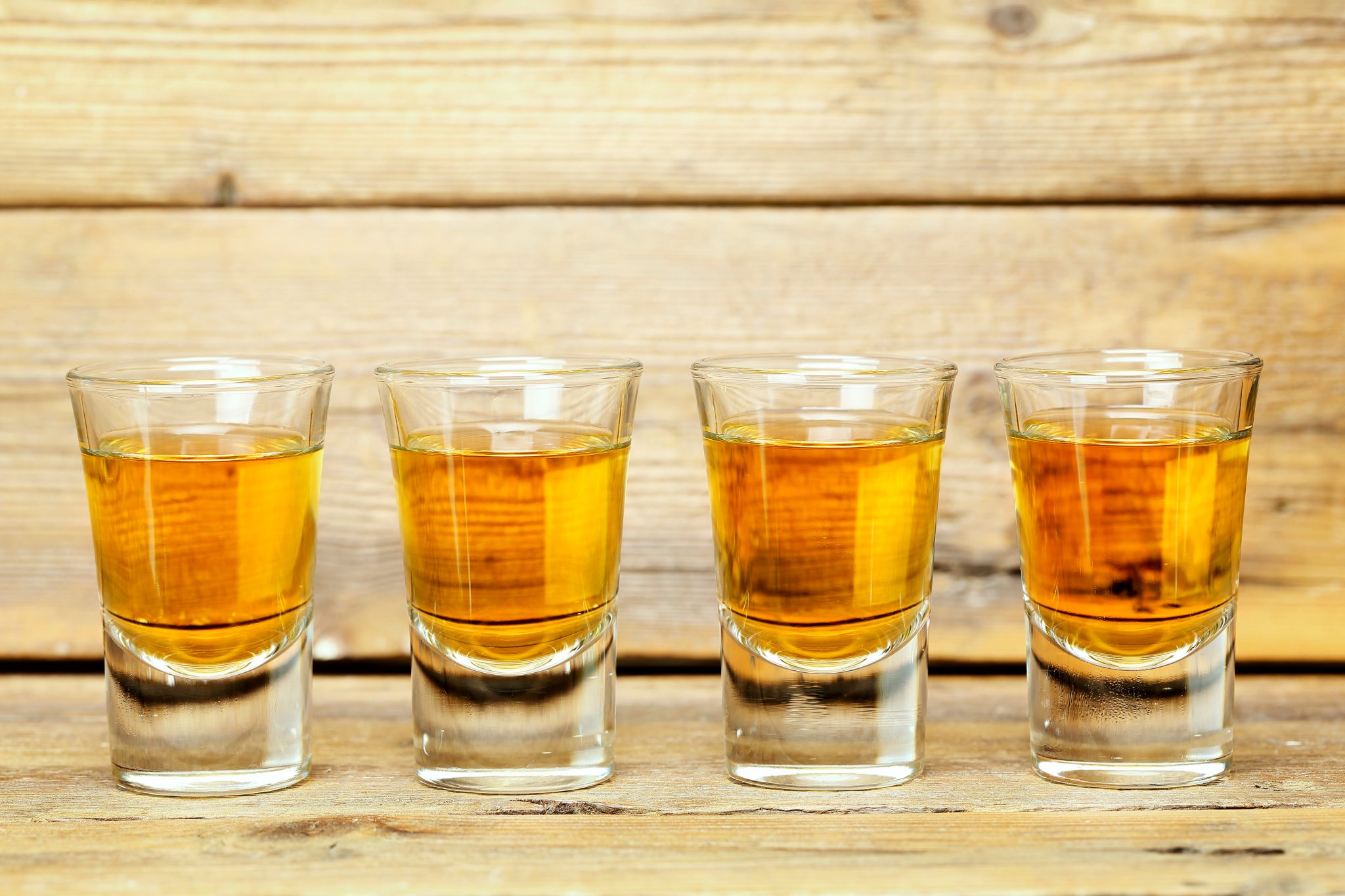
On average, it takes 4-5 shots of 40% ABV spirits for men and 3-4 shots for women, consumed within 2 hours, to reach the legally drunk status of a 0.08% BAC.
However, factors like body weight, metabolism, and tolerance can affect how quickly someone becomes intoxicated.
In this article, we will go deeper into the science behind getting drunk from taking shots, the key factors that impact alcohol absorption, and how different types of alcohol and personal habits influence the number of shots it takes to reach different levels of intoxication.
What Defines ‘Drunk’?
First things first, let’s talk about what it means to be “drunk.” It’s not a one-size-fits-all label. Feeling a little buzzed after a shot or two differs from that full-blown “I’m going to regret this tomorrow” state.
There are levels to being drunk:
- Buzzed: That warm, light feeling where things start feeling good. You’re not drunk, but you’re definitely not sober.
- Tipsy: The world’s more fun, conversations get easier, and you might start dancing. This is often the sweet spot for most people.
- Drunk: Your speech slurs, your balance is off, and you’re thinking a little less clearly. Things are still fun, but the control is slipping.
- Wasted: This is the point where you’ve had too much. You’re either laughing uncontrollably or hugging the toilet. Definitely not where we want to be!
Now, scientifically, being drunk is defined by your Blood Alcohol Content (BAC). In most places, a BAC of 0.08% is considered legally drunk, but depending on how you handle alcohol, you might feel the effects much sooner—or not until much later.
Factors That Affect How Many Shots It Takes to Get Drunk
Okay, now that we know what “drunk” means, let’s talk about the factors that play into how many shots it takes to get there. Spoiler alert: It’s not the same for everyone.
Body Weight and Size
This one’s a no-brainer. The bigger you are, the more water your body has, and alcohol dilutes in water. That means a smaller person will generally feel the effects of alcohol much faster than someone larger.
Gender
Yes, gender plays a role too. Generally speaking, women tend to get drunk faster than men. This is due to differences in body composition—men usually have more muscle (which holds more water), while women tend to have more fat (which doesn’t absorb alcohol). Plus, hormones can affect alcohol metabolism too.
Age
Let’s face it, we can’t party like we did when we were 21. As we age, our bodies metabolize alcohol differently. Older adults tend to get drunk quicker because the body slows down its ability to process alcohol.
Metabolism
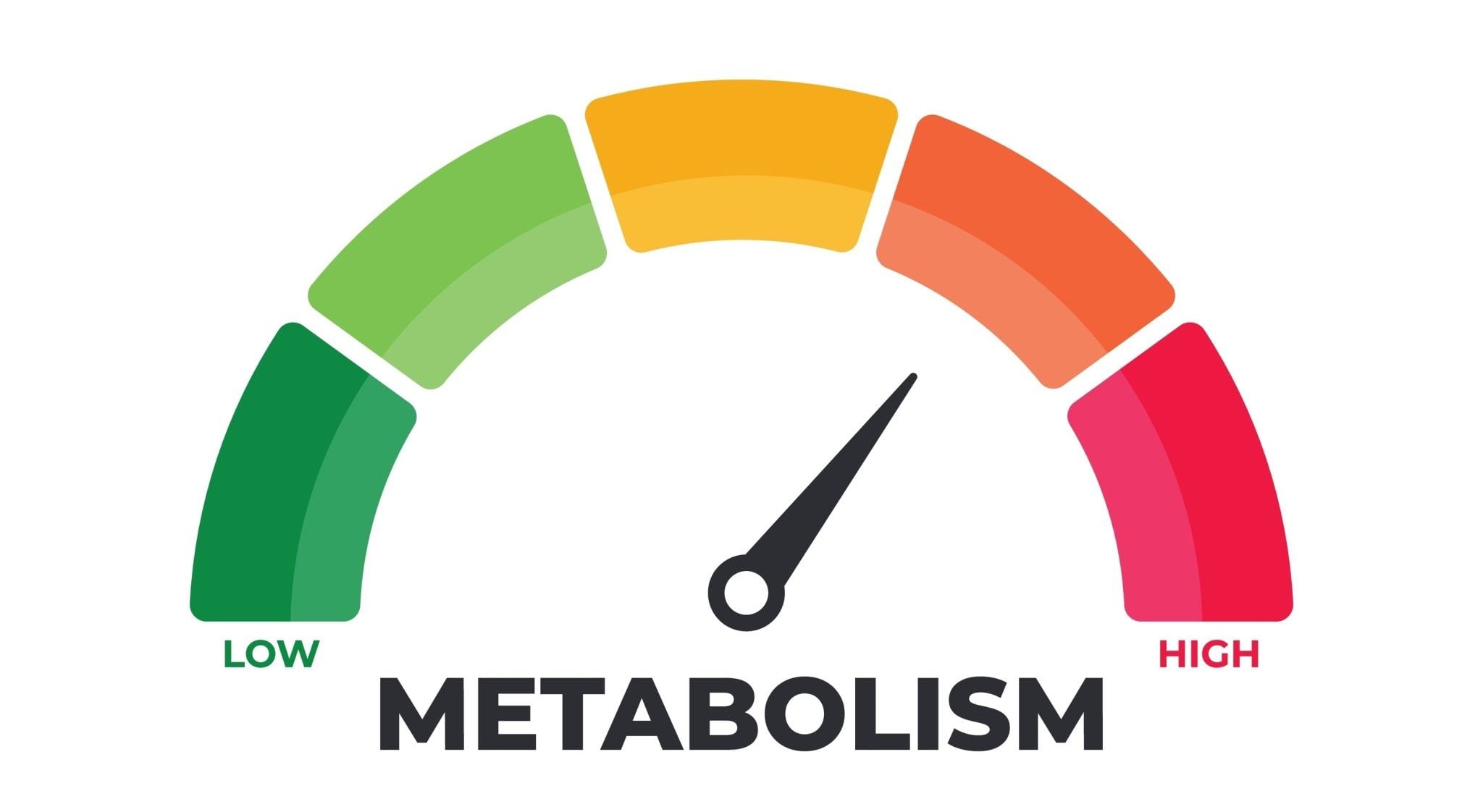
Are you someone who can eat anything and not gain a pound, or do you feel like every calorie counts? Your metabolism plays a big role in how fast you process alcohol. A slower metabolism means alcohol hangs out in your system longer, making you feel drunker for a longer period.
Food Intake
Eating before you drink can be a game-changer. Drinking on an empty stomach? The alcohol goes straight to your bloodstream and hits you faster. Have a full meal before hitting the shots, and your body absorbs the alcohol more slowly. Food acts like a buffer, especially fatty or protein-rich foods.
Hydration Levels
Ever notice that after a workout or a day in the sun, alcohol hits you harder? That’s because your body’s dehydrated, and alcohol is a diuretic (aka it dehydrates you more). Staying hydrated can slow down the effects of alcohol, while dehydration can make one or two shots feel like five.
Tolerance
How often do you drink? If you’re someone who enjoys cocktails on the regular, you’ve likely built up a tolerance. This means it will take more shots to get you drunk compared to someone who rarely drinks. But keep in mind—tolerance isn’t a good thing. It’s just your body adapting, but the alcohol is still doing its damage.
Type of Alcohol
Not all shots are created equal. A shot of vodka or tequila isn’t the same as a shot of irish cream or fruit liqueur. Different spirits have different alcohol by volume (ABV), and that makes a difference in how drunk you get.
Mood and Environment
Ever notice how you feel differently when you’re drinking at a party versus sitting at home? Mood and setting can affect how you perceive alcohol’s effects. Excitement or stress can make alcohol hit you faster or harder.
Calculating How Many Shots to Get Drunk
Online BAC calculators can give you a more precise estimate based on various factors. We find the DrinkFox BAC Calculator the best one as it provides a comprehensive table of legal BAC limits for different U.S. states and offers real-time tracking of metabolism progress.
Here’s a simple breakdown of how BAC increases with each shot based on example body weights, using vodka (40% ABV) as the baseline:
- For a 150 lb male: One shot typically raises BAC by around 0.02%. After 4-5 shots, you’ll likely hit the 0.08% mark, which is legally drunk in most places.
- For a 120 lb female: One shot can raise BAC to 0.03-0.04%. After 3-4 shots, you’re probably crossing into legally drunk territory.
- For a 200 lb male: One shot typically raises BAC by about 0.015%. After 5-6 shots, you’ll likely reach the 0.08% legal limit.
- For a 170 lb female: One shot raises BAC by around 0.02%. After 4-5 shots, you’re likely approaching or reaching the 0.08% mark, legally drunk in most places.
Fancy tequila? Learn The Proper Way to Take a Shot of Tequila.
Our favorite layered shot is the B-52!
These numbers will fluctuate depending on what we discussed earlier (food, hydration, etc.), but this gives you a general idea. Keep in mind, that everyone is different, and drinking responsibly means knowing your own limits.
How Long Does It Take to Feel Drunk?
So, you’ve taken a couple of shots, and now you’re wondering, How long until I feel it? Well, the effects of alcohol aren’t instant—although we’re sure you’ve had those moments where it felt like it hit you like a freight train.
We find that Northwestern Medicine describes it in the best way:
Within about 10 minutes, you’ll feel a slight warmth or relaxation as the alcohol enters your bloodstream. After 20 to 30 minutes, most people feel a noticeable buzz. If you’ve been sipping slowly, you’re likely feeling good, but if you’ve been taking shots quickly, you might start to feel tipsy or lightheaded. By 30 to 45 minutes, you’re feeling the full effects of the alcohol and will notice whether you’ve crossed into drunk territory or are just happily buzzed.
It’s important to give your body time to adjust before throwing back more shots. If you’re drinking too quickly, you won’t realize how drunk you’re getting until it’s too late.
Another thing to keep in mind is how long the effects last. Typically, alcohol is processed at a rate of about one drink per hour. That means if you stop drinking after three shots, it could take about three hours for your body to return to baseline.
The Risks of Drinking Too Many Shots
We’ve all been there—everything’s going great, the music is bumping, and shots are flowing. But then there’s that one shot too many, and suddenly things take a turn. This is why it’s so important to recognize the risks of drinking too many shots. We’ve listed the most obvious risks below. Visit the NIAAA danger-of-alcohol-page to get a more detailed view.
Alcohol Poisoning
Let’s get serious for a minute: alcohol poisoning is a real and dangerous risk when you consume too much, too fast. Your body can only process so much alcohol at once, and when your BAC shoots up quickly (hello, shots!), it can overwhelm your system. Signs of alcohol poisoning include confusion, vomiting, seizures, slow or irregular breathing, and unconsciousness. If you or a friend shows these symptoms, seek medical help immediately.
Blackouts and Memory Loss
We’ve all heard stories of people who wake up the next day with no memory of how they got home. That’s called a blackout, and it’s your brain’s way of saying, “I can’t keep up.” When you drink too much, your brain’s ability to form new memories gets disrupted. This doesn’t mean you’re unconscious (though that can happen too)—you might be walking, talking, and even socializing, but the memories won’t stick. Scary, right?
Hangovers

Ah, the dreaded hangover. After a night of too many shots, you can expect a lovely cocktail of headache, nausea, fatigue, and dehydration the next day. Hangovers are your body’s way of reminding you that it’s not a fan of overindulgence. Staying hydrated and eating beforehand can help, but once the damage is done, there’s no magic cure.
Long-Term Health Effects
While the occasional night of shots isn’t going to ruin your health, regular heavy drinking can have serious long-term effects. Liver damage, heart disease, and even brain damage are all linked to excessive alcohol consumption. Moderation is key, and knowing your limits is the best way to avoid these risks.
Legal and Social Consequences
We can’t talk about drinking without mentioning the consequences outside of your body. Drinking too much can lead to poor decisions—like driving under the influence. Not only is it dangerous, but it’s also illegal. DUIs come with hefty fines, jail time, and the risk of harming yourself or others. And let’s not forget the social fallout of drinking too much—you don’t want to be that person at the party who everyone talks about the next day.
FAQs
Does the alcohol content depend on the type of shot?
On average, most spirits like vodka, whiskey, tequila, rum, and gin have around 40% ABV, so the alcohol content per shot is generally the same. The main exception is some cask-strength whiskey, which can range from 50-60% ABV, making it stronger.
Can you sober up quickly?
There’s no quick fix to sober up. Coffee, cold showers, or food won’t speed up the process of lowering your BAC. Only time can reduce your BAC as your body processes the alcohol naturally.
How can I estimate my BAC without a calculator?
While BAC calculators are the most accurate way to estimate your blood alcohol content, a rough estimate can be made using general guidelines—such as one standard drink per hour increases BAC by about 0.02% for most people.
Does drinking water help prevent getting drunk?
Drinking water won’t prevent you from getting drunk, but it can help slow the absorption of alcohol and keep you hydrated, which may reduce the severity of a hangover. Alternating alcoholic drinks with water is a good strategy for pacing yourself. Or opt for low alcoholic drinks!