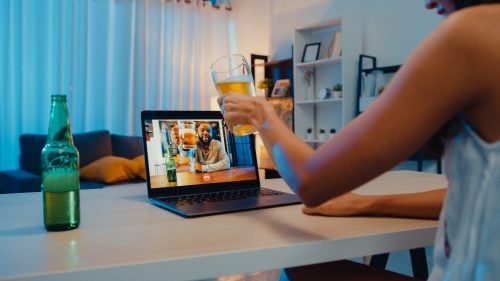
During the COVID-19 pandemic, a side phenomenon came with it: People all over the world started drinking more. Lockdowns meant they had more time on their hands and very little to do with it, so drinking at home became commonplace.
In America, alcohol sales rose by 3% and 25% of people admitted to drinking more, and it was a similar story in the UK. But in some countries, alcohol was banned completely, making for a very different lockdown situation.
While this discussion could be a much longer and in-depth examination of how alcohol shapes and transforms a society over history, we’ll focus on a few key regions and observe how alcohol bans and regulations shape society around the world.
Forced sobriety in South Africa
Alcohol is big business in South Africa, being home to some of the heaviest drinkers in the world. As a result, in 2016, one in every ten deaths in the country could be attributed to alcohol in some way, including medically-induced reasons and drunk driving.
On the flip side, alcohol has helped create much-needed jobs in the country, with over a million people employed in the industry.
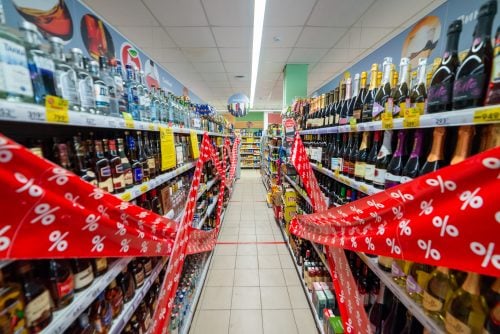
So, when COVID-19 hit and the South African government enforced lockdown bans on the sale of alcohol, it was an interesting social experiment.
What was the positive impact of banning alcohol?
The critical reason for banning the sale of alcohol in South Africa was to free up medical professionals to focus on those sick with COVID-19. Before the pandemic, hospitals were constantly full of people with alcohol-induced ailments or injuries.
As COVID-19 became prevalent, the country was the fifth worst-affected in the world. Keeping those beds free for COVID-19 sufferers was vital.
The bans were extremely effective, not only for hospitals, but for other emergency services too. There were fewer acts of violence during the bans and a huge decrease in crime in general.
Similar measures were put in place in other countries too. Thailand and India both placed bans on alcohol consumption during the pandemic, but lifted them when lockdowns relaxed.
Deciding to lift the ban
When alcohol restrictions were relaxed, South Africans were quick to hit the booze, with queues forming outside liquor stores and the alcohol industry reporting their best-ever earnings. Emergency room visits doubled, and reports of domestic violence increased dramatically.
The government had intended the bans to be temporary, but they highlighted a serious problem with drinking in the country. The problem with long-term bans is that they encourage a black market for alcohol, as proven by Prohibition and the numerous speakeasies that popped up, many of which are still open today.
Ministers regularly discuss how they can help people find a healthier relationship with alcohol. They intend to increase the legal drinking age to 21, ban alcohol sales and advertising on social media and place regulations around how close you can sell alcohol to schools and religious settings.
These policies have been in discussion since 2016, but seem more likely to become law now.
Alcohol bans in other parts of the world
There are countries in the world that have a blanket ban on alcohol—and have for quite some time. Let’s have a look at the positive and negative effects of these bans.
Yemen
In theory, alcohol is banned in Yemen as it is a Muslim country, but it is still relatively easy to find. Grocery stores have hidden back rooms where they sell alcohol illegally and police turn a blind eye to drinking in the home.
Because alcohol is illegal, treating alcoholism is next to impossible. There are a few treatment centers, but they are not well-known or attended. That means that anyone suffering with an alcohol problem is more likely to go to jail than get the help they need.
Bangladesh
Alcohol restrictions in Bangladesh have been quite successful, with around 90% of the population completely sober and any alcohol-related issues non-existent. That said, laws around the sale of alcohol changed two years ago, bringing in more structure and a little more leniency.
A minimum age requirement for buying alcohol was introduced in 2022. Because it was illegal to purchase before, there was no legal age. You can now purchase alcohol if you are over 21, but it must be from someone with a license.
The fees for licenses have increased and bottles need to show a health warning on the label. Also, alcohol is not allowed to be on display for sale and traders may not sell it on a Friday or any of the religious public holidays.
The Maldives
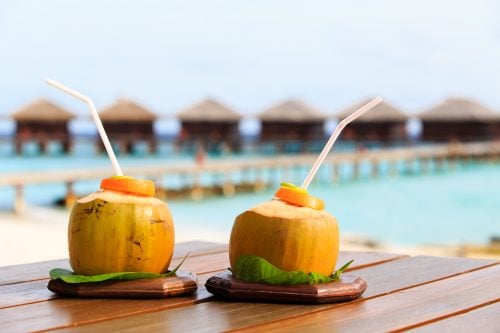
Since the Maldives is a hugely popular tourist destination, visitors are allowed to drink, but only in certain resorts and there are severe penalties for trying to bring alcohol into or out of the country. And despite the relaxed(!) laws for tourists, natives are forbidden from touching a drop.
Perhaps this is why the Maldives has such a great reputation for wellness retreats. Spas like Joali Being regularly top top ten lists, as people focus on disconnecting from the world. It is much easier to feel healthy and at one with nature without alcohol and the resorts are experts at helping with this.
Effect on social activities
For many people around the world, drinking together is an important social activity. But in places like the Maldives, locals have to come together in other ways.
The Maldives has a strong sports scene, with football being the most popular. They enjoy tennis and various watersports, thanks to the vast expanses of sea at their disposal. Dance is another popular social activity, heavily influenced by Bollywood movies.
In Bangladesh, there are lots of social clubs, with swimming pools, gyms and restaurants. These tend to be member-only establishments but some of them do have bars selling alcohol.
Most countries that have banned the sale of alcohol have done so for religious reasons. The religious communities in these countries are thriving and this means a lot of social contact comes from ceremonies, events and services dedicated to their faith.
Many people connect through their shared beliefs, which creates a different social society to what countries with high alcohol consumption are used to.
Alcohol, or the lack of it, can have a profound effect on the social customs of a country. But where do you stand on the issue? Is a complete ban a responsible thing to do, should there be tougher restrictions where alcohol is a big social issue, or should governments be more lenient in general?
Whatever the decisions made by each society and individual, it remains clear that each one shapes and transforms the way in which people live.