When it comes to rum, there’s a whole world of styles, flavors, and traditions waiting to be explored. Unlike whisky or tequila, rum doesn’t have a single, strict set of rules governing how it’s made. Instead, its character varies widely depending on the raw material, production methods, aging practices, and regional influences. Let’s break down the basics so you can better appreciate this endlessly versatile spirit.
By Raw Material
Molasses-Based Rum
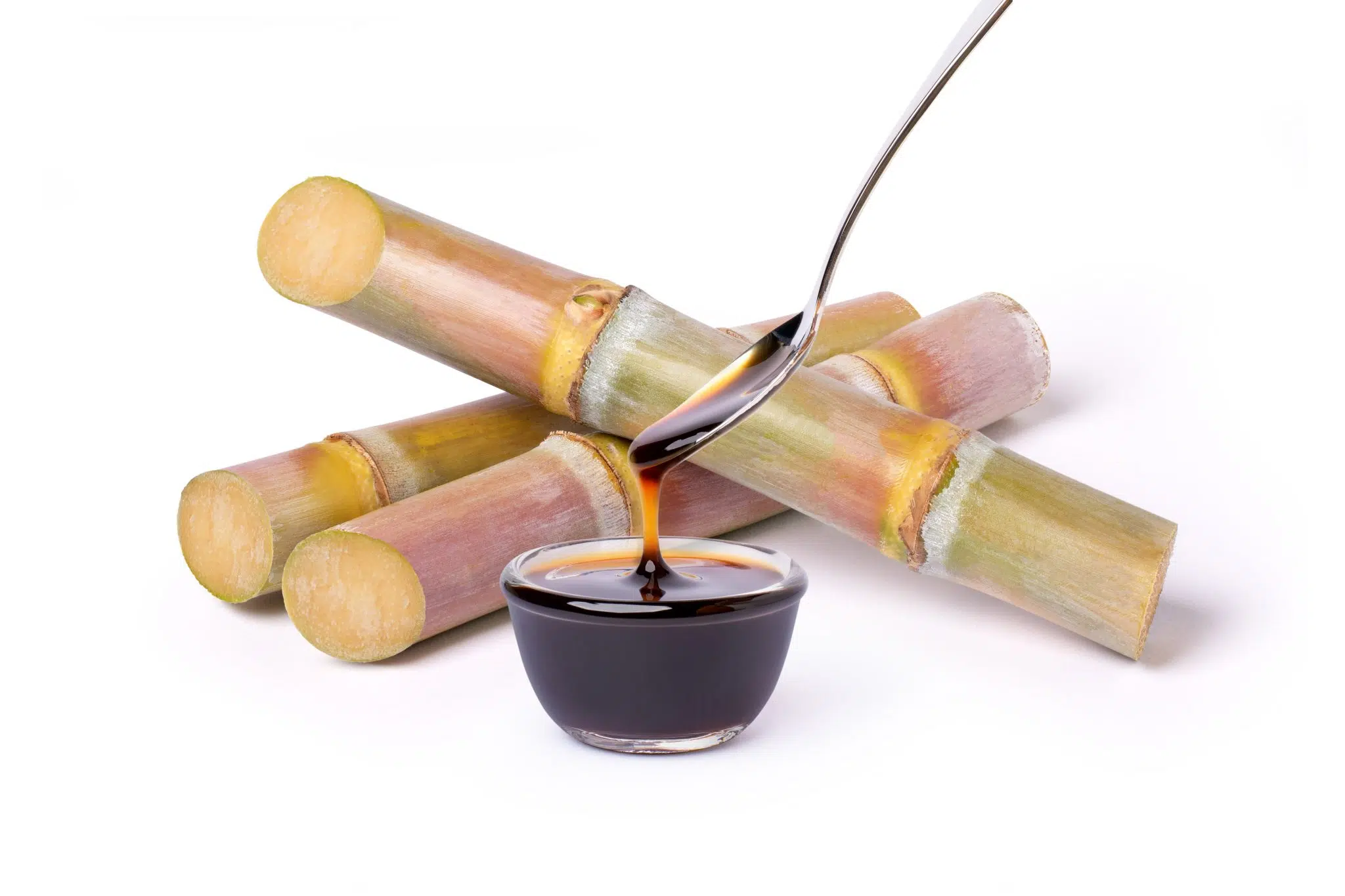
Most rum you’ll find starts off as molasses, which is a thick, syrupy byproduct of sugar production. Molasses-based rums often taste richer, sweeter, and often lighter than rums made from sugarcane juice.
Sugarcane Juice (Agricole Rum)
Rhum Agricole (as it’s often called) is made directly from fresh sugarcane juice rather than molasses. These rums have a grassy, fresh, and sometimes funky taste that’s totally different from the caramel richness of molasses-based rums. They’re common in the French Caribbean islands and add a unique, terroir-driven twist to the category.

Other Sugar Sources
Some experimental distilleries might use other base ingredients (such as beets, for example!) or other unconventional sources. They’re rare and not typically what you’ll find on your local liquor shelf, but they show how creative the rum world can be. Legally, these products cannot be called rum (as loose as the regulation around rum is, it still specifies that rum should be made from sugarcane).
By Production Method
Pot Still Rums
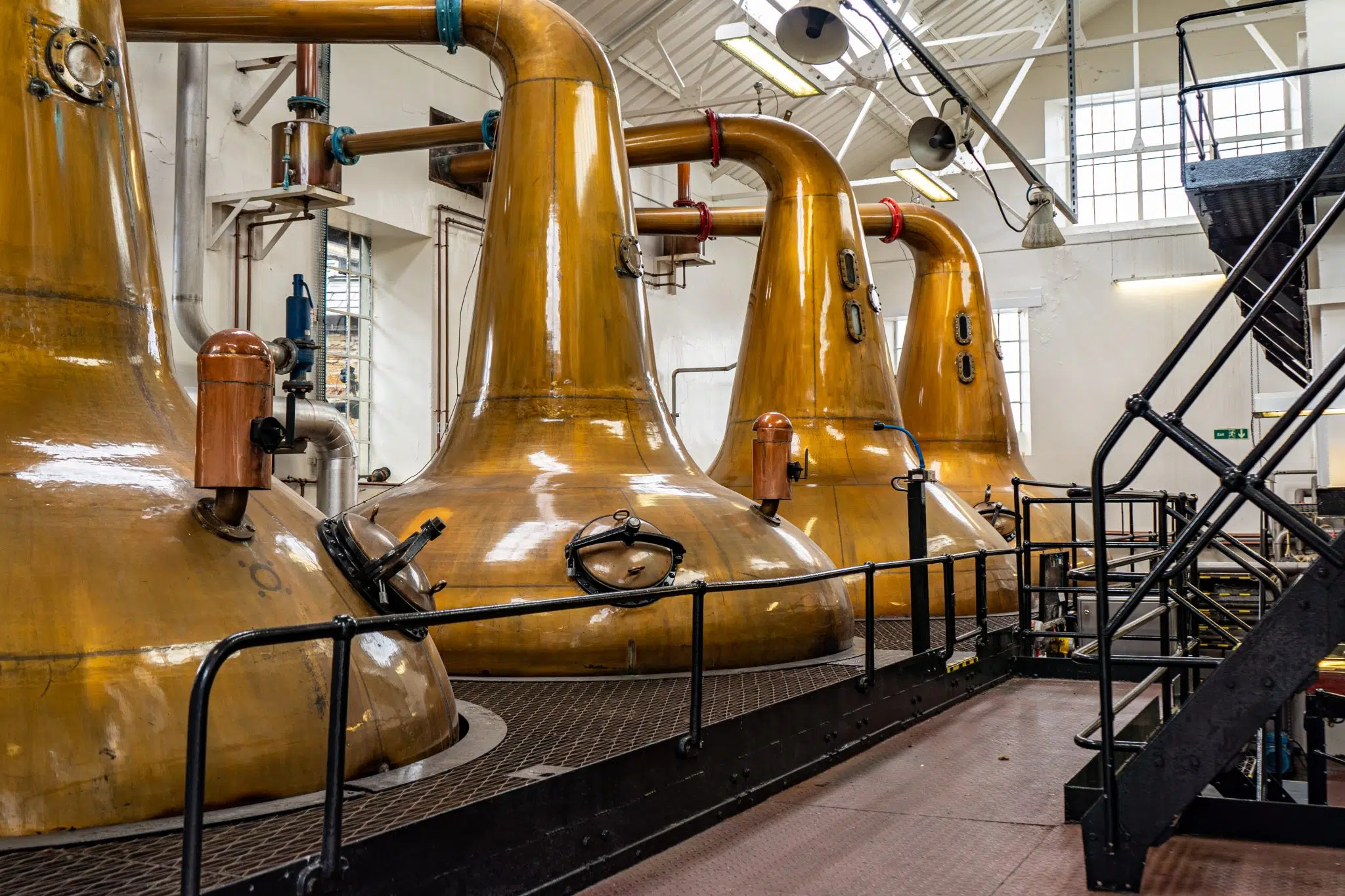
Pot stills typically produce heavier, more robust rums. These are great if you like a spirit with a lot of personality—think big, bold flavors and plenty of complexity.
Column Still Rums
Column stills produce lighter, cleaner spirits. Many of the light and gold rums you’ll sip in cocktails come from column stills, as do the crisp Cuban-style rums famous for their smoothness.

By Aging
When it comes to aging, keep in mind there’s a difference between “white rum” and “light rum,” and the terms aren’t always as straightforward as they seem.
White Rum
White rum, sometimes called silver or unaged rum, is often aged very briefly (if at all) to keep it clear and mild-tasting. Some white rums are aged then filtered to remove color, but the idea is to keep the flavor subtle.
Light Rum
Light rum usually refers to a gentle-tasting, molasses-based rum made in a column still with minimal aging. Think Cuban-style: crisp, clean, and ideal for mixing. Remember: “light” is about flavor style, “white” refers to how it looks. It’s possible to have a white rum that’s actually quite bold (like a Jamaican white rum), while a light rum aims to be delicate in taste. This makes white rum great for cocktails where you don’t want the rum’s personality to overshadow the other ingredients, for example in a Mojito or classic Daiquiri.
Gold or Amber Rum
These rums see a moderate amount of aging, typically 1–5 years, which lends them a warm color and richer flavors. They pick up notes of vanilla, caramel, and gentle spice from the oak barrels. They’re versatile—delicious neat, but also fantastic in cocktails.
Dark & Black Rum
Dark rums can be older or might just have added caramel or molasses to deepen the color and flavor. Black rums (like Kraken or Goslings) get their super-dark hue from these additions, not necessarily from extra-long aging. They tend to be bolder, with richer, molasses-like flavors that stand out in drinks like a Dark ’n Stormy or a Corn ‘n Oil.

Barrel Types and Selection
Oak barrels, especially American white oak, are the go-to for aging rum. Used bourbon barrels are common, lending vanilla, caramel, and gentle spice notes. Some rums get more adventurous, using French oak for spicier, more tannic flavors, or finishing their aging in sherry, port, or cognac barrels to add layers of dark fruit, chocolate, or nuttiness. The way a barrel is toasted or charred also affects the final taste, unlocking smoky, caramelized flavors that give rum depth and complexity.
By Flavoring
Spiced Rum
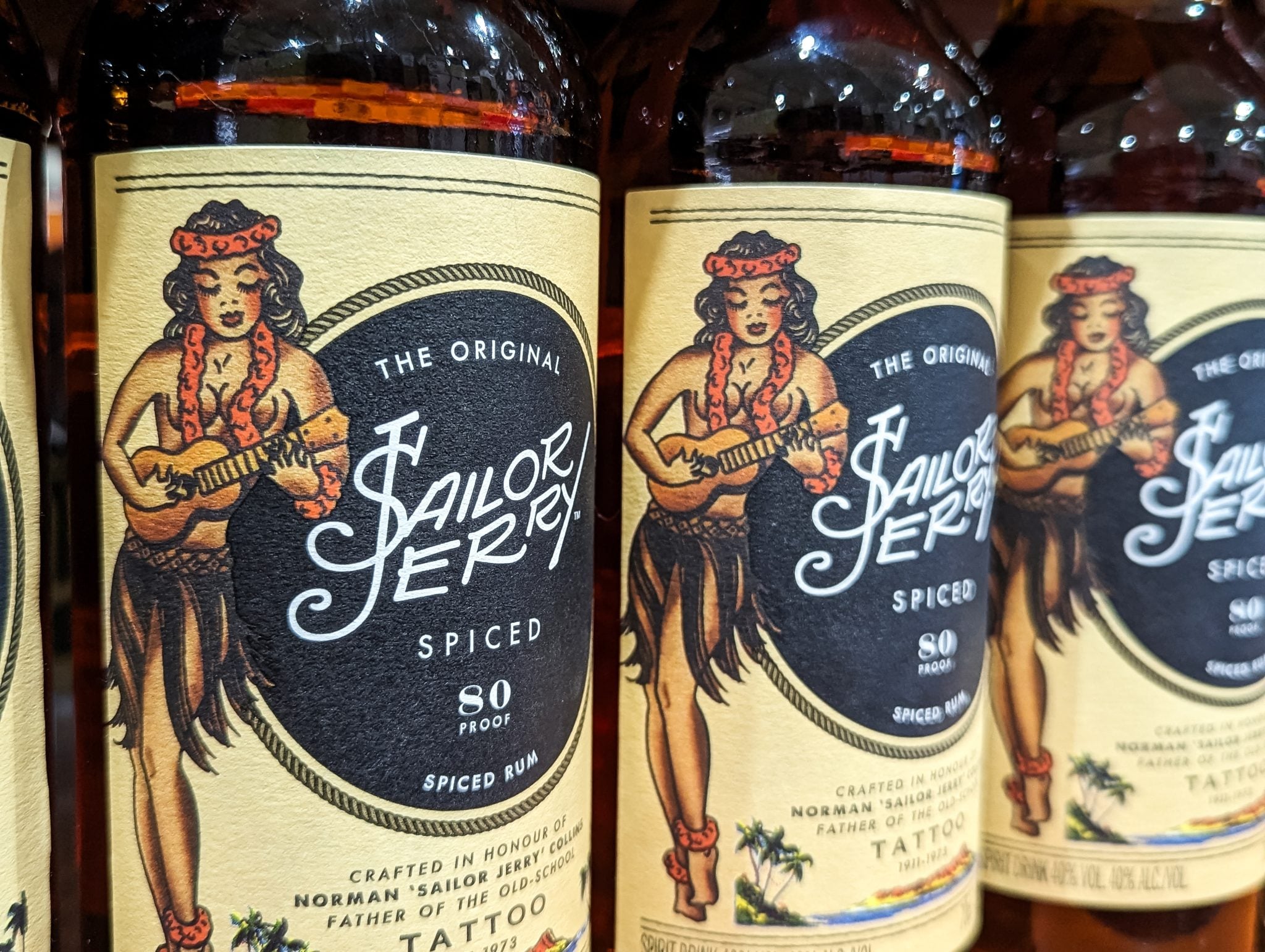
Spiced rum usually starts as a gold or dark rum that’s been aged for a couple of years, then infused with spices like vanilla, cinnamon, or clove. The goal is a warm, festive flavor—perfect for sipping with a twist of lime or mixing into cocktails. Unlike some flavored spirits, traditional spiced rums don’t have added sugar; it’s all about the spice.
Rhum Arrangé
Coming from the French islands (like La Réunion), rhum arrangé involves macerating fresh fruits and sometimes spices in agricole rum. The result is a vibrant, naturally flavored spirit that showcases the local produce.

Other Flavored Rums
Producers around the world get creative with infusions and flavorings—everything from pineapple to coffee. Some even re-distill rum with fruits or spices to create new and unique profiles.
By Alcohol Content
Cask Strength
These rums are bottled straight from the barrel without adding water to adjust the proof. They’re strong and full-flavored, perfect for sipping slowly or using in cocktails where you want a real punch.
Overproof Rum (Over 57% ABV)
Overproof rum got its name back in the days when sailors would “prove” the strength of their rum by mixing it with gunpowder and setting it alight. If it sparked, it was “proof” the rum wasn’t watered down. Today, overproof rums are still powerful and fiery, great for strong cocktails or floaters in tiki drinks. Although any distillery can make overproof rum, Jamaica is certainly the leader in terms of producing potent – and delicious – overproof rums, such as Rum Fire or Smith & Cross rums.
By Region
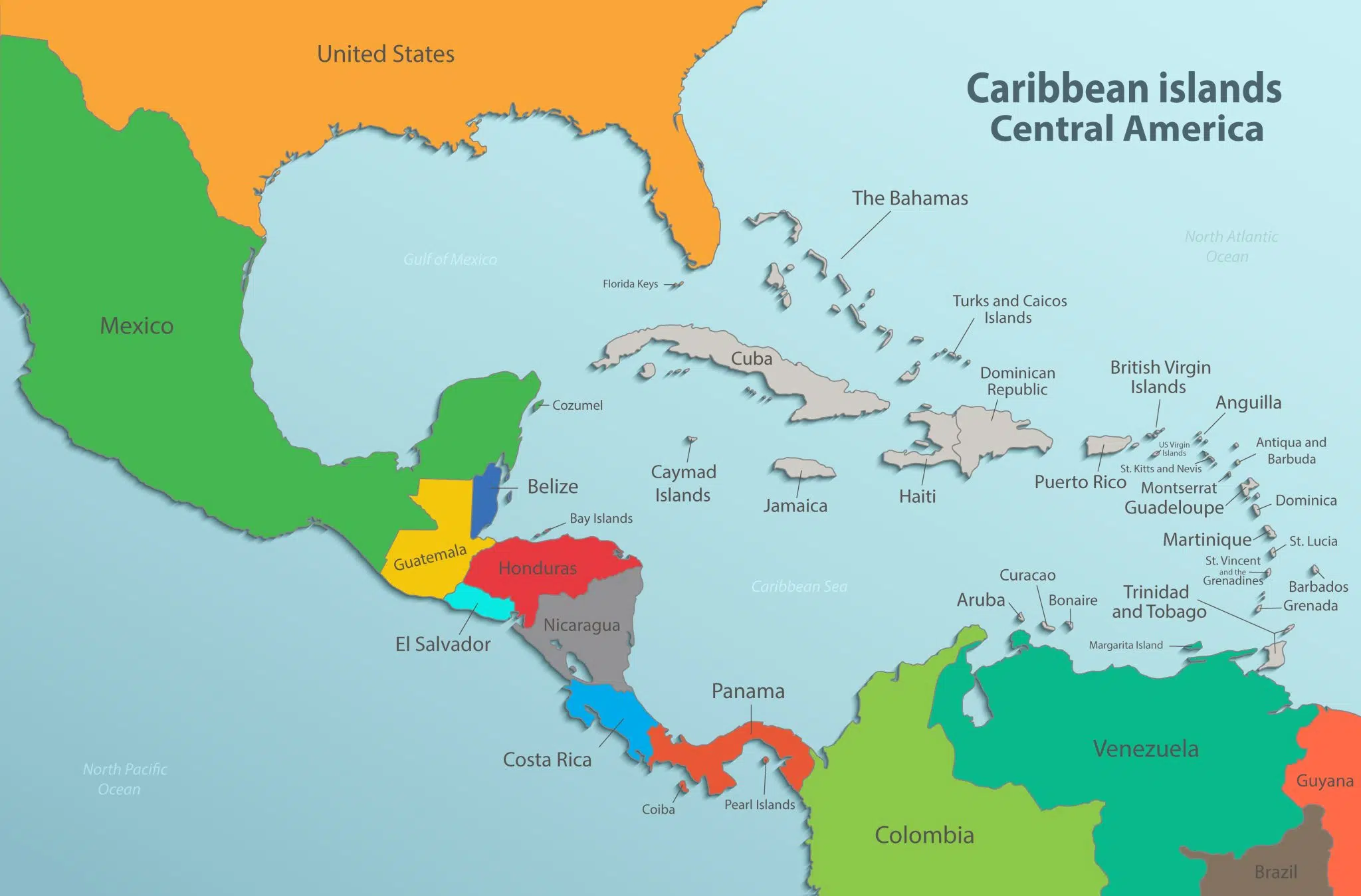
One of the most enjoyable ways to explore rum is by looking at where it’s made. Different regions have their own traditions, raw materials, and production methods, all of which influence the final flavor.
Jamaican Rum
Known for intense, “funky” aromas and flavors, Jamaican rum often tastes fruity and earthy. This funkiness can come from fermentation methods that involve “dunder” and “muck” (basically, recycled fermentation & distillation byproducts that are used from one batch to another and add character to the final product). Brands like Appleton Estate and Hampden Estate are fan favorites.
Cuban Rum
Light, crisp, and column-distilled, Cuban-style rum is mellow and perfect for classic cocktails like Daiquiris and Mojitos. Think Havana Club, or Bacardi (originally Cuban before relocating to Puerto Rico).
Puerto Rican Rum
Similar to Cuban, Puerto Rican rum is known for its smooth, clean character, making it easy to mix into almost any cocktail. Don Q and Bacardi (as produced today in Puerto Rico) are typical examples.
Spanish-Style Rum (From Places Like Venezuela, Guatemala, Dominican Republic)
Spanish-influenced producers often use the solera aging system, blending older and younger rums for complex, slightly sweet results. The flavors lean toward caramel, vanilla, and dried fruits. Ron Zacapa (Guatemala), Brugal (Dominican Republic), and Santa Teresa (Venezuela) are standouts.
Rhum Agricole (French Caribbean)
From islands like Martinique, Guadeloupe, or La Réunion, these rums use fresh sugarcane juice and have a grassy, herbal character. Rhum Clément and Rhum J.M are well-known. These products are often protected by law, as it is the case in Martinique with the protected appellation “AOC Martinique Rhum Agricole”.
Cachaça (Brazil)
Brazil’s sugarcane juice spirit isn’t officially rum, but it’s close enough to mention. Cachaça has its own protected status and a huge following. It’s the star of the famous Caipirinha cocktail.
Demerara Rum (Guyana)
If you like rich, molasses-forward flavors, Demerara rum (like El Dorado) is your go-to. Made in Guyana, these are often sweet and lush, with a comforting depth of flavor.