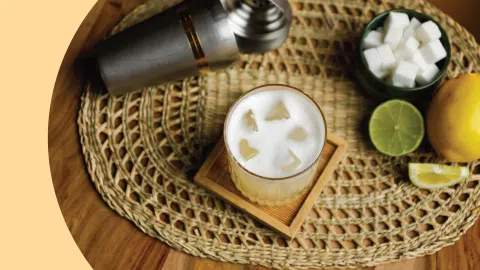
If you’ve ever admired a bartender in action, you’ve likely noticed how effortlessly they seem to whip up a cocktail. A few pours here, a little shake there, and voila—your perfect drink appears. But behind that effortless motion is a tool that’s just as important as the ingredients themselves: the cocktail shaker. From seasoned pros to beginners, the right cocktail shaker can transform your drink-making skills.
In this article, we’ll explore the different types and what makes each one unique.
Why Use a Cocktail Shaker?
Before we jump into the different types, let’s talk about why we use a cocktail shaker in the first place. A cocktail shaker isn’t just for show—though it does look pretty cool when done right. It plays an essential role in blending ingredients, diluting the drink just enough, and chilling it to the perfect temperature. When you shake, you’re not just mixing; you’re aerating the drink, which adds a unique texture and often brightens the flavors.

Here’s what a cocktail shaker does for your drink:
- Chilling: Shaking rapidly cools down the ingredients with ice, making the drink refreshing and crisp.
- Dilution: Adding ice while shaking helps dilute the drink, which is crucial for chilling and for balancing strong flavors like spirits and citrus.
- Mixing: Shaking ensures that ingredients like fruit juices, syrups, and liqueurs blend seamlessly, creating a smooth and unified flavor.
- Aeration: Shaking introduces air bubbles into the mix, giving some cocktails (like a whiskey sour or daiquiri) a lighter, frothier texture.
In short, shaking isn’t just about combining liquids—it’s about creating a complete drinking experience. But not all shakers are created equal, and that’s why we’re about to break down the different types of cocktail shakers and their uses.
The Three Main Types of Cocktail Shakers
There are three main types of cocktail shakers you’ll come across: the Boston shaker, the Cobbler shaker, and the French shaker. Each one has its pros and cons, and the one you choose will depend on your personal style, skill level, and the types of cocktails you like to make.
Boston Shaker
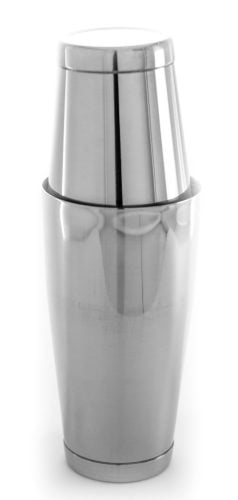
The Boston shaker is probably the most iconic and widely used cocktail shaker. If you’ve watched a professional bartender in action, they were likely using one of these. It consists of two parts: a large metal tin and a slightly smaller tin or pint glass. Unlike the Cobbler shaker, the Boston shaker doesn’t have a built-in strainer, which means you’ll need to use a separate Hawthorne strainer (or a fine mesh strainer for a double strain).
Pros:
- Speed and Versatility: Because it’s made of two separate parts, the Boston shaker is quick to use and allows for easy, fast shaking. It’s the go-to for professionals in high-volume environments.
- Capacity: Boston shakers can hold more liquid than other shakers, which makes them ideal for making multiple drinks at once.
- Easy to Clean: The simple two-part design is easy to take apart, clean, and store.
Cons:
- Requires Practice: Boston shakers can take a little getting used to, especially if you’ve never worked with one before. Getting the perfect seal between the two tins and then separating them after shaking can take some practice.
- No Built-in Strainer: You’ll need to invest in a separate strainer to use with your Boston shaker.
When to Use It: Boston shakers are ideal for nearly any cocktail that requires shaking. Because they’re so fast and efficient, they’re perfect for busy nights or when you’re hosting and need to make drinks quickly.
Cobbler Shaker
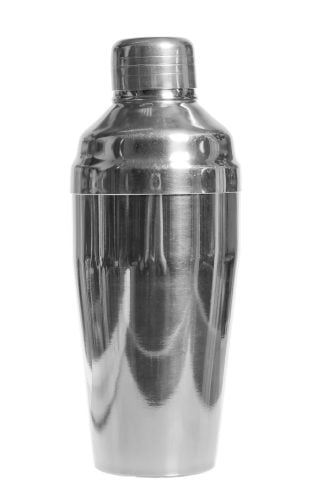
The Cobbler shaker is the three-part shaker that many home bartenders start with. It’s got a built-in strainer, a lid, and a metal tin. With its sleek, polished look, it’s a popular choice for beginners. The Cobbler shaker is smaller and less intimidating than the Boston shaker, which is why many home bartenders gravitate toward it. However, it has its challenges.
Pros:
- Beginner-Friendly: Its three-part design (with the built-in strainer) makes it straightforward for new bartenders. You don’t need to worry about separate pieces like strainers.
- Sleek Design: Cobbler shakers look elegant and polished, making them a nice addition to a home bar.
- Less Mess: The Cobbler’s built-in strainer means fewer pieces to handle, which can result in a cleaner bartending experience.
Cons:
- Hard to Open: One of the common complaints about Cobbler shakers is that the lid often gets stuck after shaking. This happens because the cold metal contracts, creating a seal that can be tough to break.
- Limited Capacity: Cobbler shakers are generally smaller, which means you can’t make multiple drinks at once like you can with a Boston shaker.
- Not as Fast: While it’s easy to use, the Cobbler shaker is slower than a Boston shaker, which isn’t ideal if you’re making several drinks in a row.
When to Use It: Cobbler shakers are great for beginners or home bartenders who want to keep things simple. If you’re only making one or two drinks at a time and you don’t mind the occasional struggle to pop off the lid, it’s a solid choice.
French Shaker (Parisian Shaker)
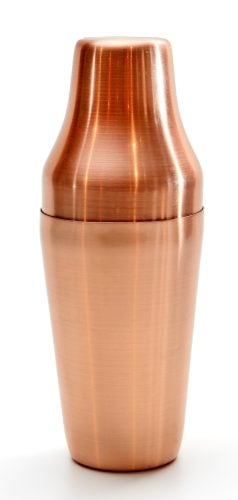
The French shaker is something of a hybrid between the Boston and Cobbler shakers. It has two pieces like the Boston shaker but looks more like a Cobbler shaker because of its stylish design. It doesn’t have a built-in strainer, so you’ll still need a separate strainer when using it.
Pros:
- Stylish Design: The French shaker is sleek and elegant, often coming in polished metal or even copper finishes. It’s a great addition to any bar if you want something that looks high-end.
- Easy to Use: Like the Boston shaker, the French shaker is easy to take apart and clean, with no extra parts to deal with.
- Better Seal: Compared to the Cobbler shaker, the French shaker usually doesn’t suffer from the same issues of getting stuck after shaking.
Cons:
- No Built-in Strainer: Like the Boston shaker, the French shaker requires a separate strainer.
- Limited Availability: You won’t find French shakers as readily available as Boston or Cobbler shakers, and they can be pricier because of their stylish designs.
When to Use It: If you like the simplicity of a two-part shaker but want something with a little more flair, the French shaker is perfect. It’s ideal for home bartenders who enjoy the aesthetic aspect of their bar tools as much as the functionality.
When to Use Each Type of Shaker
So now that we know the differences between the main types of shakers, when should you use each one?
- Boston Shaker: Use it when speed, efficiency, and capacity are important. If you’re making multiple drinks or working in a fast-paced environment, the Boston shaker is your best bet.
- Cobbler Shaker: Best for home bartenders who want an all-in-one solution and don’t mind shaking up one drink at a time. It’s great for making classics like margaritas, whiskey sours, and daiquiris.
- French Shaker: If style and performance are equally important to you, the French shaker offers a blend of the best features from the Boston and Cobbler shakers. It’s perfect for entertaining and for those who enjoy the aesthetics of cocktail-making.
Shaking Technique: How to Get the Perfect Shake
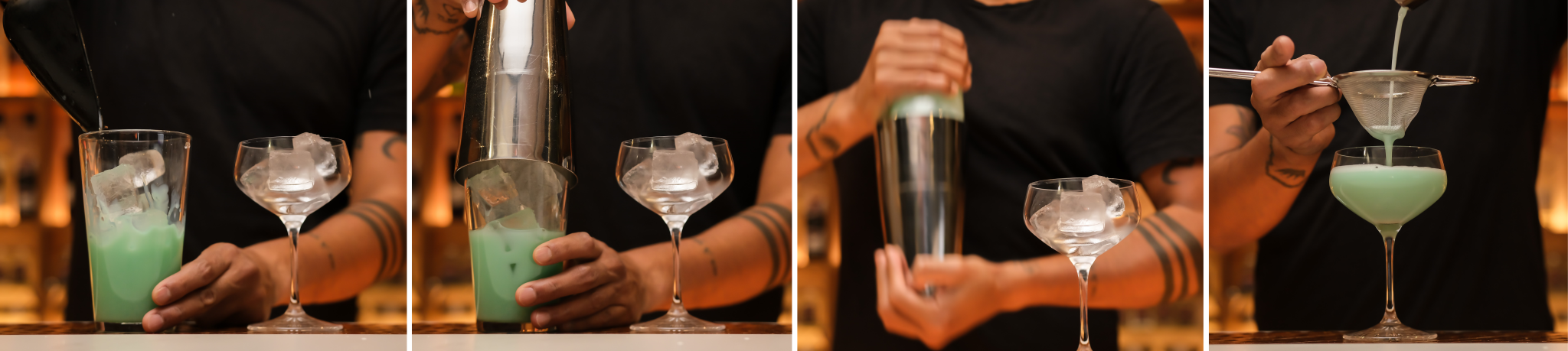
No matter which shaker you choose, the technique matters. Here’s how to shake like a pro:
- Add Ingredients and Ice: Fill the shaker with your ingredients and add plenty of ice. The colder, the better—shaking with warm ice defeats the purpose.
- Seal It Tightly: For Boston and French shakers, ensure the two parts are sealed properly to avoid any messy spills. With the Cobbler shaker, just snap the lid on.
- Shake with Energy: Hold the shaker with both hands, one on each end. Shake vigorously for 10-15 seconds, making sure the ice moves from one end of the shaker to the other. The goal is to get the drink cold and properly mixed.
- Strain: If you’re using a Boston or French shaker, grab your strainer (Hawthorne or fine mesh) and pour the drink into your glass, leaving the ice behind.
Conclusion
Cocktail shakers might seem like a basic tool, but the right one can transform your cocktail-making experience.
If you’re just starting out, the Cobbler shaker is a solid choice for simplicity. Once you’re comfortable, you might want to try a Boston or French shaker to really master the art of cocktail shaking. Whichever type you choose, remember that shaking isn’t just about mixing—it’s about creating texture, aeration, and balance.