A good bar knife might not be the first tool you think of when it comes to making cocktails, but it’s a total game-changer.
It’s not just for slicing lemons—this tool brings precision, safety, and a touch of style to your bar setup. For pros and home bartenders alike, a quality knife makes everything smoother, faster, and a whole lot more impressive
Think about it: that perfect citrus twist or finely cut garnish doesn’t happen with a dull, awkward blade. A good knife gives you control, speed, and a little extra flair in every slice.
What Makes a Good Bar Knife?
Choose a blade that’s sharp and durable. Stainless steel offers rust resistance, while high-carbon steel provides long-lasting sharpness. Both materials require less maintenance and deliver reliable cuts.
The shape and size of the blade should suit a variety of bar tasks. A shorter, narrower blade (around 3-4 inches) allows for precise cutting, making it ideal for slicing garnishes and trimming herbs.
Look for a comfortable, non-slip handle. Rubberized or textured handles give you a solid grip, even when wet, and reduce the risk of slipping or hand strain during extended use.
A well-balanced knife improves control and comfort. Aim for a knife with even weight distribution, allowing for smooth, consistent cuts without straining your hand.
Essential Uses of a Bar Knife
A good bar knife is like a bartender’s sidekick, ready to handle any cutting task that comes its way.
- Fruit and Garnish Prep: The bar knife shines when slicing citrus and garnishes. You need precise slices, wedges, or wheels of lemons and limes to top off your cocktails with style. And creating thin, elegant twists adds both a touch of class and a fresh burst of aroma to each drink.
- Herb Chopping: When you want to prepare a syrup, an infusion or any other preparation involving fresh herbs, your bar knife should help you keep flavors bright by chopping cleanly without bruising, as a lot of fresh herbs tend to darken and to develop bitter aromas when bruised.
- Fancy Garnishes: When you want to impress, a bar knife helps you create intricate garnishes like citrus spirals or shaped fruit.

Safety and Efficiency
A quality bar knife isn’t just about making things look good—it’s about making things safe and smooth, too.
- Preventing Injuries: A sharp, reliable knife is actually safer than a dull one. When you’re slicing with a good knife, there’s less chance of slipping and cutting yourself. A knife that’s sharp and sturdy lets you work with confidence and control, making each cut cleaner and safer.
- Speed and Precision: In a busy bar, speed matters. A good bar knife cuts down on prep time, so you’re not fumbling around with dull or awkward tools. Whether you’re working through a rush or just want to keep things moving smoothly at home, a well-balanced, sharp knife helps you slice, dice, and garnish with ease. And let’s be honest—when your tools are solid, it’s just more fun to work with them.
How to Choose the Right Bar Knife
Finding the right bar knife (or knives!) is like picking the perfect pair of shoes—you want the one that fits just right and feels good in your hand.
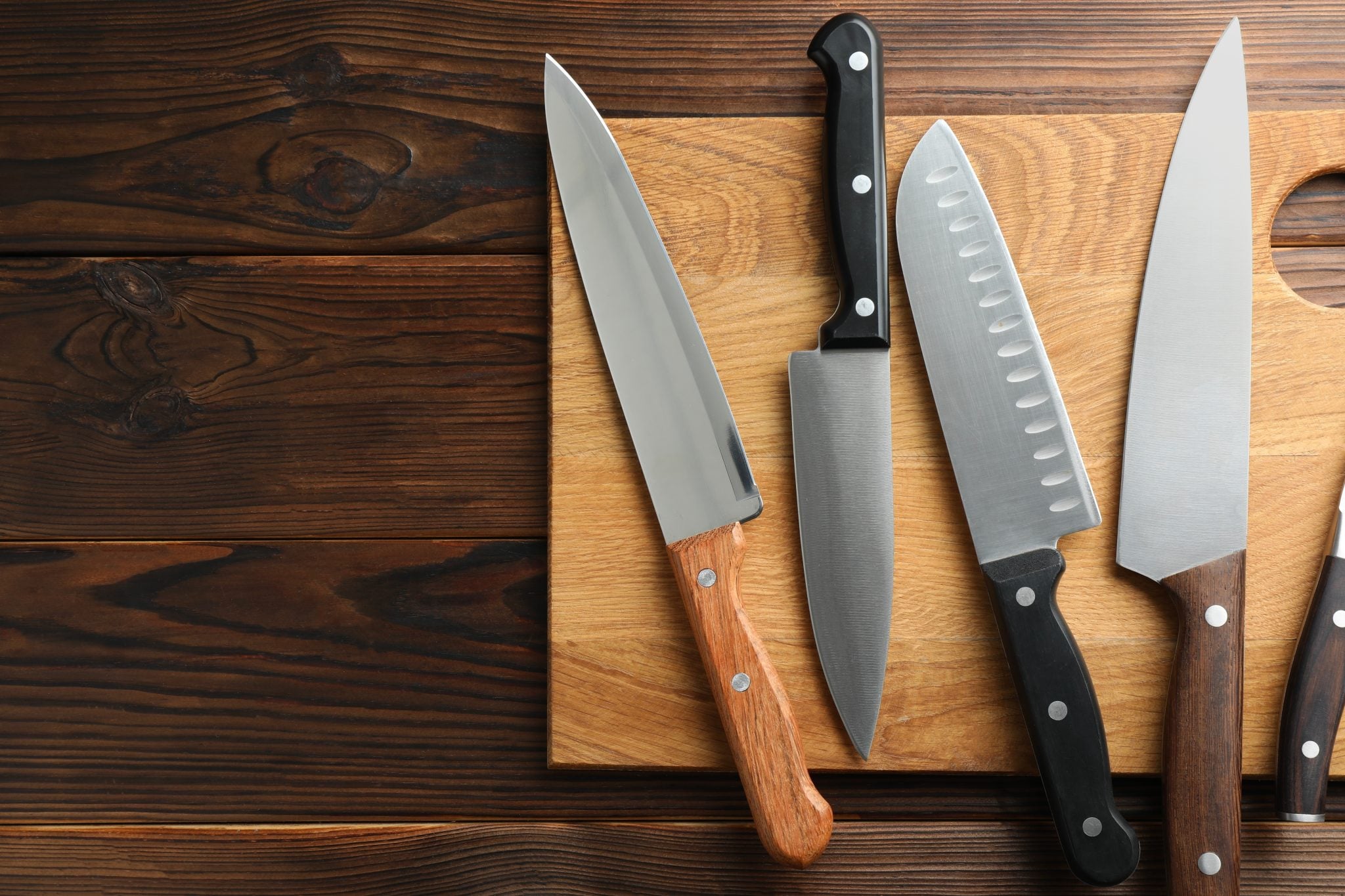
- Think About Your Needs: Are you all about delicate garnishes, or do you need something versatile for a bit of everything? For intricate tasks, a paring knife works wonders. But if you want an all-rounder, a small chef’s knife can handle fruits, herbs, and whatever else you throw at it.
- Balance Budget and Quality: Sure, you can find bar knives at every price point, but a little investment goes a long way. Look for something durable that won’t need constant replacing. A quality knife doesn’t have to break the bank, but don’t go too cheap if you want it to last.
Caring for Your Bar Knife
A good knife is like a loyal friend—take care of it, and it’ll stick with you through all those cocktail-making sessions.
- Clean It Right: Always hand-wash your knife with warm, soapy water and dry it immediately. Skip the dishwasher! It’s harsh on the blade and can lead to rust. A little extra care goes a long way in keeping your knife looking sharp (literally).
- Sharpen and Hone: A sharp knife is a safe knife. Regularly honing your knife keeps the edge aligned, and occasional sharpening maintains its performance. You don’t need to be a pro—just a few minutes with a honing rod or taking it for a professional sharpening once in a while makes all the difference.
- Store Safely: Don’t just toss your knife in a drawer with all the other utensils. Use a blade guard, magnetic strip, or a dedicated knife block to keep the edge protected and your hands safe. Proper storage helps prevent dulling and damage over time.
Learn more about How To Maintain And Clean Bartending Tools.
Conclusion
A good bar knife is more than just a tool—it’s a game-changer in your bar setup. From prepping fruits and herbs to crafting eye-catching garnishes, the right knife makes everything easier, safer, and way more fun. Take the time to choose one that suits your style, care for it like you would a trusty friend, and watch it elevate your cocktail game. With a quality knife in hand, you’ll be ready to slice, dice, and garnish your way to cocktail perfection every time. Cheers!