Cocktails, mixology and the world of bartending in general are always evolving, and one of the latest trends shaking up the bar scene is superjuice. Far from its comic book-sounding name, superjuice is a technique that uses every part of citrus fruits—juice, and peel—to maximize flavor while minimizing waste.
This method delivers more intense citrus notes with fewer fruits, making it both efficient and eco-friendly. For us, bartenders and home mixologists, superjuice is a game-changer, offering bolder flavors and sustainable solutions. In this article, we go deeper into what superjuice exactly is and how it is made.
What is Superjuice?
Although the concept of mixing citrus juice & peels to extract flavor and preserve them has been around for decades, superjuice, as we know it today, can be traced back to two famous names in the world of mixology: Nickel Morris, a bartender and bar owner from Louisville, Kentucky, and Slovenian bartender and mixology consultant Kevin Kos. While Morris created the concept and the first written recipe for oleo citrate and superjuice in 2015, Kos brought it to the general public through video tutorials and a “superjuice calculator”, about which we will talk more later.
Superjuice is a concentrated form of citrus juice that maximizes the flavor potential of the entire fruit, meaning not only the flesh and juice but also the peel. Unlike traditional juicing methods, which typically extract juice only from the pulp, superjuice utilizes acids such as citric and malic acid to enhance flavor extraction from all parts of the fruit. This process results in a juice with a more intense and complex flavor profile, as the essential oils from the peel are also incorporated into the final product.
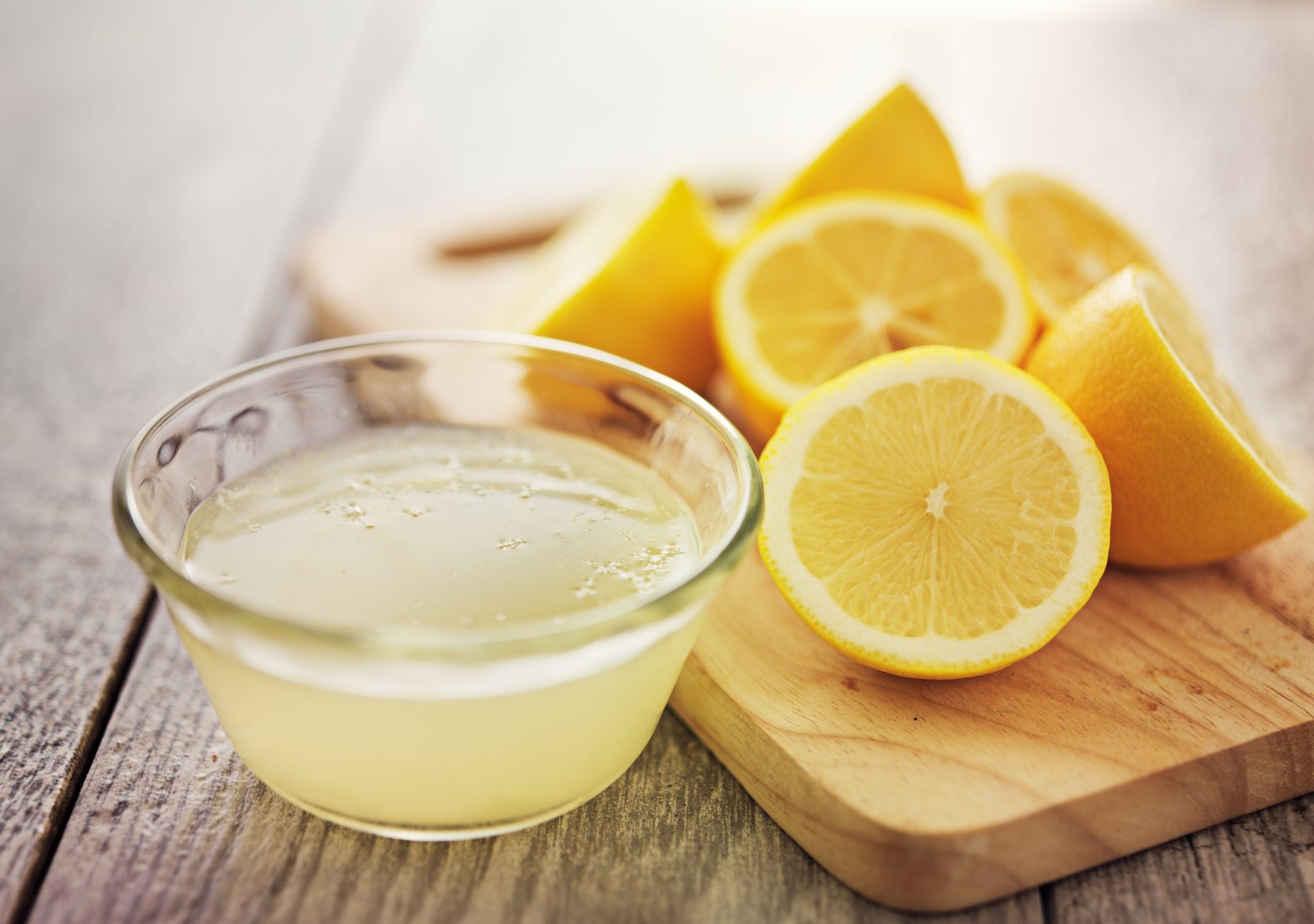
Superjuice gained popularity among bartenders as a sustainable, cost-effective solution for producing consistent, high-quality citrus juice. By using fewer fruits and incorporating the almost whole fruit— the only parts going to waste are the pith and the seeds—superjuice reduces waste and lowers costs. Unlike fresh juice, it offers stable flavor over time, making it ideal for maintaining cocktail consistency while promoting an eco-friendly approach to bartending, especially in parts of the world where fresh citruses are not available year-round and have to be imported, sometimes from pretty far away.
How Superjuice is Made
Making superjuice may sound complex, but with the right ingredients and tools, it’s actually a fairly straightforward process. The secret lies in the acids—citric and malic acid—which help replicate the sharp tang of fresh citrus juice while allowing you to extract flavor from parts of the fruit that are normally discarded.
Here’s our step-by-step guide to making superjuice, based on Nickle Morris original recipes:
Ingredients:
- Whole citrus fruits, cleaned (limes, lemons, or oranges)
- Mineral or distilled water
- Citric acid powder
- Malic acid powder
- Granulated Sugar
- Salt
Tools:
- Blender
- Fine mesh strainer or cheesecloth
- Kitchen bowl or ziplock bag
- Precision scale
- Glass bottle or other storage container
Method:
- Peel the Fruits: Begin by peeling the citrus fruits, setting the peel aside. Try not to get too much pith with the skin as it can bring the final product some unwanted bitterness. If you notice a thick white layer at the back of the peels, use a knife to gently cut it out before using it for the superjuice.
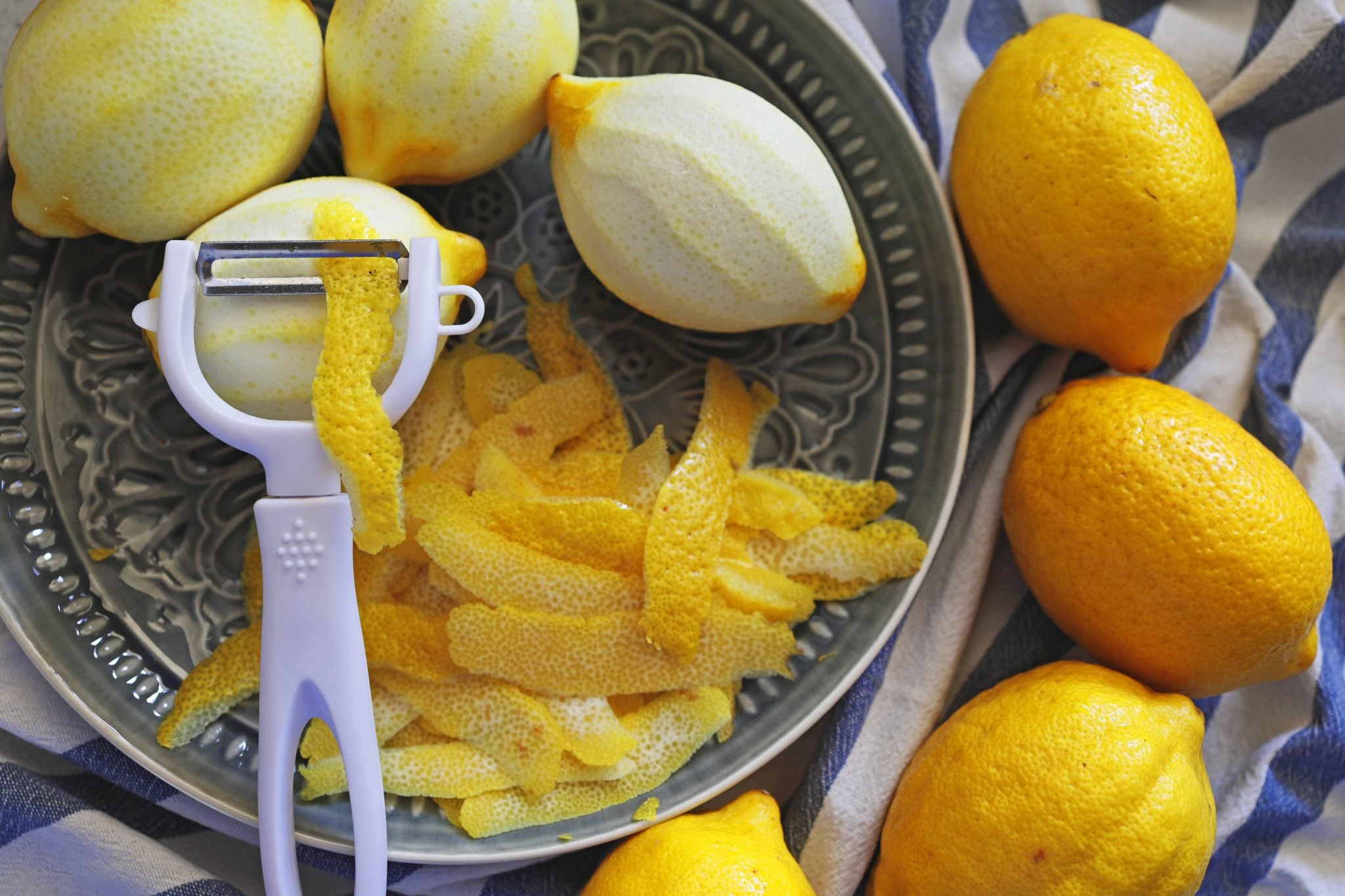
- Prepare the oleo citrate (superjuice base): Add the citrus peels, citric acid, malic acid, sugar and salt* to a bowl or ziplock bag. Stir well to combine, ensure the peels are all well coated. Cover the bowl with plastic wrap (or close the ziplock bag if using) and let sit at room temperature for at least one hour.
- Quantities for each type of citrus:
| Peels | Citric acid | Malic acid | Sugar | Salt | |
| Lime | 100g | 48g | 24g | 20g | 2g |
| Lemon | 100g | 54g | 9g | 30g | 2g |
| Orange | 100g | 23g | 2g | 70g | 1g |
These are the measurements we are usually working with, but feel free to experiment with different ratios once you’re comfortable with the preparation technique.
Another resource worth checking is the “Super Juice Calculator” by Kevin Kos. Just enter the amount of citrus peels you have, and it will automatically calculate the amount of water and acid to use. The general recipe is different but also worth great as well, so it’s always worth it to compare both recipes before preparing your superjuice.
- Juice the citruses: While you’re waiting on the acid to start acting on the peels, start juicing the citruses. Strain the juice through a fine mesh strainer to remove the pulp. You can either use the juice directly by itself, or keep it to be added later on to the super juice mix.
- Blend Everything: Once at least an hour has passed, transfer to a blender and add 1 liter of water. You can use a bit of this water or the juice you just pressed to rinse the bowl or ziplock bag and make sure there is no leftover oleo citrate or acid powder in the bowl. If you are not planning on using the juice from the citruses separately, now is the time to add it to the blender as well. Blend everything on medium speed for about 10 seconds: the peels should be chopped but not pulverized.
- Strain the Mixture: Using a fine mesh strainer or cheesecloth, strain the blended mixture: you want to remove all the solid bits, leaving behind a concentrated citrus juice infused with peel oils and aroma.
- Bottle and Store: Pour your superjuice into a clean bottle or container and store it in the fridge. Superjuice has a longer shelf life than regular citrus juice, staying fresh for up to two weeks (or sometimes more, always give it a smell & taste test before you decide to throw it away!). It will even last longer (several months) if you decide not to add the fresh juice into the mix.
Superjuice and Bar Efficiency
Superjuice is becoming a go-to for bartenders looking to streamline cocktail preparation in fast-paced environments. By allowing bartenders to prepare citrus juice ahead of time, it cuts down on the need for last-minute juicing, ensuring a quicker, more efficient workflow without compromising on quality.
Its role in batch cocktailing is another game-changer. With its concentrated flavor and longer shelf life, superjuice is perfect for large events or high-volume bars. Bartenders can make large batches of cocktails that maintain consistent taste throughout service, eliminating the need for constant fresh-squeezing.
Unlike fresh citrus juice, which starts losing its flavor after a few hours, superjuice can last up to two weeks. This extended shelf life reduces spoilage and saves valuable prep time, making it a practical solution for bars aiming to boost efficiency while delivering top-quality drinks.
It is also a great way to reduce waste and to act on the carbon footprint of the industry (we are aware that bartending is not exactly a “green” industry so it’s a drop in the ocean, but it’s still something). It allows bars to significantly reduce the amount of citrus they buy by maximizing the amount of juice per kilo of citrus used: on average, you’ll get 8 times more super juice than fresh squeezed juice from the same quantity of citrus! It makes a lot of sense knowing that citrus are seasonal fruits, which require a lot of water to grow and often have to travel the world by plane to get to us.
Last but not least, making your own super juice and using it as a substitute for fresh citrus juice is actually a smart economic decision. The initial cost of buying the acids is usually covered within a few months (or even less in high-volume bars) as working with super juice requires at least 2 or 3 times less fresh fruits than making the same amount of drinks using only freshly squeezed juice.
Challenges and Considerations
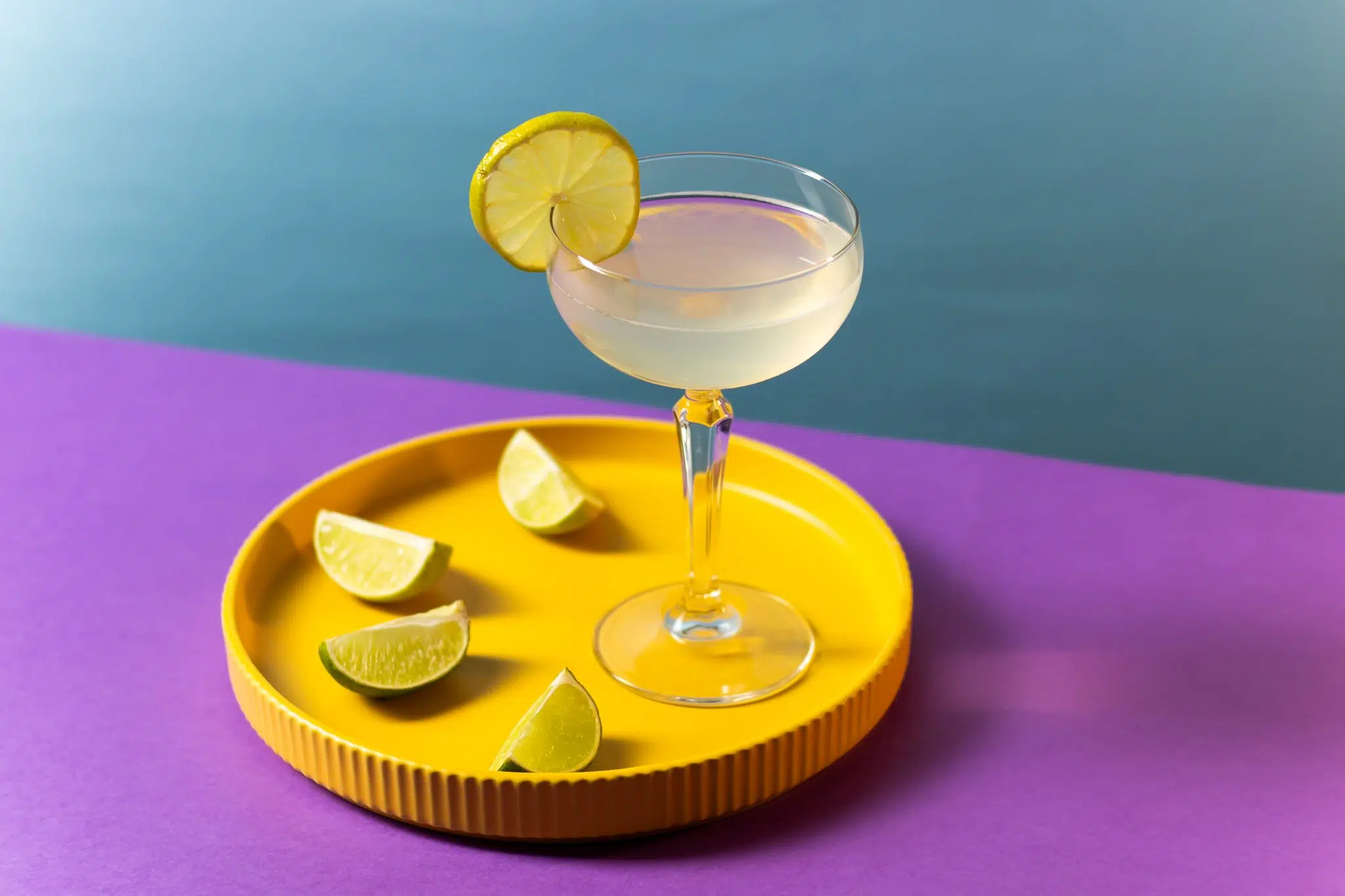
While superjuice brings several benefits to the bar, it’s not without its drawbacks. One challenge is that it may not perfectly capture the bright, fresh taste of citrus in every cocktail. Drinks like a Daiquiri, Whiskey Sour, or Margarita, which rely heavily on the crispness and immediacy of freshly squeezed lime or lemon juice, might lose some of their vibrancy when made with superjuice, potentially affecting the overall flavor. These cocktails often depend on the brightness and sharpness of fresh juice, and superjuice, while efficient, may slightly alter that experience.
Another hurdle is getting the acid balance just right. Superjuice depends on citric and malic acids to enhance flavor, but striking the perfect balance is crucial. Too much acidity can overpower the cocktail, while too little can leave the drink tasting dull and flat. Finding the sweet spot is key to making superjuice work effectively in cocktails. But trust us: once you’ll find your perfect balance, you’ll never go back!
FAQs
What are citric and malic acids, and where can I find them?
Citric and malic acids are naturally occurring acids found in citrus fruits and apples, respectively. They are generally sold as powders and can be purchased online or in specialty food stores.
Is superjuice safe to drink on its own?
Superjuice is highly concentrated and designed for mixing in cocktails, so it may be too intense to drink on its own. Diluting it with water or another mixer is recommended.
Can I adjust the sweetness of superjuice?
Yes, you can add sugar or another sweetener to adjust the sweetness to your taste preferences.
How can I tell if my superjuice has gone bad?
If your superjuice starts to smell off, loses its vibrant flavor, or develops an unusual color, it’s time to discard it.
Can I make it without adding citric or malic acid?
While it’s possible to make a version without one of these acids, the flavor won’t be as well-balanced, and it may not last as long. If you’re planning on making and using super juice regularly or at least several times a year, it is really worth investing in citric and malic acid powders. They will keep for several years, and you’ll only need small quantities for several liters in super juice: in the long run, it will prove way cheaper than using fresh citrus juice.
Can I freeze superjuice for longer storage?
Yes, you can freeze it to extend its shelf life even further. Just make sure to store it in an airtight container to preserve its flavor.