We’ve always been fascinated by what kings and queens do in private, even if we can’t replicate their extravagant lifestyles. And when it comes to what our royals like to drink, emulating that aspect of their lifestyle has also been out of reach for us commoners.
But not so much today. Now, we can easily mix up a cocktail or reach for a glass of something a famous head of state once liked to sip or guzzle.
But what would those royal drinks be? We take a look at which tipples the royals through history have loved.
Champagne
It’s no surprise that the drink of excess and celebrations is up there for royals. But one particular royal loved Champagne more than others.
King Louis XIV of France drank so much Champagne his doctors warned him off the drink. His love of these regional bubbles also caused resentment amongst other wine producers in France who feared they were missing out on sales.
Peppered Brandy
Peter the Great, the 17th century Russian Czar, loved to drink. But not only did he love to drink, he loved everyone else to drink with him.
He saw it as such a social pass-time he created a group called the Jolly Company which was all about drinking as much as humanly possible.
He drank a lot of wine and vodkas, but his favorite drink above all others was a peppered brandy, which was simply brandy laced with peppers.
Mead
Although most people during the reign of Queen Elizabeth I drank beer, many people brewing it at home for their own daily consumption, the queen wasn’t fond of the national drink.
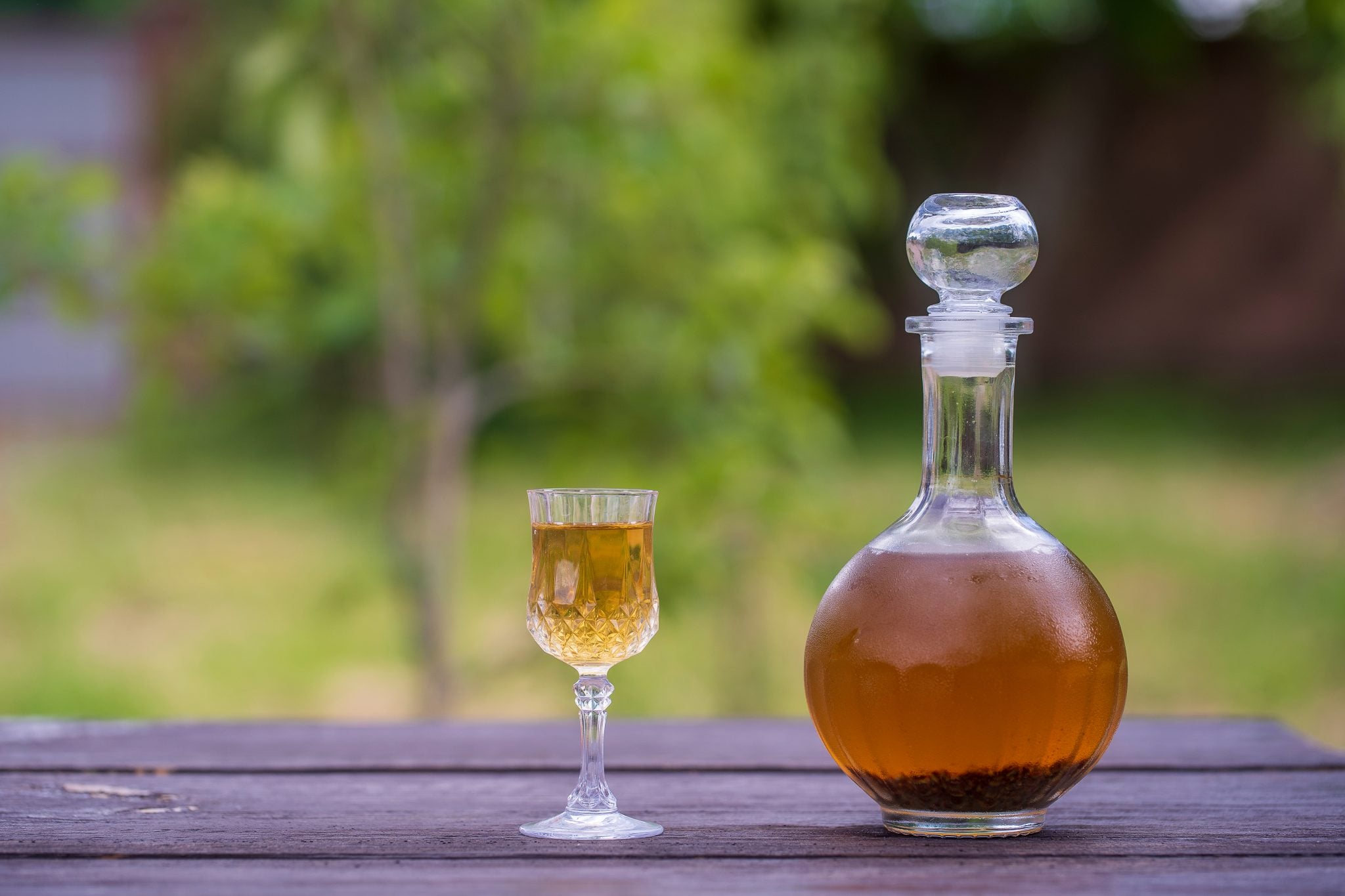
Instead, she preferred mead, and even had her own mead recipe. She relied on her royal bee keeper for her honey, and thankfully he wrote down her recipe for mead so we can still have a go at making it today. Find the recipe at the end if you’d like to give it a go!
Napoleon Bonaparte enjoyed a glass or six of wine, any wine, but he especially loved a Chambertin wine from Burgundy.
While his famous quote, ‘Nothing makes the future looks so rosy as to contemplate it through a glass of Chambertin,’ proves how he felt about this particular wine, he didn’t stumble upon it by accident. In fact, it was his doctor who prescribed him the wine to drink for the betterment of his health.
Tutankhamun also loved a jug or three of wine, especially red wine. It was customary for Egyptian kings to be buried with wine jugs, which only the wealthy could afford, and Tutankhamun’s wine jugs were, not exclusively, but predominantly red wine.
But perhaps the biggest wine drinker of all the royals was Alexander The Great. The king of Macedonia drank a lot of wine, so much, many historians believe he was an alcoholic.
He famously burned down the Persian city of Persepolis after a night of heavy wine drinking. Although it was considered barbaric at the time, Alexander drank his wine undiluted, rather than mixed with a little water as most ancient Greeks did.
Dubonnet & Gin Cocktail
Among the many things the Queen Mother, Elizabeth Bowes-Lyon, passed onto her daughter Queen Elizabeth II, perhaps the most glamourous was her favorite cocktail the Dubonnet & Gin.
This simple—but very regal—cocktail is made up of Dubonnet, a French sweet wine based aperitif, and Gin, with a slice of lemon.
The Queen Mother was, reportedly, a big drinker and liked hers to be made with a 2:1 ration of Gin to Dubonnet, while the Queen preferred hers to be the other way around.
The King’s Ginger
When the King’s Ginger was first created in 1903 at the behest of King Edward VII’s doctor to keep the King warm on his long hunting trips and generally bolster his constitution, it was exclusive to the King.
Edward instantly loved the concoction of brandy, ginger, honey and lemon and soon had the rest of the royal family hooked too.
It remained a fairly obscure drink until 2011 when the original makers of the drink, wine merchants Berry, Bros & Rudd began bottling the drink for us all to enjoy.
Catherine the Great, the 18th century Empress of Russia, who was German by birth, shunned her two countries’ favorite drinks and instead cultivated an unusual love for English stouts.
She must have drunk quite a lot of stout because she proclaimed herself a match for any English stout drinker out there, though no one challenged her to a contest.
But the run of the mill English stout wasn’t strong enough for Catherine, and she asked the Anchor Brewery in London to make her a stronger version for the Russian Imperial court.
This became known as Imperial Stout.
Hot Chocolate
We might not think of hot chocolate as being especially glamourous today, but in Marie Antoinette’s time it was a luxurious drink only the wealthy could afford.
The French Queen loved the rich drink so much she began her day with a cup every morning and she employed her own personal Chocolate Maker of the Queen, who strove to concoct the very best hot chocolate to please her majesty.
Queen Elizabeth I’s Mead Recipe
Ingredients:
1 gallon of water
3.5 pounds of honey
1/4 tsp of acid blend
1 tbs of yeast nutrient
1 packet of Madeira yeast
.5 ounces of rosemary
.5 ounces of thyme
.5 ounces of bay leaves
.25 ounces of sweet briar
1 Campden tablet
Directions:
Dissolve the honey in the primary with acid blend, yeast nutrient, and 1 gallon of room temperature water.
Rehydrate and pitch the yeast. Add the Campden tablet. Attach your airlock and allow it to ferment for three-five weeks, until fermentation slows.
Siphon off your lees and allow it to settle for six months.
Rack back into the primary fermentation container. Place your herbs in a nylon brew bag, tie it tightly, and place into the primary. Taste your mead each day, and remove the herbs when the taste is to your liking. Remove the bag.
We use cookies or similar technologies for technical purposes and, with your consent, for other purposes as specified in the cookie policy. Use the “OK” button to consent or customize and deny your consent.
Functional Always active
The technical storage or access is strictly necessary for the legitimate purpose of enabling the use of a specific service explicitly requested by the subscriber or user, or for the sole purpose of carrying out the transmission of a communication over an electronic communications network.
Preferences
The technical storage or access is necessary for the legitimate purpose of storing preferences that are not requested by the subscriber or user.
Statistics
The technical storage or access that is used exclusively for statistical purposes.The technical storage or access that is used exclusively for anonymous statistical purposes. Without a subpoena, voluntary compliance on the part of your Internet Service Provider, or additional records from a third party, information stored or retrieved for this purpose alone cannot usually be used to identify you.
Marketing
The technical storage or access is required to create user profiles to send advertising, or to track the user on a website or across several websites for similar marketing purposes.