
The terms “liquor” and “liqueur” are often used interchangeably, but they refer to different types of alcoholic beverages. While both contain alcohol, they differ in composition and taste. Simply put, all liqueurs are a type of liquor, but not all liquors are liqueurs.
In this article, we’ll explain the differences between these terms, and also touch on “cordials” and “spirits” for a complete view of the alcohol world.
What’s the difference between liquor and liqueur?
Liquor is a strong, distilled alcoholic beverage with no added sugar, while liqueur is a sweet, usually lower-alcohol drink with various added flavors.
“Liquor” refers to an alcoholic beverage with a high alcohol content, typically a distilled spirit like vodka, gin, or rum. The distillation process increases the alcohol concentration in a liquid by separating ethanol from water through evaporation.
In most liquors, nothing can be added after distillation except water and, in the case of aged spirits, caramel coloring (although it depends on the legislation specific to each product).
“Liqueur” is a French term for flavored and sweetened liquors. Liqueurs are made by infusing or redistilling a distilled neutral spirit (usually grain-based) with flavoring agents like herbs, fruits, or spices, and then adding sweeteners. Bailey’s Irish Cream, Grand Marnier, Amaretto, Kahlúa and Jägermeister are all examples of liqueurs.
Pronunciation
The pronunciation of “liquor” and “liqueur” highlights another difference between these two terms:
Liquor is pronounced as ‘LIH-kər,’ with a hard, short ‘i’ sound and silent ‘u,’ while liqueur is pronounced as ‘lih-KYUR,’ emphasizing the second syllable with a softer ‘i’ and ending in ‘yur.’
ABV
Liqueurs are in general lower in ABV (alcohol percentage) than liquors.
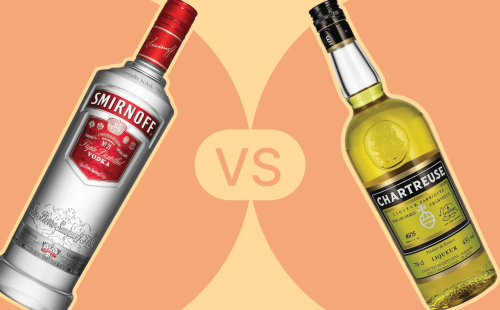
Tthere are a few exceptions to this rule though. Cointreau, for example, has an ABV of 40% (80 proof), making it as strong as vodka. Another example is green Chartreuse: with an ABV of 55% (110 proof), it is stronger than most vodka, gins, and whiskies on the market!
Calories
There is a significant difference in calories between liquor and liqueur:
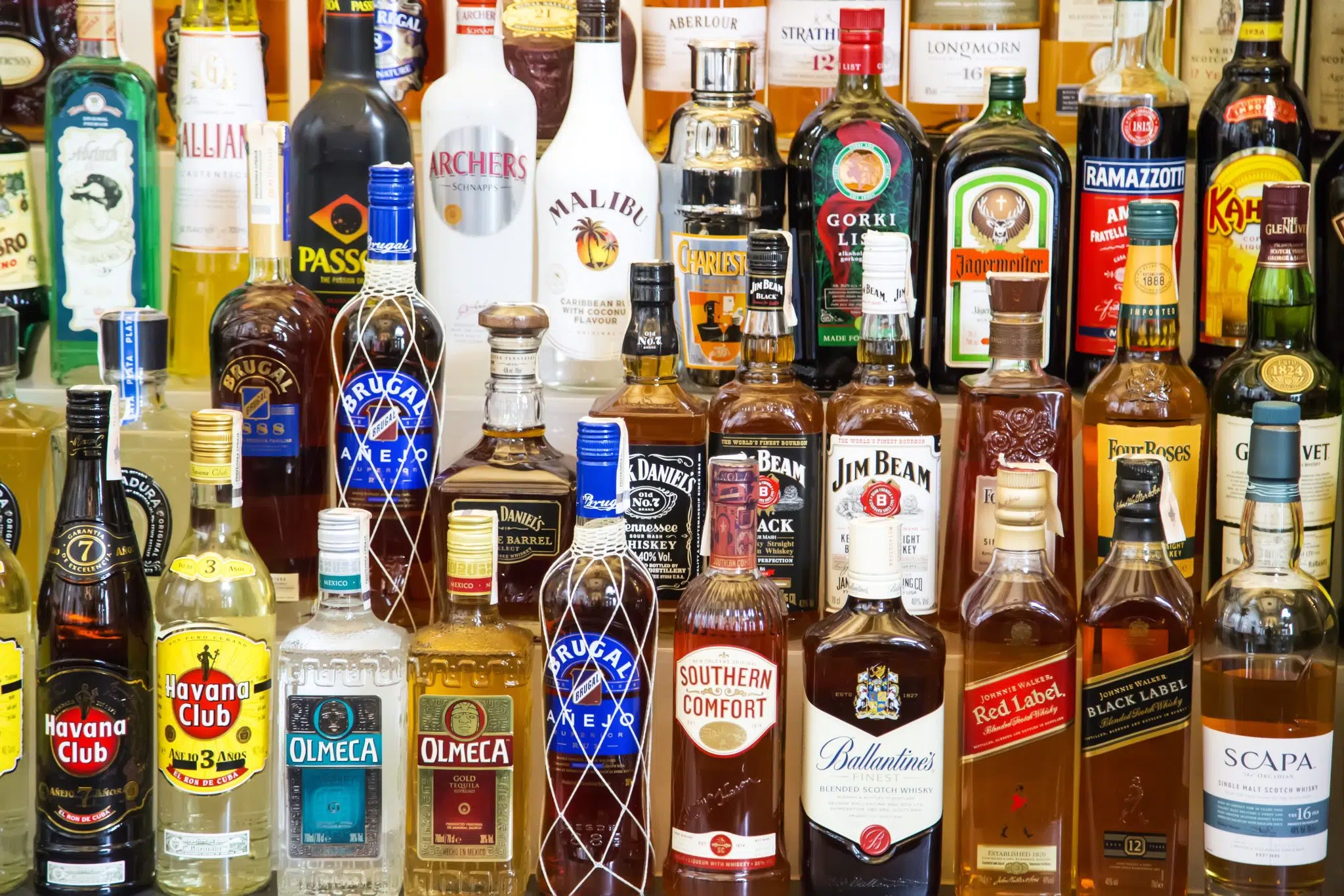
Liquors contain 64-70 calories per 1-ounce (30 ml) serving, as they’re typically 40% ABV and lack added sugars. In contrast, liqueurs, with added sugars and sometimes ingredients like cream (e.g., Bailey’s), range from 100 to 200+ calories per ounce, making them higher in calories than plain liquors.
Storage
Both liquors and liqueurs should be stored in cool, dark places. Liqueurs, due to added sugars and flavors, have a shorter shelf life once opened. Dairy- or egg-based liqueurs (e.g., Irish cream) should be refrigerated and used within 6 months to a year. Liquors, with higher alcohol content and no added sugars, are more durable and can last for years when stored properly.
What is Liquor?
Liquor is an alcoholic beverage produced by distillation of grains, fruits, vegetables, or sugar after they have gone through fermentation. The distillation process basically higher the alcohol concentration in a liquid by separating ethanol from water through evaporation. Liquors have an alcohol by volume (ABV) of 20% or higher, with most common spirits around 40% ABV.
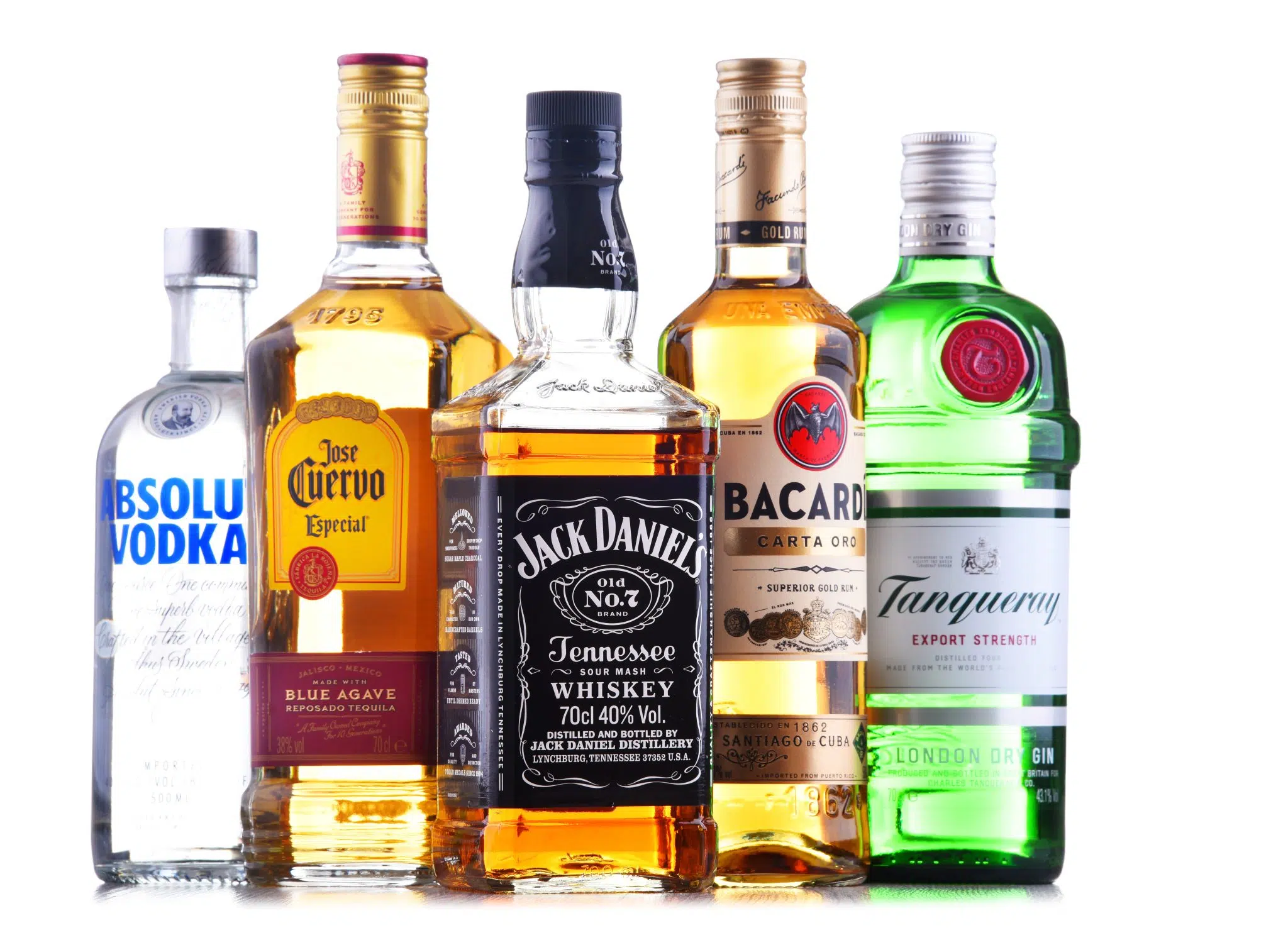
Types of Liquors
They can be categorized into main 7 types:
- Vodka is a clear, neutral spirit made from fermented grains or potatoes, known for its versatility in cocktails.
- Whiskey (or whisky) is crafted from fermented grains like barley, corn, and rye, then aged in wooden casks to develop a distinct flavor, with varieties including Scotch, Irish, bourbon, and rye.
- Rum is produced from sugarcane byproducts like molasses or juice, often aged in oak barrels, and is associated with sweet and spicy notes.
- Tequila is made from blue agave, primarily around the region of Tequila, Mexico, and ranges from unaged (blanco) to aged varieties (añejo and extra añejo).
- Gin is a spirit with a predominant flavor of juniper berries, distilled from fermented grain and enhanced with botanicals like coriander and citrus.
- Brandy is distilled from wine or fruit juice and aged in wooden casks, giving it a sweet flavor and amber color.
Want to learn more about these categories? Check our Types of Alcohol and Liquor page.
What is Liqueur?
Liqueur is an alcoholic beverage made from distilled spirits and flavored with fruit, cream, herbs, spices, flowers, or nuts and sweetened with sugar or other sweeteners. Unlike their base spirits, liqueurs are typically not aged long, though some may rest for a short time to allow their flavors to meld. Liqueurs have an average alcohol by volume (ABV) percentage ranging from 15% to 35%.
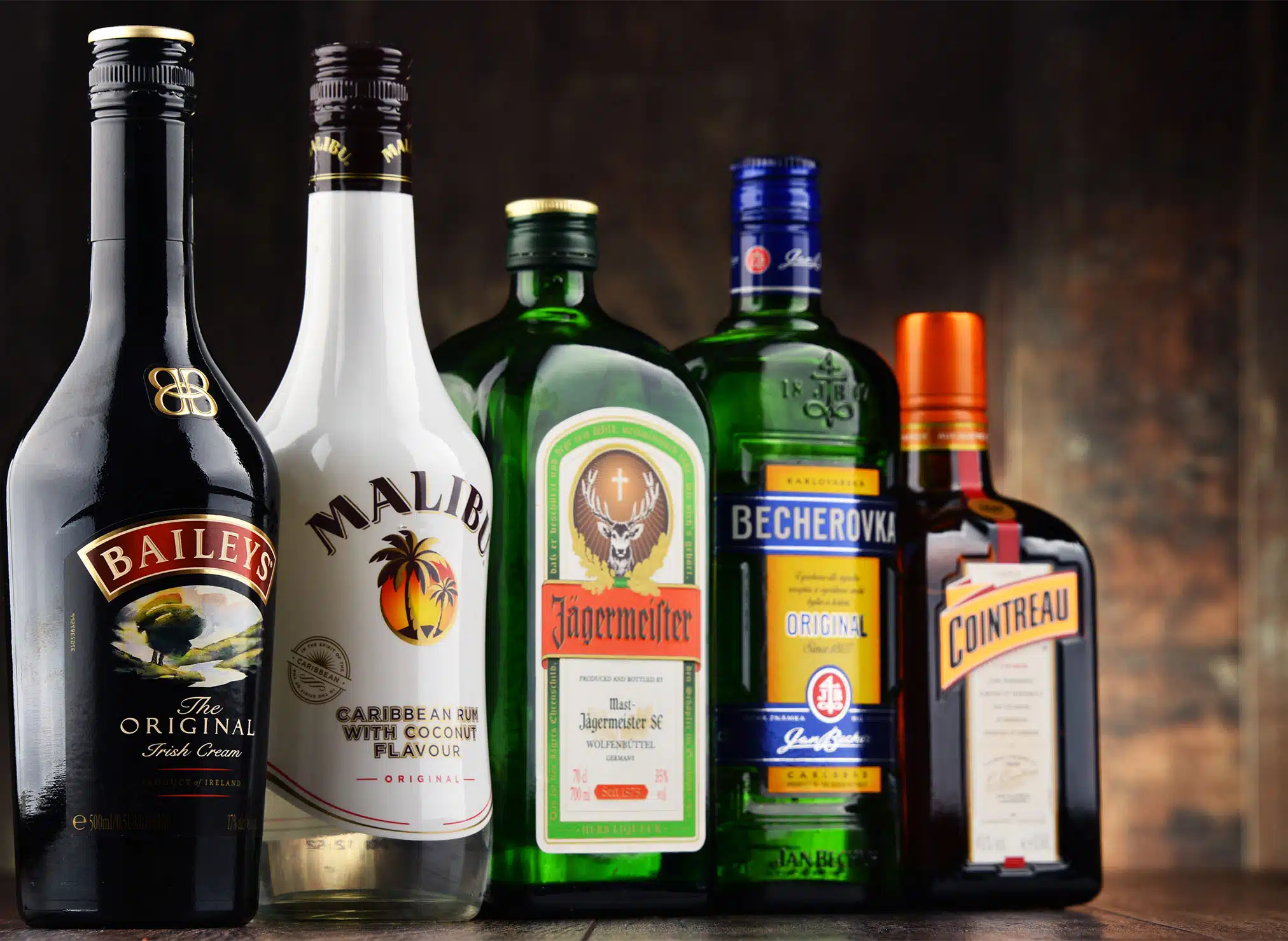
Liqueurs can be sweetened using a variety of products (cane sugar, honey, agave…) but the overall quantity of sugar in the product must follow certain rules. Per EU legislation:
- A liqueur must contain at least 100g sugar per liter of final product;
- A “crème” (de violette, de menthe…) must contain at least 250g sugar per liter of final product;
- “Crème de cassis” (blackcurrant liqueur) must contain at least 400g of sugar per liter of final product to be labeled as such.
Types of Liqueurs
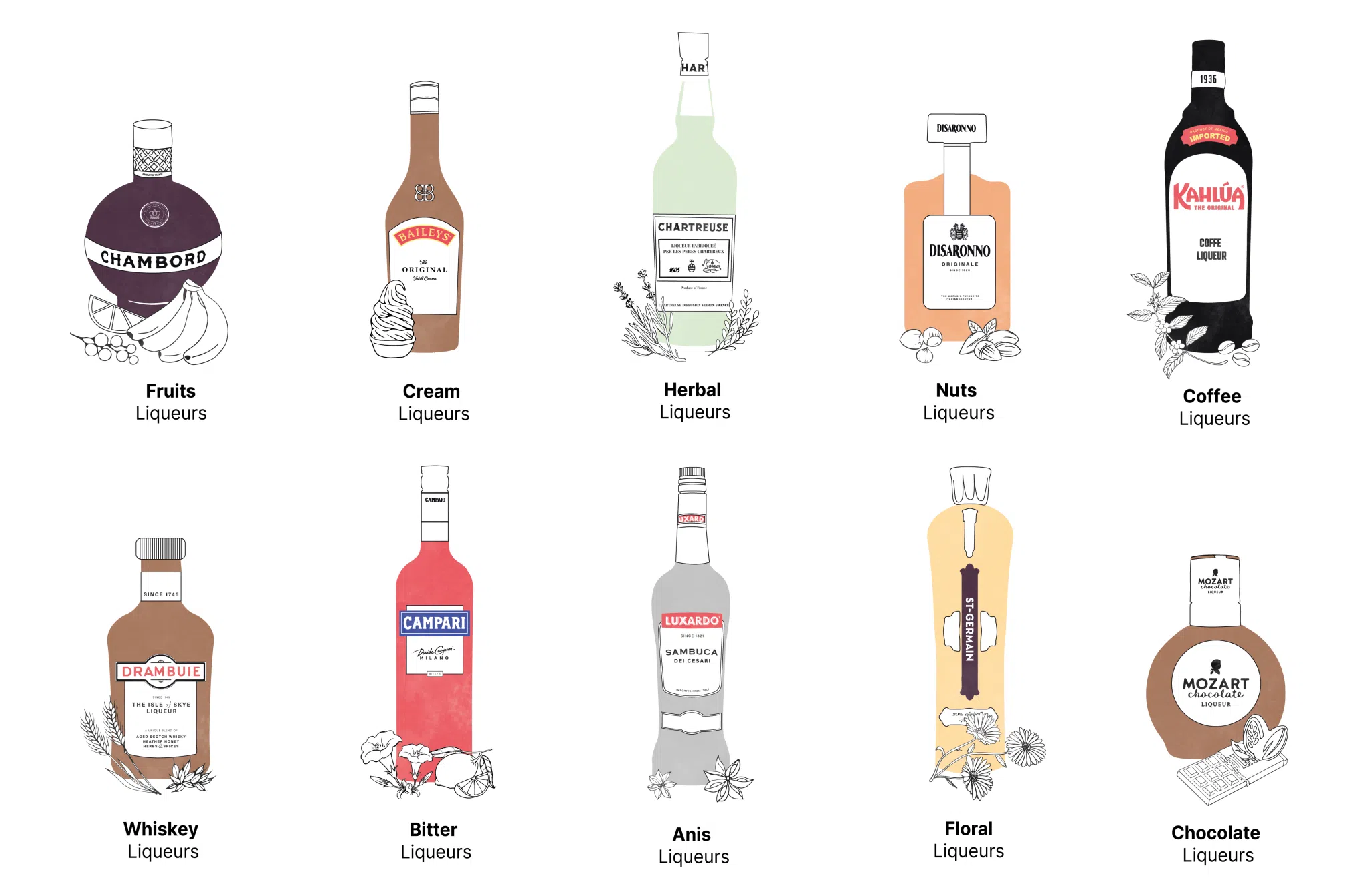
Liqueurs can be categorized based on their primary flavoring ingredients:
- Fruit liqueurs are crafted with fruits such as cherry (Cherry Heering), orange (Cointreau, Grand Marnier), or raspberry (Chambord).
- Cream liqueurs combine dairy cream with a spirit base, often flavored with coffee, chocolate, or fruit, as seen in Bailey’s and Amarula.
- Herbal liqueurs are made from herbs, spices, and botanicals, like Chartreuse and Jägermeister.
- Nut liqueurs feature flavors derived from nuts, such as hazelnut in Frangelico or almond in Amaretto.
- Coffee liqueurs are infused with coffee beans, like Kahlúa and Tia Maria.
- Spice liqueurs are flavored with spices, as in Drambuie, which includes honey and herbs.
- Floral liqueurs use flowers such as elderflower in Saint Germain or violet in Crème de Violette.
- Bitter liqueurs, made from plants, roots, and barks, have a distinct bitter-sweet taste. Popular examples like Aperol, Campari, and Averna mostly originate from Italy and other Mediterranean countries.
Want to learn more about these categories? Check our Types of Liqueur page.
FAQs
Liquors vs Spirits – What’s the difference?
Though there is no definitive consensus across the board, the term “liquor” can be used more broadly to include any strong alcoholic distilled beverage (including liqueurs), while “spirits” can specifically refer to distilled beverages with higher alcohol content and no added sugar (excluding liqueurs).
Both “liquor” and “spirit” are often used interchangeably, though. In the U.S., people use “liquor” as a general word for any alcoholic drink that isn’t beer or wine while in the UK, ” spirits ” mean any strong alcoholic drink, not just the distilled ones.
Liqueur vs Cordial – What’s the difference?
The main difference is that “liqueur” always refers to an alcoholic, sweet, flavored drink, while “cordial” can also mean a non-alcoholic sweet syrup, depending on the region.
People often use the words “cordial” and “liqueur” to refer to the same thing: sweet spirits with flavors from fruits, herbs, spices, flowers, or nuts. However, their usage and meanings can be subtle differences depending on the region and context.
- Usage: “Cordial” has a dual meaning, referring to both alcoholic and non-alcoholic sweet & sour syrups, whereas “liqueur” specifically denotes an alcoholic beverage.
- Region: “Cordial” as an alcoholic drink is more commonly used in the US, while “liqueur” is the preferred term in Europe and other parts of the world. In Europe, “liqueur” is used to refer to a sweetened and flavored liquor, while “cordial” refers to a kind of sweet and sour syrup, traditionally made from lime juice (such as Rose Lime Cordial).
- Variety: While all cordials (in the alcoholic sense) can be considered liqueurs, not all liqueurs are referred to as cordials. The use of “cordial” might imply a fruitier, sweeter type of liqueur, although this is not a strict rule.