If you’ve ever mixed up a Vesper Martini or sipped a French aperitif, chances are you’ve encountered Lillet Blanc. This lovely, golden-hued fortified wine from southwestern France has long been a bar-cart essential.
But what if you’ve run dry or are simply curious about mixing things up a bit? Don’t worry, there are some great substitutes out there that can help you keep the party going without sacrificing flavor.
Cocchi Americano is often the first choice as an alternative, but don’t overlook creative combos like dry vermouth plus a hint of sweetness or a carefully chosen Italian aperitif.
Let’s see which other bottles you can reach for when you need a solid stand-in.
Understanding Lillet Blanc’s Flavor Profile
Lillet Blanc is a crisp, fruity aperitif wine made from white Bordeaux wines and citrus liqueurs. It’s light, balanced, and not overly sweet, offering delicate floral aromas, honey notes, and flavors of lemon peel, orange blossom, and subtle herbs. It’s delicious on ice with a citrus twist or in classic cocktails like the Corpse Reviver No. 2.

The key to a great Lillet Blanc substitute is understanding what the drink needs. Are you mixing up a classic Martini variation that hinges on subtle citrus and sweet notes? Cocchi Americano or a vermouth-plus-floral-syrup combo might be perfect. Making something that calls for Lillet Blanc’s delicate sweetness, but you prefer a more bitter edge? Kina L’Avion d’Or could give your drink a sophisticated twist.
Top Lillet Blanc Substitutes
Cocchi Americano
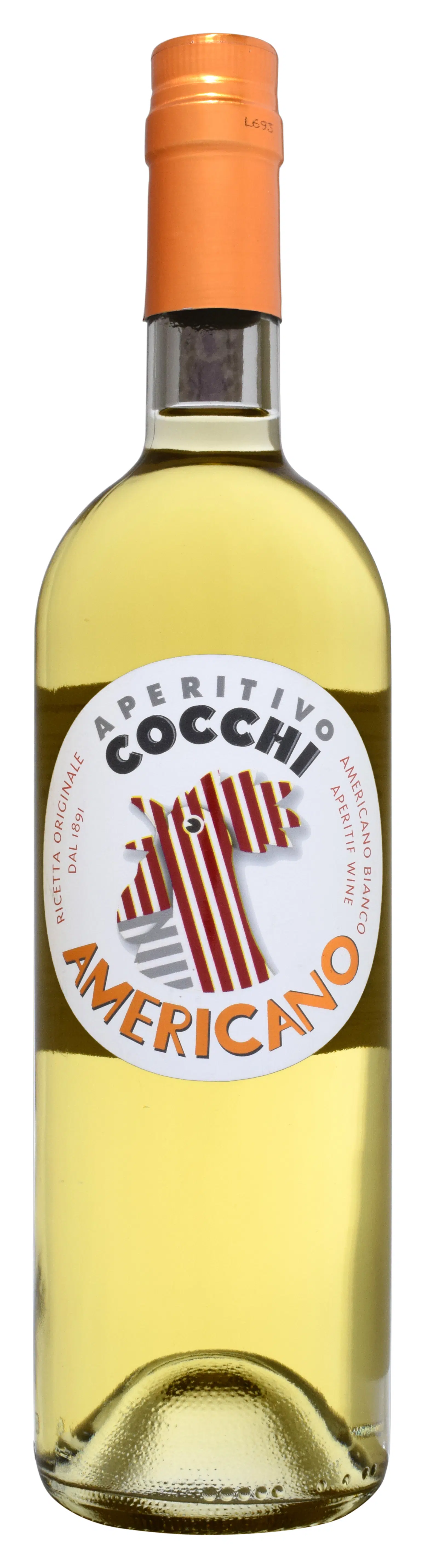
Why It Works: The most frequently recommended substitute for Lillet Blanc is Cocchi Americano Bianco. Before Lillet Blanc changed its original recipe in the 1980s (removing the chinchona bark that gave it a more pronounced bitterness), it was closer in character to what Cocchi Americano still offers today. Cocchi Americano is citrusy, floral, and has a gentle bitterness that makes it a close flavor cousin.
How to Use: Simply use it in a 1:1 ratio. It’ll bring a slightly more pronounced bitter edge, but that often works beautifully in cocktails that call for Lillet.
Kina L’Avion d’Or (or L’Aero d’Or)
Why It Works: Looking for something closer to that old-school Lillet Blanc profile? Kina L’Avion d’Or is a quinquina aperitif that’s often suggested as a truer historical stand-in than modern Lillet. It has pronounced botanicals and a subtle sweetness that complements gin-based cocktails particularly well.
How to Use: Since it’s bold and intense, start off by using just a touch less than the recipe calls for and adjust to taste.
Dry Vermouth (With a Twist)

Why It Works: Vermouth is another fortified wine and a staple in most bars. When looking for a Lillet Blanc substitute, Cinzano Bianco or Dolin Blanc are great ways to start. However, depending on the recipe, dry vermouth alone may not perfectly capture Lillet Blanc’s sweetness and citrusy charm; but worry not, you can “doctor” it up. Add a splash of simple syrup or a bit of elderflower liqueur (such as Saint Germain) to mimic Lillet’s floral sweetness, and maybe a dash of orange bitters to round out the citrus.
How to Use: A good starting point is 2 parts dry vermouth to 1 part sweetener (like elderflower liqueur) to achieve that balanced sweetness. Then adjust with an orange peel or a few drops of orange or lemon bitters until it tastes just right.
White Port + Citrus Bitters

Why It Works: White port is sweeter and richer than Lillet Blanc but still made from white grapes, giving it a wine-forward backbone. By adding a few dashes of orange or lemon bitters, you can approximate Lillet’s citrus nuances. It won’t be a spot-on match, but it’s a resourceful option if your selection is limited.
How to Use: Start with a measure of white port and add bitters, tasting as you go. You may also want to dilute slightly with a splash of club soda or dry white wine (such as Pinot Grigio, for example) if it’s too rich.
Italian Aperitivo Wines (e.g., Bianco Vermouth)

Why It Works: Many Italian producers offer bianco vermouths and aperitivi that are aromatic, herbal, and lightly sweet. These can step in nicely if you’re after a cocktail with a crisp, herbal edge. Though often more bitter and herbaceous than Lillet Blanc, they provide complexity and can work wonders in certain cocktails, adding new dimensions.
How to Use: Use them 1:1 in place of Lillet Blanc, but remember to taste and tweak. If it feels too bitter, a touch of simple syrup or a citrus peel garnish can help restore balance.
Fino or Manzanilla Sherry

Why It Works: Dry sherries like Fino or Manzanilla offer a crisp, wine-like profile with nutty undertones and a touch of salinity. While they lack the quinine bitterness of Lillet Blanc, their dryness and subtle complexity make them a versatile substitute, especially in cocktails emphasizing bright and layered flavors. Sherry has the particularity of being a bit more nutty in flavor compared to a lot of other wine-based products, so it will slightly change the overall flavor profile of the drink. In any case, it’s still worth experimenting with as it can make up for delicious twists and take classic cocktails into an entirely new direction.
How to Use: Replace Lillet Blanc with an equal measure of Fino or Manzanilla sherry. For added citrus notes, consider incorporating a dash of orange bitters or a lemon twist to round out the flavor.