Tinctures are the ultimate tool for adding a splash of intense flavor without overwhelming the drink. These little drops of magic can transform a cocktail, giving it depth and character in a way that syrups or bitters sometimes can’t. If you’ve ever sipped on a cocktail and wondered how the bartender infused such a subtle, lingering taste of lavender or cardamom, chances are, a tincture was involved.
The beauty of tinctures lies in their versatility—whether you want to punch up the citrus notes in a gin and tonic or add an unexpected hint of rosemary to an Old Fashioned, tinctures are here to bring your cocktail game to the next level.
And don’t worry, it’s not overly complicated. With a bit of know-how from Drinksworld’s bartenders, anyone can master tinctures. Want to learn even more? Our online bartending courses will take your skills even further.
What Are Tinctures?
Let’s get one thing straight: even if they are similar, tinctures are not bitters. Though they sometimes get lumped together, tinctures stand out in their own right. A tincture is a highly concentrated liquid extract made by steeping herbs, spices, or botanicals in alcohol. This process pulls all the essential oils and flavors from the ingredients, leaving you with a liquid that packs a serious punch of flavor.

Whereas bitters are often more complex and contain a mix of bitter ingredients meant to be a dominant part of the product’s flavor profile, tinctures are simpler in nature. They usually highlight one or two main ingredients, offering subtle yet vibrant flavor accents to a drink. They don’t dominate—they enhance.
Take lavender, for example. A lavender tincture doesn’t taste like lavender perfume—it’s more refined, like a whisper of floral notes that rounds out your drink without overpowering it. The same goes for a citrus peel tincture. It adds zestiness without the bulk, leaving your cocktail bright and refreshing.
The real charm of tinctures lies in their precision. A few drops are all you need to turn an ordinary cocktail into something that feels bespoke, curated just for you.
How Tinctures Enhance Cocktails
So, why should we bother with tinctures? Simple: they bring a whole new level of customization to cocktails. Think of them as the seasoning to a dish. Just as a pinch of salt can make all the flavors in food come alive, a drop or two of tincture can awaken hidden layers in a cocktail.
What makes tinctures so effective is their ability to isolate a flavor and deliver it in a pure, concentrated form. When we use a tincture, we’re adding complexity to our drink without altering the texture or the core balance. This is especially useful when we want to amplify certain flavors, like enhancing the herbal notes of a gin cocktail or adding a spicy undertone to a bourbon-based drink.
The beauty of tinctures is also in their versatility. A rosemary tincture can give an extra herbal kick to a Negroni, or you can use a citrus peel tincture to brighten up a whiskey sour. Plus, they offer a level of control that’s hard to achieve with other flavoring methods. You can fine-tune your cocktail’s flavor with just a few drops, ensuring that each sip is exactly how you want it.
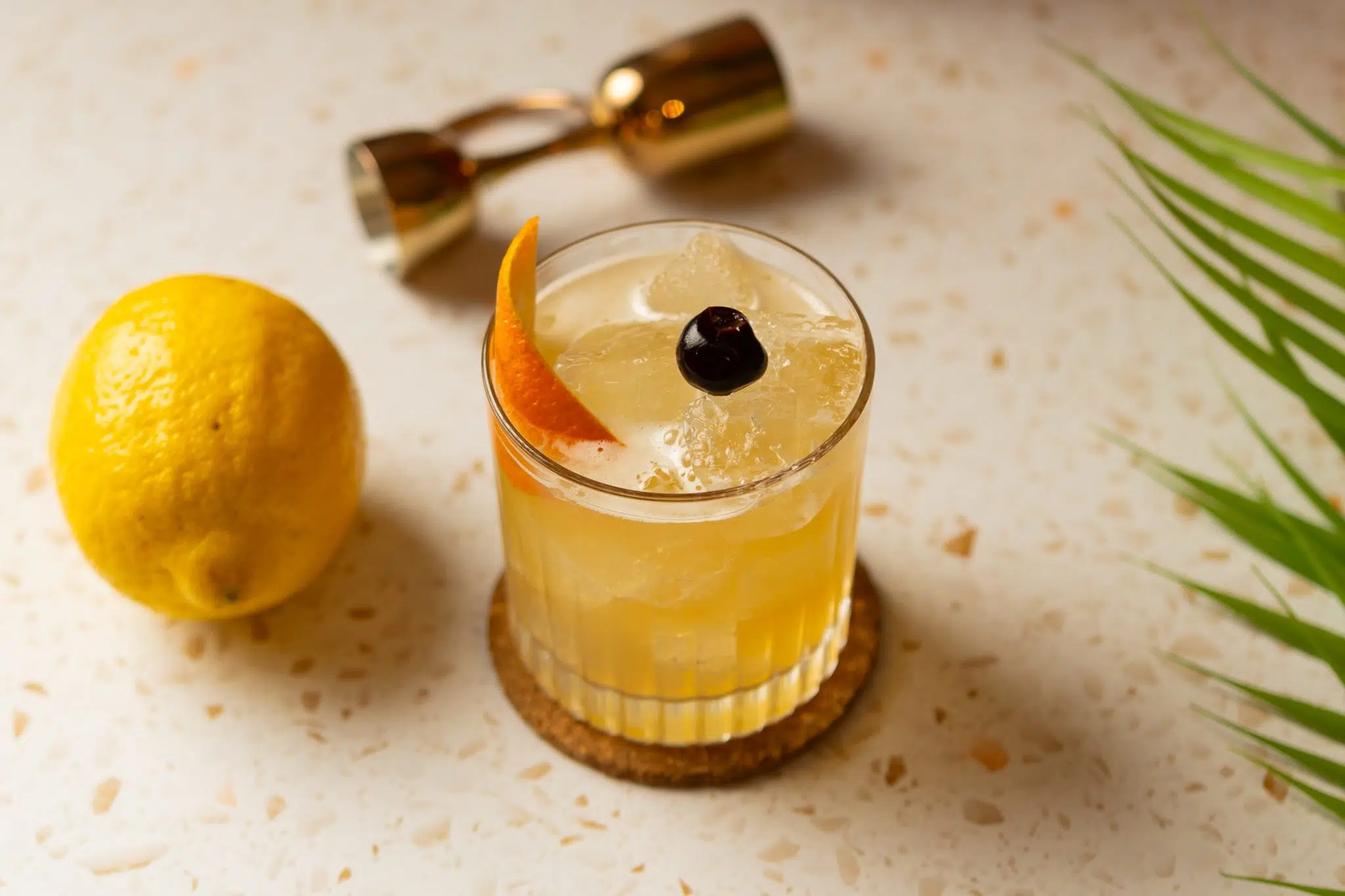
Imagine you’re creating a classic Martini and you want to add a hint of something unexpected—lavender, maybe. Rather than muddling fresh lavender or using a lavender syrup (which could affect the drink’s clarity and sweetness), a lavender tincture gives you all the flavor with no fuss. One drop, and it’s like you’ve elevated the Martini to a new level of sophistication.
Making Your Own Tinctures
Alright, now that we’re all in on the secret of tinctures, it’s time to get our hands dirty. Making your own tinctures at home is way easier than it sounds, and the best part? You can get wildly creative with it. Think of tincture-making like crafting a personalized flavor bomb for your cocktails. Once you know the basic steps, the sky’s the limit.
What You’ll Need
First things first, you’ll need a high-proof alcohol, like vodka or grain alcohol. Why? Because the higher alcohol content helps extract all those intense flavors we want. Then, it’s time to pick your botanicals—think herbs, spices, fruits, or even flowers. A few favorites to start with: rosemary, cinnamon, citrus peels, and lavender. Keep it simple, or go wild and combine ingredients to create your own signature mix.
The Process: Step-by-Step
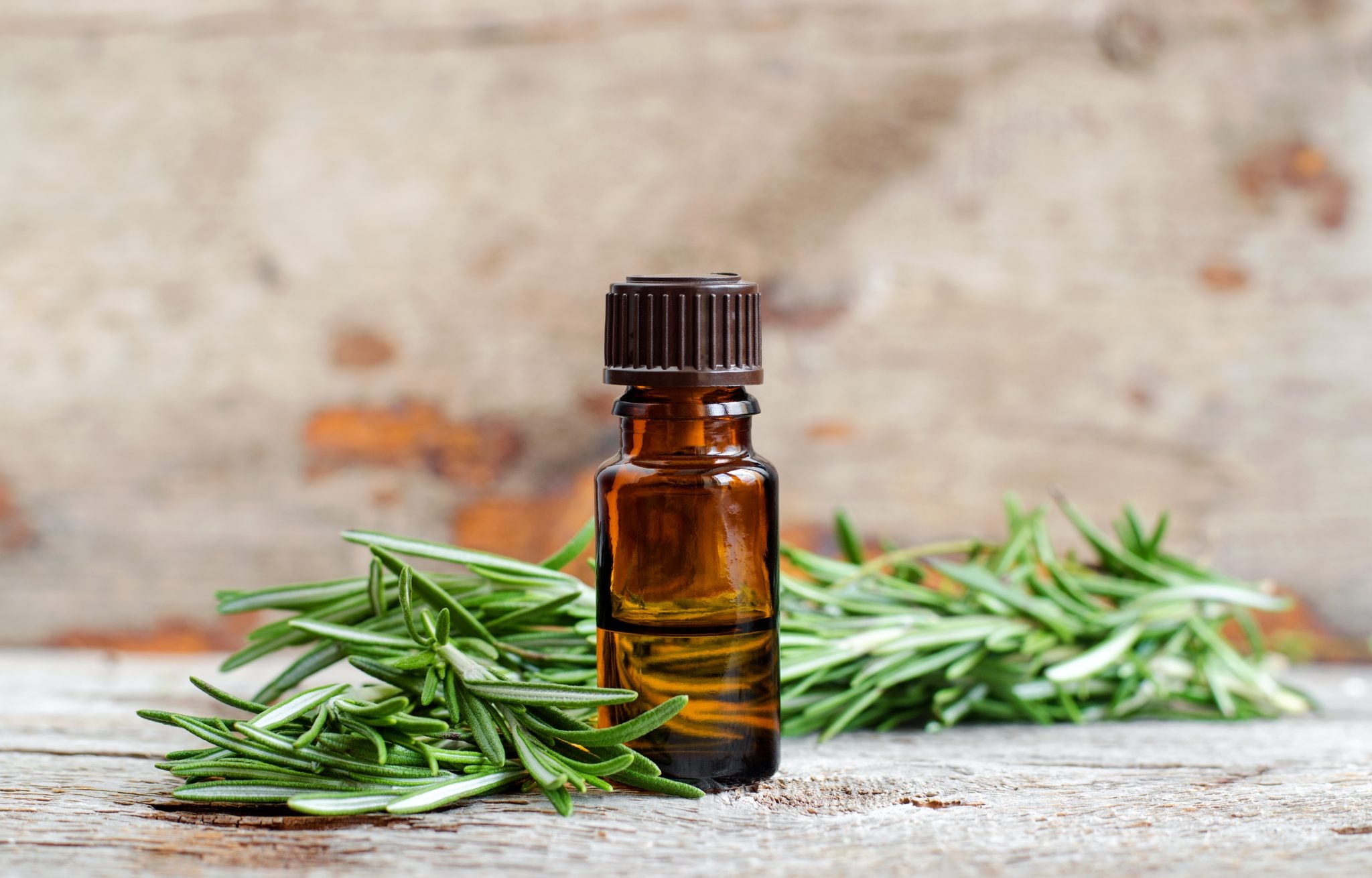
- Choose Your Alcohol & Ingredients: Let’s say you want to make a rosemary tincture. Start with a neutral spirit like vodka (around 80-100 proof works well) and fresh rosemary sprigs.
- Infuse: Toss the rosemary into a mason jar and cover it with the vodka. Seal it up tight. Now, here’s the tricky part—waiting. Give it about a week to steep in a cool, dark place. Shake it once a day to keep things active.
- Strain & Store: After a week, check the flavor. Is it bold enough for you? If not, let it sit a few more days. Once it’s just right, strain out the solids using a fine mesh strainer or cheesecloth. Now pour the tincture into a dark glass bottle (a dropper bottle works best) and store it in a cool spot. Boom! You’ve got your very own tincture.
Experimenting with Ingredients
Here’s where things get fun. Feel like adding a spicy kick? Try a cinnamon tincture. Want something fresh and zesty? Go for citrus peels. There’s no limit to what you can infuse, so feel free to mix and match ingredients to create something truly unique. Just remember to start small—tinctures are all about precision, and a little goes a long way.
How to Use Tinctures in Cocktails
Now that we’ve got our homemade tinctures, let’s talk about how to actually use them. The magic of tinctures is in their subtlety and precision. These aren’t like syrups where you add a heavy pour and call it a day. Tinctures are about finesse, about making small adjustments that result in big flavors.
Dosing & Control
The most important thing to remember? Less is more. We’re talking drops here, not splashes. The beauty of tinctures is in their concentration, so you want to use them sparingly to build flavor without overpowering the drink. Start with just one or two drops, then taste. Need more? Add another drop. But be careful—a little too much, and you’ll go from “subtle complexity” to “what just happened to my drink?”.
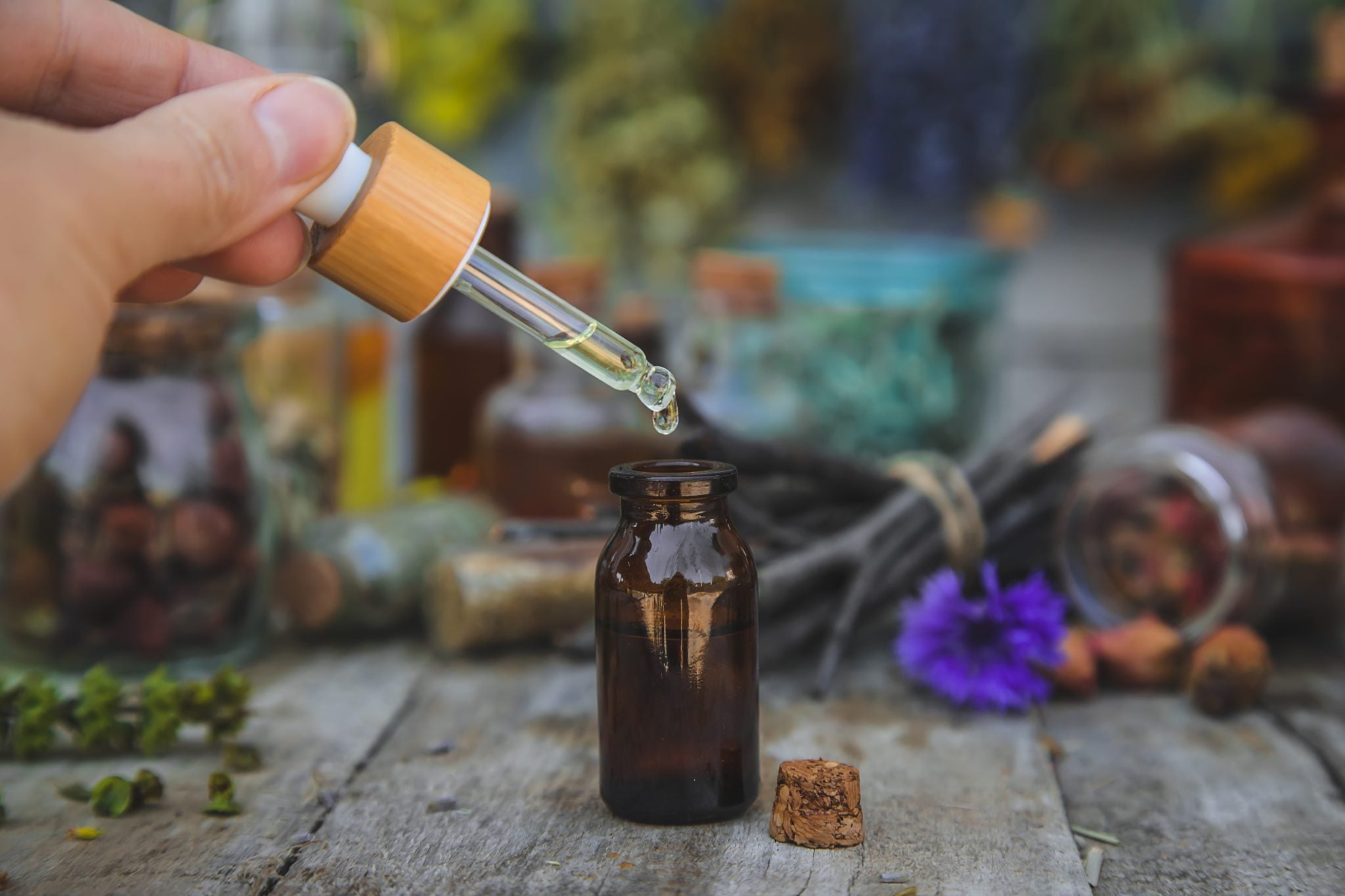
Techniques for Adding Tinctures
- Direct Application: This is the easiest method. Drop your tincture right into the drink and stir. Simple, but it works wonders. Picture a classic Martini with just a drop of lavender tincture—it’s still the Martini you know, but with a sophisticated floral twist.
- Glass Rinse: Want to be a bit more theatrical? Try rinsing the inside of your glass with a tincture before pouring your cocktail. This coats the glass with a subtle layer of flavor, making each sip feel like a discovery. Imagine rinsing a whiskey glass with a cinnamon tincture before pouring an Old Fashioned. Now that’s a drink that commands attention.
- Layering Flavors: For cocktails with multiple components, you can use tinctures to build layers of flavor. Let’s say you’re making a Gin & Tonic but want to add some depth. A few drops of citrus tincture alongside a rosemary tincture gives you bright top notes with a savory, herbal finish. It’s all about finding balance.
Infusing into Syrups or Bitters
If you really want to get experimental, try combining tinctures with other cocktail components. Infuse your tincture into a simple syrup to add a flavor twist, or use it alongside bitters to double down on complexity. The possibilities here are endless—tinctures give you the power to tweak and refine your cocktail experience with pinpoint precision.
Popular Cocktail Recipes Using Tinctures
Alright, we’ve covered the theory, now let’s get into the fun part: actually using tinctures in cocktails. Tinctures are like secret ingredients that can make your cocktails stand out, and we’ve got a few recipes that show how these flavor-packed drops can truly shine.
Lavender Lemon Martini

- Ingredients:
- 2 oz gin
- 1 oz fresh lemon juice
- ½ oz simple syrup
- 2 drops lavender tincture
- Lemon twist (for garnish)
- Method:
Shake the gin, lemon juice, lavender tincture, and simple syrup with ice until well-chilled. Strain into a chilled martini glass. Garnish with a lemon twist. The lavender is subtle but creates a floral balance to the tart lemon. You’ll taste it in the background—just enough to make you feel like you’re sipping in a botanical garden.
Rosemary Negroni
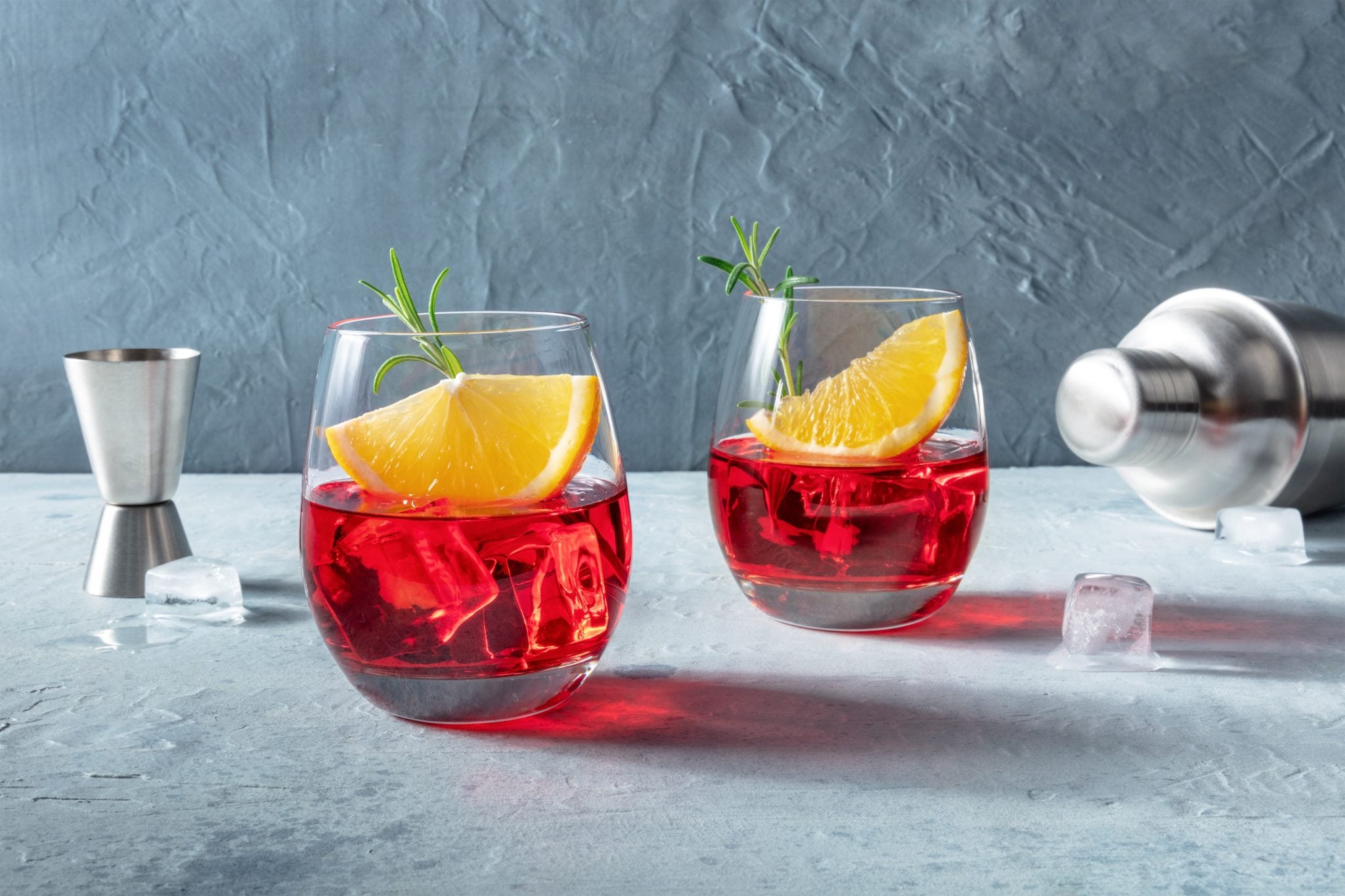
- Ingredients:
- 1 oz gin
- 1 oz Campari
- 1 oz sweet vermouth
- 2-3 drops rosemary tincture
- Orange peel (for garnish)
- Method:
Stir the gin, Campari, and vermouth with ice, then strain into a rocks glass over fresh ice. Add a couple of drops of rosemary tincture on top and give it a quick stir. Garnish with an orange peel. The rosemary tincture brings a herbaceous punch that cuts through the bitter Campari, creating a perfectly balanced, fragrant Negroni that feels like it’s been upgraded by a Michelin-starred chef.
Spiced Old Fashioned
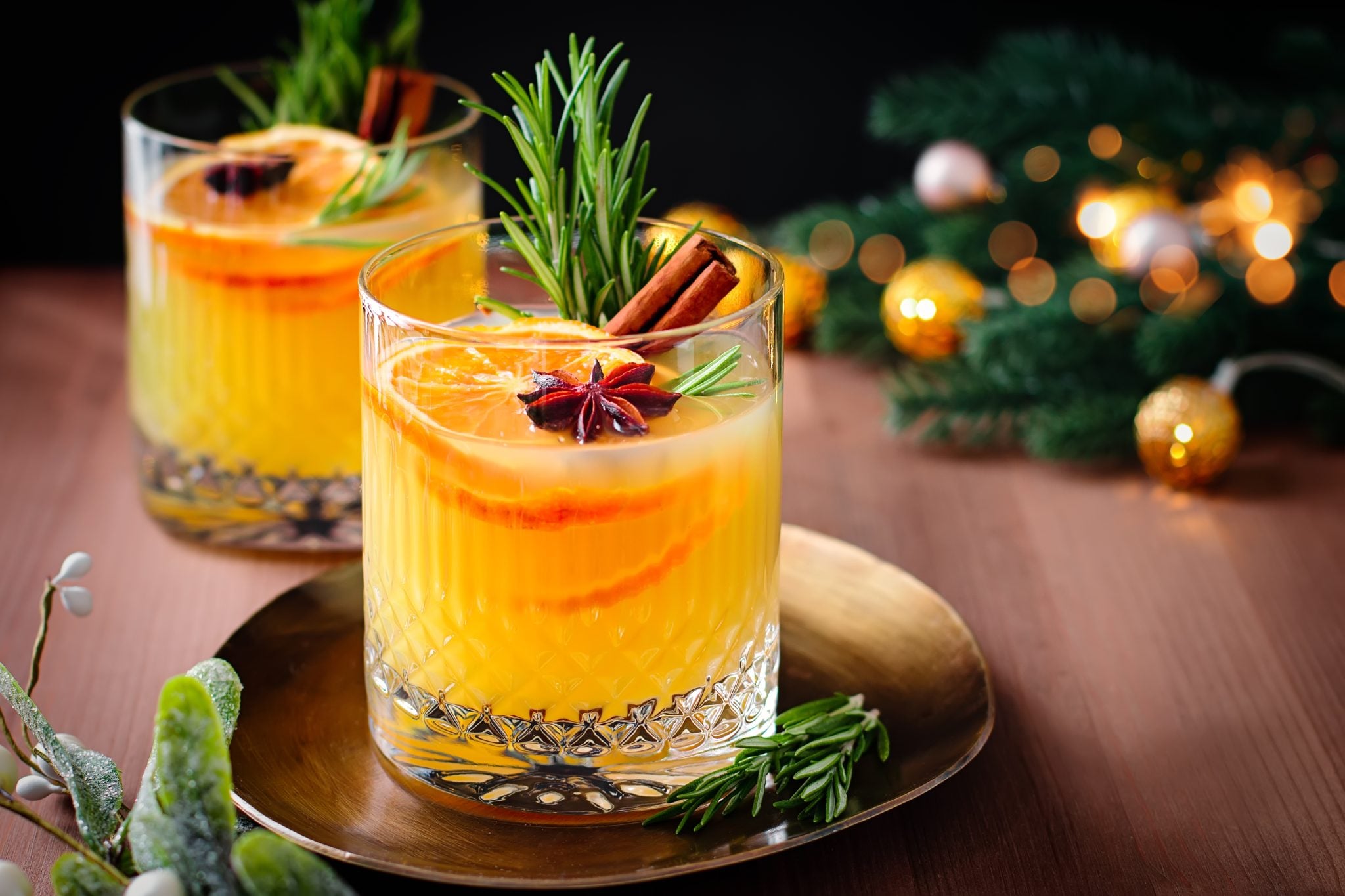
- Ingredients:
- 2 oz bourbon
- 1 sugar cube (or ½ oz simple syrup)
- 2-3 dashes of Angostura bitters
- 2 drops cinnamon tincture
- Orange peel and cinnamon stick (for garnish)
- Method:
Muddle the sugar and bitters in a glass, then add the bourbon and ice. Stir until chilled. Now, here’s the twist—add two drops of cinnamon tincture. Stir again, and garnish with an orange peel and cinnamon stick. The result? A warm, spiced Old Fashioned that tastes like a cozy autumn evening in a glass. The cinnamon tincture gives it just the right kick of warmth without overpowering the rich bourbon flavors.
Storing and Preserving Tinctures
Tinctures are pretty low-maintenance once they’re bottled, but with a little extra care, you can ensure they last as long as possible—because once you start using tinctures, you’ll want them on hand for every cocktail.
How Long Do Tinctures Last?
Thanks to the high alcohol content, tinctures are naturally preservative, which means they have an impressively long shelf life. We’re talking months, if not years, as long as they’re stored properly. But here’s the key—keep them in a cool, dark place, preferably in a tinted glass bottle to prevent light from degrading the flavors. A cupboard or bar shelf out of direct sunlight works perfectly.
Signs of Spoilage
Though tinctures don’t spoil in the way food does, they can lose their potency over time. If you notice that the flavors are starting to fade or if the tincture develops an off smell, it’s time to whip up a fresh batch. Cloudiness can also be a sign that your tincture has seen better days, especially if it’s made from fresh ingredients like fruit peels or herbs.
Best Practices for Long-Term Use
- Label Your Bottles: You want to remember what’s in each bottle, especially if you have multiple tinctures going. A quick label with the date you made it and the ingredients is a simple but effective step.
- Keep It Cool: The darker and cooler, the better. Avoid leaving tinctures near heat sources or bright windows.
- Avoid Contamination: Always use clean droppers or pipettes to avoid introducing bacteria or moisture into your tincture bottles.
Conclusion: Tinctures—Your Secret Cocktail Weapon
So there you have it—tinctures may be small, but they pack a punch. They’re precise, powerful, and endlessly versatile, offering us an easy way to experiment and craft cocktails that are truly our own.
What we love most about tinctures is the balance they strike. With just a few drops, you can play with bold flavors without throwing off the drink’s texture or sweetness.