
We’re all about enjoying every last drop of that delicious bottle of wine. But sometimes, life happens. You pop open a bottle, pour a glass (or two), and then… you have leftovers. What do you do? The answer: you recork it! But as simple as recorking sounds, there’s a right way to do it if you want to preserve that wine’s flavor and freshness for as long as possible. So, let’s talk about how to recork wine like a pro.
If you’ve ever finished the last glass of a once-great wine and found it sour, flat, or just plain off, you know the pain of oxidation. The truth is, oxygen is both a friend and an enemy to wine. While a little air lets your wine open up, too much can cause it to spoil. That’s why knowing how to recork properly is a key part of enjoying wine to its fullest.

Why Recorking Wine Matters
Let’s start with the basics—why bother recorking in the first place?
Oxygen Exposure: The Double-Edged Sword
When you open a bottle of wine, oxygen starts interacting with it immediately. In small doses, oxygen helps your wine “breathe” and allows its flavors to develop. But too much oxygen over time leads to oxidation, which degrades the wine, flattening its flavors and aromas. This is where recorking comes in. The goal is to slow down the exposure to oxygen, preserving the wine’s freshness for the next time you want to enjoy it.
Preserving Freshness
You’ve invested in a good bottle of wine, so naturally, you want it to taste just as good on day two (or three). Properly recorking your bottle slows the oxidation process, allowing you to keep the wine’s structure and flavor for a few more days.
Serving Flexibility
Recorking lets you enjoy wine at your own pace. Whether you’re having a glass with dinner or splitting a bottle between friends, recorking gives you the freedom to save the rest for later without compromising quality.
The Tools for Recorking Wine
Now, let’s talk about the tools you can use to recork your bottle. Whether you’re a fan of traditional corks or prefer more modern gadgets, there’s a method for everyone.
The Original Cork
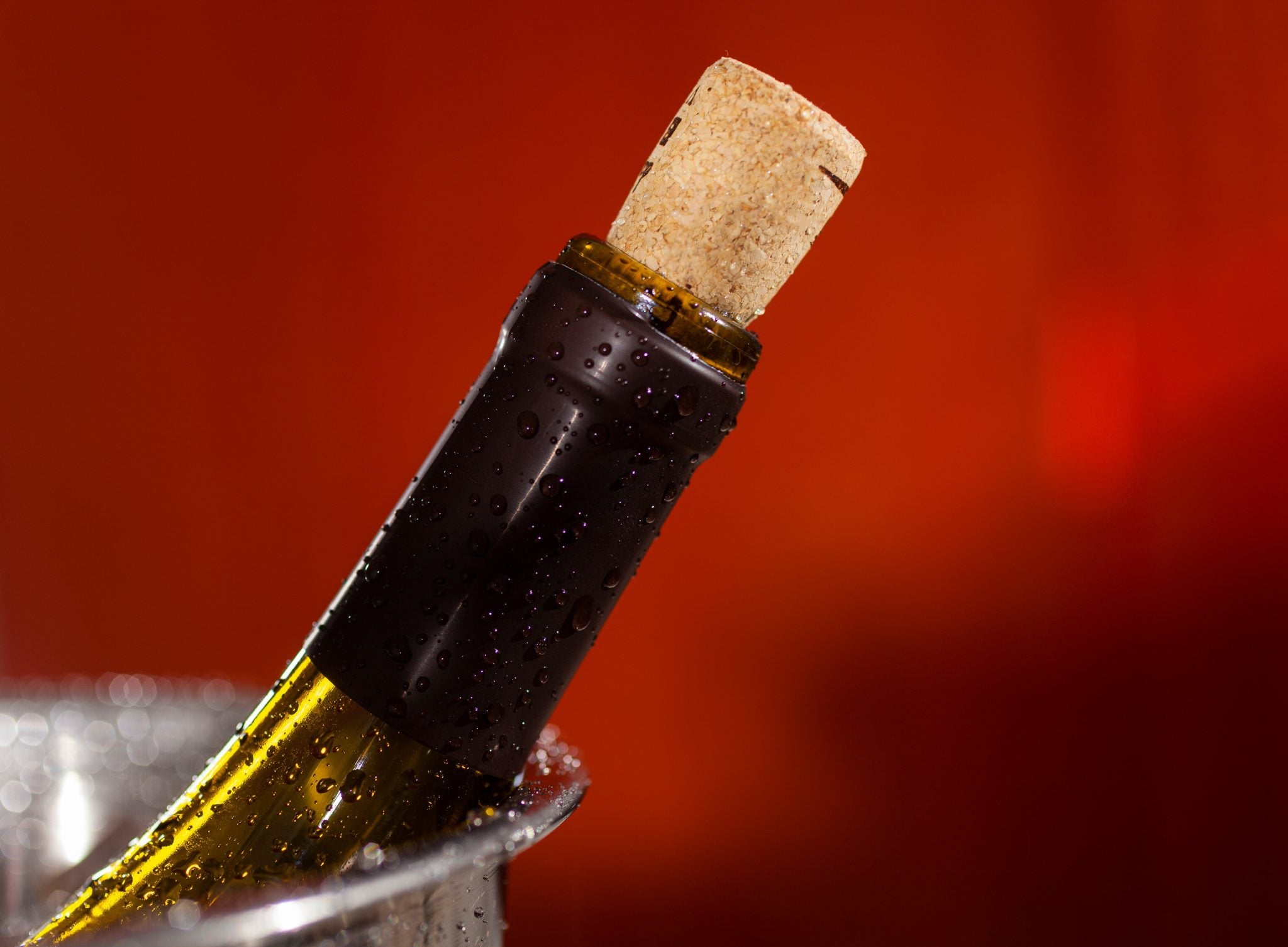
Ah, the trusty original cork. If the cork you popped is still in good condition, this is often your best option. Just remember: it’s all about technique here.
- Inspect the Cork: Before reusing the cork, check it for any damage. If it’s crumbled or too soft, it won’t form a proper seal, and you’re better off using a stopper.
- Reuse the Right End: Always reinsert the cork the same way it came out—the wine-stained end goes back into the bottle. This ensures a snug fit because the cork has already expanded on the wine’s side.
- Technique Tip: Don’t just jam the cork back in. Instead, twist the cork gently while pressing down. This keeps it from breaking apart and creates a better seal. Pro tip: if the cork won’t go in easily, run it under hot water for a few seconds to soften it up.
Wine Stoppers
If reusing the original cork feels like trying to shove toothpaste back in the tube, don’t worry! There are plenty of alternatives that work just as well (if not better) than a cork.
- Silicone Stoppers: These are great because they’re flexible, reusable, and create an airtight seal. Plus, they’re super easy to pop on and off. Just push one into the bottle, and you’re done.
- Levered Stoppers: If you’re after a quick and easy solution, these stoppers feature levers or clamps that create a tight seal at the neck of the bottle. Just press the lever down, and you’re good to go. These are especially handy for sparkling wines.
- Vacuum Stoppers: Vacuum stoppers take things a step further by sucking the excess air out of the bottle, slowing down oxidation even more. After inserting the stopper, use a vacuum pump to pull the air out of the bottle until you feel resistance. This method is perfect for red and white wines you want to preserve for up to a week.

Wine Preservation Systems
For the true wine enthusiast, there are high-tech options that make recorking seem old-school. One standout tool is the Coravin system, which lets you enjoy a glass of wine without ever pulling the cork out.
- Coravin System: This device pierces the cork with a thin needle, allowing you to pour wine while keeping the rest of the bottle sealed. It replaces the air inside the bottle with argon gas (an inert gas that doesn’t affect the wine), so the wine stays fresh for weeks, even months. If you’re someone who likes to savor wine by the glass, this system is a game-changer.
Step-by-Step Guide: How to Recork Wine
Now that we’ve covered the tools, let’s walk through the process of recorking wine, step by step.
Reusing the Original Cork
- Step 1: Inspect the cork to make sure it’s not damaged, brittle, or crumbling.
- Step 2: Insert the wine-stained side of the cork back into the bottle, as this end has already expanded with the wine.
- Step 3: Twist the cork gently as you press down. This helps prevent the cork from splitting or getting stuck halfway.
- Step 4: Store the bottle upright (we’ll explain why in the next section).

Using a Wine Stopper
- Step 1: Pick your stopper—whether silicone, vacuum, or levered.
- Step 2: Insert the stopper firmly into the bottle’s neck, making sure it creates a tight seal.
- Step 3: If you’re using a vacuum stopper, pump out the air until you feel resistance.
- Step 4: Store the bottle according to the type of wine (more on that below).
Vacuum-Sealing Your Wine
- Step 1: Insert the vacuum stopper into the bottle’s neck.
- Step 2: Use the pump to remove as much air as possible. You’ll know it’s working when you feel a slight resistance while pumping.
- Step 3: Once the vacuum seal is tight, store the bottle upright in a cool, dark place.

Using the Coravin System
- Step 1: Place the Coravin system over the cork and insert the needle.
- Step 2: Press the trigger to release the wine into your glass.
- Step 3: After pouring, the system injects argon gas into the bottle to prevent oxidation.
- Step 4: Store the bottle as usual, knowing that it’s perfectly preserved for your next glass.
Storing Your Wine After Recorking
Recorking is just the first step. Proper storage is key to making sure your wine stays as fresh as possible. Here’s what you need to know:
Temperature Matters
Wine likes to be kept at a consistent, cool temperature. Red wines are best stored at around 55°F (12–15°C), while whites and rosés can be stored slightly cooler. After recorking, avoid storing your wine in warm places, like on top of the fridge or near windows, where temperature fluctuations can spoil it quickly.
Keep It Upright
Once you’ve recorked the bottle, it’s best to store it upright. This minimizes the surface area of the wine exposed to air and reduces the risk of oxidation. If you store the bottle horizontally, there’s more wine touching the air trapped inside, speeding up the aging process. If the bottle is stored horizontally, there is also a risk of leakage if the cork or wine stopper is not properly put.
Light Exposure
Light, especially sunlight, can degrade wine over time, which is why most wine bottles are made of dark glass. Store your wine in a cool, dark place, like a wine fridge or cabinet, to protect it from direct light exposure.
How Long Does Recorked Wine Last?
You’ve recorked your wine and stored it properly—so how long will it last? Here’s a general guide:
- Red Wine: When properly recorked, red wine can last for 2-4 days. The higher tannin content in red wines helps slow oxidation a bit, but after five days, you’ll likely start to notice a drop in flavor and aroma.
- White Wine and Rosé: White wines and rosés are a little more delicate than reds. When recorked and refrigerated, they can last for 3– 5 days. If you’re using a vacuum stopper, you might stretch this out to a week.
- Sparkling Wine: The bubbles in sparkling wine start to fade quickly once opened. Use a special champagne stopper to preserve the fizz, but expect your sparkling wine to last 1–3 days at best.
- Fortified Wines (Port, Sherry): Thanks to their higher alcohol content, fortified wines last longer than most. You can enjoy them for up to 3 months after opening when properly sealed and stored in the fridge.
Signs Your Wine Has Gone Bad
Even with the best recorking techniques, wine doesn’t last forever. Here’s how to tell if your wine has passed its prime:
- Smell: If your wine smells like vinegar or wet cardboard, it’s probably oxidized. Toss it.
- Taste: A flat, dull, or overly acidic taste is a sign that the wine has lost its character and should be discarded.
- Appearance: If your wine has turned brown or cloudy, that’s a visual cue that it’s no longer good to drink.

Common Mistakes to Avoid When Recorking Wine
- Using a Damaged Cork: If your cork is damaged or crumbling, it won’t create a proper seal, leading to faster oxidation. Use a wine stopper instead.
- Forcing the Cork: Don’t force the cork back in if it doesn’t fit easily—this could cause it to break or crumble into the wine. Try twisting gently, or use a stopper instead.
- Storing the Bottle Horizontally: Once opened, always store wine upright to minimize oxygen exposure and prevent risks of leakage.

Conclusion: Mastering the Art of Recorking Wine
Recorking your wine is about more than just keeping it fresh—it’s about savoring every glass. Whether you’re using the original cork, investing in a stopper, or going all-in with a wine preservation system like Coravin, the key is to seal the bottle properly and store it under the right conditions. Here at drinksworld.com, we believe every bottle of wine should be enjoyed to the last drop, and with the right recorking techniques, you can make that happen.
So next time you find yourself with a half-full bottle, don’t worry. Armed with these tips, you’ll be recorking like a pro and enjoying great wine for days to come!