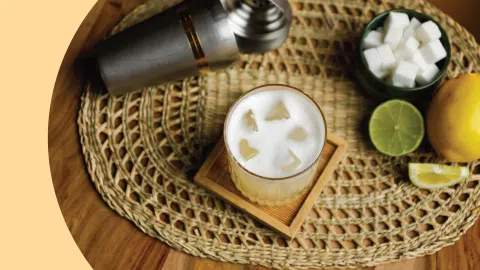
At drinksworld.com, we’re all about elevating cocktails from good to unforgettable. And while the ingredients inside your glass are essential, let’s be real—presentation matters just as much. That’s where dehydrated garnishes come in. Not only do they look stunning perched on the rim of your glass, but they also pack a punch of flavor and texture that can transform your cocktail experience.
Dehydrated garnishes are versatile, long-lasting, and simple to add flair to your drinks. Whether you’re a home mixologist looking to impress friends at your next gathering or a bartender aiming to give your cocktails a modern touch, learning how to make and use these dried delights is a game-changer.
This article covers everything you need to know about making and using dehydrated garnishes.
Why Use Dehydrated Garnishes?
Before we get into the how, let’s talk about the why. Dehydrated garnishes have exploded in popularity in the cocktail world—and for good reason. They bring so much to the table (or bar).
Visual Appeal
There’s no denying it—dehydrated garnishes are pretty. From dried citrus wheels to vibrant fruit slices, they add a striking aesthetic that immediately makes your cocktail look more sophisticated and professional. Plus, they give off a “crafted with care” vibe that fresh garnishes just don’t achieve.

Flavor Concentration
When you dehydrate fruits or herbs, you’re essentially intensifying their flavors. That means a dehydrated orange slice packs more of that bright citrus zing than a fresh one. Dehydrated herbs, like rosemary or thyme, give off an earthy, concentrated aroma that complements cocktails beautifully.
Longer Shelf Life
Fresh garnishes are great—until they start wilting or molding in the fridge. Dehydrated garnishes, on the other hand, can last for months when stored properly. That means you can prepare them ahead of time and always have a gorgeous garnish ready to go.
Eco-Friendly and Resourceful
Let’s face it—sometimes we don’t use our produce before it gets a little past its prime. Dehydrating those fruits instead of tossing them helps reduce waste, making your cocktail game both impressive and eco-friendly. Plus, dehydrating lets you save seasonal ingredients for year-round use.
Tools You’ll Need to Make Dehydrated Garnishes
Dehydrating garnishes is easier than you might think, but like any good cocktail-making process, you’ll need the right tools. Here’s your go-to list:
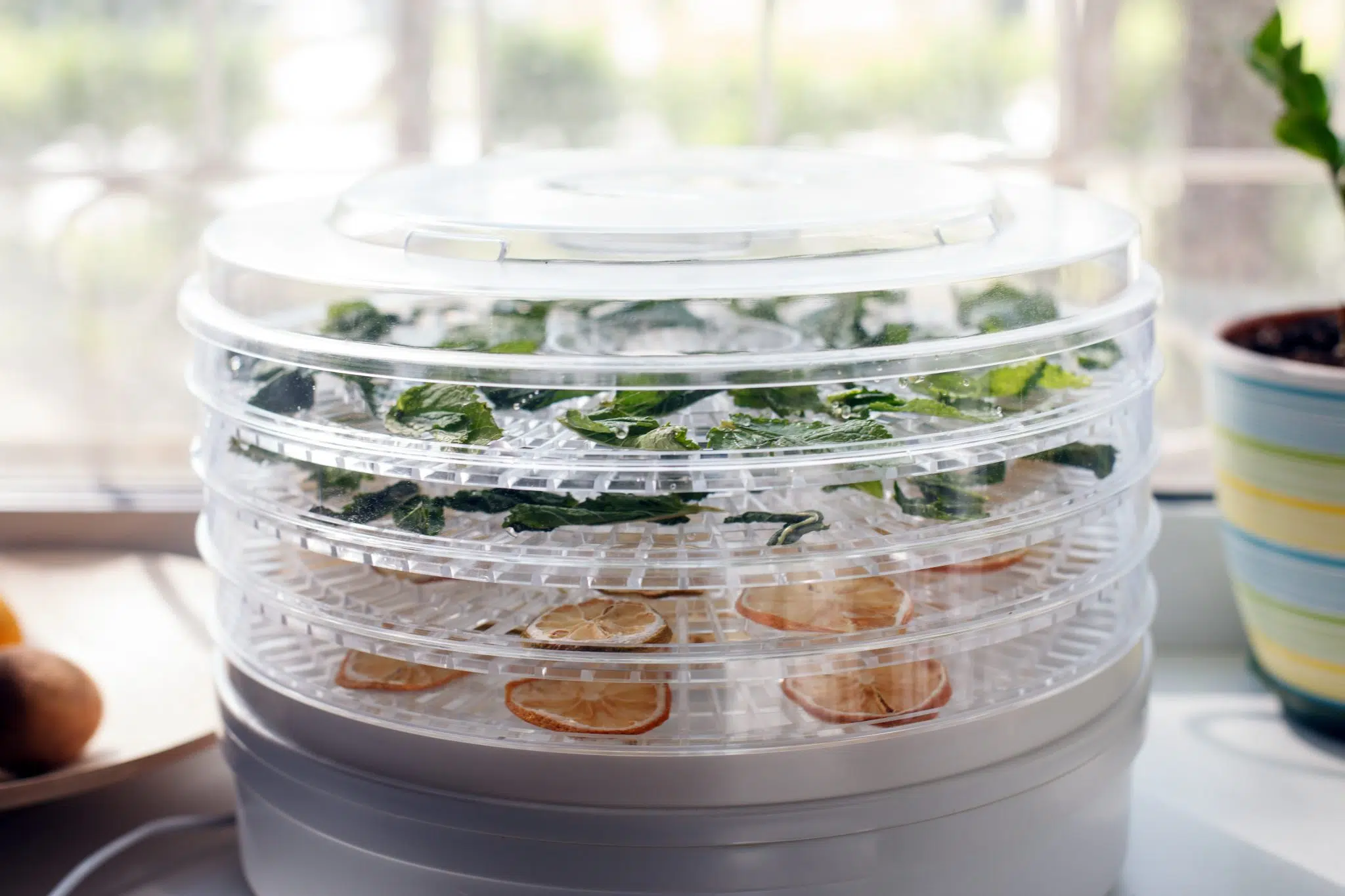
Dehydrator
If you’re serious about making dehydrated garnishes, a dehydrator is your best bet. It’s designed specifically for this task and will give you consistent, perfect results. You can find models in a range of prices, but even a basic dehydrator works wonders.
Oven
No dehydrator? No problem. Your home oven can do the job, though it might take a bit more babysitting. Just make sure it can operate at low temperatures (around 200°F/93°C or lower).
Knife or Mandoline
Uniformity is key when slicing fruits and garnishes. A sharp knife will do, but if you want perfectly even slices (and trust us, you do), a mandoline is your friend. It makes slicing quick, safe, and precise.
Baking Sheets and Parchment Paper
For those using an oven, you’ll need baking sheets to spread your slices out. Parchment paper prevents sticking and makes cleanup easier.
Airtight Containers
Once your garnishes are done, you’ll want to store them in airtight containers to keep them crisp and flavorful. Mason jars or ziplock bags work well, but make sure they’re sealed tight to keep moisture out.
Types of Dehydrated Garnishes
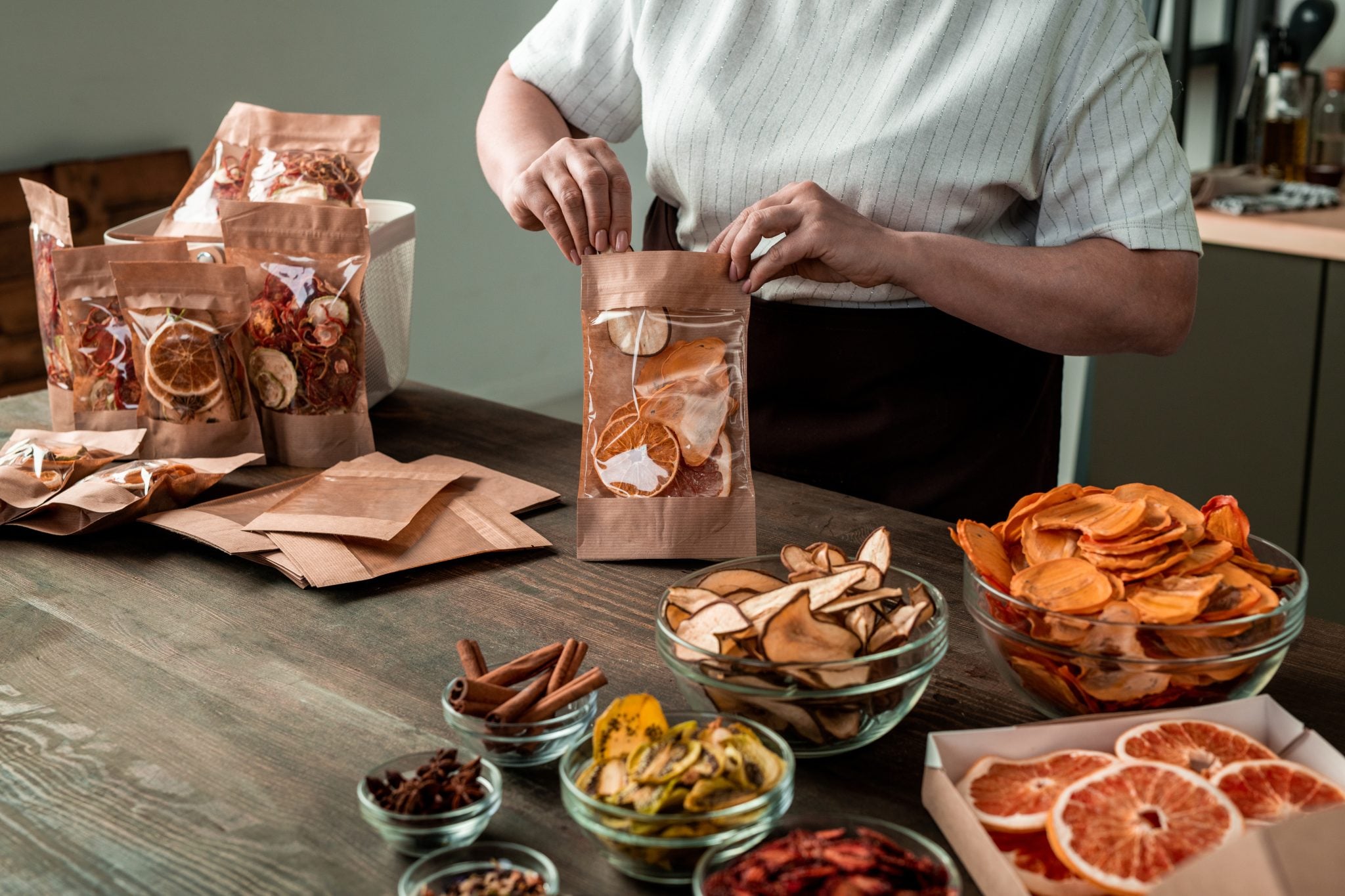
Not all garnishes are created equal. Some ingredients lend themselves to dehydration better than others. Here’s a rundown of the most popular dehydrated garnishes you can make at home:
Citrus (Lemons, Limes, Oranges, Grapefruit)
Citrus is the star of the show when it comes to dehydrated garnishes. Thinly sliced lemon, lime, and orange wheels are a bartender’s dream. They look beautiful, add a concentrated citrus aroma, and pair perfectly with gin, vodka, rum, and tequila-based drinks.
- How to use them: Garnish your gin and tonic, margaritas, or even Negronis with a dehydrated citrus wheel for a polished look and zesty fragrance.
Fruits (Pineapple, Apple, Strawberry, Kiwi)
Dehydrated fruit slices bring a burst of flavor and texture to cocktails, especially tropical or sweet drinks. Pineapple, apple, strawberry, and kiwi are just a few fruits that dehydrate wonderfully.
- How to use them: Add dehydrated pineapple to a rum punch or a piña colada. Dehydrated apple slices look stunning in cocktails like an Apple Martini.
Herbs (Rosemary, Mint, Thyme)
Herbs like rosemary, mint, and thyme lose their fresh, vibrant look after a while, but when dehydrated, they stay crisp and fragrant for months.
- How to use them: Dehydrated rosemary is a perfect garnish for gin-based cocktails, while mint pairs beautifully with rum drinks like mojitos. Thyme is excellent for more botanical-forward cocktails.
Edible Flowers
If you want to go the extra mile, dehydrating edible flowers like violets, lavender, or hibiscus can make your cocktails look like a work of art.
- How to use them: Float a dried hibiscus flower in your champagne or prosecco for a romantic touch, or garnish a lavender martini with a dehydrated violet.
How to Make Dehydrated Garnishes: Step-by-Step Guide
Ready to get started? Here’s how you can make your own dehydrated garnishes at home, whether you have a dehydrator or are using your oven.
Step 1: Prepare Your Ingredients
- Citrus: Wash your citrus fruits thoroughly (you’ll be using the peels). Slice them as thinly as possible for faster, even drying. Aim for ⅛ to ¼ inch thick slices.
- Fruits: Slice soft fruits like strawberries or kiwis into thin pieces. For harder fruits like apples, using a mandoline helps with uniform thickness.
- Herbs: Wash your herbs and pat them dry. You can leave the leaves on the stems, but remove any large stems that won’t dry evenly.
Step 2: Dehydrate with a Dehydrator
- Preheat your dehydrator to 135°F (57°C) for fruits and citrus, or 95°F (35°C) for herbs.
- Lay your slices or herbs in a single layer on the dehydrator trays, making sure nothing overlaps.
- Set the dehydrator timer. Citrus and fruits usually take between 8–12 hours, depending on thickness. Herbs take around 2–4 hours.

Step 3: Dehydrate in the Oven
- Preheat your oven to its lowest temperature setting, ideally around 200°F (93°C).
- Line baking sheets with parchment paper and spread your slices or herbs evenly.
- Place the trays in the oven and prop the door open slightly to allow airflow. This helps moisture escape and speeds up the dehydration process.
- Check on your garnishes every 30 minutes to ensure they aren’t over-drying. Most fruits and citrus will take 3–4 hours; herbs dry much faster.
Step 4: Cool and Store
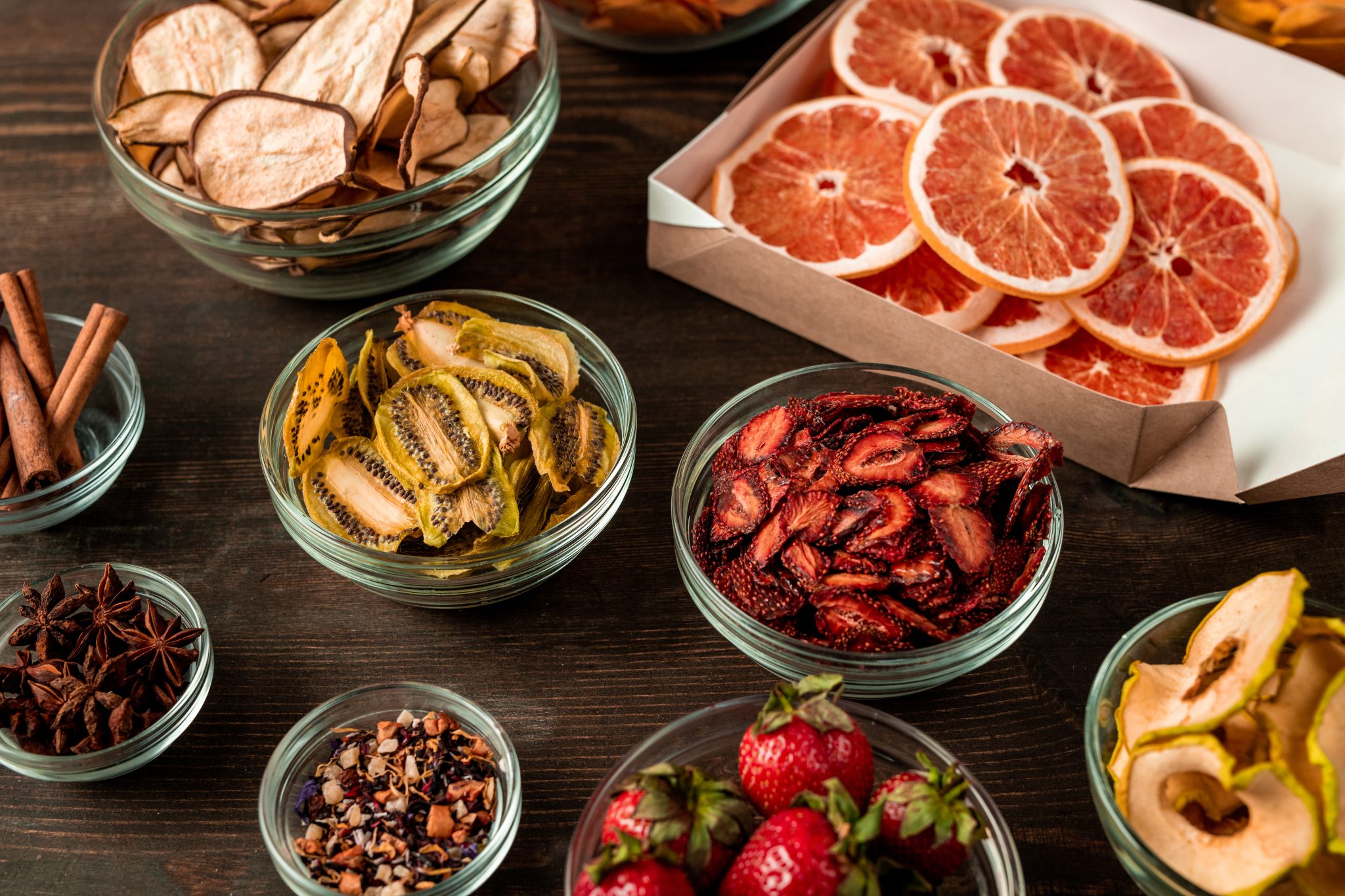
Once your garnishes are completely dried, let them cool to room temperature. They should be crisp and free of any moisture. Store them in airtight containers, like mason jars or sealed bags, and keep them in a cool, dry place.
Your dehydrated garnishes will last for several months, so feel free to make a big batch!
How to Use Dehydrated Garnishes in Cocktails
Now that you’ve made a batch of beautiful, dehydrated garnishes, let’s talk about how to use them.
For Visual Appeal
Dehydrated garnishes are an easy way to add instant sophistication to your drinks. Float a dehydrated lemon wheel in a sidecar or place a pineapple slice in a piña colada for that “wow” factor. These garnishes hold their shape and vibrant colors, so they’re perfect for presentation.
For Flavor
Dehydrated garnishes aren’t just pretty—they pack concentrated flavor. As they sit in the drink, they’ll slowly release their intense flavors, adding depth and complexity to each sip. Toss a dehydrated lime wheel into a margarita to boost its zesty punch, or drop a dehydrated apple slice into a whiskey sour for a hint of natural sweetness.
Creative Uses
Why stop at simply adding dehydrated garnishes to your drinks? Get creative! Crush dehydrated citrus into a powder to rim glasses for an extra burst of flavor. Or blend dried herbs with sugar or salt for a custom cocktail rimmer that complements your drink’s flavor profile.
Troubleshooting Common Dehydrating Problems
Dehydrating garnishes is fairly straightforward, but a few things can go wrong. Here are some common issues and how to fix them:
- Over-drying: If your garnishes are brittle and flavorless, you’ve dried them too long. Check them periodically to avoid this.
- Uneven drying: If some slices are still wet while others are crispy, your slices may be uneven. Aim for consistent thickness in your cuts.
- Stale or soggy garnishes: If your garnishes lose their crispness after storage, they may not have been stored properly. Always use airtight containers and keep them away from moisture and heat.

Wrapping It Up: Elevate Your Cocktails with Dehydrated Garnishes
Dehydrated garnishes are more than just pretty accessories for your cocktails—they’re a flavorful, eco-friendly, and long-lasting way to bring out the best in your drinks. With a bit of time and the right tools, you can easily make your own at home and keep your bar stocked with vibrant, tasty garnishes for months.